Description
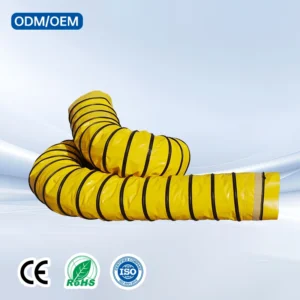
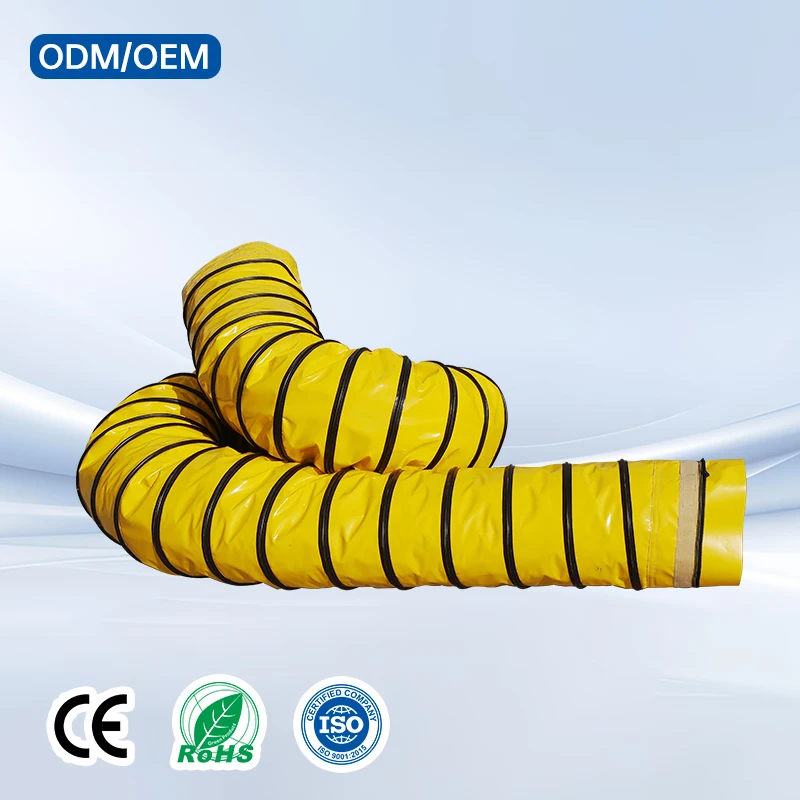
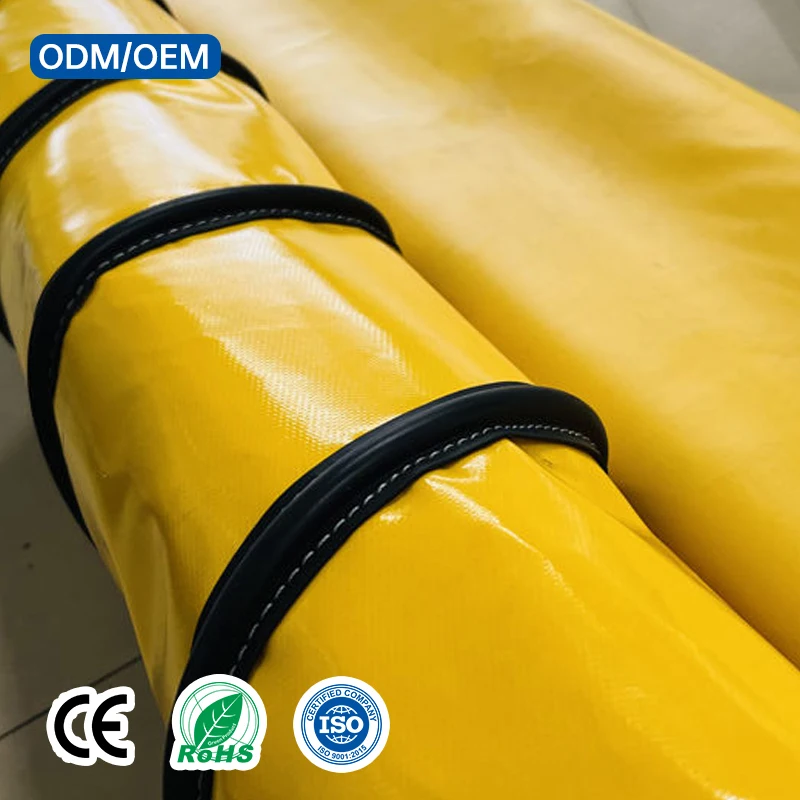
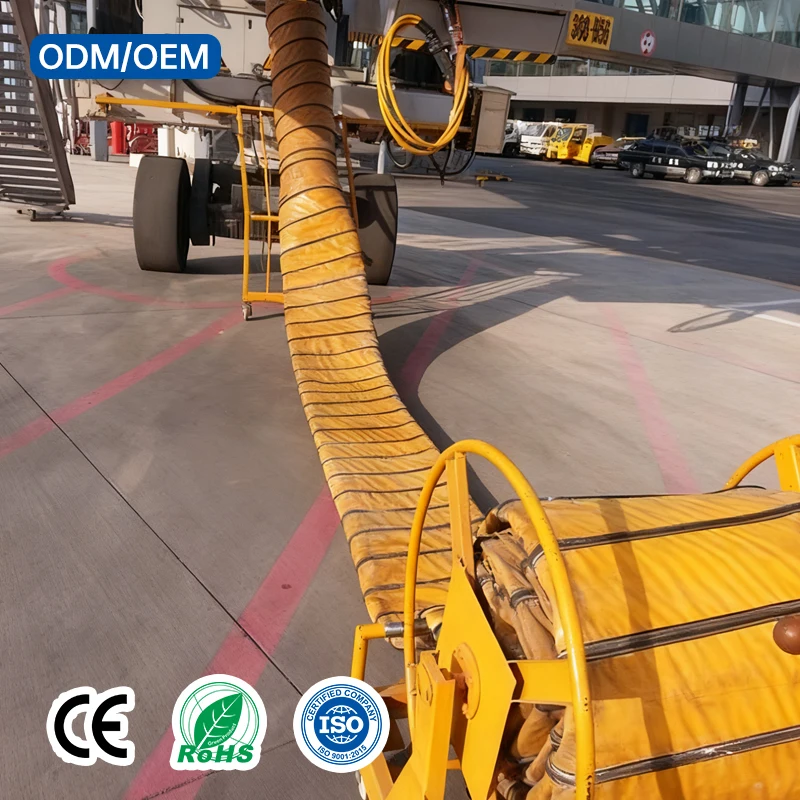
Custom Layup Engineering — Every Aircraft PCA Hose Aviation Cooling Air Duct we build starts with a verified material stack: PVC-coated cloth for weather exposure, aluminum foil bubble film for thermal retention, and fabric reinforcement at flex points, inspected at each production stage before assembly.
Technical Specifications
| Parameter | Value |
|---|---|
| Product Type | Air Duct Hose |
| Material Construction | PVC coated cloth + aluminum foil bubble film + fabric-reinforced layer |
| Temperature Range | -30°C to 150°C |
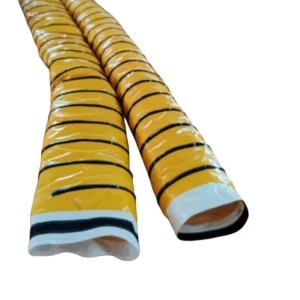
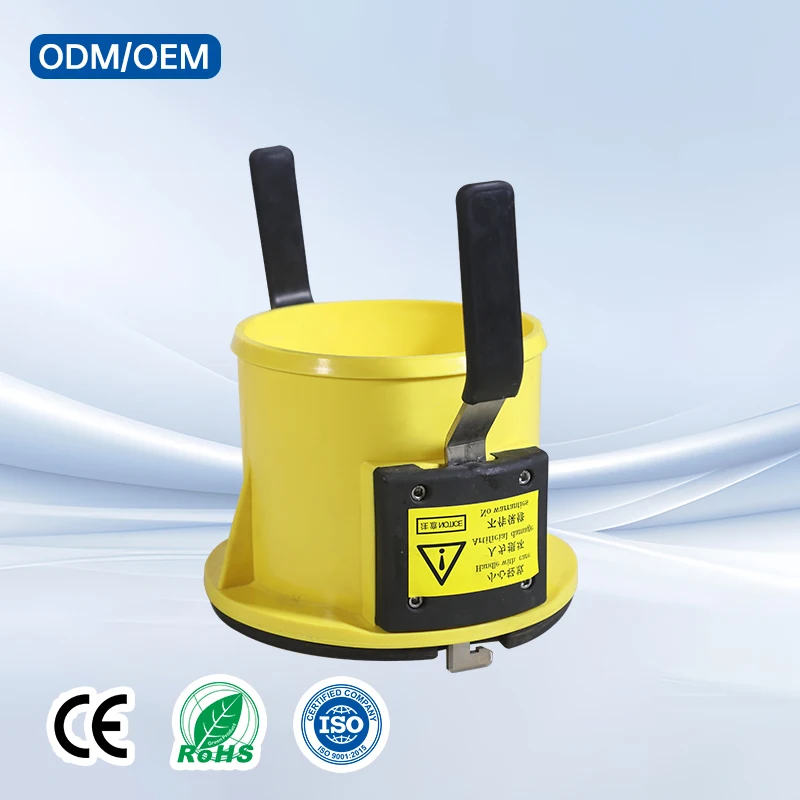
| Connection Method | Zipper and Velcro link system |
| Key Features | Mildew resistance, water resistance, heat resistance, foldable |
| Color | Yellow-black alternating (high visibility outer layer) |
| Logo Customization | Supported (MOQ 100) |
| Pattern Customization | Supported (MOQ 100) |
| Flame Retardant | Available in flame retardant grades — confirm the grade required for your airport authority |
| Anti-Static | Available upon request — confirm anti-static certification required for fuel-adjacent apron zones |
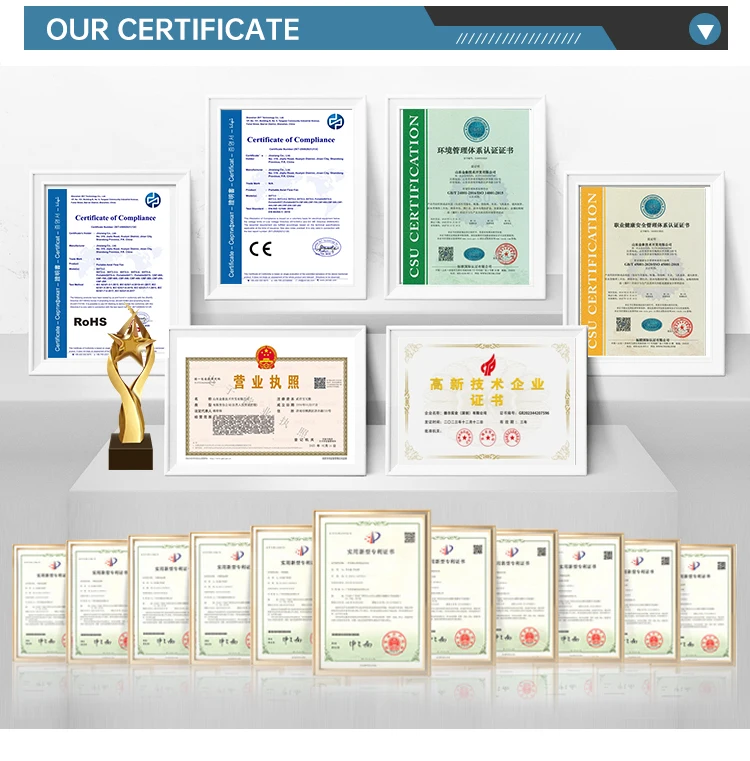
| Standards | ISO, CE (certificates provided with shipment) |
Application Suitability
| Application | Exposure & Requirement |
|---|---|
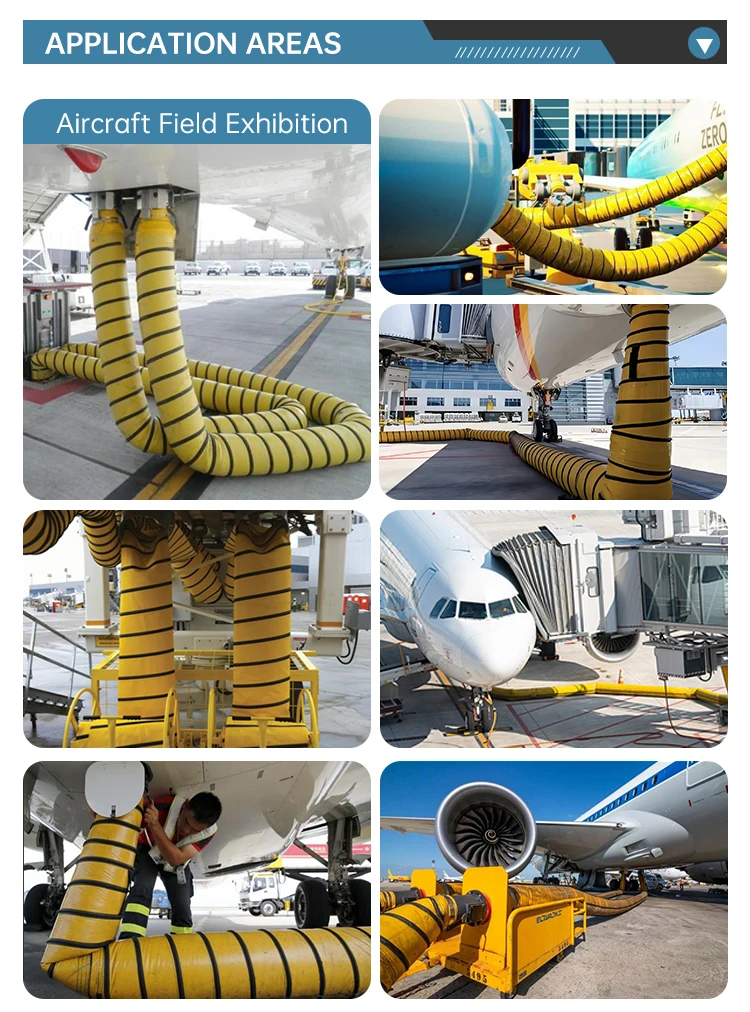
| Airport apron PCA unit to aircraft cabin connection | Daily connect-disconnect cycles, tarmac abrasion, jet fuel vapor exposure, thermal shock from pre-conditioned air |
| Fixed-base operator boarding bridge duct replacement | Continuous flexing at hinge points, UV and weather exposure, passenger safety compliance |
| Military and charter airfield rapid deployment | Rough terrain dragging, extreme ambient temperature swings, rapid pack-up and redeployment |
| GSE manufacturer OEM integration | Dimensional consistency across production batches, branding alignment, regulatory documentation package |
What "Certified" Means When Your Duct Fails Apron Inspection
A duct without the fire-retardant or anti-static certificate your airport authority demands is not a duct — it is a compliance liability sitting on the tarmac.
Ground handling teams discover too late that the ventilation duct they received carries no verifiable test report for flame spread or static dissipation. The duct passes visual inspection but fails when the airport safety officer requests documentation. Operations stall while procurement scrambles for a replacement that meets the written specification. We have seen entire GSE fleets grounded because the duct supplier treated certification as optional paperwork rather than a production requirement [NEED_CITE: airport apron fire safety compliance standards for ground support equipment].
Thermal Insulation That Survives the Tarmac Shift
The aluminum foil bubble film insulation layer bonded between the PVC-coated outer shell and the fabric-reinforced inner liner maintains thermal integrity across the full -30°C to 150°C operating window. On a winter apron where ambient air sits below freezing and the PCA unit pushes heated cabin air, this insulation prevents condensation buildup inside the duct wall that would otherwise add weight and promote mildew. The bubble film structure traps air in discrete cells, so a single puncture does not collapse the entire insulating barrier.
Rapid Deployment Without Sacrificing Seal Integrity
The zipper and Velcro connection system allows ground crews to link multiple Aircraft PCA Hose sections or disconnect at the aircraft interface in seconds, without tools. This matters when turnaround windows compress and the duct must be deployed, pressurized, and retracted between flights. The connection overlap is designed to maintain an air seal under positive pressure while still permitting a single operator to break the joint. High-visibility yellow-black alternating coloring keeps the duct visible to apron vehicle operators during low-light or high-traffic conditions.
Reading the Material Stack Beyond the Outer Shell
The PVC coated cloth outer layer provides the primary weather and abrasion barrier — its coating weight and base fabric denier determine how well the duct resists scuffing when dragged across concrete. The aluminum foil bubble film mid-layer handles thermal retention, and its bond strength to the adjacent layers dictates whether delamination occurs after repeated thermal cycling. The fabric-reinforced inner layer contacts the airflow and must resist tearing at connection points where the zipper and Velcro bear mechanical load. Together, these three layers function as a system: specifying any single layer in isolation misses how they interact under apron conditions [NEED_CITE: multi-layer coated fabric lamination adhesion test methods]. Mildew and water resistance are properties of the PVC coating formulation itself, not an added treatment, meaning they persist through the service life of the outer shell.
When the Wrong Specification Grounds Your Equipment
Selecting a duct without confirming the fire-retardant grade required by your specific airport authority can result in failed safety audits and operational shutdowns. A duct that lacks anti-static construction deployed near fuel hydrant zones introduces discharge risk that no amount of operational caution fully mitigates. We have observed ground handling companies forced to replace entire duct inventories because the original purchase order did not specify the certification the local regulator enforced [NEED_CITE: aviation ground support equipment fire and static safety requirements]. Connection sizing mismatches between the duct inner diameter and the aircraft cabin door interface cause air leakage that reduces cooling efficiency and extends turnaround time.
Why Procurement Teams Source This Duct Here
Three full production lines with 36 sets of professional equipment support batch consistency across repeat orders — every duct in a fleet replacement program matches the previous delivery in material layup and dimensional tolerance. The 10-person R&D team handles custom diameter, length, and branding development, moving from specification review to sample in days rather than weeks. Dedicated QA/QC runs at every production stage: coating weight verification, insulation layer bond check, zipper and Velcro attachment pull test, and 100% pre-shipment inspection before packing. Material specification sheets, test reports for flame-retardant or anti-static grades where applicable, and ISO and CE certificates ship with every order, closing the documentation loop that apron compliance demands.
Documentation & Verification
- Material specification sheet detailing base fabric denier, PVC coating weight, and insulation layer composition for each Aircraft PCA Hose Aviation Cooling Air Duct batch
- Fire-retardant or anti-static test report matching the grade specified on your purchase order
- 100% pre-shipment inspection record covering seam integrity, connection function, and dimensional check
- ISO and CE certificates included in the shipping documentation package
- Roll and assembly packing list with unit count and weight for customs and receiving verification
Fabrication, Handling & Storage
- Heat-weld PVC coated cloth seams using temperature and dwell settings matched to the specific coating weight to prevent bond failure at flex points
- Inspect zipper and Velcro connection overlap after every deployment cycle for fabric-reinforced layer separation or tooth wear
- Store folded ducts in dry, shaded conditions — prolonged UV exposure degrades the PVC outer shell between uses
- Clean the outer PVC surface with mild detergent only; solvents attack the coating and compromise water resistance
- Deploy ducts on apron surfaces free of sharp debris to protect the aluminum foil bubble film insulation layer from puncture
- When packing for transport, fold along existing crease lines to avoid creating new stress points in the fabric-reinforced inner liner
What We Need to Quote Your Duct Accurately
Provide the aircraft types your PCA units serve so we can match inner diameter to the cabin door air conditioning interface. Specify the fire-retardant or anti-static grade your airport authority requires, along with the applicable standard. Confirm the quantity, any logo or pattern customization, and whether you need complete duct assemblies or replacement sections with connection hardware.
Frequently Asked Questions
Q: What fire-retardant or anti-static certifications are available for aviation apron use?
A: We produce Aircraft PCA Hose in flame retardant and anti-static constructions, but the specific grade depends on your airport authority’s written requirement. Confirm the standard — such as NFPA, UL, or a local aviation regulation — before order placement. We supply the matching test report with shipment documentation.
Q: How is the insulation layer constructed and tested across the stated temperature range?
A: The aluminum foil bubble film is laminated between the PVC coated cloth outer shell and the fabric-reinforced inner liner. This three-layer layup maintains thermal performance from -30°C to 150°C. Bond strength between layers is verified during production to prevent delamination under thermal cycling on the apron.
Q: What OEM customization options exist for branding, color, and connector style?
A: Logo and pattern customization are supported with a minimum order of 100 units. The standard yellow-black alternating outer color provides apron visibility, and alternative colorways can be developed for specific GSE fleet branding. Zipper and Velcro connection configurations are adjusted to match your deployment procedure.
Q: What inner diameter fits wide-body versus narrow-body aircraft?
A: Wide-body and narrow-body aircraft use different PCA interface dimensions. Provide the aircraft types in your fleet or the specific interface diameter from your PCA unit manufacturer. We match the duct inner diameter and connection hardware to that specification to prevent air leakage at the cabin door joint.
Q: What is the sample development lead time for custom PCA duct configurations?
A: Custom diameter, length, insulation layup, and branding samples are developed within days after specification confirmation. Approve the sample before we release full production. This ensures material construction, connection function, and dimensional tolerance meet your apron requirements before bulk commitment.