
Description
Roll-to-Roll Consistency Assurance — each batch of aviation duct fabric is produced under controlled coating parameters to maintain insulation layer integrity and dimensional stability across every roll shipped.
Technical Specifications
| Parameter | Value |
|---|---|
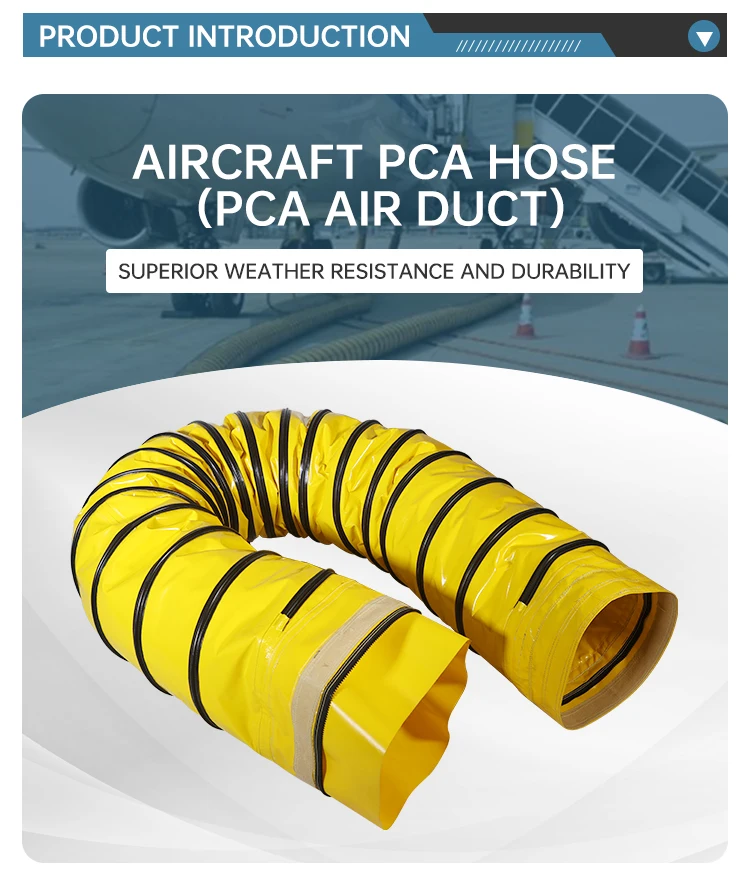
| Product Type | Aviation Air Conditioning Duct |
| Diameter | 12 Inch |
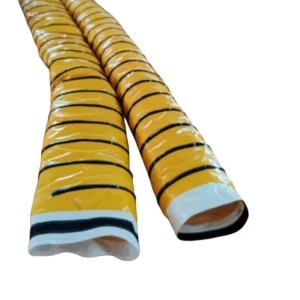
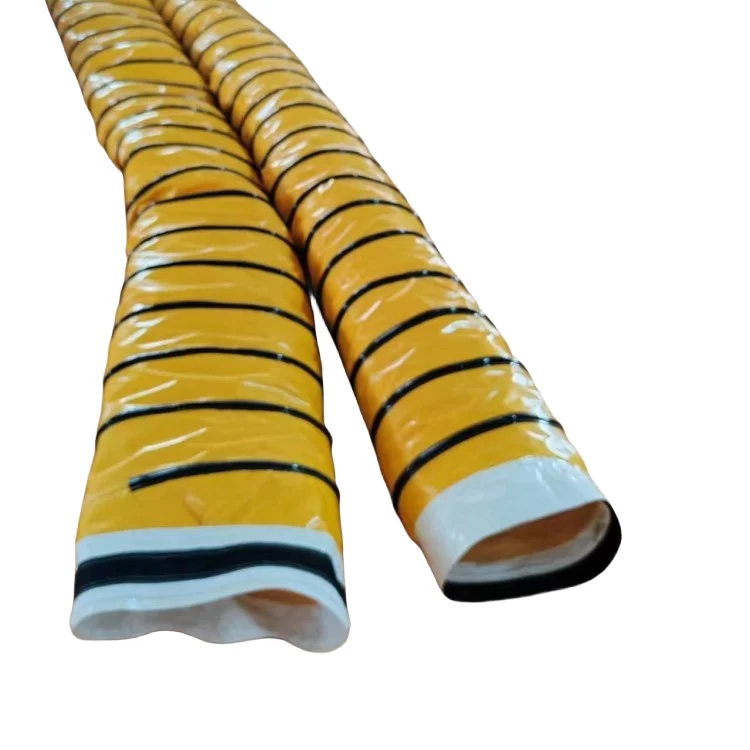
| Coating Material | PVC coated cloth with aluminum foil bubble film insulation layer |
| Temperature Range | -30°C to 150°C |
| Characteristics | Mildew resistance, water resistance, high strength and strong tension |
| Connection Method | Zipper and Velcro link for disassembly |
| Outer Layer Color | Yellow-black alternating protective coloring |
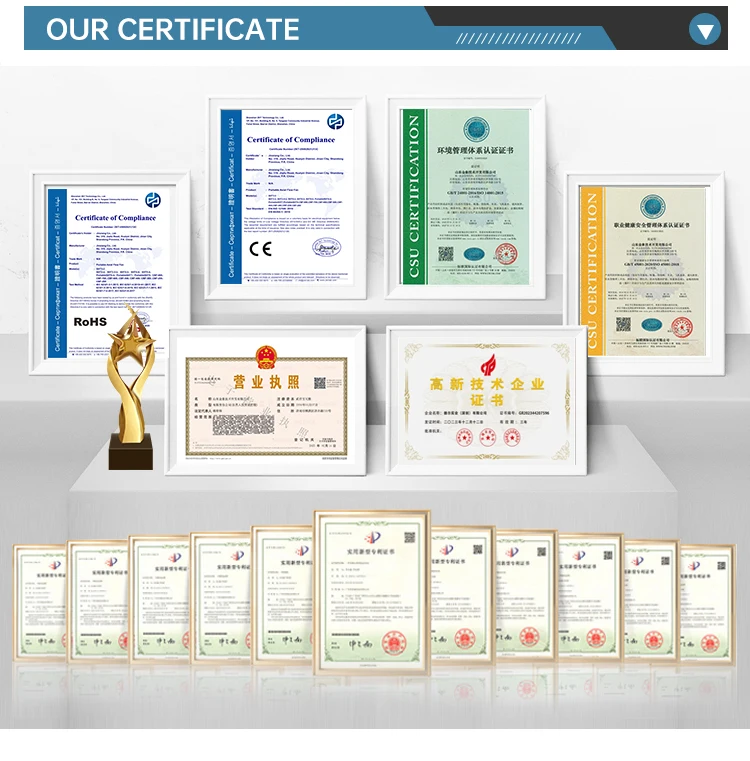
| Standards | ISO, CE |
| Fire-Retardant Grade | Available in fire-retardant grades — confirm the grade required for your airport or facility |
| Anti-Static Rating | Available in anti-static options — verify surface resistance requirements for your ground support equipment |
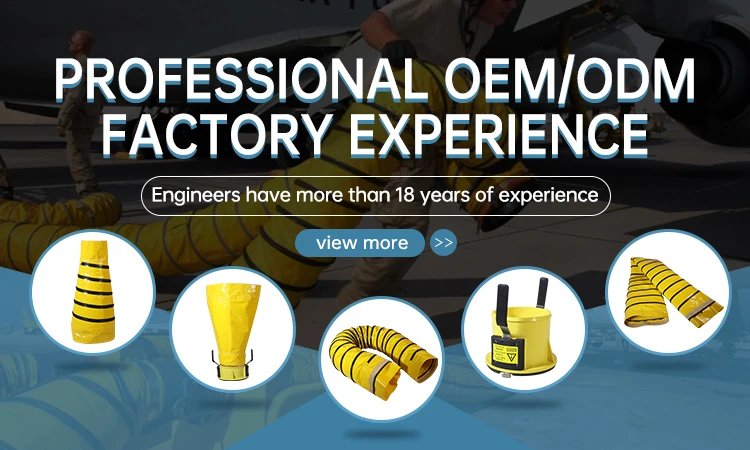
| Customization | Style, color, logo, pattern, outer packaging (MOQ 100) |
Application Suitability
| Application | Exposure & Requirement |
|---|---|
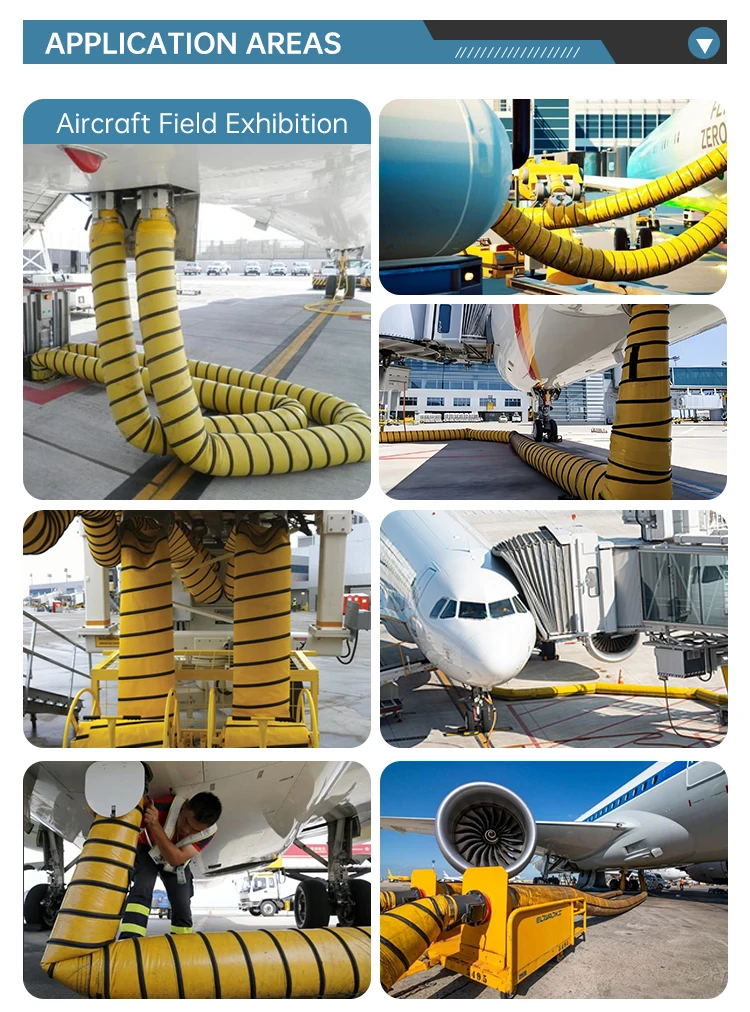
| PCA unit to aircraft cabin air transmission | Extreme temperature differentials, continuous flexing, UV and fuel vapor exposure on apron |
| Airport ground support equipment connection | Abrasion from tarmac dragging, mechanical handling stress, rapid deployment and breakdown cycles |
| Aircraft maintenance facility climate control | Temporary ducting exposed to chemical cleaning agents, solvent vapors, and confined-space routing |
Why "Certified" Aviation Duct Fails When Paperwork Is Missing
Compliance documentation must arrive with the duct, not weeks after installation.
Ground support procurement teams regularly receive Aviation Air Duct aftermarket supplier products labeled as fire-retardant or anti-static, only to discover at site inspection that no test report accompanies the shipment. Airport safety officers reject non-documented materials, causing aircraft turnaround delays and forcing emergency re-procurement at premium cost [NEED_CITE: airport ground support equipment safety compliance standards]. The gap between a manufacturer’s claim and verifiable certification is where operational risk concentrates.
Thermal Insulation Performance Across Apron Conditions
The aluminum foil bubble film insulation layer bonded to the PVC coated cloth maintains thermal integrity across the full -30°C to 150°C operating range. This dual-layer construction prevents condensation buildup inside the duct during cold-air transmission from PCA units, protecting aircraft cabin interfaces from moisture ingress. Aviation Air Duct fire retardant certified options ensure the insulation layer itself meets facility fire safety requirements, not just the outer PVC shell.
High-Visibility Safety and Rapid Connection Systems
The yellow-black alternating protective coloring provides immediate visual identification on busy airport aprons where ground vehicles, baggage handlers, and fuel trucks operate in close proximity. Zipper and Velcro connection points allow ground crew to attach and detach the duct between aircraft servicing cycles without tools, reducing gate turnaround time. The foldable construction compresses for storage between gate positions, minimizing apron footprint when the Aviation Air Duct aftermarket supplier product is not actively deployed.
How Material Layering Determines Operational Lifespan
The PVC coated fabric-reinforced layer provides structural tensile strength while the aluminum foil bubble film handles thermal resistance — these two layers must maintain adhesion under repeated temperature cycling. [NEED_CITE: coated fabric lamination adhesion test methods per ISO standards] When the insulation delaminates from the outer shell, localized hot spots develop that accelerate material degradation. The mildew and water resistance characteristics of the PVC layer prevent biological growth inside the duct during humid-condition operations, maintaining airflow quality delivered to aircraft cabins. Temperature range specifications indicate the boundary where PVC transitions from flexible to brittle at the cold end and where coating softening begins at the upper limit.
What Happens When Ground Support Duct Specifications Are Wrong
A duct rated for narrower temperature ranges develops cracking at the cold extreme during winter apron operations, splitting at flex points where the material folds during connection. Missing anti-static treatment allows charge accumulation that discharges near fuel operations, triggering safety audits and potential ramp closures [NEED_CITE: static discharge hazards in airport ground support environments]. Generic industrial ducts lacking aviation-specific coloring create visibility hazards during low-light or adverse weather ground handling. Connection incompatibility with existing PCA unit interfaces forces adapters that restrict airflow and reduce cabin pre-conditioning efficiency.
Why Procurement Teams Source Aviation Ducts Through This Channel
Production lines dedicated to coated fabric applications maintain consistent coating weight and aluminum foil lamination quality across production runs. The R&D team handles material selection for specific airport compliance requirements, developing samples that match your facility’s fire-retardant grade and anti-static specifications before bulk commitment. In-process quality checks verify insulation layer adhesion and dimensional accuracy at each production stage, with complete pre-shipment inspection confirming every duct meets stated temperature range and connection compatibility requirements. Documentation packages include material specification sheets stating coating weight, base fabric denier, and insulation layer composition — not generic compliance statements.
Documentation & Verification
- Material specification sheet stating PVC coating weight, base fabric construction, and aluminum foil insulation layer details
- Fire-retardant test reports with specific grade classification per requested standard
- Anti-static surface resistance measurements with independent laboratory certification where applicable
- Temperature range verification records from production batch testing
- Pre-shipment inspection record confirming dimensional accuracy and connection system functionality
- Certificate of origin and customs documentation for international airport procurement
Fabrication, Handling & Storage
- Heat-weld seams using temperature settings matched to the PVC coated cloth thickness to preserve aluminum foil insulation bonding
- Route zipper and Velcro connections away from high-abrasion tarmac contact zones to preserve disassembly functionality
- Store folded ducts in climate-controlled areas to prevent PVC stiffening below the -30°C operational threshold
- Clean outer yellow-black protective coloring with mild detergent only, avoiding solvents that degrade the PVC coating surface
- Inspect aluminum foil bubble film layer adhesion at connection points before each deployment cycle
Requesting a Specification-Matched Quotation
Provide your PCA unit model, required duct diameter, and the specific fire-retardant or anti-static grade mandated by your airport authority. Indicate annual volume estimates and whether you require custom length sections beyond standard configurations. Confirm if your ground support operation demands specific color schemes or logo printing for fleet identification across multiple gate positions.
Frequently Asked Questions
Q: What fire-retardant grade certifications are available for aviation duct applications?
A: Fire-retardant grades are supplied to match your specific airport or national aviation authority requirements. Available classifications include grades aligned with common building material and textile flammability standards. Request the specific test standard your facility mandates, and the corresponding test report accompanies shipment documentation for your safety officer’s review.
Q: How is anti-static compliance verified for airport ground support equipment?
A: Anti-static versions include surface resistance measurements tested per applicable standards, with values documented in the shipment paperwork. Airport safety teams require this certification before approving ducts for use near fuel handling operations. Specify your facility’s required resistance range during inquiry to ensure the Aviation Air Duct aftermarket supplier product matches your compliance framework.
Q: Can the duct be supplied in custom lengths for extended PCA reach applications?
A: Custom lengths are produced with the same PVC coated fabric and aluminum foil insulation specification as standard sizes. Zipper and Velcro connection systems allow multiple sections to link for extended reach across wide-body aircraft servicing positions. Provide your required length and connection interface details for sample development before bulk production commitment.
Q: What documentation accompanies each shipment for customs and site approval?
A: Each shipment includes material specification sheets, applicable test reports for fire-retardant and anti-static grades, pre-shipment inspection records, certificate of origin, and packing lists. Airport procurement teams receive complete compliance packages enabling immediate safety officer review and customs clearance without requesting supplementary documentation after delivery.