Description
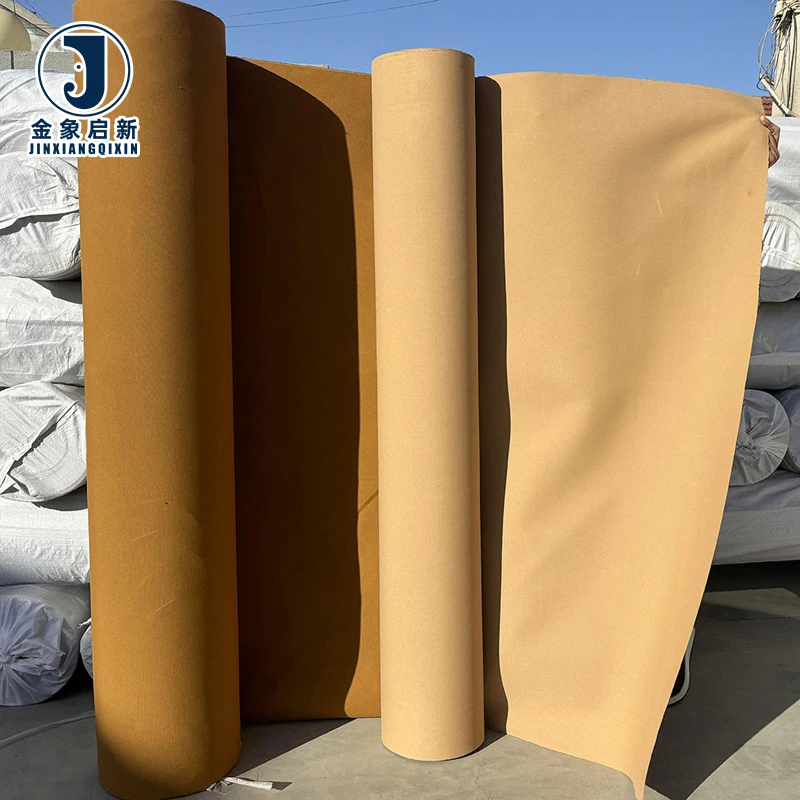
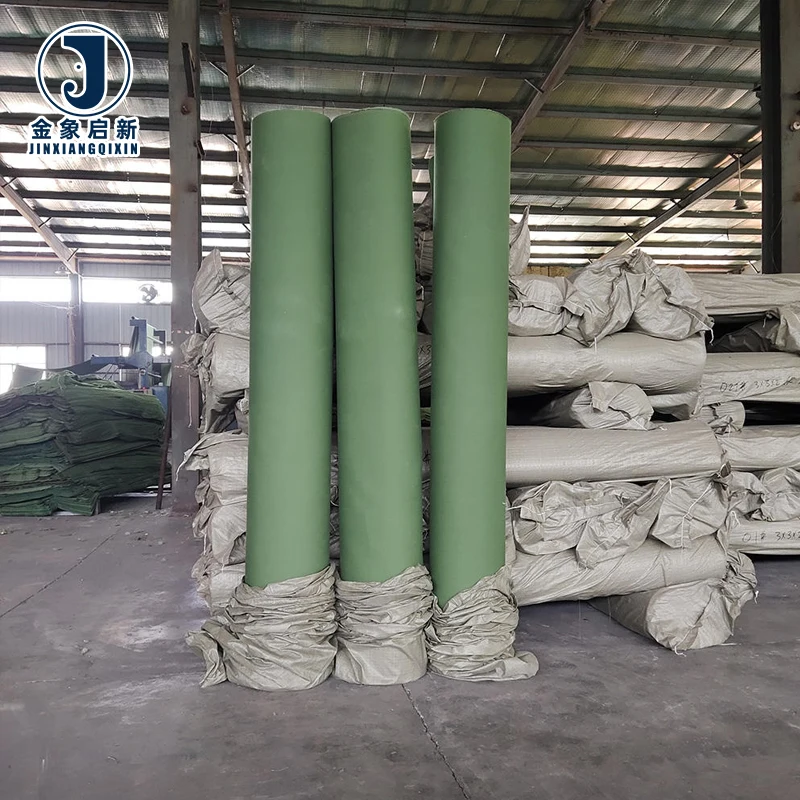
Roll-to-Roll Consistency — every PVC laminated canvas tarpaulin roll is inspected against the stated GSM and coating weight before dispatch, verified through pre-shipment records.
Technical Specifications
| Parameter | Value |
|---|---|
| Product Type | PVC Laminated Tarpaulin |
| Base Fabric | Woven canvas |
| Coating Method | PVC laminated |
| Waterproof | Yes |
| Tear Resistance | High (no test standard stated) |
| Breathability | High (source value — verify against manufacturer catalog) |
| Heat Resistant | Yes (grade not stated in source) |
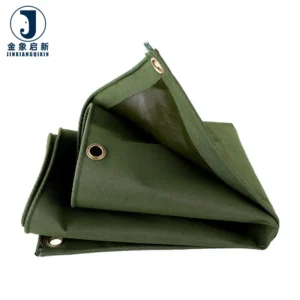
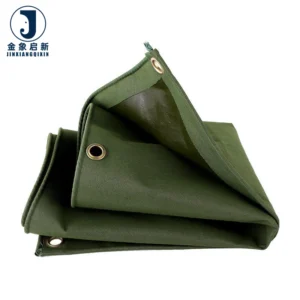
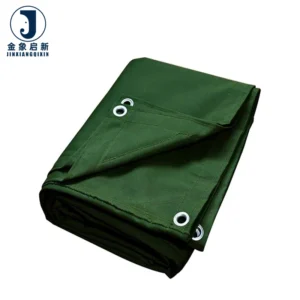
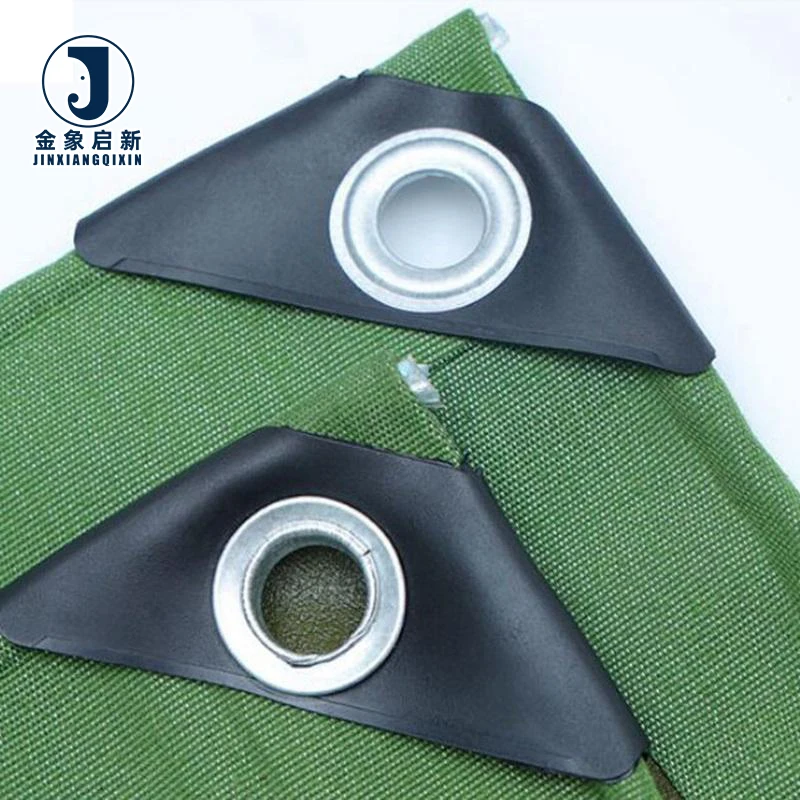
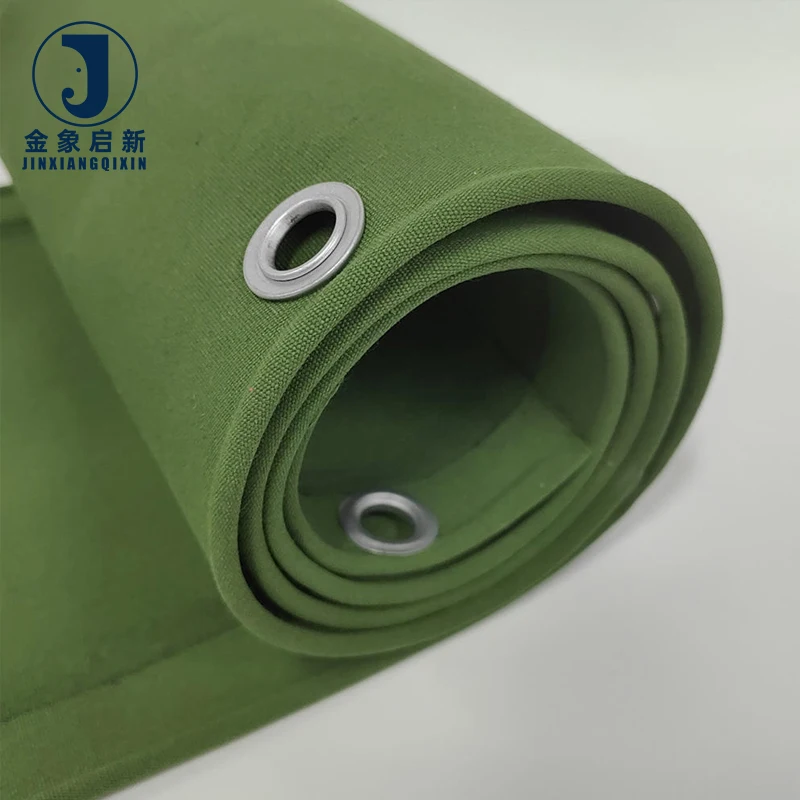
| Eyelet & Hem Options | Holes installed on all four sides |
| Flame Retardant Grade | Available in flame retardant grades — confirm the grade required for your market |
| UV Treatment | Available with UV treatment — confirm test basis for your region |
| GSM | Not stated — specify required weight at inquiry |
| Base Fabric Denier | Not stated |
| Mesh Count | Not stated |
| Total Thickness | Not stated |
| Width | Custom widths available — confirm at inquiry |
| Roll Length | Standard and custom roll lengths available |
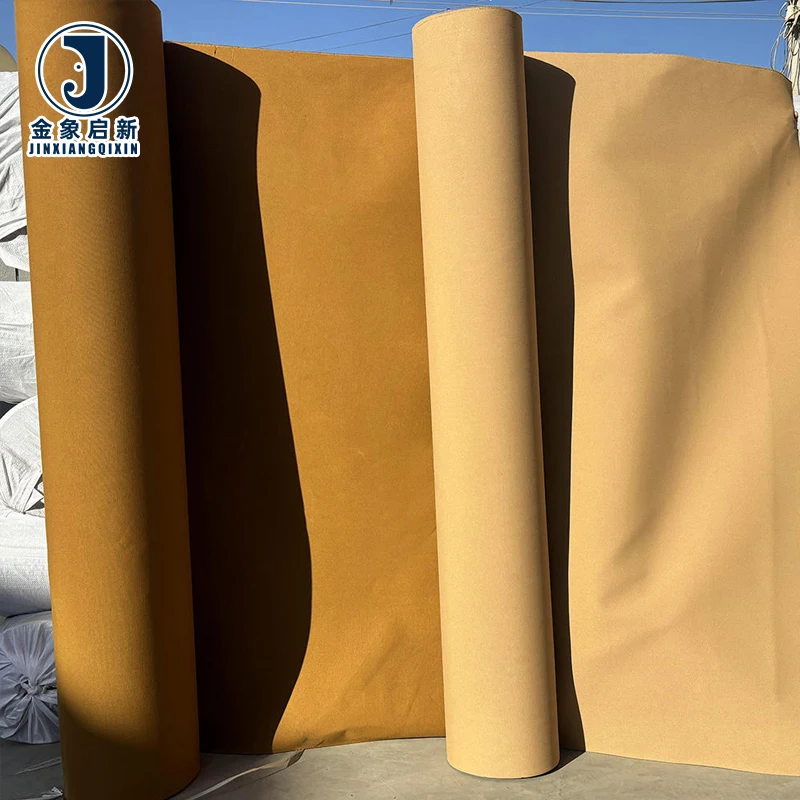
| Color | Multiple color options — confirm shade reference at inquiry |
| Finish | Available in standard finishes — confirm gloss or matte at inquiry |
| Standards | ISO, CE |
Application Suitability
| Application | Exposure & Requirement |
|---|---|
| Engine hood covers | High localized heat, oil and grease contact, repeated folding and unfolding |
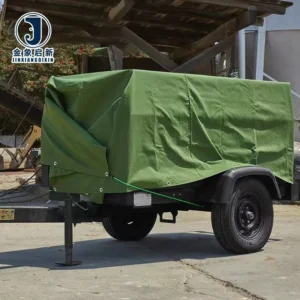
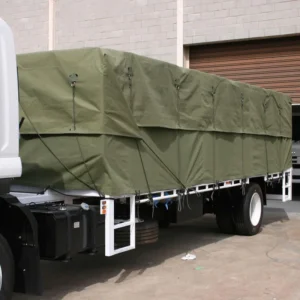
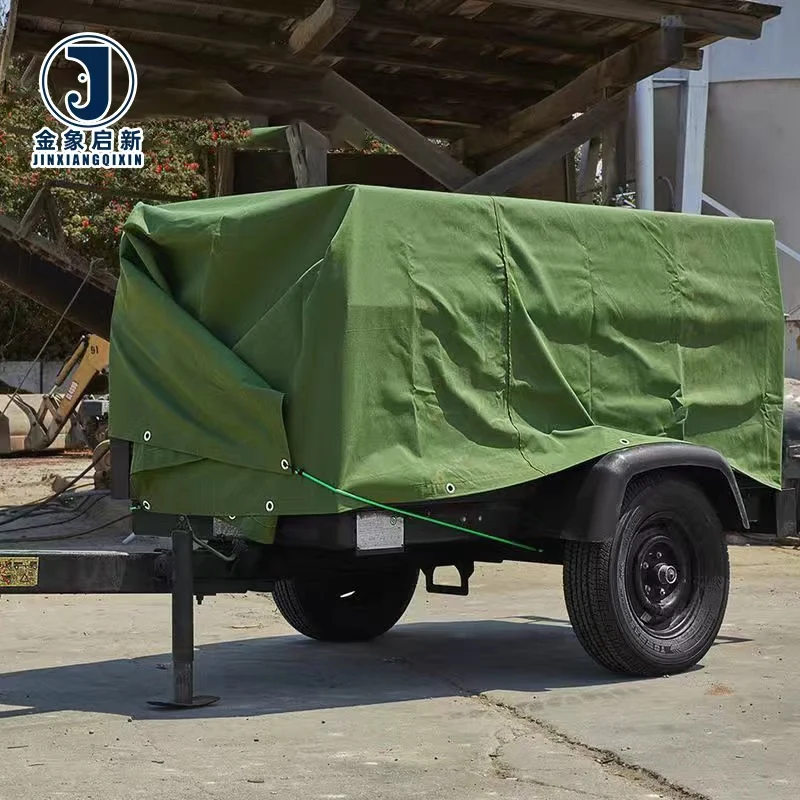
| Car and vehicle covers | UV exposure, rain and hail, abrasion from wind-driven debris, frequent handling |
| Roof covers | Continuous water pooling, thermal cycling, wind uplift stress at fixings |
| Outdoor floor mats | Foot traffic abrasion, moisture ingress, dirt and chemical spillage |
| Sun and rain shelters | Prolonged UV exposure, wind loading on seams, repeated erection and dismantling |
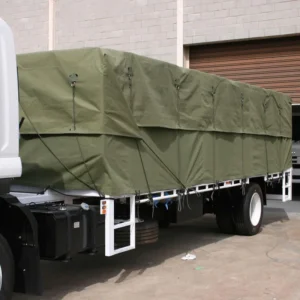
| General outdoor protection | Multi-season weather exposure, mechanical contact, storage compression |
Why Roll Weight Consistency Matters More Than the Quoted GSM
The GSM on your quotation means nothing if the roll on the container floor weighs less.
Buyers sourcing PVC laminated canvas tarpaulin in volume frequently encounter a gap between what was quoted and what arrives. A roll that comes in lighter than agreed changes the entire cost-per-square-meter calculation, and more critically, it shifts the mechanical behaviour of the fabric in the field. Thinner coating means reduced waterproofing margins at seams. Lighter base fabric means the tear propagation threshold drops below what your end user expects. When you are loading containers with wholesale PVC laminated canvas tarpaulin roll stock, the variance between rolls within a single shipment can create visible and functional inconsistency across a batch. [NEED_CITE: ISO 1421 tensile and tear test methods for coated fabrics]
The problem compounds when fabricators cut and weld across multiple rolls in sequence — a 5% weight drop from one roll to the next produces different heat-seal behaviour at the same machine settings, leading to weld failures that show up only after installation.
How Laminated Coating Affects Roll Behaviour in the Warehouse
The lamination process bonds the PVC film to the woven canvas base under heat and pressure, creating a composite structure where the coating and the fabric share load differently than in knife-over-roll or dip-coated constructions. For wholesale buyers stocking PVC laminated canvas tarpaulin, this matters because laminated rolls tend to hold their shape better on the pallet — the bonded film resists the creep and telescoping that softer coatings develop during storage and transit. When your warehouse team is unloading a container and stacking rolls vertically or horizontally, the structural rigidity of laminated construction reduces the risk of edge damage and permanent creasing.
The trade-off is that laminated PVC canvas has a stiffer hand feel compared to equivalent-weight coated fabrics, which affects how fabricators handle the material on cutting tables and through automated welding lines.
What Batch Consistency Actually Requires at the Coating Line
Maintaining colour and weight consistency across every roll in a bulk order demands process control at three specific points: coating weight application, oven temperature profile, and winding tension. If the coating weight drifts upward on later rolls in a production run, those rolls will be heavier and thicker — visible when laid side by side with earlier rolls and problematic when both pass through the same welding jig. [NEED_CITE: coating weight measurement methods per ISO 2286 for coated fabrics]
Colour consistency depends on pigment dispersion in the PVC compound and oven curing uniformity. A roll that cures at a slightly different temperature will shift shade, and that shift becomes obvious when two rolls are unrolled and joined at a construction site or awning frame. Pre-shipment inspection of each roll against a reference standard is what catches this before it reaches the buyer.
Reading Between the Specs: What GSM, Base Fabric, and Lamination Actually Determine
Three parameters interact to define how this PVC laminated canvas tarpaulin performs once deployed. The base fabric weave and denier establish the tensile skeleton — this is the structure that resists tearing when a corner eyelet is pulled under wind load. The GSM reflects total system weight including coating, but a high GSM built with heavy coating over a light base fabric behaves very differently from a moderate GSM built with a dense weave and thin lamination. The former tears more easily at stress points; the latter holds better but costs more to produce.
The laminated coating method creates a distinct bond interface between film and fabric. Unlike paste-coated PVC where the coating penetrates the weave, lamination produces a cleaner separation between layers, which affects peel strength and determines how the material responds to high-frequency welding. For fabricators running welded seams, laminated material typically requires adjusted power and dwell time settings compared to coated equivalents, because the heat must transfer through the film layer to activate the bond without delaminating the canvas underneath.
Eyelet placement on all four sides distributes load across the fabric plane, but the holding power of each eyelet depends directly on the base fabric density surrounding the punched hole.
The Hidden Cost of Specifying on Price Per Roll Alone
When wholesale buyers select PVC laminated canvas tarpaulin purely on roll price, the downstream failures follow a predictable pattern. Rolls with unverified GSM arrive on site and the material feels thinner than the sample approved weeks earlier. Seams welded at standard settings peel apart because the coating weight is insufficient to form a proper bond. Eyelets pull through under moderate wind because the base fabric density is lower than what was assumed. [NEED_CITE: common failure modes in coated fabric installations]
For importers distributing to regional fabricators, one bad batch damages relationships across the entire dealer network. The cost of a single container rejection or field replacement claim exceeds the per-roll savings many times over.
Why Sourcing PVC Laminated Canvas Here Reduces Procurement Risk
Three full production lines with 36 sets of professional equipment support bulk roll output with scheduled delivery windows — buyers committing to container loads can plan shipping around confirmed production slots rather than uncertain queue positions.
A 10-person R&D team develops custom-width and custom-colour samples within days, allowing wholesale buyers to approve material before committing to full production runs and avoiding costly batch mismatches.
Dedicated QA and QC at every production stage, with 100% inspection before shipment, means every roll of PVC laminated canvas tarpaulin leaving the facility has been checked against the agreed specification sheet — weight, colour, and coating integrity verified before packing.
ISO and CE certification underpins the documentation package that importers need for customs clearance and market compliance in regulated regions.
Nearly 30 years of focused coated fabric production provides the process knowledge that prevents the coating adhesion and batch consistency problems common in newer operations.
Documentation & Verification
- Material spec sheet stating GSM, base fabric type, and PVC lamination method per roll
- Pre-shipment inspection record confirming 100% roll check against quoted weight and colour
- Roll packing list with individual roll count, net weight, and dimensions for container planning
- Certificate of origin and customs documentation supporting import clearance
- UV and flame retardant test reports supplied where applicable grades are specified
Fabrication, Handling & Storage
- Heat-weld laminated PVC canvas at adjusted power settings — test seam peel strength before production runs
- Punch eyelet holes through both coating and canvas base to ensure full-thickness grip at all four sides
- Store rolls horizontally on pallets to prevent edge compression and permanent crease marks on the laminated surface
- Unroll in temperatures above freezing to avoid cracking the PVC film layer at the bond interface
- Clean laminated surfaces with mild detergent only — solvents can attack the PVC film and compromise waterproofing
- Lay flat and cut with rotary blades to prevent fraying the woven canvas base at cut edges
Before You Send an Inquiry
To provide an accurate quotation on PVC laminated canvas tarpaulin roll stock, share your target roll width, annual volume, and the colour reference or shade range you require. If your end market mandates a specific flame retardant or UV stability grade, state the standard you need met so we can confirm available options. Specify whether you need rolls only or finished cut sizes with eyelet reinforcement, and indicate your preferred container loading plan so we can align production batches to your shipment schedule.
Frequently Asked Questions
Q: How is GSM verified on each roll before shipment?
A: Every roll is weighed and measured during pre-shipment inspection. The actual GSM is recorded against the specification stated on your purchase order. Rolls that fall outside the agreed tolerance are segregated before packing, and the inspection record accompanies your shipping documentation so you can cross-check on receipt.
Q: What roll widths and lengths are available for bulk canvas tarpaulin?
A: Standard widths are available from stock, and custom widths can be produced with sample approval before bulk runs. Roll lengths are configured to match your container loading plan and cutting table requirements. Confirm your target dimensions at inquiry so we can advise available options and minimum quantities.
Q: How is batch colour consistency maintained across multiple rolls?
A: All rolls in a single order are produced from the same PVC compound batch under controlled oven conditions. A reference colour standard is held at the line, and each roll is visually checked against it during inspection. Shade variance rolls are removed before packing to ensure side-by-side consistency when your fabricators join panels.
Q: What is the container loading plan by roll count and weight?
A: Roll dimensions and net weight are calculated to maximize container utilization for your chosen size. A detailed packing list is provided before dispatch, listing every roll with its individual weight and position in the container. This lets your warehouse team plan unloading sequence and storage allocation in advance.
Q: What MOQ applies to custom width or colour on PVC laminated canvas rolls?
A: Minimum order quantities depend on the specific width and colour requested, as these require dedicated production line setup and compound preparation. Provide your requirements at inquiry stage and we will confirm the applicable minimum alongside lead time and sample availability for your approval.