Description
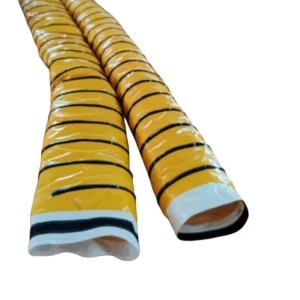
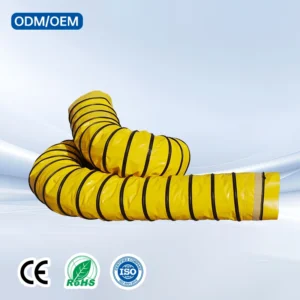
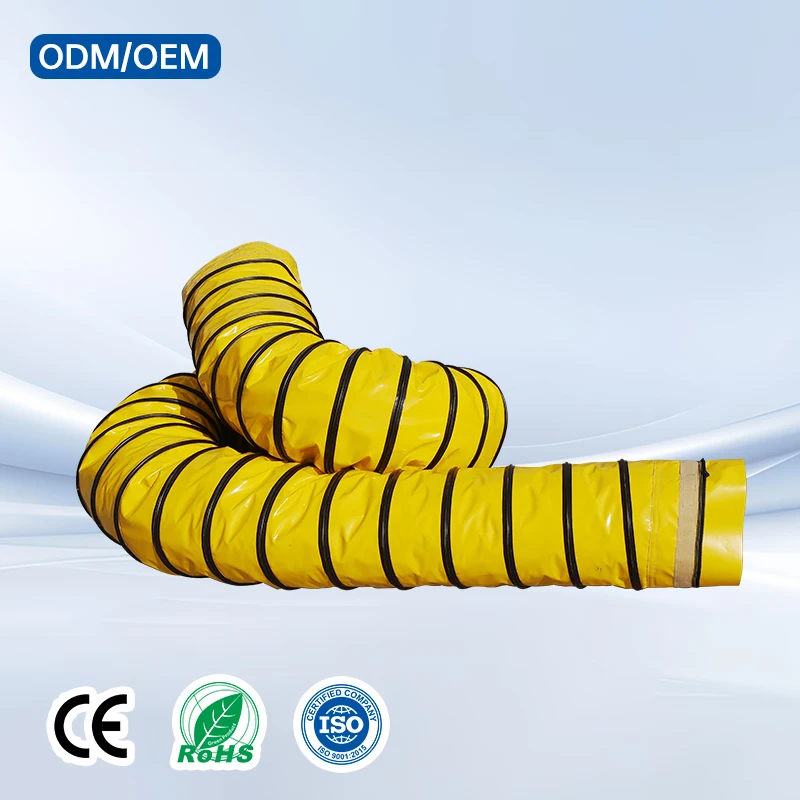
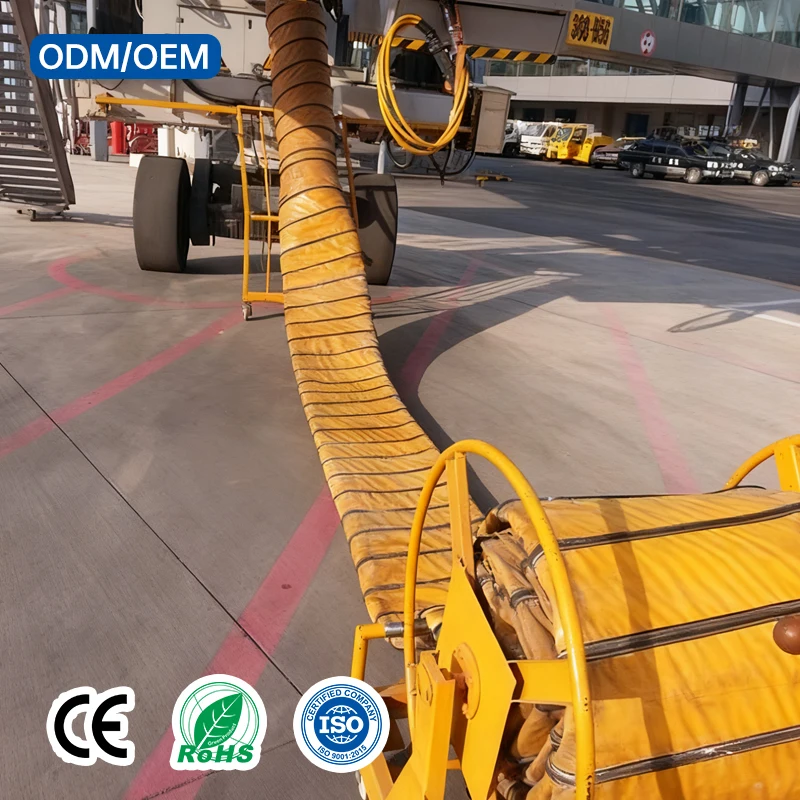
Custom Aviation Air Duct — purpose-built PCA hose combining PVC-coated outer fabric with aluminum foil bubble insulation, engineered for airport apron ground cooling systems and aircraft cabin air supply.
Technical Specifications
| Parameter | Value |
|---|---|
| Product Type | Aviation Air Duct |
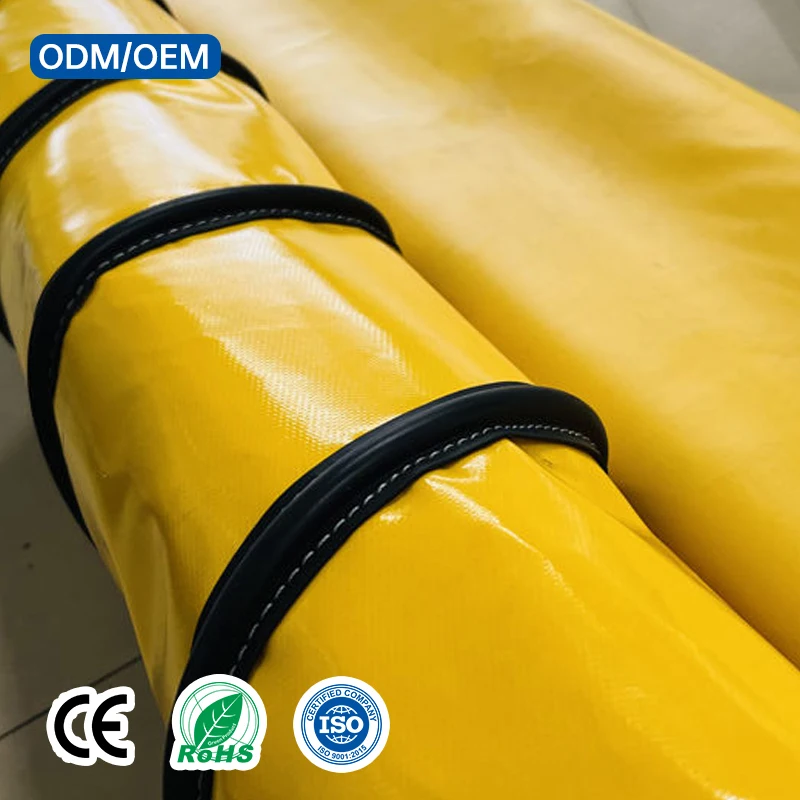
| Material | PVC coated cloth with fabric-reinforced layer, aluminum foil bubble film insulation |
| Temperature Range | -30°C to +150°C |
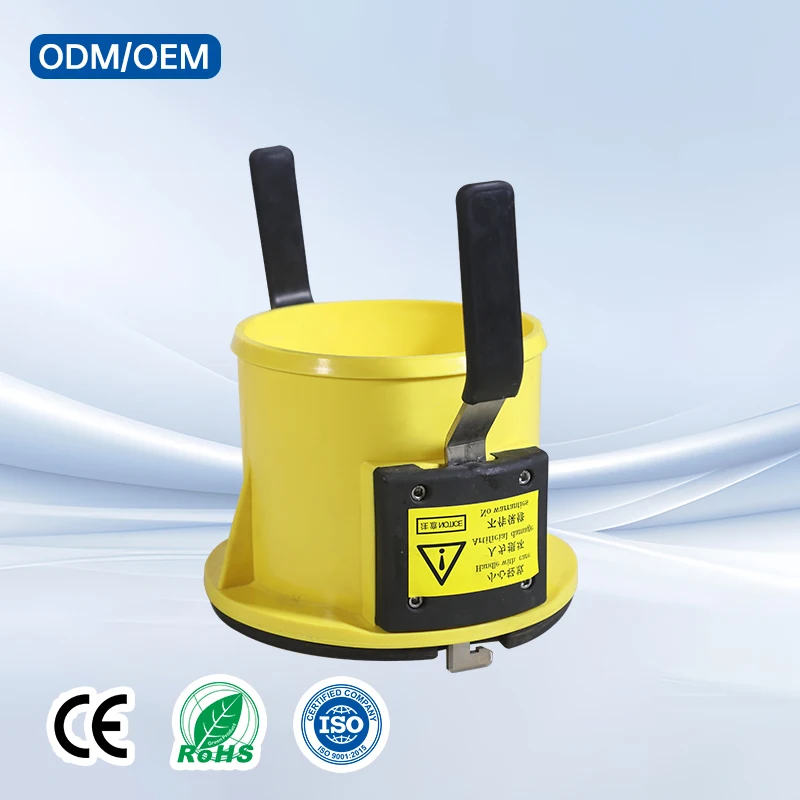
| Connection Method | Zipper and Velcro link |
| Outer Layer Color | Yellow-black alternating protective coloring |
| Logo Customization | Supported, MOQ 100 |
| Pattern Customization | Supported, MOQ 100 |
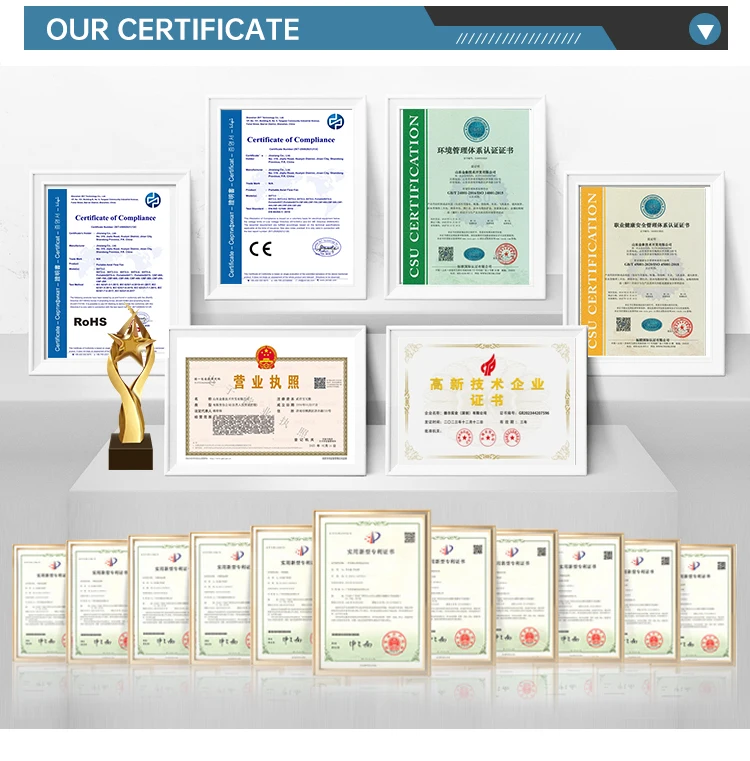
| Standards | ISO, CE (verify applicability to aviation ground equipment) |
Application Suitability
| Application | Exposure & Requirement |
|---|---|
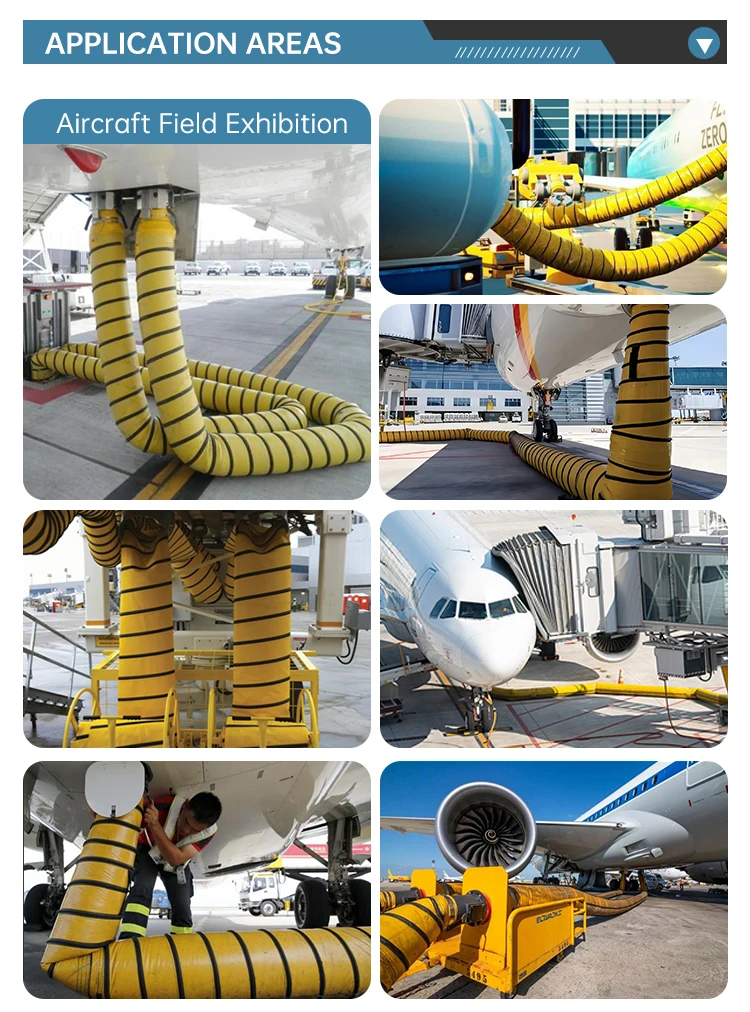
| Airport apron PCA unit-to-aircraft cabin connection | Constant flexing, fuel and de-icing fluid exposure, temperature fluctuation, ground vehicle traffic |
| Ground support equipment air conditioning hose | High-visibility safety compliance, rapid deployment and teardown between aircraft turnarounds |
| Aircraft maintenance hangar air distribution | Extended continuous run, mobile PCA unit coupling, indoor climate regulation |
What Fire-Retardant Certification Actually Means for Aviation Ground Equipment
A PCA duct must carry a verified fire-retardant grade — not just a claim — to pass airport safety inspection.
Generic industrial ducts often arrive at the apron without the specific fire classification the site safety protocol demands. Aviation ground support equipment operates in an environment where jet fuel vapour, hot engine exhaust, and electrical ground power units create compounded ignition risk. When procurement specifies "fire retardant" without naming the standard, the delivered duct may meet a building material grade rather than an aviation equipment standard, leading to failed compliance audits or rejected shipments. [NEED_CITE: fire classification requirements for aviation ground support equipment]
Thermal Integrity Across the PCA Supply Chain
The insulation architecture of this Aviation Air Duct uses an aluminum foil bubble film layer bonded beneath the PVC-coated outer shell. This dual-layer construction addresses the core challenge of pre-conditioned air transmission: maintaining the temperature differential between the ground PCA unit output and the aircraft cabin interface. On hot apron surfaces where ambient temperatures exceed the air supply temperature significantly, uninsulated or poorly insulated ducts lose cooling capacity before the air reaches the aircraft. The bubble film structure traps still air pockets that resist convective heat transfer through the duct wall.
Apron Visibility and Ground Safety Compliance
The yellow-black alternating outer colour serves a specific operational function beyond aesthetics. Airport apron environments require high-visibility markings on all ground support equipment to prevent collisions with tow tractors, baggage carts, and fuel tankers operating in close proximity to aircraft. This Aviation Air Duct fire retardant surface treatment ensures the duct remains visually distinct against concrete and asphalt surfaces under both daylight and apron floodlight conditions. The colour pattern is integrated into the PVC coating rather than applied as a surface print, preventing fade or abrasion loss during repeated dragging and repositioning.
How Temperature Rating and Material Construction Interact
The stated -30°C to +150°C range reflects the combined behaviour of the PVC coating and the aluminum foil insulation under thermal stress. At the lower boundary, PVC compounds can become brittle and crack when flexed, while the aluminum foil layer must resist delamination from the bubble film substrate. At the upper boundary, the PVC softening point and the adhesive bonding the insulation layers together become the limiting factors rather than the base fabric itself. The fabric-reinforced PVC layer provides dimensional stability across this range, preventing the duct from collapsing under negative pressure or ballooning at connection points. [NEED_CITE: thermal performance testing methods for insulated flexible ducts] The zipper and Velcro connection system must also maintain seal integrity as the materials expand and contract through temperature cycles during each aircraft turnaround.
The Hidden Cost of Underspecified Ground Air Ducts
When a PCA hose is selected on price or availability alone, the failures appear during operation rather than at delivery. Insulation that performs adequately in temperate climates may allow unacceptable thermal gain in tropical apron conditions, forcing the PCA unit to work harder and increasing turnaround time. Connection systems that lack adequate sealing allow conditioned air to escape at joints, reducing the volume reaching the aircraft cabin. Outer surfaces without fuel and chemical resistance degrade when exposed to Jet A-1 spills or glycol-based de-icing fluids, leading to premature fabric breakdown. [NEED_CITE: common failure modes in aviation ground air supply hoses] These issues compound across a fleet of GSE units, creating maintenance overhead that exceeds the initial procurement saving.
Why Source Your PCA Duct from Jinan Jinxiang
The production facility runs three full coating lines with dedicated quality control at each stage, ensuring batch consistency across multi-hose orders for airport deployments. The R&D team handles custom diameter sizing and connection interface adaptation to match specific PCA unit flange configurations. Pre-shipment inspection covers 100% of finished ducts, checking seam integrity, insulation layer adhesion, and zipper and Velcro function before packing. Custom branding and outer packaging are available at MOQ 100, supporting airport authority logo requirements or GSE fleet identification schemes. Sample development is completed within days for custom diameter or insulation configuration requests, allowing field testing before bulk commitment.
Documentation & Verification
- Material specification sheet stating base fabric construction, coating weight, and insulation layer composition
- Temperature range test data confirming performance boundaries for your climate operating conditions
- Fire-retardant grade report matching the aviation ground equipment standard required by your airport authority
- ISO and CE certificates with scope verification for flexible duct products
- Pre-shipment inspection record covering seam strength, insulation adhesion, and connection system function
Fabrication, Handling & Storage
- Heat-weld seam parameters must account for the aluminum foil insulation layer thickness to achieve full adhesion without burning through the PVC coating
- Zipper and Velcro connections require alignment verification before each deployment to prevent air leakage at joint points
- Store rolled ducts flat or on large-diameter cores to prevent permanent creasing of the aluminum foil bubble insulation layer
- Avoid dragging the yellow-black PVC outer surface across sharp concrete edges during apron deployment to prevent coating abrasion
- Clean with mild detergent only; solvents and jet fuel contact must be wiped immediately to prevent PVC softening
Requesting a Quotation for Your PCA Duct Requirements
Provide the flange diameter and connection interface type of your existing PCA units so we can confirm dimensional compatibility. Specify the fire-retardant standard and any anti-static surface resistance requirement mandated by your airport safety protocol. Include your typical ambient temperature range and desired duct length per section to ensure the insulation specification matches your operating environment.
Frequently Asked Questions
Q: What fire-retardant standard does this PCA duct meet for airport use?
A: The fire-retardant grade for this Aviation Air Duct aftermarket supplier product requires verification against your specific airport authority standard. Request the test report during inquiry to confirm the applicable classification. Different airports reference different standards for ground support equipment, and we provide documentation matching your requirement upon confirmation.
Q: How is the insulation layer constructed and what is the verified temperature range?
A: The insulation uses an aluminum foil bubble film layer bonded beneath the PVC-coated outer fabric. The rated range is -30°C to +150°C. Thermal performance under your specific climate conditions should be confirmed with test data, as ambient temperature and solar loading on the apron affect actual cooling capacity delivered to the aircraft cabin.
Q: Can the duct diameter and length be customized to specific PCA unit models?
A: Yes, diameter and length customization is available with MOQ 100 per configuration. Provide your PCA unit flange size and aircraft interface type during inquiry. The R&D team develops samples within days for field testing, allowing you to verify fitment and airflow performance before committing to a bulk order.
Q: What anti-static certification is available for apron ground equipment compliance?
A: Anti-static surface resistance is not confirmed in the base specification. If your airport safety protocol requires a specific surface resistivity value for ground support equipment, state this requirement during inquiry. We will confirm whether the standard PVC coating meets your threshold or whether an anti-static treatment must be applied.
Q: How are seams and joints sealed to prevent air leakage at flex points?
A: The duct uses a combination of heat-welded longitudinal seams and zipper-and-Velcro connection joints. Seam integrity is checked during pre-shipment inspection. At connection points, the zipper provides mechanical closure while the Velcro overlap adds secondary sealing. Confirm your required maximum allowable leakage rate so we can adjust seam construction accordingly.