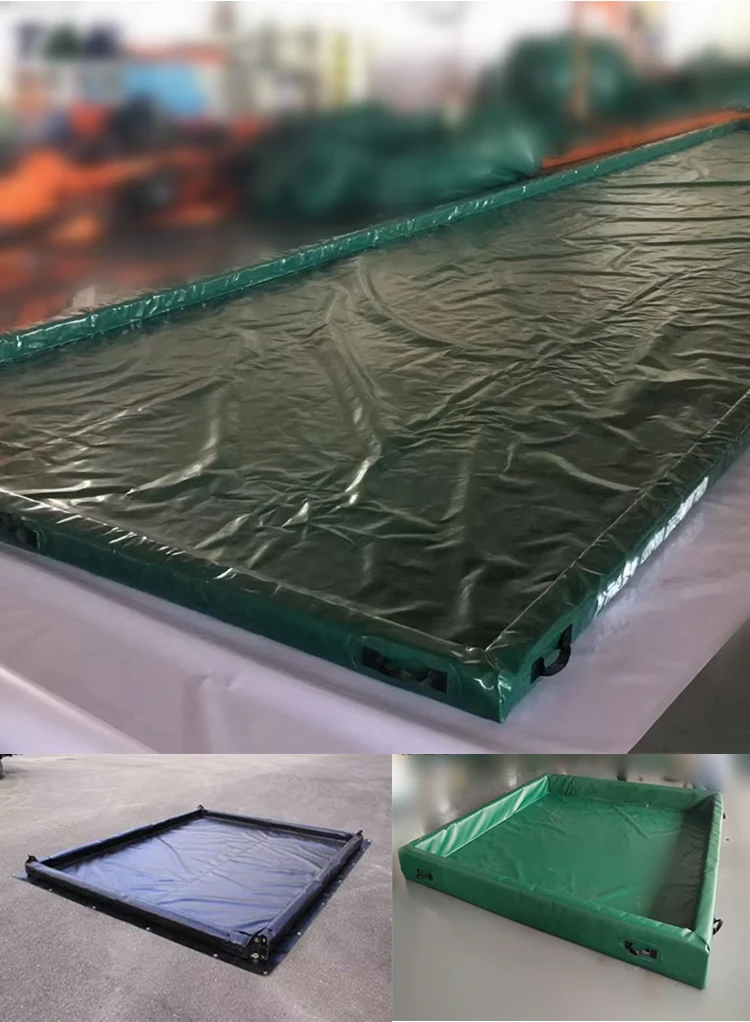
Description
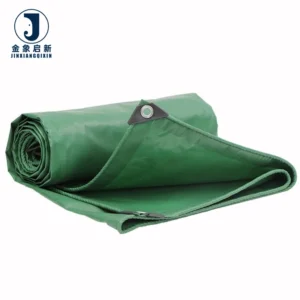
Bulk Roll Consistency — every roll of PVC Car Wash Containment Mat is weighed and inspected against the approved GSM and colour reference before loading, ensuring uniformity across the entire shipment.
Technical Specifications
| Parameter | Value |
|---|---|
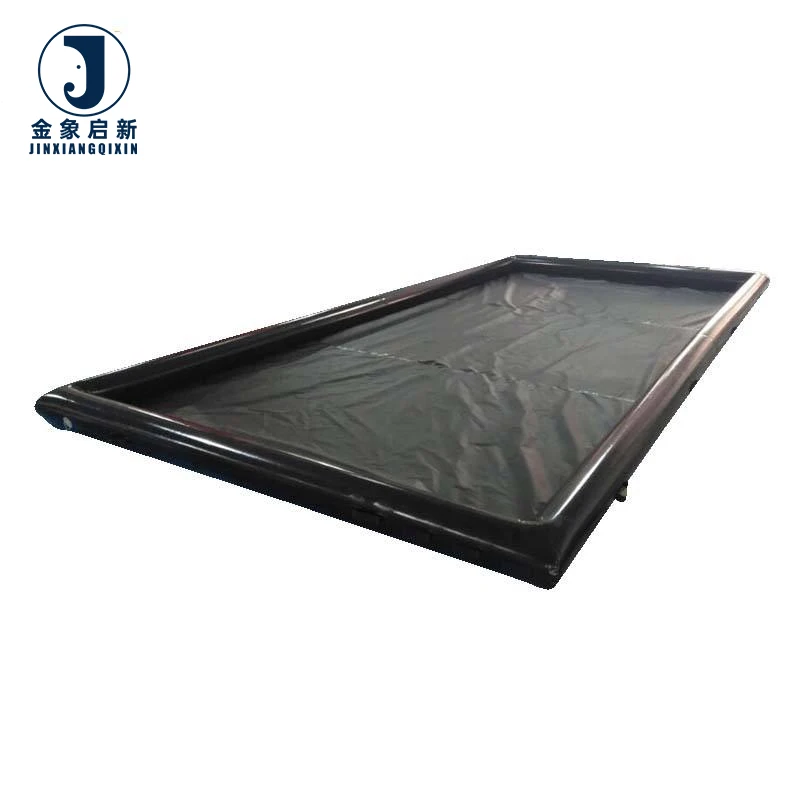
| Product Type | PVC Car Wash Containment Mat |
| Material | PVC Tarpaulin |
| Weight | 900gsm |
| Weave Type | Plain Woven Warp |
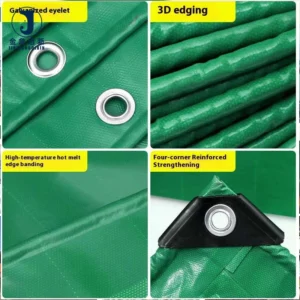
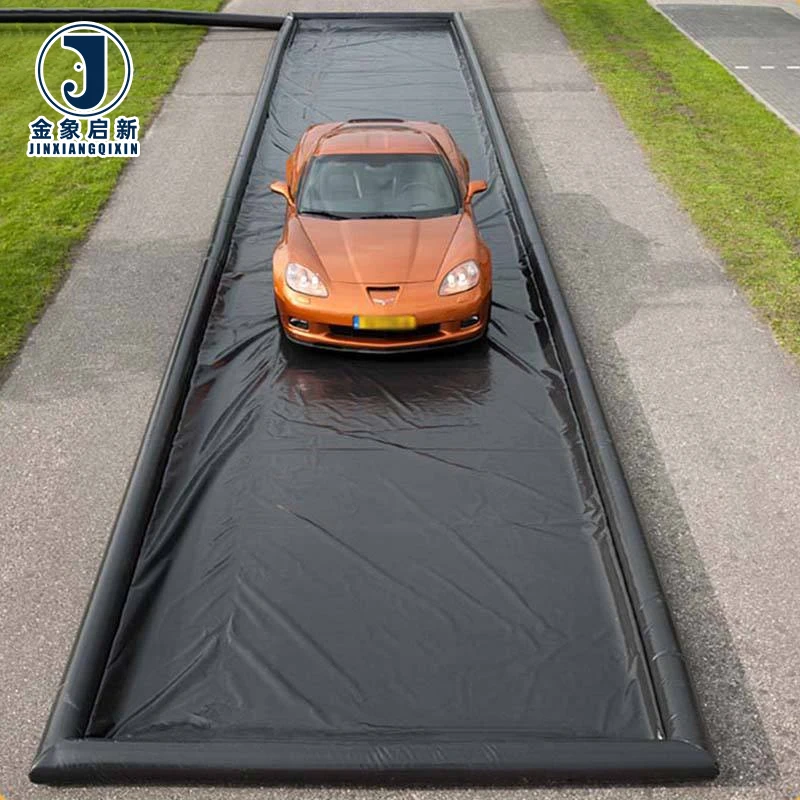
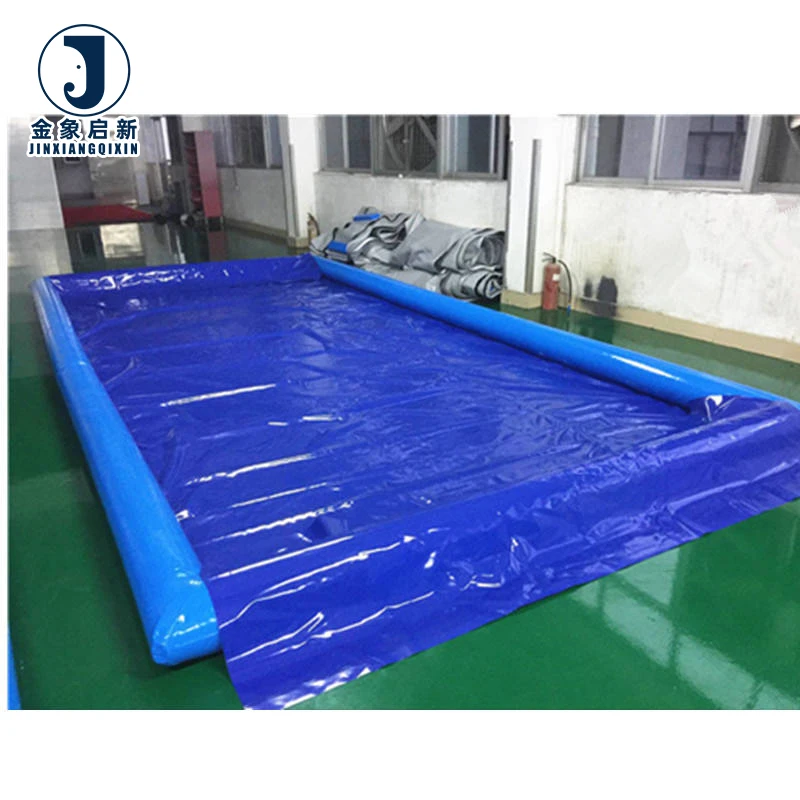
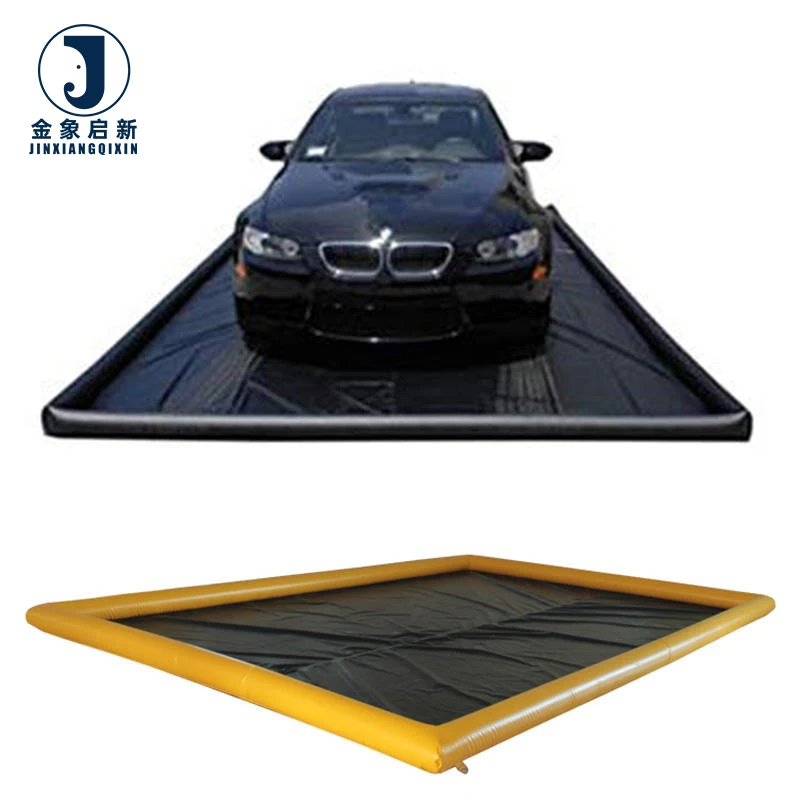
| Edge Construction | Foam Barriers |
| Surface Finish | Anti-slip Surface |
| Treatment | Waterproof, UV Stabilized (test basis not stated in source) |
| Customization | Custom Sizes Available |
Application Suitability
| Application | Exposure & Requirement |
|---|---|
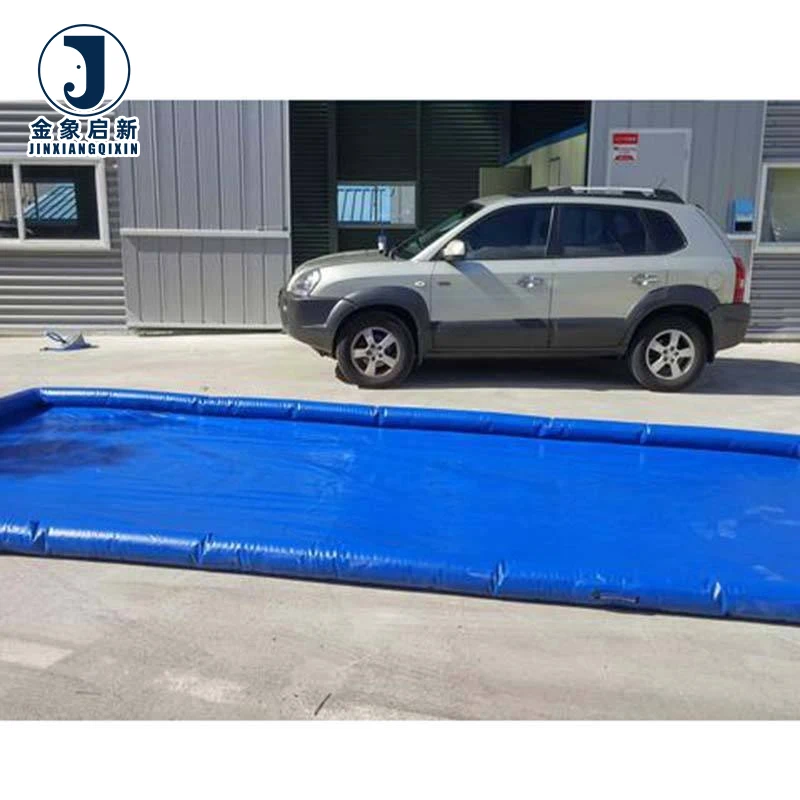
| Dealership Vehicle Wash Bays | Constant water flow, chemical detergents, daily tire compression on foam edges |
| Fleet and Truck Wash Stations | Heavy axle loads, high-pressure rinse runoff, oil and grease spill containment |
| Industrial OEM Wash Areas | Continuous shift operation, forklift traffic, compliance with runoff regulations |
| Garage Maintenance Flooring | Dropped tools, jack stand pressure points, solvent exposure from fluid drainage |
Why GSM Claims Fail When the Mat Hits the Wash Bay Floor
Consistent 900gsm weight across the full roll batch is the baseline that prevents premature failure at high-traffic drive-on zones.
Many buyers specify a GSM figure on the purchase order, only to receive rolls that measure lighter when cut and weighed on arrival. For a PVC Car Wash Containment Mat deployed in a commercial wash environment, even a marginal shortfall in coating weight reduces puncture resistance where vehicle tires repeatedly track across the foam barrier edge. This thinning at the compression zone is typically where water first escapes containment, undermining the entire purpose of the mat system. [NEED_CITE: ISO 3801 mass per unit area determination for coated fabrics]
Maintaining Roll-to-Roll Uniformity Across Bulk Orders
When you are fitting out multiple dealership wash bays or stocking a distribution network, colour and weight variation between rolls creates visible mismatch once the mats are laid side by side. Our PVC Car Wash Containment Mat production runs are tracked per batch, with each roll measured against the master colour card and a verified 900gsm reference sample before it enters packing. Buyers ordering container-load quantities receive a roll packing list that identifies the weight and production date for every unit, so you can trace any on-site concern back to the exact production run.
Container Loading and Transit Protection for Roll Stock
Shipping PVC Car Wash Containment Mat rolls in bulk demands attention to how the load bears on itself during ocean transit. Rolls are packed vertically or horizontally depending on container dimensions, with interleaving protection to prevent compression marks on the anti-slip surface. The loading plan specifies roll count, gross weight and cubic utilisation, so your logistics team knows exactly what is arriving at port. [NEED_CITE: container loading best practices for heavy coated fabric rolls]
Reading the Specification Sheet Beyond the Weight Number
The 900gsm weight of this PVC Car Wash Containment Mat is a composite figure — it includes both the PVC coating and the plain woven warp base fabric underneath. A heavier coating applied over a loosely woven base will feel substantial on the scale but can delaminate under repeated flexing at the foam barrier junction. Conversely, a tightly woven base with a balanced coating weight delivers better tear propagation resistance, meaning a small cut from a dropped tool or sharp debris is far less likely to spread across the mat surface. Understanding this relationship between base fabric density and coating mass is critical when comparing quotations that quote only the total GSM without disclosing the base fabric specification.
The Cost of Overlooking Edge Construction in Containment Mats
Foam barriers on a wash bay mat serve a structural purpose, not merely a cosmetic one. If the foam density is insufficient for the volume of water your wash cycle generates, the barrier compresses flat under vehicle tires and allows contaminated runoff to breach the containment perimeter. Buyers who focus exclusively on the PVC sheet specification without verifying the foam edge height and recovery rate frequently discover the failure only after the first week of live operation. [NEED_CITE: containment performance requirements for commercial vehicle wash facilities]
Why Volume Buyers Source This PVC Car Wash Containment Mat Here
Three full production lines with 36 sets of professional equipment support container-scale roll output with consistent delivery scheduling across repeat orders. A 10-person R&D team handles custom width and length development, producing confirmation samples within days so you can validate the anti-slip surface texture and foam edge profile before committing to bulk. Dedicated QA/QC stages at every production point include in-line coating weight checks and a 100% pre-shipment inspection, documented with a roll-by-roll packing list. Nearly 30 years of focused coated fabric experience means the process controls that govern GSM consistency and colour matching are embedded in standard operating procedure, not treated as optional add-ons.
Documentation & Verification
- Material specification sheet confirming 900gsm weight, PVC coating type and plain woven warp base fabric construction
- Pre-shipment inspection record documenting batch colour match and per-roll weight verification against agreed tolerance
- Roll packing list stating individual roll dimensions, net weight and production batch reference for traceability
- Container loading plan detailing roll count, gross weight and cubic metre utilisation for freight planning
- Certificate of origin and customs documentation prepared per destination country requirements
Fabrication, Handling & Storage
- Heat-weld seam parameters must account for the 900gsm total weight; test weld samples before full production runs
- Foam barrier edges require careful handling during unrolling to avoid permanent creasing at the containment perimeter
- Store rolls upright on end caps or horizontal on flat racking to prevent compression flat spots on the anti-slip surface
- Allow material to acclimatise before unrolling in cold conditions to avoid stiffness-related cracking in the PVC coating
- Use mild detergent cleaners compatible with PVC surfaces; avoid solvent-based degreasers that attack the coating layer
What We Need From Your Enquiry
Provide the wash bay dimensions or required roll widths and lengths so we can calculate yield and recommend the most efficient cutting layout. Specify the volume of water your typical wash cycle generates so we can confirm the foam barrier height is adequate for containment. If you have colour requirements tied to dealership branding or garage floor aesthetics, share the RAL or Pantone reference for sample development.
Frequently Asked Questions
Q: How do I verify the 900gsm weight claim when the rolls arrive?
A: Cut a measured sample from each roll, weigh it on a calibrated scale, and calculate GSM from the known area. The pre-shipment inspection record supplied with your order documents the factory measurement per roll, giving you a baseline to compare against your incoming check. We recommend testing at least one roll per pallet on receipt.
Q: Can I order custom cut sizes or must I buy full rolls?
A: Both options are available depending on your project requirements. Full-roll orders suit high-volume fit-out contractors cutting on site, while custom cut-size orders reduce waste and labour for buyers installing into pre-measured wash bay layouts. Minimum order thresholds apply to each format and are confirmed at quotation stage.
Q: How is colour consistency maintained across multiple rolls in one order?
A: Every production run is matched against an approved master colour reference, and rolls are inspected side by side under standard lighting before packing. Your shipment includes a roll packing list identifying batch numbers, so any concern can be traced to a specific production date and investigated against retained samples.
Q: What is the best way to load and protect rolls during ocean freight?
A: Rolls are packed with interleaving material to protect the anti-slip surface from compression damage, and the container loading plan specifies roll count, orientation and gross weight. Vertical stacking on end caps is standard for wider widths, while horizontal packing suits narrower rolls and maximises cubic utilisation.