
Description
[Deep Process Control] — Thirty years focused on coated fabric gives us command over every layer of the lamination stack, from foil insulation to PVC outer sheath, ensuring each flexible PCA air duct meets aviation ground support specifications.
Technical Specifications
| Parameter | Value |
|---|---|
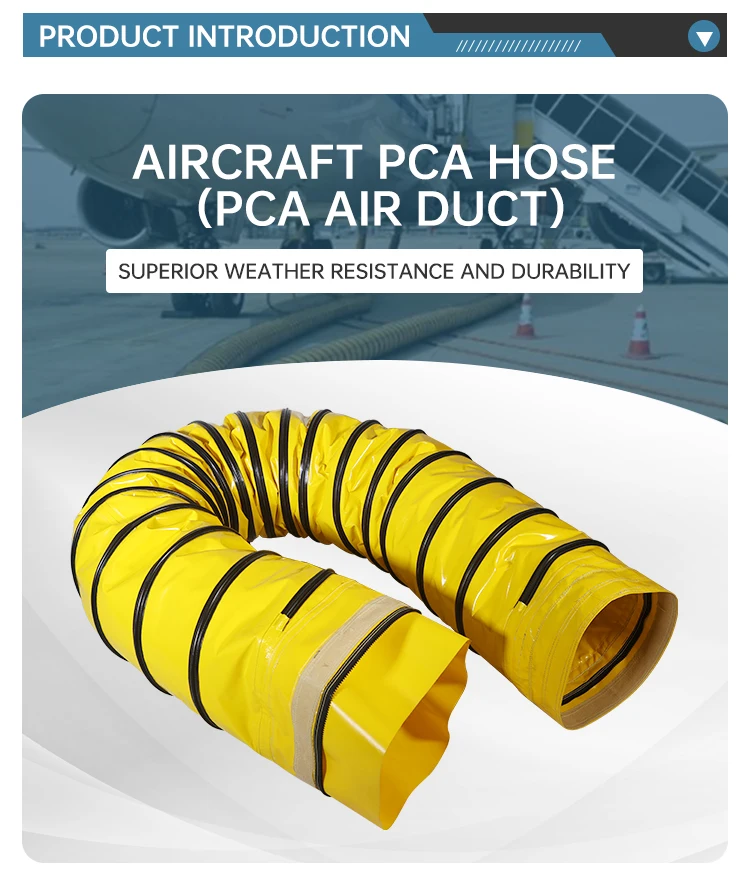
| Product Type | Aircraft PCA Hose (Pre-Conditioned Air Duct) |
| Diameter | 12 Inch |
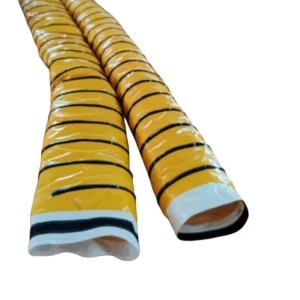
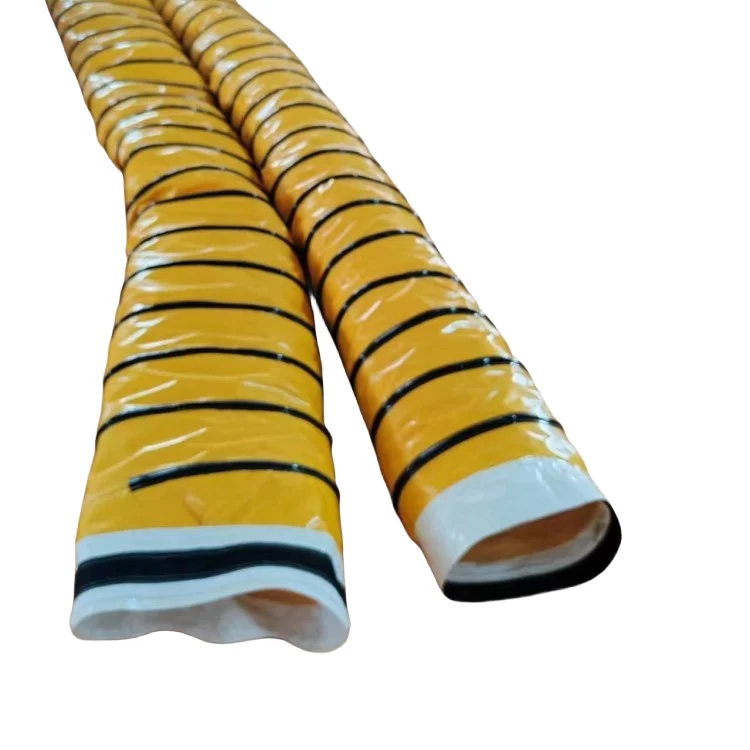
| Material Construction | PVC coated cloth with fabric-reinforced layer |
| Insulation Layer | Built-in aluminum foil bubble film |
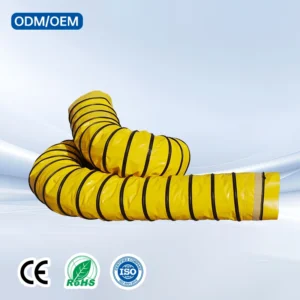
| Outer Layer | Yellow-black alternating protective coloring (high visibility) |
| Temperature Range | -30°C to 150°C |
| Connection Method | Zipper and Velcro link |
| Folding | Foldable for compact apron storage |
| Flame Retardant | Available in flame retardant grades — confirm the grade required for your aviation authority |
| Anti-Static | Available in anti-static grades — verify compliance with your airport safety standard |
| Customization | Logo, outer packaging, and pattern (MOQ 100) |
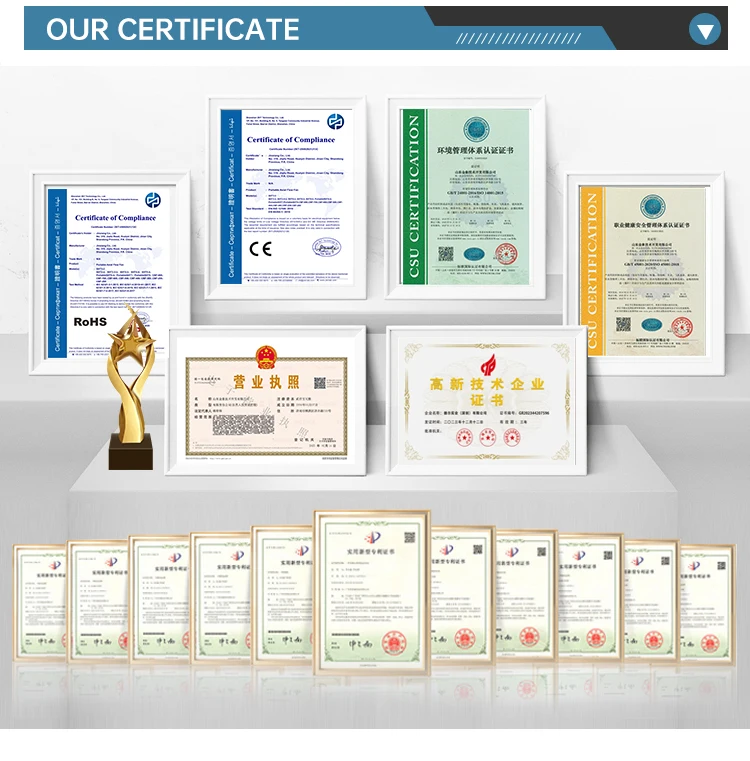
| Standards | ISO, CE (company certification) |
Application Suitability
| Application | Exposure & Requirement |
|---|---|
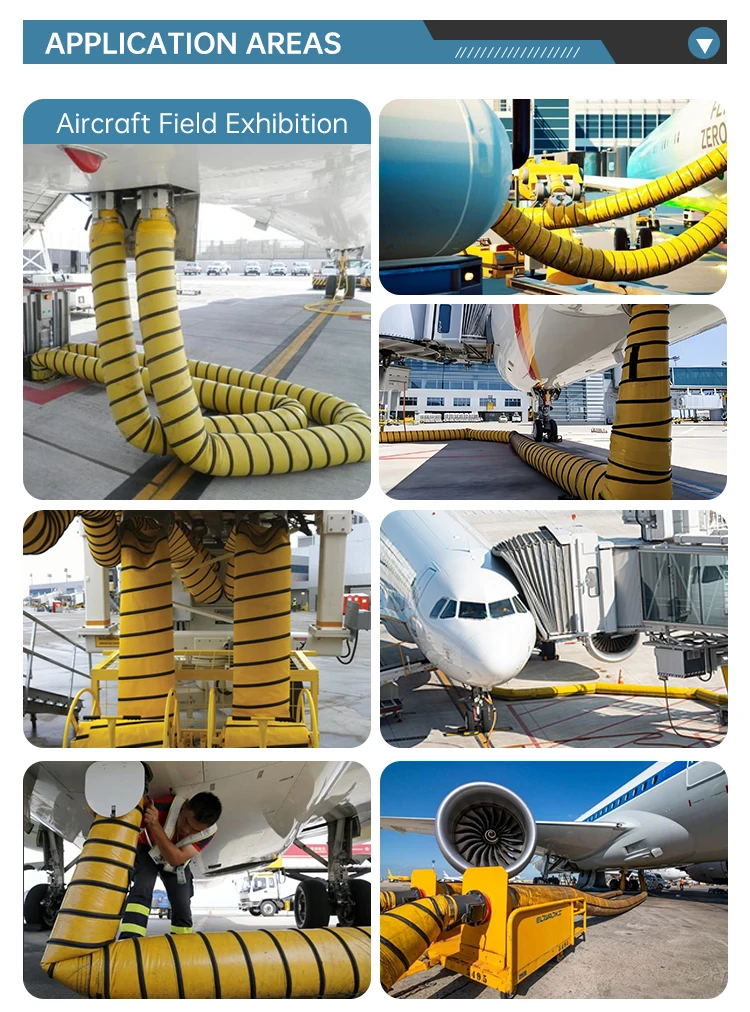
| Airport apron PCA-to-aircraft cabin connection | Repeated deployment and teardown cycles, tarmac abrasion, temperature extremes, high-visibility identification |
| Aviation maintenance hangar temporary climate control | Extended inflated runtime, indoor fire safety compliance, tight clearance around fuselage |
| Military and regional airfield GSE fleets | Harsh outdoor storage, rapid assembly by single operator, compatibility with multiple PCA unit outlets |
Why Certified Ducting Matters on the Apron
Ventilation duct supplied without the fire-retardant or anti-static certification the site requires is the most common failure we see in aviation ground support procurement.
Airport authorities and ground handling operators specify flame retardant and anti-static performance for all materials operating on the apron, yet generic industrial ducting often arrives with no test documentation to back up the claim. A flexible PCA air duct certified to the correct standard eliminates this risk at the gate, not after an audit finding shuts down a servicing bay. [NEED_CITE: ICAO and IATA ground handling safety requirements for materials on aircraft aprons]
Insulation That Survives the Apron Temperature Swing
The built-in aluminum foil bubble film insulation layer is designed to sustain continuous conditioned airflow from -30°C to 150°C without delamination or material degradation. This range covers the full operational envelope encountered when a flexible PCA air duct certified for aviation use transmits pre-conditioned cold air on a summer tarmac or warm air during winter turnaround, preventing condensation build-up inside the duct wall that adds dead weight and reduces thermal efficiency.
High-Visibility Construction for Tarmac Safety
The yellow-black alternating outer coloring is not cosmetic — it meets the visual identification standard required on busy aprons where ground crew, tow tractors and fuel trucks share limited space. The PVC-coated fabric-reinforced outer layer provides mildew resistance and water resistance, protecting the insulation core from jet blast wash, de-icing fluid splash, and the mechanical abrasion of being dragged across concrete between aircraft servicing cycles. [NEED_CITE: airport apron safety color coding standards for ground support equipment]
Decoding the Material Stack and Temperature Rating
The three-layer construction — PVC-coated outer fabric, fabric-reinforced structural layer, and aluminum foil bubble film insulation — each serves a distinct function. The outer PVC coating shields against mechanical damage and chemical exposure common on aprons, while the fabric-reinforced layer carries the structural load when the duct is fully inflated under positive pressure. The aluminum foil bubble film provides thermal continuity across the -30°C to 150°C operating range, preventing the cold spots that cause internal condensation and the hot spots that soften PVC beyond its working limit. Understanding how these layers interact matters because a failure in any single layer compromises the entire duct, not just that section.
The Hidden Cost of Undocumented Compliance
Ground support equipment distributors who source ducting based on price alone frequently discover the problem at the airport audit stage, when the authority requests fire-retardant or anti-static test reports that do not exist. At that point, the entire duct inventory may need replacement, and the operator faces service interruptions during peak turnaround schedules. Equally costly is insulation that degrades after repeated thermal cycles, reducing airflow efficiency and forcing the PCA unit to work harder — increasing fuel burn on mobile units and energy draw on fixed installations without any visible external sign of failure. [NEED_CITE: thermal degradation testing methods for insulated flexible ducting]
Why Source This PCA Duct from Jinxiang
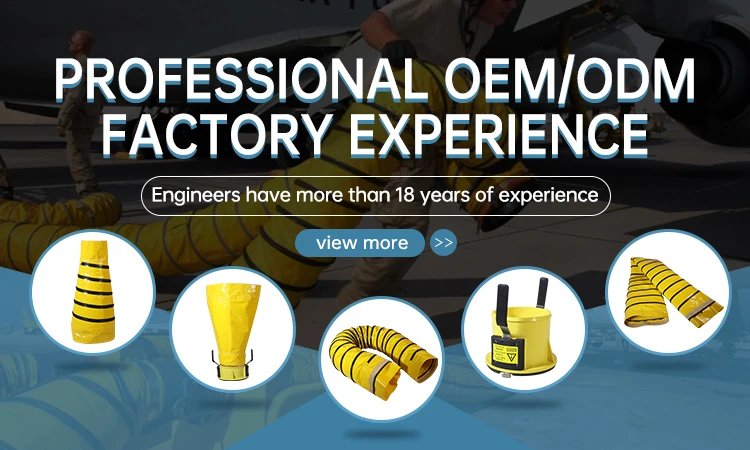
Our 10-person R&D team handles material selection and sample development specifically for aviation duct applications, not generic HVAC reuse. Three full production lines and 36 sets of equipment support the volume consistency that GSE fleet operators need when replacing ducts across multiple apron stations. Dedicated QA/QC runs at every production stage with 100% inspection before shipment, verifying diameter, connection hardware integrity, and insulation layer continuity on every unit. Samples for custom diameter or branding requirements are developed within days, allowing procurement teams to validate fitment before committing to a container load. ISO and CE certification at the company level provides the audit trail that airport authorities require during vendor qualification.
Documentation & Verification
- Material specification sheet stating coating composition, insulation layer type, and temperature range for each batch
- Fire-retardant and anti-static test reports matched to the aviation authority standard specified in your purchase order
- Pre-shipment inspection record confirming 12-inch diameter, section length, and zipper/Velcro hardware function
- Certificate of origin and customs documentation prepared for international airport procurement channels
- Roll packing list with individual duct identification for GSE asset tracking upon receipt
Fabrication, Handling & Storage
- Zipper and Velcro connections should be aligned before pressurization to avoid uneven stress on the PVC-coated fabric seams
- Store folded ducts in the supplied paper box away from direct UV to prevent yellow-black outer layer fading
- Deploy on clean apron surfaces; tarmac debris can puncture the aluminum foil bubble film insulation if dragged
- Clean outer PVC layer with mild detergent only — solvents degrade the coating and compromise water resistance
- Inspect Velcro hook surfaces after each deployment cycle; tarmac grit reduces connection grip over time
Requesting a Quotation
To provide an accurate specification, share the PCA unit outlet diameter and the typical duct run length at your apron layout, along with the fire-retardant or anti-static standard your airport authority mandates. If custom branding or color is required for fleet identification, confirm the pattern and order volume so we can verify the MOQ threshold. Let us know whether you need finished sections with connection hardware pre-installed or continuous lengths for on-site assembly.
Frequently Asked Questions
Q: What PCA unit outlet sizes does this 12-inch duct fit?
A: The 12-inch diameter is designed to connect to standard Pre-Conditioned Air unit outlets used for narrow-body and regional aircraft cabin interfaces. The zipper and Velcro connection system accommodates minor size variations between PCA unit models. For non-standard outlet dimensions, custom diameters can be developed against your specific GSE fleet drawings.
Q: Is the duct flame-retardant certified for airport apron use?
A: We supply this duct in flame retardant grades and provide the corresponding test report matched to your aviation authority’s requirement. The specific certification must be confirmed at inquiry stage, as different airports and jurisdictions reference different standards. We do not ship without documentation that matches your compliance obligation.
Q: Can I order custom lengths or diameters for specific aircraft models?
A: Custom diameters and section lengths are available, along with logo, pattern, and outer packaging customization at a minimum order of 100 units. The R&D team develops samples within days so you can verify fitment to your specific aircraft interface and PCA unit before production commitment.
Q: How is the duct packed and shipped to prevent creasing or damage?
A: Each duct is folded and packed in a paper box designed to protect the aluminum foil insulation layer during transit. The foldable construction is engineered to recover its full circular cross-section upon deployment without permanent creasing that would restrict airflow or create internal turbulence.
Q: What is the typical service life under daily apron deployment conditions?
A: Service life depends on deployment frequency, tarmac surface conditions, and adherence to cleaning and storage protocols. The PVC-coated outer layer and fabric-reinforced structural layer are selected for repeated handling cycles, while zipper and Velcro connections are designed for daily assembly and teardown without premature wear.