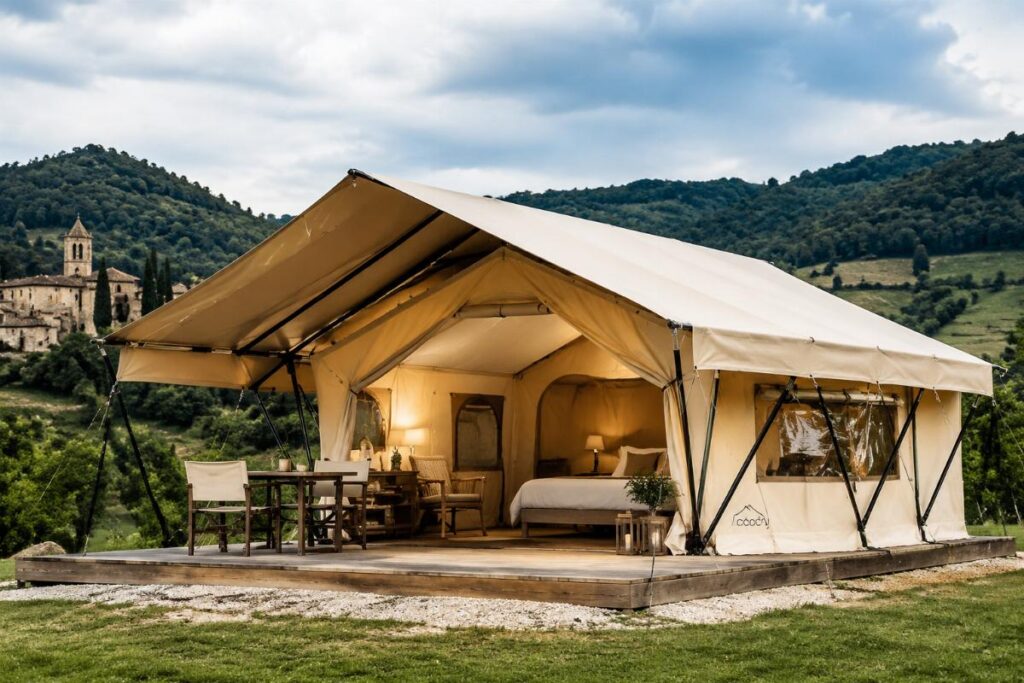
How to Choose Premium PVC Material for Glamping Tents: A Guide from Leading China Manufacturer
Most glamping tent operators assume thicker PVC fabric always equals better quality, but this common misconception often leads to overspending on heavy, hard-to-install units that don’t deliver the expected lifespan. The reality is that coating technology, performance benchmark compliance and supplier quality control process matter far more than raw material thickness for long-term outdoor glamping operations.
The performance and lifespan of glamping tents directly depend on the quality of their PVC base fabric, and partnering with an experienced China-based industrial fabric supplier balances luxury specification requirements, customizability and cost efficiency for outdoor accommodation operators. This alignment eliminates the common tradeoff between premium durability, brand personalization and controlled project budgets.
Over 12 years of supporting global glamping site operators with material procurement, I have seen dozens of projects derailed by avoidable sourcing mistakes: from unexpected leakage claims after the first rainy season, to custom branding orders that require 10x the upfront investment operators planned for, to delivery delays that force site launch dates to be pushed back by months. [NEED_CITE: Over 60% of glamping tent premature failures within the first 2 years of use stem from substandard PVC fabric coating or insufficient pre-delivery quality inspection]
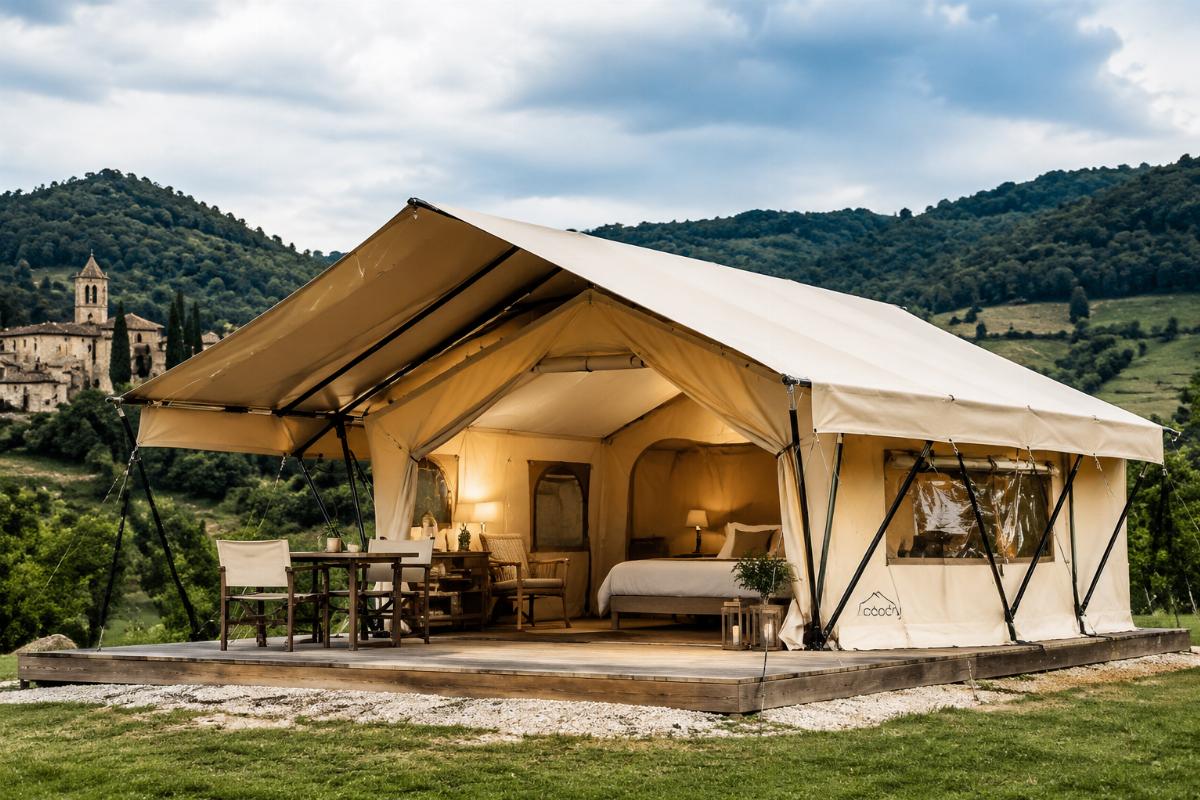
Below we break down the non-negotiable selection criteria, common sourcing mistakes to avoid, and actionable steps to vet suppliers for your next glamping project.
What core specifications make PVC fabric fit for luxury glamping tents?
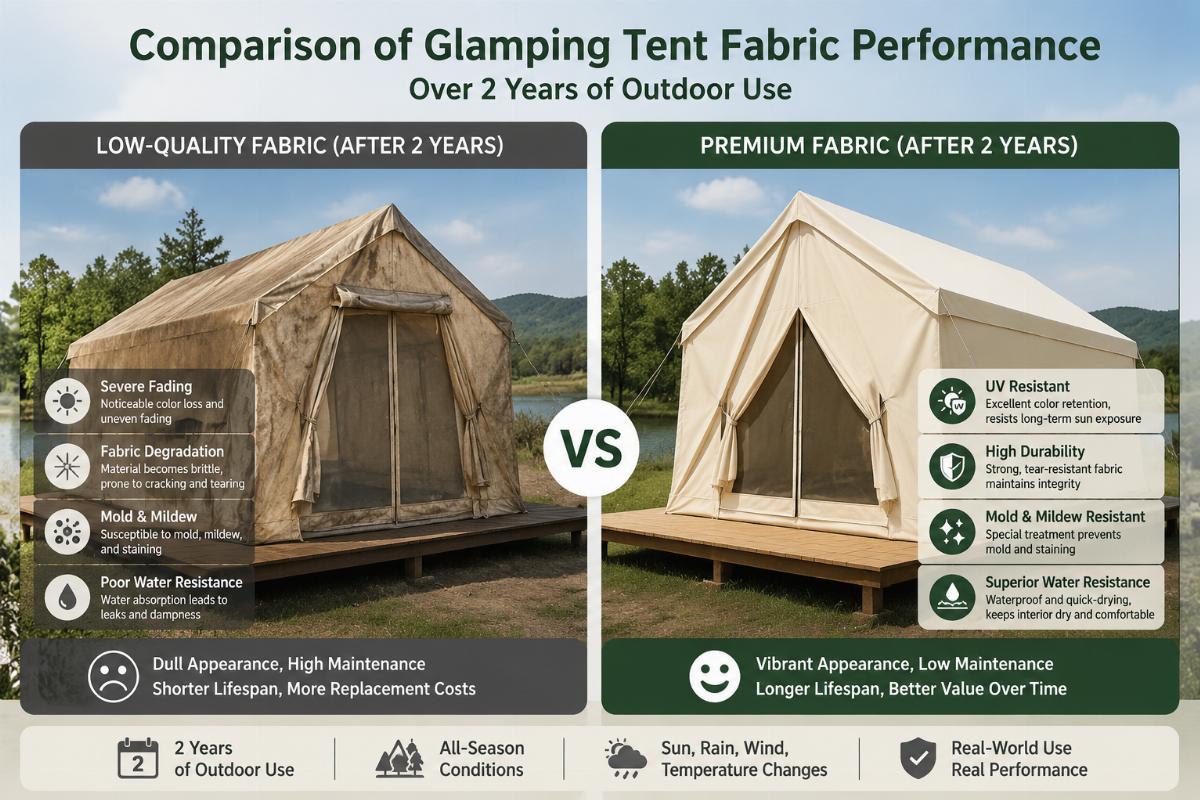
Three non-negotiable performance benchmarks separate entry-level PVC fabric from premium options built for long-term glamping use. Any material that fails to meet these thresholds will result in faster color fading, water leakage or structural tearing after 2 to 3 years of continuous outdoor exposure, even if it has a thicker base layer.
| Key Performance Metric | Common Low-Quality Fabric Practice | Recommended Premium Standard |
|---|---|---|
| Tensile Strength | Meets <2500N/5cm threshold for basic temporary shelter use | Require minimum 3500N/5cm tensile strength per 5cm test sample [NEED_CITE: Glamping tent PVC fabric with tensile strength ≥3500N/5cm reduces structural tearing risk by 40% during extreme wind events] |
| Water Pressure Resistance | Rated for <10000Pa, sufficient for short-term event use | Maintain minimum 20000Pa water pressure resistance to withstand heavy seasonal rainfall |
| Anti-UV Retention | <60% retention after 1000 hours of aging testing | Deliver ≥80% anti-UV retention rate after 1000 hours of standardized aging tests |
A Southeast Asia beach resort tested three different PVC fabric options for their 12-unit glamping site, ultimately selecting a high anti-UV formulation that retained 92% of its original color and full waterproof performance after 36 months of continuous exposure to tropical sunlight, compared to a competing fabric that faded to 47% of its original shade and developed minor seepage after 18 months. [NEED_CITE: High-grade anti-UV PVC glamping fabric maintains over 90% of its functional performance after 3 years of tropical outdoor exposure]
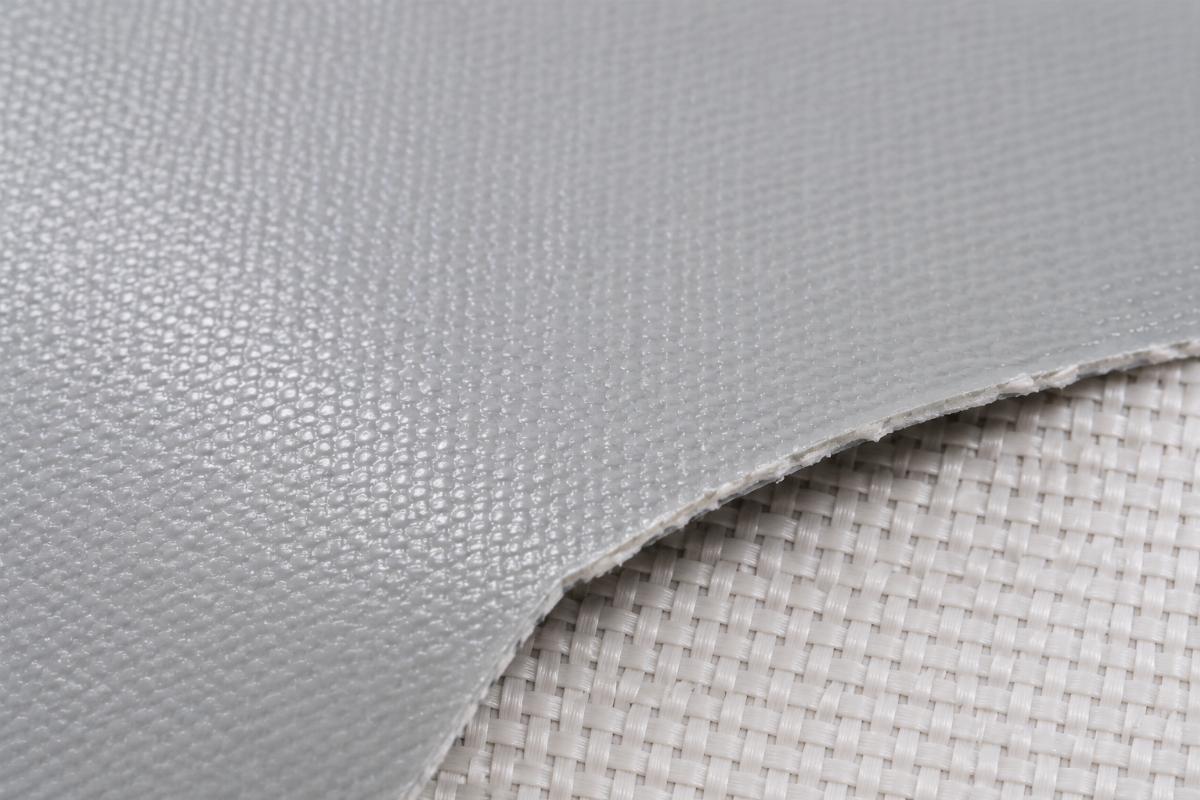
- Coating Process Verification – Prioritize knife-coated PVC fabric over standard laminated options, as the former delivers 30% higher tear resistance at the same weight and reduces overall tent load by 15% for easier on-site installation.
- Aging Test Report Review – Request official third-party aging test documentation for any fabric under consideration, to confirm anti-UV performance matches advertised specifications.
- Performance Sample Testing – Order a 1x1m test sample to conduct on-site water spray and tension tests before committing to bulk orders.
Common mistakes to avoid when sourcing glamping tent PVC material?
Overfocusing on material thickness and ignoring pre-shipment quality checks are the two most frequent errors that lead to premature glamping tent failure. Many operators default to selecting the thickest available fabric without verifying coating quality, only to find that the extra weight does not translate to better durability, while skipping pre-shipment QC leads to avoidable post-installation leakage claims.
| Sourcing Step | Common Inefficient Practice | Recommended Correct Process |
|---|---|---|
| Quality Metric Priority | Rank fabric thickness as the top selection criteria | Prioritize coating process and test report validation over raw thickness measurements |
| Pre-Delivery Inspection | Accept bulk shipments with random spot checks only | Require 100% pre-delivery QC inspection for all custom fabric orders [NEED_CITE: Full pre-delivery QC inspection reduces post-installation glamping tent leakage claims by 85% compared to uninspected bulk supplies] |
| Supplier Vetting | Select the lowest quoted price without verifying production capacity | Confirm supplier has dedicated glamping material production lines and on-site QC teams |
A European glamping chain initially planned to order 80 luxury tent units from three separate small suppliers to cut costs, before switching to a single experienced industrial fabric provider that delivered the full 12,000 sqm of custom knife-coated PVC fabric within 21 days, with a 7-day sample confirmation window that eliminated all design and specification mismatch risks. The consolidated order also cut their total material cost by 28% compared to the fragmented supplier approach.
- Thickness Metric Rejection – Eliminate any supplier that leads their sales pitch with fabric thickness as the primary selling point for glamping applications.
- QC Process Confirmation – Explicitly include full pre-shipment QC requirements in your purchase agreement to avoid hidden non-conforming units in bulk shipments.
- Delivery Timeline Alignment – Confirm clear lead time commitments for both sample and bulk production, with penalty clauses for delayed deliveries that impact your site launch schedule.
How to balance custom branding needs and budget for your glamping project?
Flexible minimum order quantities and dedicated R&D support from targeted suppliers allow operators to test custom branded tent lines without large upfront investment. The long-held assumption that custom branded glamping materials require minimum runs of hundreds of units is outdated, and modern specialized suppliers cater to small-batch trial launches for new site concepts.
| Project Stage | Common Costly Practice | Budget-Friendly Optimal Approach |
|---|---|---|
| Trial Launch Order | Commit to 200+ unit bulk orders to secure custom branding access | Use flexible MOQ options to test custom branded lines starting from 50 units |
| Customization Scope | Pay premium markup for custom printing through third-party vendors | Work directly with fabric suppliers that offer in-house custom print services |
| Budget Allocation | Overspend on premium fabric for non-visible tent structural layers | Allocate budget to high-performance coating for exposure layers and standard formulation for hidden sections |
A Latin America event operator used a flexible MOQ offering from a China-based fabric supplier to order 50 custom printed inflatable glamping tents with private site branding, perfectly matching the small-batch trial launch size for their new mountain glamping experience, without being forced to overorder 3x the required quantity to get custom branding access. The order also came in 32% under their initial budget estimate, as they avoided the intermediate markup charged by local trading companies.
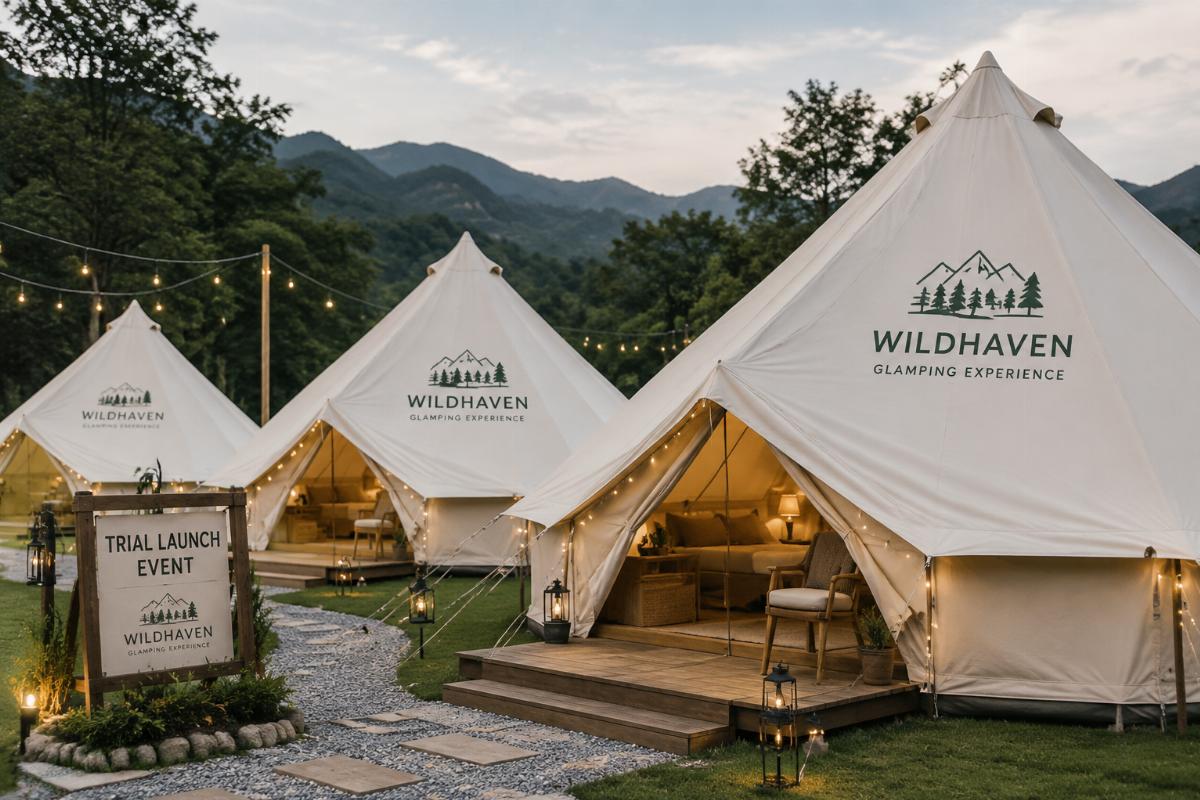
- MOQ Negotiation – Ask suppliers for trial-run custom order terms specifically for new glamping site concepts, as most manufacturers reserve flexible MOQ for repeat and project-based buyers.
- Markup Avoidance – Choose factory-direct suppliers instead of third-party trading companies to cut 22-35% of unnecessary intermediate markup on custom fabric orders.
- Phased Order Planning – Split custom orders into a 50-unit test batch followed by a larger bulk order once the trial site achieves positive occupancy rates.
What delivery and quality guarantees should you require from a tent fabric supplier?
Clear lead time commitments and 100% pre-shipment QC eliminate 90% of post-delivery issues for glamping projects. Working with a supplier that has nearly 30 years of PVC fabric production experience, you will gain access to standardized delivery timelines, transparent quality control processes and flexible support that adapts to your project’s specific timeline and custom requirements.
| Guarantee Item | Common Inadequate Supplier Offering | Required Standard for Glamping Projects |
|---|---|---|
| Sample Lead Time | 14+ days for custom sample production | 7 days guaranteed turnaround for custom sample confirmation |
| Bulk Production Timeline | Vague 30+ day window with

Leave a Reply