Description
Batch-to-batch GSM consistency — Three full production lines with dedicated QA/QC at every stage and 100% pre-shipment inspection ensure every roll meets the quoted weight and colour reference before dispatch.
Technical Specifications
| Parameter | Value |
|---|---|
| Product Type | PVC Coated Tarpaulin |
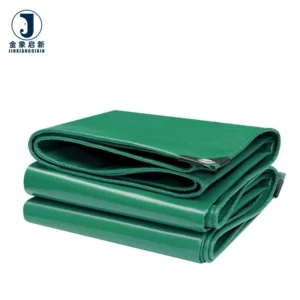
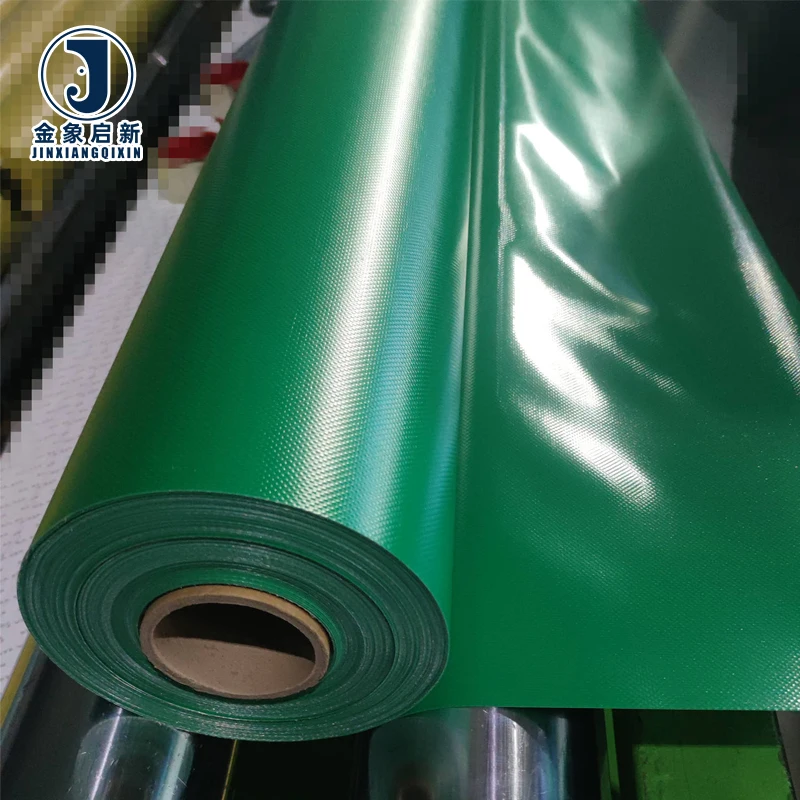
| Material | 100% high toughness polyester yarn with PVC coating |
| Coating Technology | Lamination technology and hot melt coating technology |
| Yarn Denier (Medium-duty) | 500D |
| Thickness (Medium-duty) | 0.35-0.45 mm |
| Weight (Medium-duty) | 400-500 g/m² |
| Tensile Strength (Medium-duty) | Warp 1500-2000 / Weft 1200-1800 N/5cm |
| Yarn Denier (Heavy-duty) | 1000D |
| Thickness (Heavy-duty) | 0.70-1.0 mm |
| Weight (Heavy-duty) | 700-1000 g/m² |
| Tensile Strength (Heavy-duty) | Warp 2000-2500 / Weft 1800-2200 N/5cm |
| Yarn Denier (Super heavy) | 500D-2000D |
| Thickness (Super heavy) | 1.2-1.5 mm |
| Weight (Super heavy) | 1100-1500 g/m² |
| Tensile Strength (Super heavy) | Warp 2500-3000 / Weft 2200-2800 N/5cm |
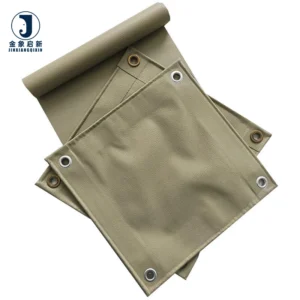
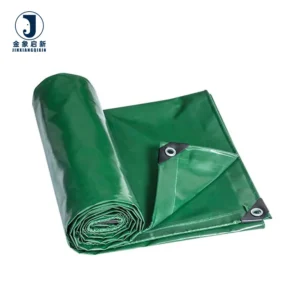
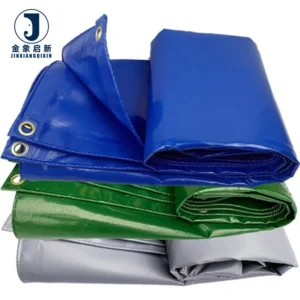
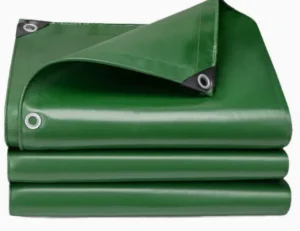
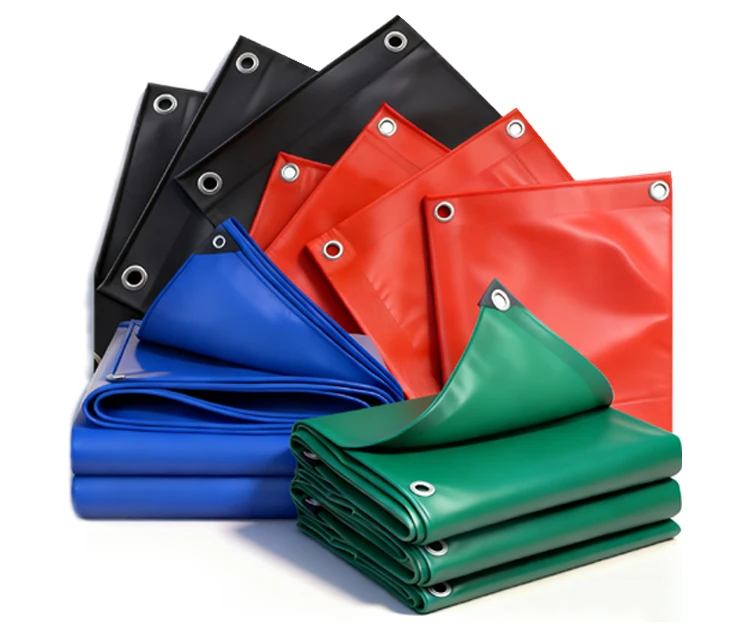
| Color Options | Blue, Blue/Orange, Green, Grey, Black, Clear, Grey/Green, Orange, or custom |
| Weather Resistance | 3-5 years outdoor guarantee |
| Treatment Options | Flame retardant, anti-static, cold resistant, mold proof, UV resistant |
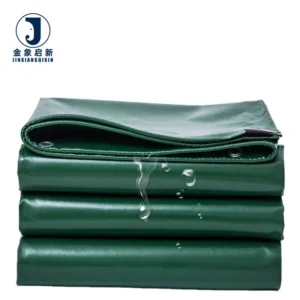
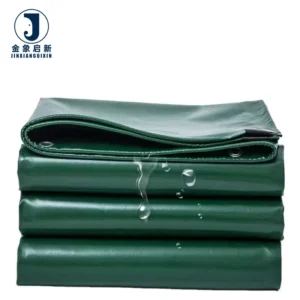
| Key Features | Waterproof |
Application Suitability
| Application | Exposure & Requirement |
|---|---|
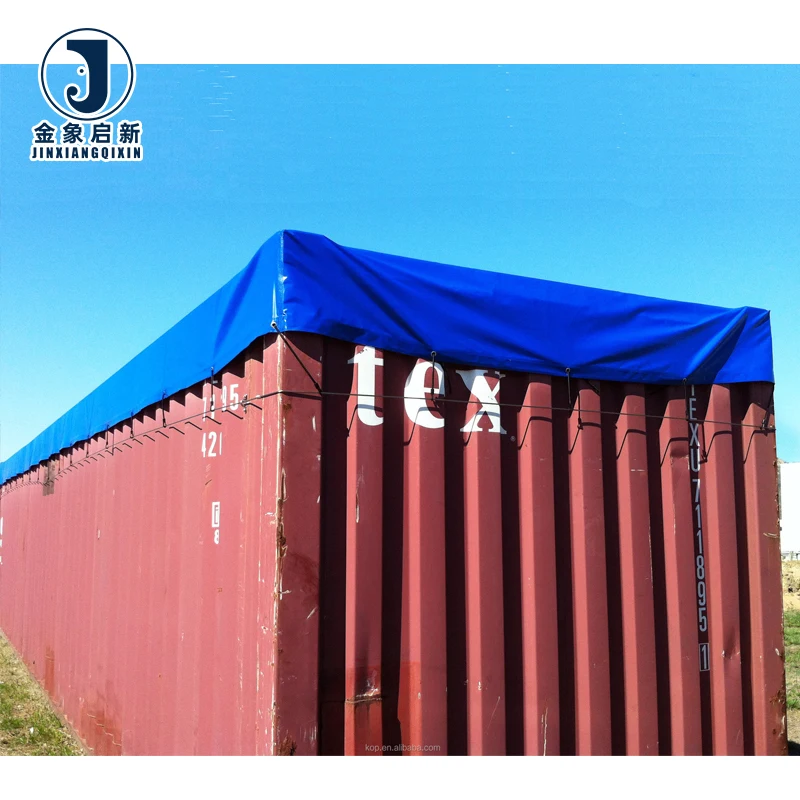
| Truck tarpaulin and side curtains | Constant flexing at load points, road abrasion, UV and weather exposure, wind load during transit |
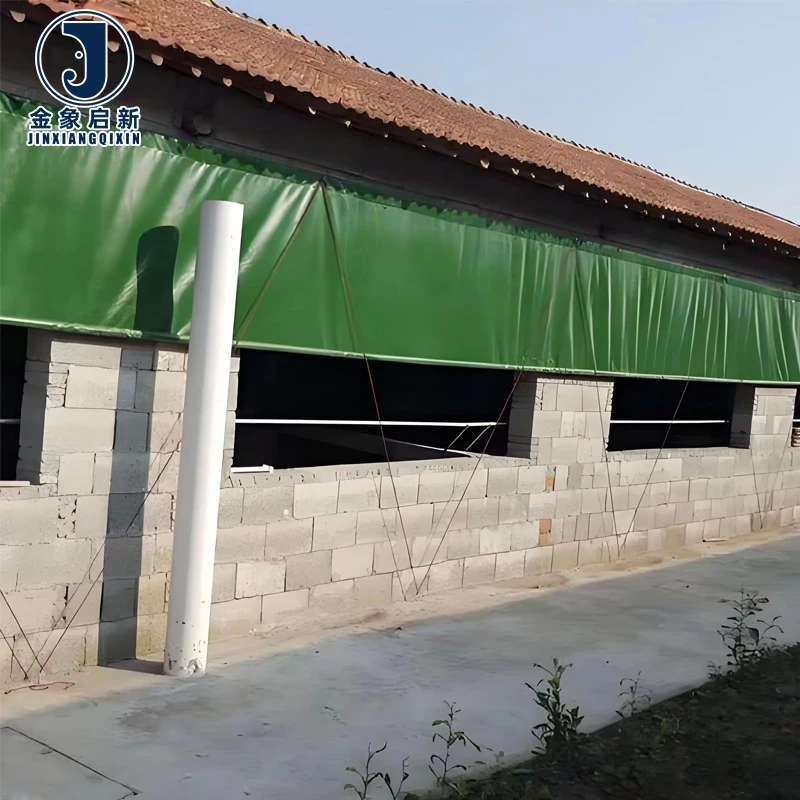
| Lightweight engineering fabric and farm covers | Outdoor weathering, mechanical handling, moderate puncture risk, seasonal UV exposure |
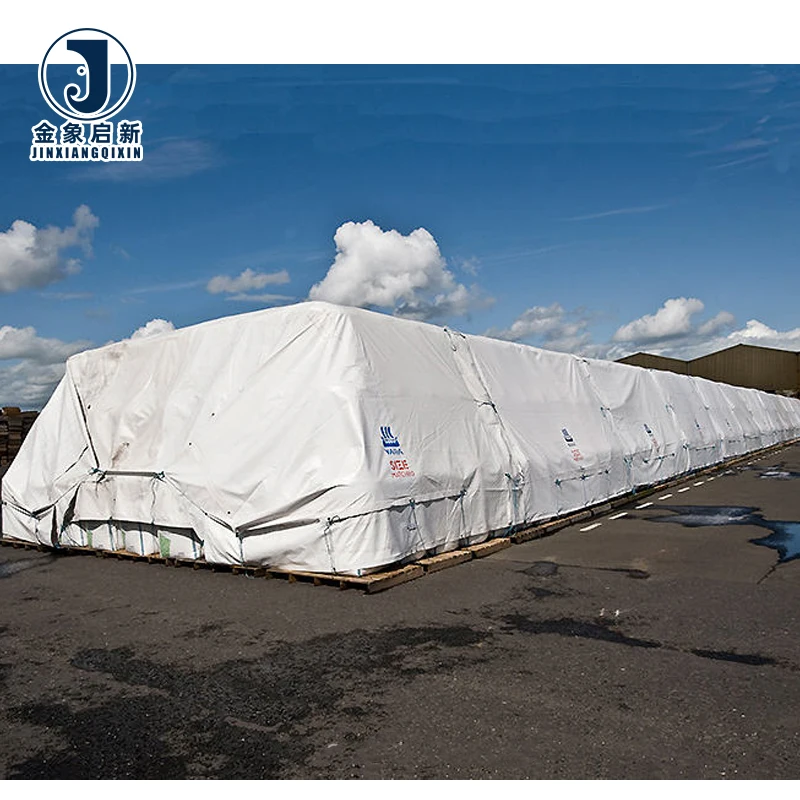
| Heavy truck tarpaulin and engineering protective cloth | High wind load, heavy abrasion from cargo contact, long-term outdoor storage, repeated folding |
| Industrial pipe canopy and tensioned structural fabric | Sustained tension, structural wind and snow load, permanent outdoor exposure, weld seam integrity |
| Construction site protection | Debris impact, water ingress, UV degradation over project duration, daily handling and repositioning |
Why a Quoted GSM Does Not Guarantee the Fabric You Receive
Colour shifting between rolls in the same order, or material arriving lighter than the quotation states, points to gaps in production control rather than specification errors.
When sourcing PVC coated tarpaulin roll aftermarket supplier volumes, buyers frequently encounter two issues: the GSM on the certificate does not match the weight measured on arrival, and colour varies visibly once adjacent rolls are unrolled and compared. These problems typically surface only after the container has been opened and the material is already on the warehouse floor. The cost of discovering inconsistent weight or colour after import clearance is substantial — return shipping is rarely viable, and the material may already be committed to customer orders [NEED_CITE: coating weight variance and its effect on tensile performance in PVC fabrics].
Roll-to-Roll Consistency Across Container Volumes
Distributors and importers stocking PVC coated tarpaulin roll aftermarket supplier inventory need predictable GSM and colour across every roll in a shipment. Hot melt coating and lamination technology applied on three dedicated production lines delivers uniform coating adhesion from the first metre to the last. Each roll is inspected before packing, with weight and colour checked against the batch reference so that material pulled from different positions in the container performs identically downstream.
Custom Width, Colour and Branding for Private-Label Programmes
Wholesale buyers serving regional markets often require widths and colours that differ from standard stock grades. The 10-person R&D team develops samples matching custom Pantone references and non-standard roll widths within days, enabling distributors to confirm colour accuracy and hand feel before committing to container volumes. Custom branding and pattern printing options are available for buyers building private-label tarpaulin lines under their own trade names [NEED_CITE: custom colour matching tolerances for PVC coated polyester fabrics].
Reading the Specification Sheet Beyond GSM
The three weight tiers — medium 400-500 g/m², heavy 700-1000 g/m² and super heavy 1100-1500 g/m² — serve distinctly different market segments. GSM alone does not determine field performance; the base fabric denier and weave density govern how the material resists tear propagation once punctured. The 500D yarn in the medium tier suits general-purpose covers where the fabric is handled and folded frequently, while the 1000D yarn in the heavy tier provides the structural backbone needed for truck side curtains that flex continuously under road vibration. The 500D-2000D construction in the super heavy tier addresses tensioned structures where sustained load demands maximum warp and weft strength. Coating method also matters: lamination technology bonds the PVC film to the base fabric under heat and pressure, producing strong adhesion that resists delamination at welded seams — a critical factor when fabricators heat-seal panels together for large-format covers.
The Hidden Cost of Specifying on Price per Kilogram Alone
When purchasing decisions focus exclusively on cost per kilogram, the result is often material that meets the quoted GSM on paper but underperforms in the field. A lighter base fabric with heavier coating can hit the target weight while sacrificing tear strength, because it is the polyester yarn — not the PVC layer — that stops a small puncture from propagating into a full-length rip. Similarly, rolls produced without tight colour control force fabricators to sort and segregate panels before cutting, adding labour cost and generating waste when off-cuts from mismatched rolls cannot be joined. Weld seam failures at flex points frequently trace back to inconsistent coating thickness across the roll width, which causes uneven heat absorption during high-frequency welding [NEED_CITE: relationship between coating uniformity and weld seam strength in PVC tarpaulins].
Why Sourcing Roll Stock Here Reduces Import Risk
Dedicated QA/QC at every production stage means coating weight, colour and adhesion are checked during manufacturing, not only at final inspection. Three full production lines and 36 sets of professional equipment provide the capacity to fulfil container-sized orders without splitting production across different machines, which is a common source of batch variation. The 10-person R&D team handles material selection, custom width development and sample approval so that specifications are locked before production begins. A 100% pre-shipment inspection verifies GSM, colour and roll count against the purchase order before the container is sealed. Nearly 30 years of focused coated fabric production has refined process controls that less experienced producers typically lack [NEED_CITE: ISO and CE certification requirements for coated fabric manufacturers].
Documentation & Verification
- Material specification sheet listing GSM, base fabric denier and coating method for each roll grade ordered
- Pre-shipment inspection record confirming weight, colour and roll count against the purchase order
- Roll packing list detailing container loading by roll count, dimensions and gross weight for logistics planning
- UV and flame-retardant test reports supplied with applicable treatment grades — confirm the grade required for your market
- Certificate of origin and customs documentation included for smooth import clearance at destination port
- Batch colour reference card retained on file for consistent reorder matching across future shipments
Fabrication, Handling & Storage
- Hot melt coated surfaces respond well to high-frequency welding; adjust dwell time to the specific GSM grade being joined
- Super heavy 1.2-1.5 mm rolls require wider weld seams and longer cooling times than medium-duty stock
- Store rolls upright on pallets in a dry warehouse to prevent edge crushing and permanent creasing of the PVC coating
- Allow cold-stored rolls to acclimatise before unrolling to avoid cracking the PVC layer in low temperatures
- Clean with mild detergent and soft brush; avoid solvent-based cleaners that can soften the PVC coating surface
- Plan cutting layouts to maximise yield from each roll width, nesting panels to minimise off-cut waste
Before You Request a Quotation
To provide an accurate specification and lead time, we need your target GSM range, the width and roll length your downstream equipment or market requires, and the annual volume you plan to source. If your end-use demands flame retardant or anti-static treatment, specify the standard your market enforces so we can confirm whether the available grade meets it. Let us know whether standard stock colours work or if custom Pantone matching and private-label branding are needed, and whether you require sample rolls for approval before full production.
Frequently Asked Questions
Q: How is GSM verified on arrival and what tolerance do you guarantee?
A: Every roll undergoes weight verification during our 100% pre-shipment inspection, and the results are recorded on the inspection report that ships with your order. We recommend buyers conduct their own spot-check weighing upon receipt using a calibrated scale, comparing against the material specification sheet provided. Any discrepancy outside agreed tolerances should be reported with photographs and weight readings for resolution.
Q: Can I get consistent colour across multiple rolls in the same order?
A: Yes. Dedicated QA/QC checks colour against the batch reference at every production stage, and rolls from the same order are grouped together during the pre-shipment inspection. We retain a batch colour reference card on file, so reorders can be matched to your original shipment. For critical applications, request a sample roll to confirm colour acceptance before full production runs.
Q: What custom widths and roll lengths are available and what are the minimums?
A: Custom widths and roll lengths are developed by our 10-person R&D team based on your downstream cutting requirements or market preferences. Samples are produced within days for your approval. Minimum order quantities depend on the specific width, GSM grade and colour requested. Contact us with your target specification and annual volume so we can confirm the minimum for your programme.
Q: Do you supply test reports for UV and flame-retardant treatments?
A: Test reports are supplied with grades that have undergone UV or flame-retardant treatment, documenting the specific test basis for each. Because different markets require different standards, we recommend you specify the exact grade and standard your destination market mandates before production. This ensures the treatment applied and the accompanying documentation align with your compliance requirements.
Q: How are rolls packed for container loading and what documentation ships with the order?
A: Rolls are packed with protective wrapping to prevent transit damage, and the packing list details roll count, dimensions and gross weight for container loading planning. Each shipment includes the material specification sheet, pre-shipment inspection record, certificate of origin and any applicable treatment test reports. Customs documentation support is provided to facilitate clearance at your destination port.