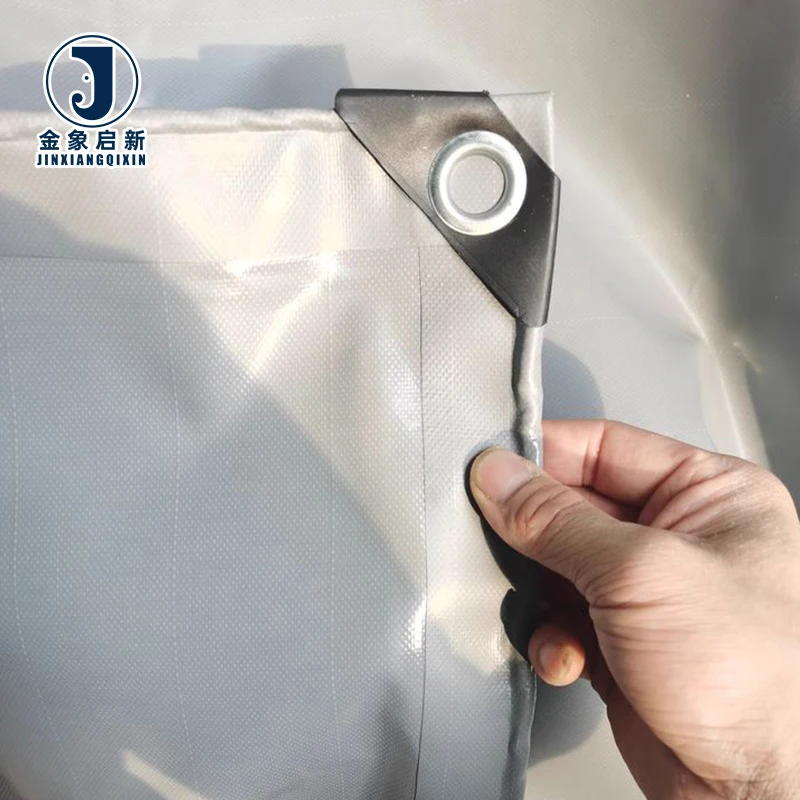
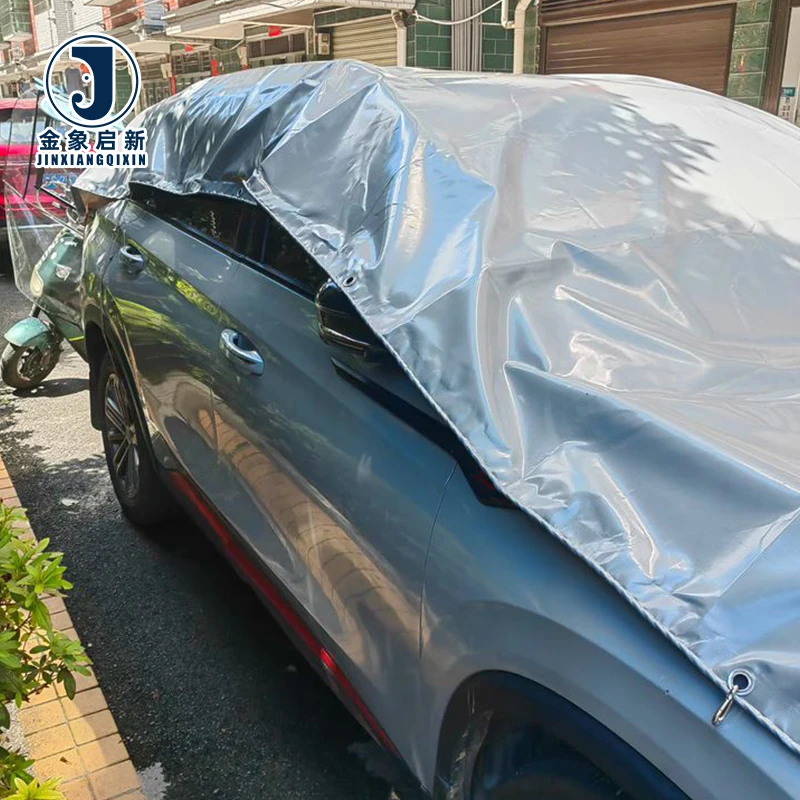
Description
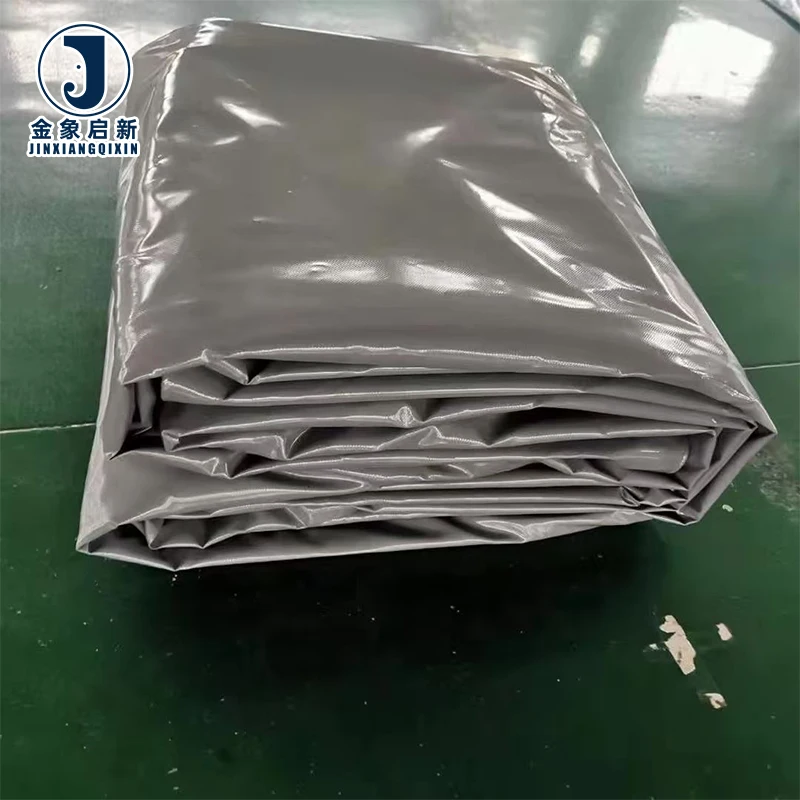
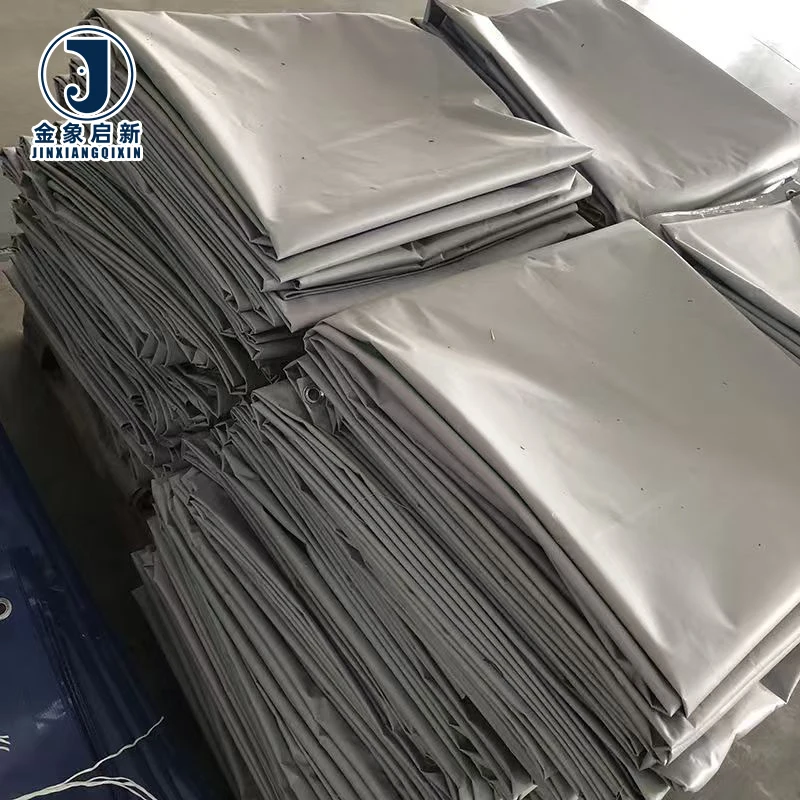
Coated Weight Consistency — Every roll of 630 Gsm PVC coated tarpaulin is weighed and documented before dispatch, so bulk buyers receive verified GSM across the entire container load.
Technical Specifications
| Parameter | Value |
|---|---|
| Product Type | PVC Coated Tarpaulin |
| Weight (GSM) | 250gsm–1500gsm (this grade: 630 Gsm) |
| Base Fabric Denier | 200D×300D, 500D×500D, 840D×840D, 1000D×1000D |
| Coating Material | PVC |
| Surface Finish | Glossy or matte |
| Temperature Range | -15°C to 70°C |
| Waterproof | Yes |
| UV Treatment | Customized (test basis not stated in source) |
| Flame Retardant | Treated (grade not stated in source) |
| Anti-Fungal | Treated |
| OEM/ODM | Accepted |
| Printing Option | Custom printing available |
Application Suitability
| Application | Exposure & Requirement |
|---|---|
| Tarpaulin distributor resale | Batch-consistent colour and verified GSM across rolls for regional stock |
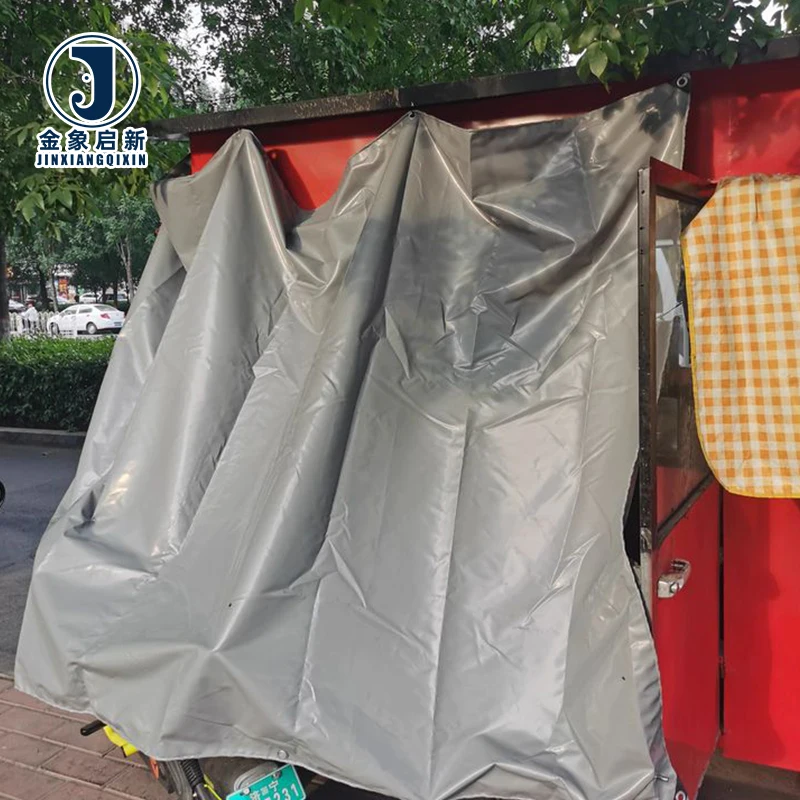
| Custom truck and trailer covers | Flex fatigue at tie-down points, road abrasion, weather exposure |
| Construction site and equipment covers | Puncture risk, UV exposure, wind uplift on large spans |
| Tent and awning fabrication | Weld strength, dimensional stability during cutting and assembly |
| Agricultural stock covers | Moisture ingress, prolonged sun exposure, chemical contact from fertilisers |
Why Roll-to-Roll Colour Matters More Than the Swatch
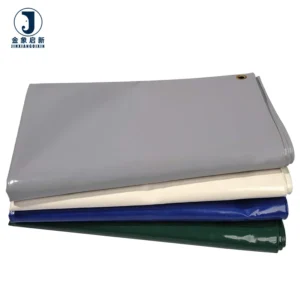
Colour variance between rolls in the same order is one of the most common reasons fabricators face rejection from end users.
When a distributor unloads a container and finds two rolls of PVC tarpaulin roll stock that look noticeably different once laid side by side, the entire batch may need to be re-sorted or returned. This problem does not show up on a small cut swatch sent during sampling — it only appears when full-width panels are installed together. Fabricators who cut and weld multiple rolls into finished covers absorb the cost of rework, while importers face chargebacks from their retail customers. [NEED_CITE: visual colour difference tolerances in coated fabric trade]
How Stock Grade Availability Reduces Downtime for Fabricators
Fabricators working on tight production schedules cannot wait weeks for a custom dye lot when standard widths and GSM grades cover most orders. Keeping common deniers and the 630 Gsm grade in stock means a PVC coated tarpaulin roll can ship within days of order confirmation, keeping your cutting tables running. Width options are maintained across multiple grades so that a single container load can mix deniers to match different end-use tensile requirements without delaying the full shipment.
Batch Consistency Across a Container Load
When a full container of PVC tarpaulin roll stock arrives at a distributor warehouse, the rolls need to behave identically on the cutting table and the welder. Variations in coating thickness or base fabric tension between rolls cause uneven heat-seal results and visible colour banding on finished products. Production batches are matched to a single colour reference and coated on the same line run, reducing the roll-to-roll variation that causes fabricators to reject material mid-order. [NEED_CITE: coating weight tolerance standards for PVC tarpaulin]
Reading the Specification Sheet Beyond GSM
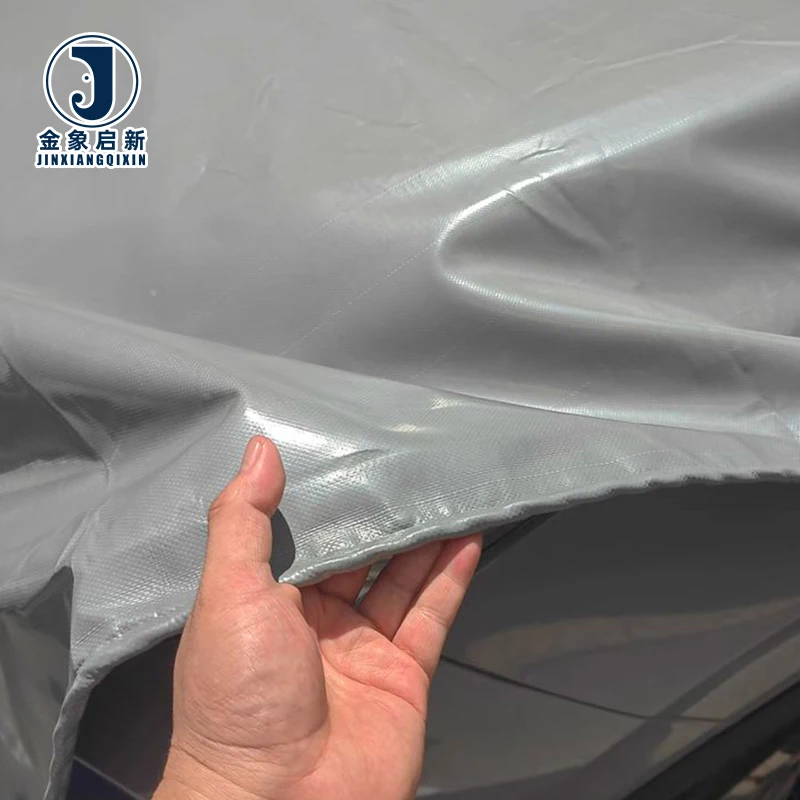
The 630 Gsm weight grade positions this fabric in the medium-to-heavy-duty range, but GSM alone does not define how the material will perform under load. Base fabric denier — available from 200D×300D up to 1000D×1000D — determines the tensile and tear resistance the coating must protect. A 630 Gsm roll built on a 1000D×1000D base will resist tearing far better than the same GSM on a 200D×300D base, even though the scale reads the same. The glossy or matte finish choice also affects how the surface sheds dirt and how well printed branding adheres over time. Temperature range from -15°C to 70°C defines the operational boundary: below this, PVC stiffens and risks cracking at fold lines; above it, the coating softens and weld seams can creep under sustained load.
The Hidden Cost of Specifying on Price Per Kilogram Alone
Buyers who select roll stock based on the lowest price per kilogram often receive material that meets the quoted GSM on paper but delivers less coating adhesion or a lighter base fabric than needed for the application. Weld seams fail before the fabric body does because the coating was too thin to form a proper bond under heat. Rolls arrive with inconsistent stiffness, making automated cutting and welding unpredictable. Distributors then face warranty claims from end users who expected the cover to survive multiple seasons of use. [NEED_CITE: weld seam failure analysis in PVC coated fabrics]
What This Supply Chain Delivers for Roll Buyers
Three full production lines and 36 sets of professional equipment support the volume required for container-load orders without compressing lead times. A 10-person R&D team develops samples within days when custom width, colour, or printed branding is needed, so buyers can approve material before committing to a production run. Dedicated QA and QC checkpoints at every production stage — including 100% pre-shipment inspection — mean each roll is weighed and checked against the specification before it enters the container. The coating process is controlled to maintain adhesion and weight consistency, which is what allows fabricators to set their welder temperature once and run an entire batch without adjusting. ISO and CE certification underpin the documentation that accompanies each shipment.
Documentation & Verification
- Material specification sheet stating base fabric denier, coating weight, and GSM for each roll
- Pre-shipment inspection record confirming actual weight per roll against the quoted 630 Gsm
- Roll packing list with roll count, net weight, and container loading plan
- Batch colour reference chip matched to production run for resale consistency checks
- UV and flame retardant test reports provided where the treatment grade has been specified
- Certificate of origin and customs documentation for international shipment clearance
Fabrication, Handling & Storage
- Set welder temperature and dwell time for PVC coating at this GSM range before running production rolls
- Store rolls upright on pallets to prevent flat-spot creases that show through the finished cover surface
- Allow rolls to acclimatise above 10°C before unrolling to avoid cracking the PVC coating at fold lines
- Use a sharp blade or rotary cutter suited to this coating thickness to prevent fraying at the base fabric edge
- Clean the matte or glossy surface with mild detergent — avoid solvents that soften the PVC coating layer
- Plan panel layout to minimise cross-grain welds, which carry less peel strength than machine-direction seams
Starting Your Roll Stock Enquiry
Share your target width, annual volume, and the end-use application so we can recommend the right base fabric denier and surface finish for your fabrication or resale needs. If your market requires specific flame retardant or UV treatment grades, provide the compliance standard so we can confirm test availability before production. Let us know whether you need plain rolls or custom colour and printed branding, and we will prepare a sample for your approval before the bulk run.
Frequently Asked Questions
Q: What GSM grades and widths are available for immediate container loading?
A: The 630 Gsm grade is part of a broader range from 250 to 1500 GSM, with multiple base fabric deniers held for bulk orders. Stock widths cover common fabrication and resale sizes. Provide your required width and roll count so we can confirm availability and container loading details for your specific order configuration.
Q: How is roll-to-roll colour consistency controlled within a single order?
A: All rolls in one order are produced in the same batch run against a single colour reference. Pre-shipment inspection includes a visual consistency check across rolls before packing. A batch colour reference is included in the documentation so you can verify consistency on arrival.
Q: What is the minimum order for custom width, colour, or printed branding?
A: Minimums depend on the specific width, colour, and print complexity requested. Samples are developed within days so you can approve the material before committing to a full production run. Confirm your requirements at the quotation stage and we will state the exact minimum and lead time.
Q: How are rolls packed and loaded into containers for bulk shipment?
A: Rolls are packed in carton or bale format depending on the order size and destination requirements. A roll packing list details roll count, net weight, and the container loading plan. Each container is loaded to maximise roll count while protecting the material from compression damage during transit.
Q: Can I receive a sample roll before placing a full bulk order?
A: Yes. Sample rolls are developed within days for custom requirements including specific width, colour, or treatment options. Approving a sample before production ensures the material meets your fabrication or resale standards before the full container order enters the production line.