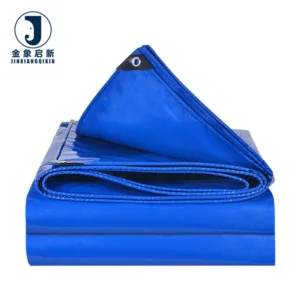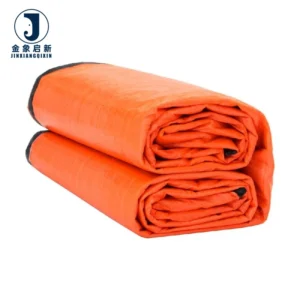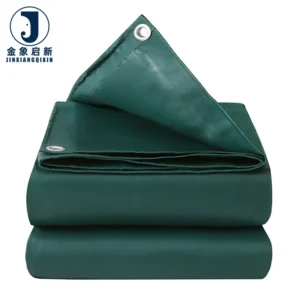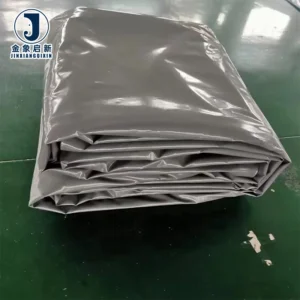
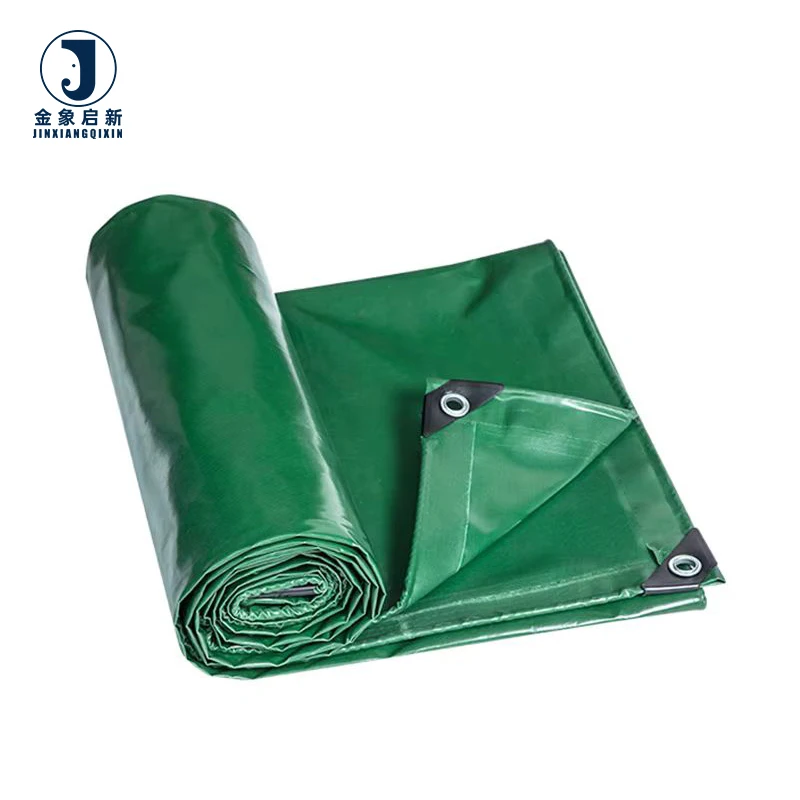
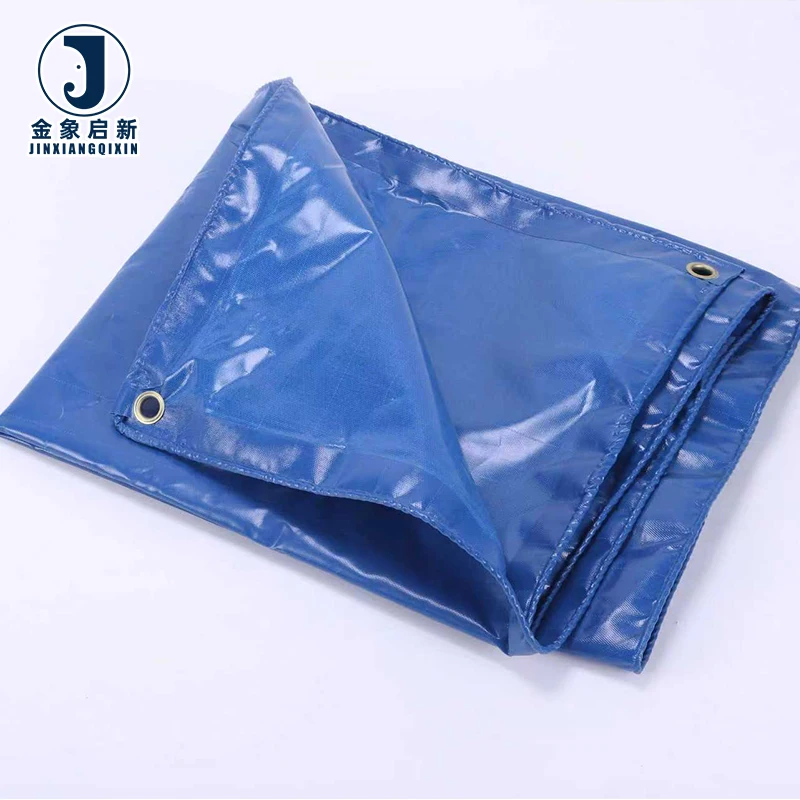
Description
Batch-Verified Weight Consistency — Every roll is weighed and checked against the stated GSM before dispatch, with pre-shipment inspection records included so distributors and fabricators can confirm material weight on arrival.
Technical Specifications
| Parameter | Value |
|---|---|
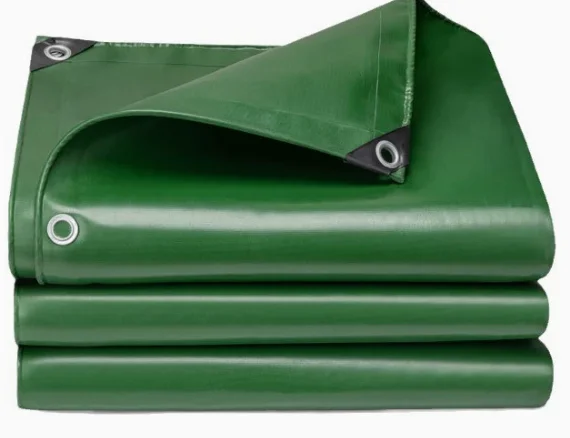
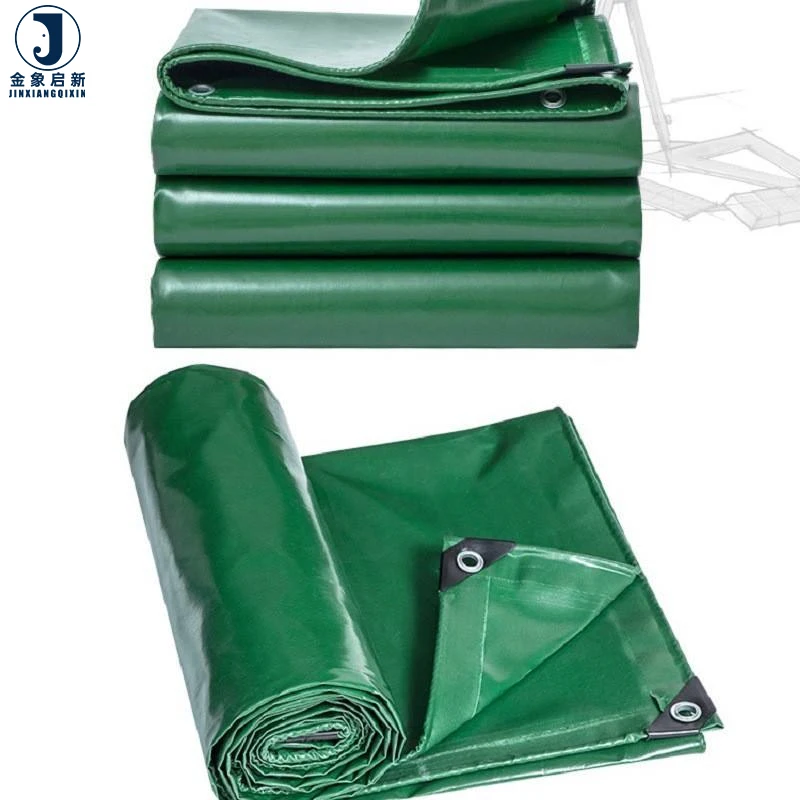
| Product Type | PVC Coated Tarpaulin Roll |
| Coating Material | PVC Vinyl |
| Base Fabric | Woven Fabric |
| Weight | At least 450 GSM |
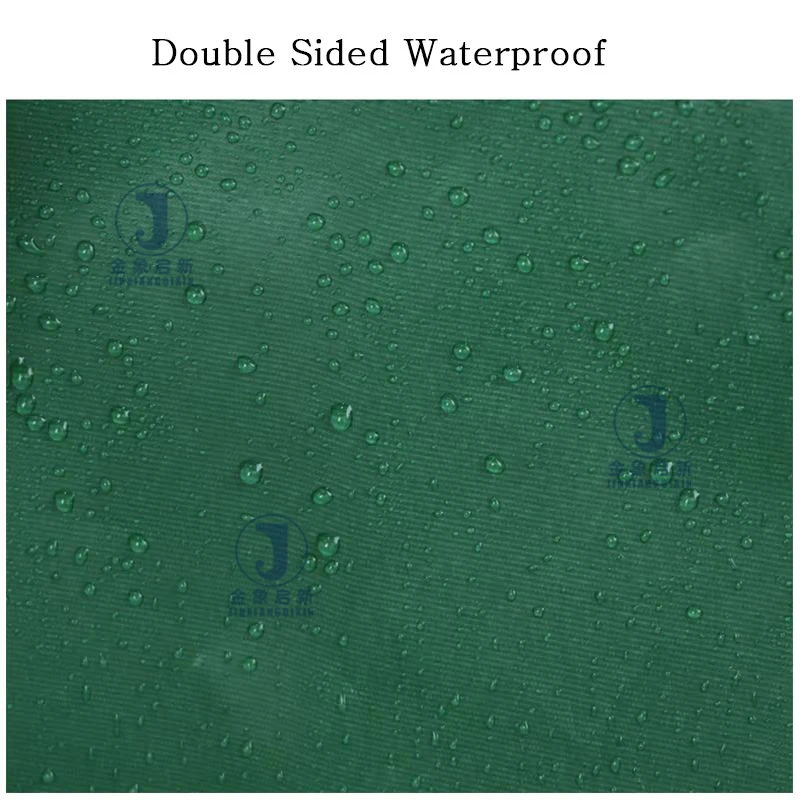
| Waterproof | Yes |
| Standards | ISO, CE |
Application Suitability
| Application | Exposure & Requirement |
|---|---|
| Tarpaulin distribution and regional resale | Consistent GSM across rolls for reliable downstream fabrication and end-user trust |
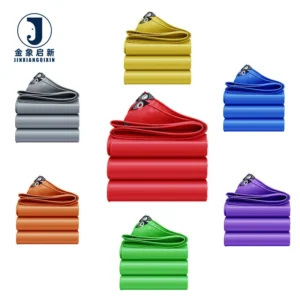
| Tent, awning, and inflatable manufacturing | Roll-to-roll colour and weight uniformity for cutting and welding into finished structures |
| Construction site and equipment covers | Waterproof barrier against rain and snow with sufficient tear resistance for handling and deployment |
| Vehicle and transport load protection | Abrasion from tie-down straps and road debris with sustained weather exposure |
Why Batch Consistency Matters More Than Quoted GSM for PVC Coated Tarpaulin Roll Buyers
A roll that weighs less than the quoted specification is the single most common cause of buyer disputes in coated fabric procurement.
When a distributor receives a container of PVC coated tarpaulin roll stock, the first check is often a scale. If the weight per square metre falls short of what was agreed, the entire order is suspect. Downstream fabricators who cut and weld the material expect a certain tensile and tear baseline that correlates with weight, and any shortfall compounds into end-user complaints. Weight verification at the factory level, documented per roll before loading, eliminates this uncertainty. [NEED_CITE: tensile and tear test methods for coated fabrics per ISO 1421]
Roll-to-Roll Uniformity Across the Container
Distributors and importers consolidating full-container orders need every roll to perform identically once it reaches the cutting table. A PVC coated tarpaulin roll that varies in coating thickness from one end of the batch to another creates visible inconsistency once panels are placed side by side or welded together. Production runs on this woven base fabric maintain controlled coating weight throughout the batch, so fabricators cutting multiple panels from different rolls encounter the same material behaviour at the weld bar and the sewing machine.
Container Loading and Freight Efficiency for Wholesale Orders
Bulk buyers evaluate landed cost per square metre, which means container utilisation directly affects margin. Rolls of this PVC coated tarpaulin are packed and loaded to maximise the number of linear metres per container while protecting the outer layers from compression marks and edge damage during transit. The packing list details roll count, individual roll weight, and dimensions, giving the buyer a clear picture of what arrives at the port before the container is opened. [NEED_CITE: container loading optimisation for textile roll goods]
Reading the Specifications Beyond the GSM Figure
The stated weight of at least 450 GSM places this material in a mid-range grade suitable for a wide spectrum of covering and fabrication tasks. However, GSM alone does not define performance. The woven base fabric construction determines how loads distribute across warp and weft threads, influencing tear propagation when the material is punctured or stressed at a fold line. The PVC vinyl coating adds waterproof protection and contributes to overall mass, but the adhesion between coating and base fabric governs whether the layers separate under flexing. A lighter base fabric with a heavier coating may register the same GSM as a denser weave with a thinner coat, yet behave entirely differently when a fabricator heat-welds a seam or a ratchet strap pulls against an eyelet patch. Understanding this balance helps buyers specify by application requirement rather than weight alone.
The Hidden Cost of Specifying on Weight Alone
When a purchasing decision rests entirely on the lowest GSM quotation, the material that arrives may meet the number but fail in the field. A woven PVC coated fabric that reaches 450 GSM through excessive coating filler rather than a dense base weave will crack along fold lines after repeated deployment. Fabricators who weld this material report seam failures where the coating delaminates before the base fabric yields. Distributors who resell cut sheets face returns when end-users discover the fabric does not hold an eyelet under load. These failures trace back to a specification process that checked a single box without interrogating the construction behind it. [NEED_CITE: common failure modes in PVC coated fabric at weld seams and fold lines]
Why Buyers Consolidate Their PVC Coated Fabric Orders Here
Three full production lines and 36 sets of professional equipment support bulk output without compressing lead times on wholesale orders. A 10-person R&D team handles custom width requests and sample development, enabling distributors to test material before committing to container quantities. Dedicated quality assurance checks run at every production stage, culminating in 100 percent inspection before any roll ships. The coating process control built over nearly 30 years of focused production ensures that GSM figures on the quotation match the figures on the scale at dispatch. Export documentation is prepared in-house, covering certificates of origin and customs requirements for the destination market.
Documentation & Verification
- Material specification sheet stating GSM, base fabric type, and PVC vinyl coating for each roll
- Pre-shipment inspection record confirming roll weight and count against the purchase order
- Roll packing list with net weight, dimensions, and container loading arrangement
- ISO and CE certificates provided as part of the shipment documentation package
Fabrication, Handling & Storage
- Heat-weld seams at temperatures matched to PVC vinyl coating thickness to avoid delamination
- Store rolls upright on pallets to prevent compression marks across the woven fabric surface
- Allow cold-stored rolls to reach ambient temperature before unrolling to prevent coating crack
- Use a sharp blade for cutting to avoid fraying the woven base fabric at panel edges
- Avoid dragging rolls on unprotected surfaces to prevent abrasion to the outer coating layer
What We Need to Quote Your Roll Stock Order
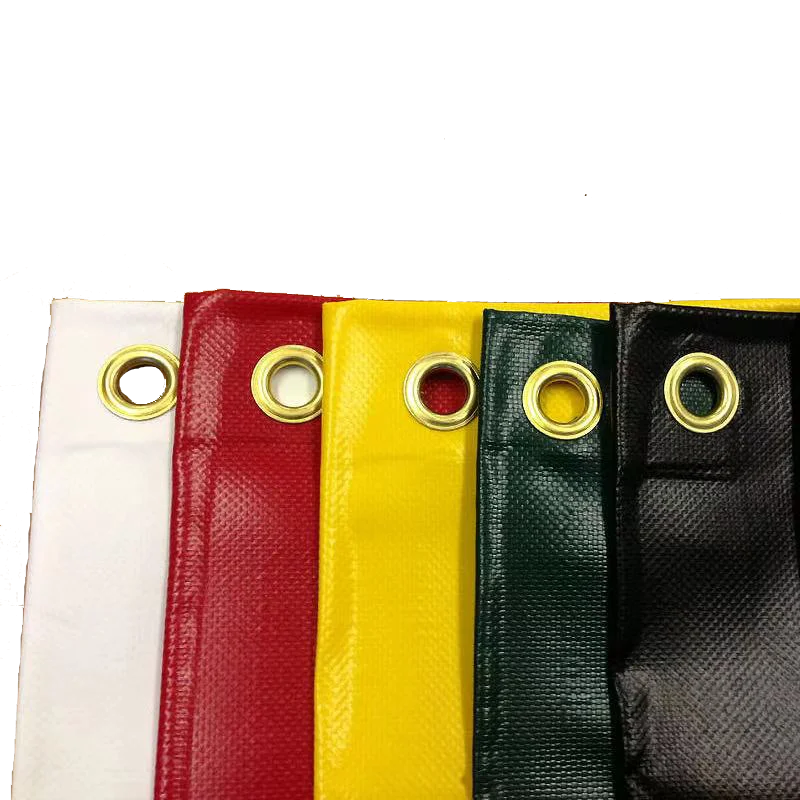
Provide the GSM grade, required roll width, and estimated annual volume so we can confirm stock availability or production lead time. If your downstream fabrication involves heat welding or printing, note the specific process so we can recommend the appropriate coating finish. Colour references or Pantone codes should accompany any custom colour request, along with the number of rolls per SKU. Confirm whether you require pre-production samples for approval before the full batch runs.
Frequently Asked Questions
Q: What GSM grades are available in stock versus produced to order?
A: Standard mid-range grades including at least 450 GSM are typically available for prompt dispatch. Heavier or lighter grades, custom widths, and specific colour runs are produced to order with lead times confirmed at quotation. Mixing multiple SKUs in one container is supported, and we provide a roll packing list detailing each grade and dimension for customs clearance.
Q: How do you ensure colour consistency across multiple rolls in the same order?
A: All rolls within a single production batch use the same coating compound mix and pass through identical curing conditions. A colour reference is matched before production begins, and pre-shipment inspection includes visual comparison across rolls. If your order spans multiple batches, we flag this in advance and provide sample swatches from each run for your approval.
Q: What is the minimum order per SKU for custom widths?
A: Minimums depend on the width requested and whether the size requires a dedicated production setup. Standard stock widths have lower minimums and faster turnaround. For non-standard widths, the minimum is set to cover the machine setup and coating line calibration. Contact us with your target width and roll length for a specific minimum confirmation.
Q: How is roll stock packed to prevent damage during sea freight?
A: Each roll is wrapped to protect the outer coating layer from abrasion and moisture during transit. Rolls are loaded into the container to distribute weight evenly and prevent shifting. The packing list included with the shipment documents roll count, individual dimensions, and total weight, giving you full visibility before the container is opened at destination.
Q: Do you provide certificates of origin and customs documentation for export?
A: Yes. Every export shipment includes a certificate of origin, commercial invoice, roll packing list, and ISO and CE certificates. Additional customs documentation can be prepared based on the import requirements of the destination country. All documents are reviewed against the packing list to ensure roll counts and weights match before dispatch.