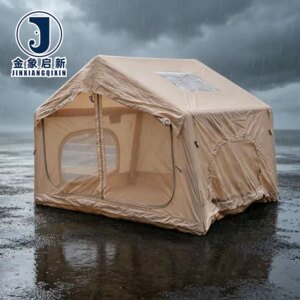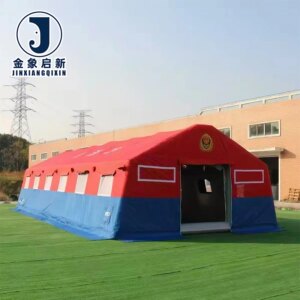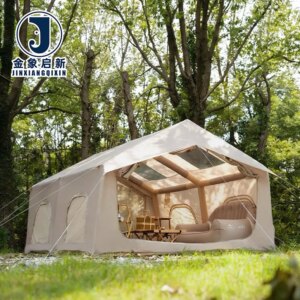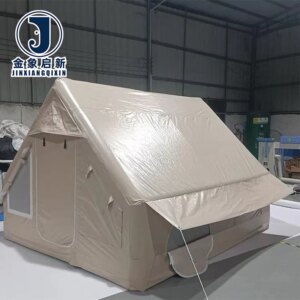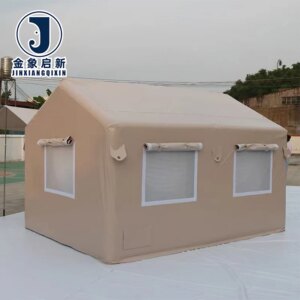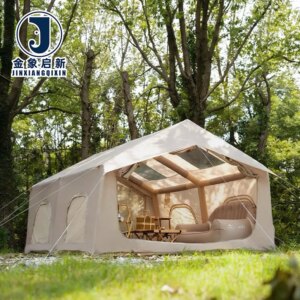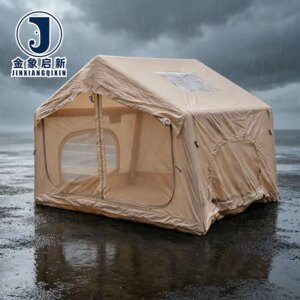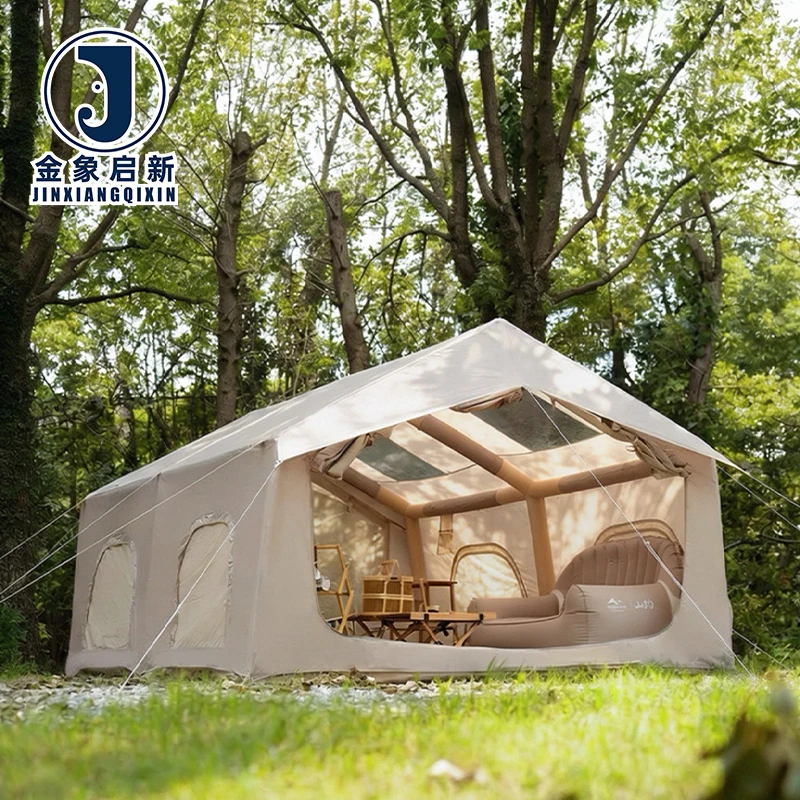


Description
Roll-to-Roll Consistency — Dedicated QA at every coating and winding stage ensures batch-to-batch colour and weight uniformity across large inflatable structure fabric orders.
Technical Specifications
| Parameter | Value |
|---|---|
| Product Type | Inflatable Tent Fabric / Inflatable Structure |
| Core Material | PVC Tarpaulin (PVC knife-coated fabric) |
| Waterproof Rating | ≥8000mm H₂O (source value — verify against manufacturer catalog) |
| Tear Strength | ≥300N (test standard not stated in source) |
| Flame Retardant | Available in flame retardant grades — confirm the grade required for your market |
| UV Treatment | UV-resistant treatment available — verify test basis for target application |
| Anti-Static | Anti-static treatment available — surface resistance standard to be confirmed |
| Dimensional Tolerance | ±2% (source value — verify against manufacturer catalog) |
| Pressure Retention Test | 24-hour pressure retention testing before shipment |
| Customization | OEM & ODM: size, color, pattern printing, access points, ventilation systems |
| Standards & Certification | ISO 9001, ISO 14001, ISO 45001, CE |
Application Suitability
| Application | Exposure & Requirement |
|---|---|
| Emergency disaster relief shelters | Rapid inflation cycles, transport abrasion, prolonged weather exposure |
| Temporary construction site housing | Heavy foot traffic contact, equipment movement, multi-week continuous inflation |
| Industrial emergency response staging | Chemical splash risk, repeated deployment and packing, structural air retention |
| Inflatable event and exhibition structures | High public visibility requiring colour consistency, logo and pattern clarity |
| Mobile equipment storage enclosures | Sustained internal pressure, wind load flexing, UV exposure during extended siting |
Why Roll Consistency Matters More Than Stated GSM for Inflatable Structures
Fabric uniformity across every roll determines whether your inflatable structure production line runs without stoppages.
When buying inflatable tent fabric by the roll, the quoted weight tells you little about what arrives at your cutting table. A roll that measures correct at the sample end can drift in coating thickness midway, creating soft spots that fail during pressure retention testing. Batch colour variation between rolls becomes visible the moment two panels are heat-welded side by side on a finished inflatable unit, forcing rejection of an entire structure after fabrication labour is already spent. [NEED_CITE: tensile and tear test methods for coated fabrics per ISO 1421]
Knife-Coated PVC Construction for Repeated Inflation Cycles
Inflatable tent fabric undergoes repeated folding, transport, and inflation stress that tests coating adhesion at every flex point. The PVC knife-coated construction bonds the coating layer directly into the base fabric weave, reducing the delamination risk that plagues laminated alternatives when structures are inflated and deflated across multiple deployment cycles. This coating method also supports clean heat-welded seams, which is critical when an inflatable tent fabric manufacturer needs welded joints to hold internal pressure without leaking at the bond line.
Pattern Printing and Colour Matching for Branded Structures
Commercial inflatable structures often carry corporate branding, safety markings, or event identification that must remain sharp after repeated outdoor deployment. The fabric accepts custom pattern printing and colour matching across production batches, allowing inflatable structure manufacturers to deliver consistent visual identity from first article to final roll. Colour reference locking at the coating stage means reorders align with previous deliveries, eliminating the panel mismatch that forces rework on high-visibility inflatable installations. [NEED_CITE: colour fastness testing standards for coated technical textiles]
Understanding Base Fabric and Coating Weight as a System
The performance of inflatable tent fabric depends on how the base fabric denier and weave density interact with the applied coating weight. A lighter base fabric with heavy coating may show high GSM on paper but tear easily along the weave when the structure flexes under wind load. Conversely, a dense base fabric with insufficient coating thickness leaves fibres exposed to moisture ingress and abrasion damage. The knife-coating process allows controlled application that balances coating penetration with surface coverage, giving the fabric the tensile continuity needed for airtight inflatable panel construction. Specifiers should request base fabric construction data alongside coating weight to evaluate the composite system rather than relying on a single GSM figure. [NEED_CITE: relationship between base fabric construction and coated fabric tear propagation]
The Hidden Cost of Skipping Batch Inspection on Inflatable Fabric Orders
When roll stock arrives without per-roll inspection data, the first sign of trouble often comes during fabrication. Panels cut from different rolls may show visible shade differences once assembled, or coating weight variation may cause some seams to accept heat welding at standard settings while adjacent panels burn through or fail to bond. These defects surface after cutting, printing, and assembly labour has already been invested, converting a material cost issue into a total production loss. For inflatable structure manufacturers running tight delivery schedules, a single inconsistent roll can delay an entire container shipment while replacement material is produced and dispatched. [NEED_CITE: pre-shipment inspection protocols for coated fabric roll stock]
Why Procurement Teams Source Inflatable Fabric Through This Channel
Three full production lines with dedicated coating stations provide the volume continuity that inflatable structure manufacturers need when scaling from sample approval to container-load orders. A ten-person R&D team handles material specification, custom sizing, pattern development, and sample fabrication within days rather than weeks, shortening the path from design concept to production-ready roll stock. Every roll passes through in-process QA checks at coating, winding, and packing stages, with 100% inspection before dispatch catching weight drift and visual defects that would otherwise reach your cutting room. The facility supports full OEM and ODM workflows, meaning custom width, colour, printing, and ventilation integration requirements are handled under one production roof rather than split across multiple suppliers. ISO and CE certified production processes ensure documentation traceability for export markets requiring compliance evidence at point of entry.
Documentation & Verification
- Material specification sheet stating base fabric construction, coating method, and waterproof rating
- Pre-shipment inspection record with 24-hour pressure retention test data per inflatable unit
- Test report for flame retardant and UV-resistant grades with applicable standard referenced
- Roll packing list with batch-specific quality report for traceability across multi-roll orders
- Certificate of origin and customs documentation for cross-border shipment compliance
Fabrication, Handling & Storage
- Heat-weld PVC knife-coated panels using calibrated temperature settings matched to coating thickness for consistent seam strength
- Store rolls vertically in climate-controlled warehousing to prevent flat-spot deformation on the coating surface
- Allow cold-stored rolls to acclimate to workshop temperature before unrolling to avoid coating crack damage
- Use compatible PVC-based repair patches and solvent cements for field repair of punctured inflatable panels
- Plan cutting layouts to maximize yield from standard roll widths and reduce welded seam count per structure
Preparing Your Inflatable Fabric Inquiry
To move from general inquiry to accurate quotation, share the target inflatable structure dimensions, annual roll consumption estimate, and the specific performance requirements your end market demands. If your projects require flame retardant or anti-static certification, specify the standard your local authority references so the correct grade is formulated from the start. Confirm whether you need fabric supply only or full OEM finishing including custom sizing, pattern printing, and ventilation port integration.
Frequently Asked Questions
Q: How is coating weight verified on arrival against the quotation specification?
A: Every roll undergoes in-process QA checks during production, with weight measurements recorded at multiple points along the coating line. A batch-specific quality inspection report accompanies each shipment, documenting actual measured values against the agreed specification. Buyers can cross-reference these records upon receipt to confirm the material matches what was quoted before cutting begins.
Q: What flame retardant grade is available for inflatable tent fabric?
A: The fabric is available in flame retardant grades suited to various international fire safety standards. The specific grade required depends on your target market’s building and temporary structure regulations. Confirm the applicable standard — such as local building code classification or event safety requirement — during inquiry so the correct formulation is applied and tested before production.
Q: How is batch-to-batch colour consistency controlled across multiple rolls?
A: Colour reference is locked at the coating formulation stage, and in-process visual inspection checks every roll against the approved standard under controlled lighting. This prevents shade drift across large orders where multiple rolls feed into the same inflatable structure production run. A dedicated inspection record documents colour conformity per batch for full traceability.
Q: What customization options are available for inflatable structure fabric orders?
A: Full OEM and ODM support covers custom width and length, colour matching to reference standards, pattern printing for branding or identification, and integration of specialized access points and ventilation systems. The R&D team develops samples within seven to ten business days from design confirmation, allowing you to validate material performance and visual appearance before committing to volume production.
Q: What documentation is included with each inflatable fabric shipment?
A: Each dispatch includes a material specification sheet, pre-shipment inspection record, roll packing list with batch traceability data, and relevant test reports for the specified performance grades. Certificate of origin and customs support documentation are provided for international shipments. All documents reference specific batch numbers linking back to production QA records.