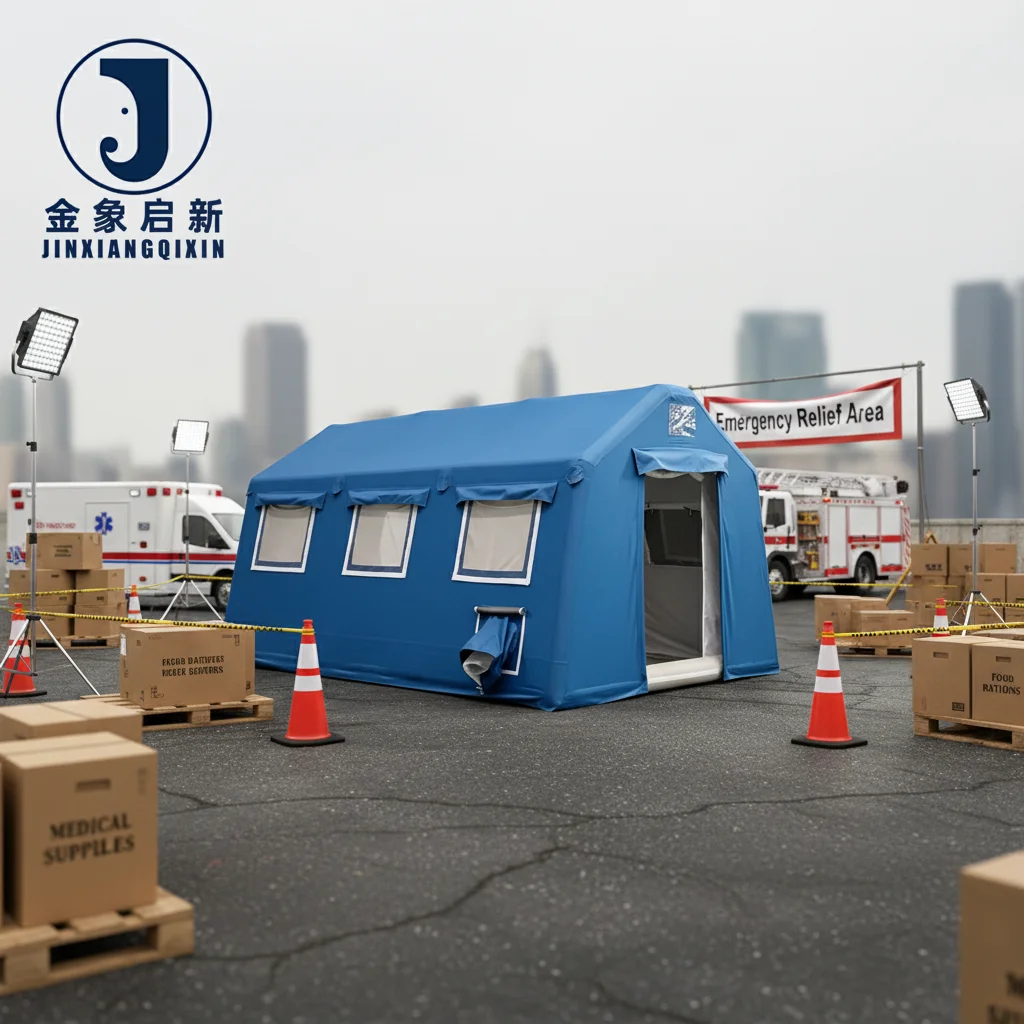
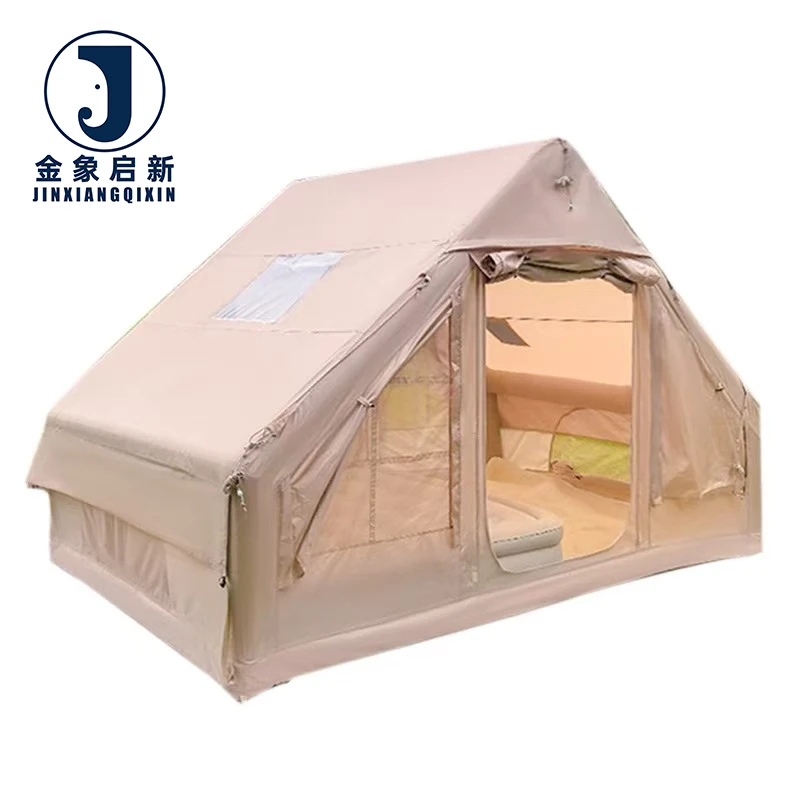
Description
Roll Consistency Guaranteed — Every roll of PVC inflatable tent fabric is inspected for GSM and colour match before leaving the 3-line production facility, ensuring your cutting table never sees a mismatch.
Technical Specifications
| Parameter | Value |
|---|---|
| Product Type | Inflatable Tent Fabric |
| Core Material | PVC tarpaulin |
| Waterproof | Yes |
| UV-resistant | Available in UV-resistant grades — confirm the grade required for your market |
| Tear-resistant | Available in tear-resistant grades — confirm the grade required for your market |
| Flame Retardant | Available in flame retardant grades — confirm the grade required for your market |
| Anti-Static | Available in anti-static grades — confirm surface resistance or standard required |
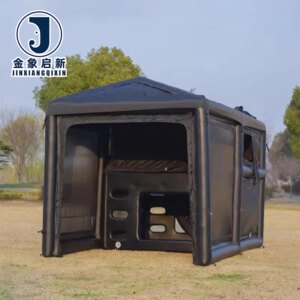
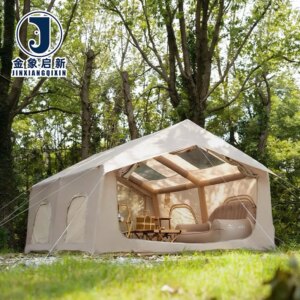
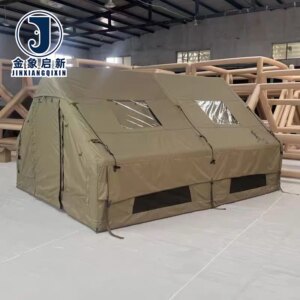
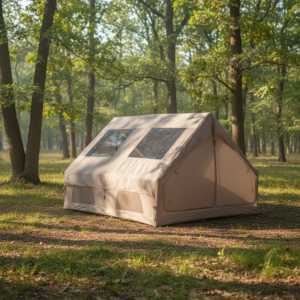
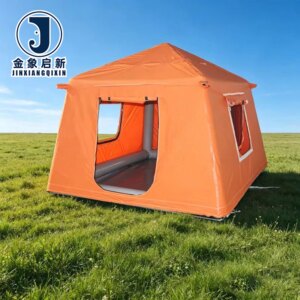
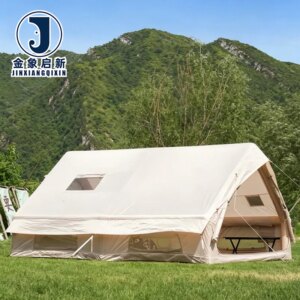
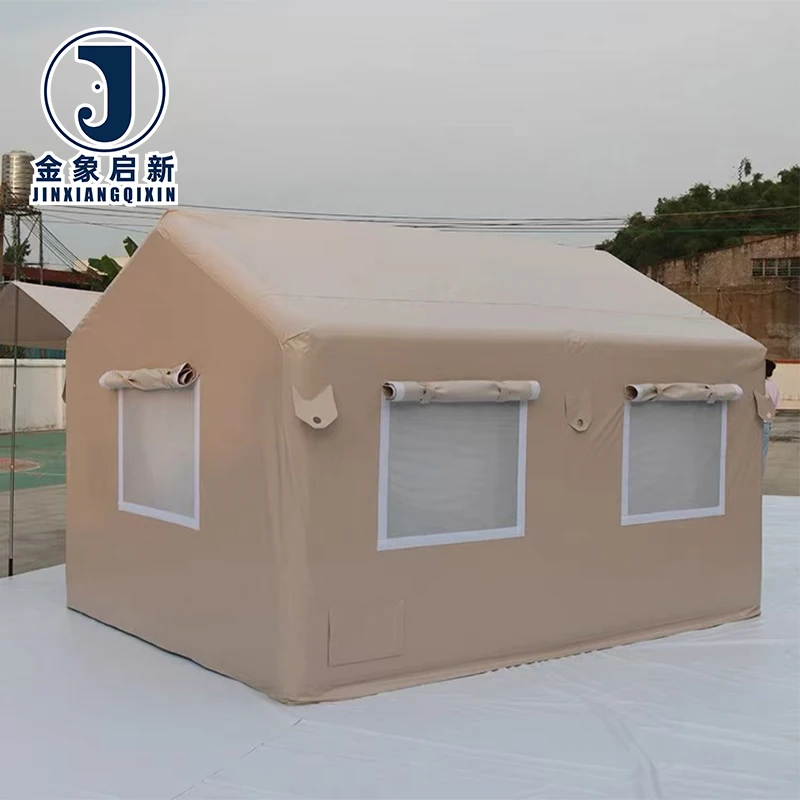
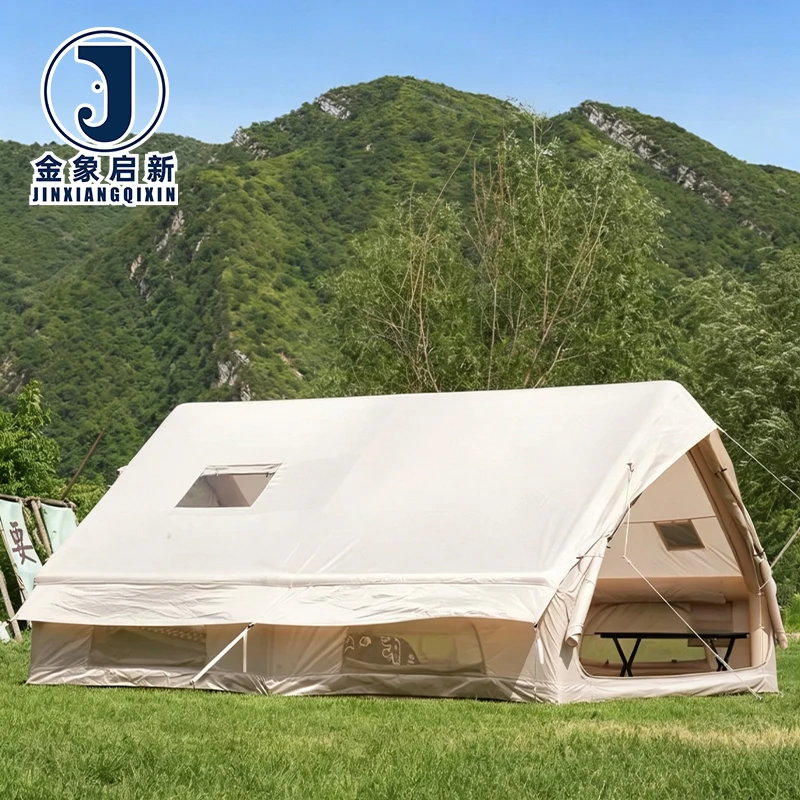
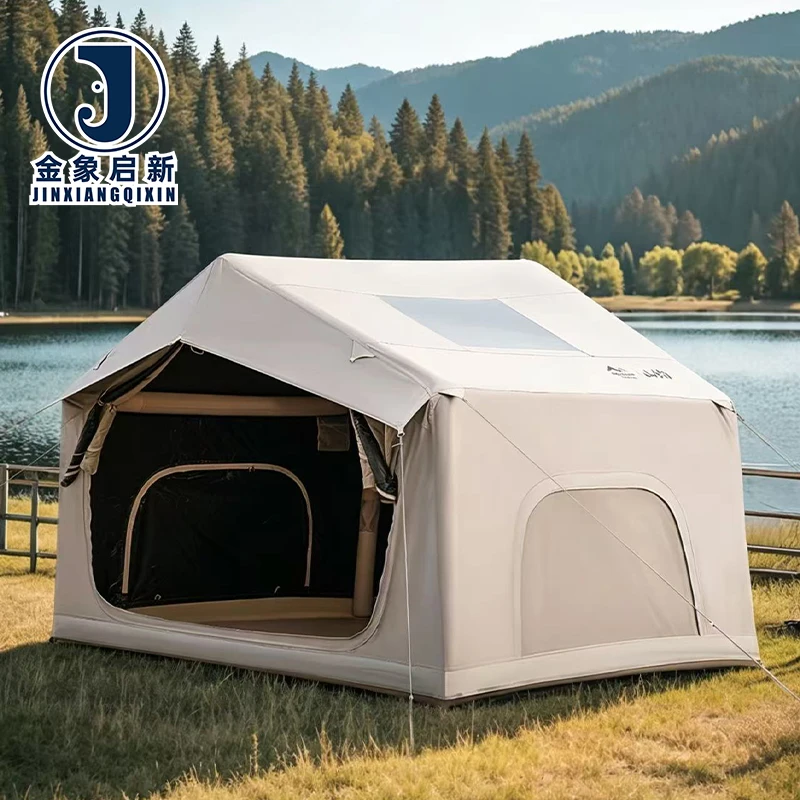
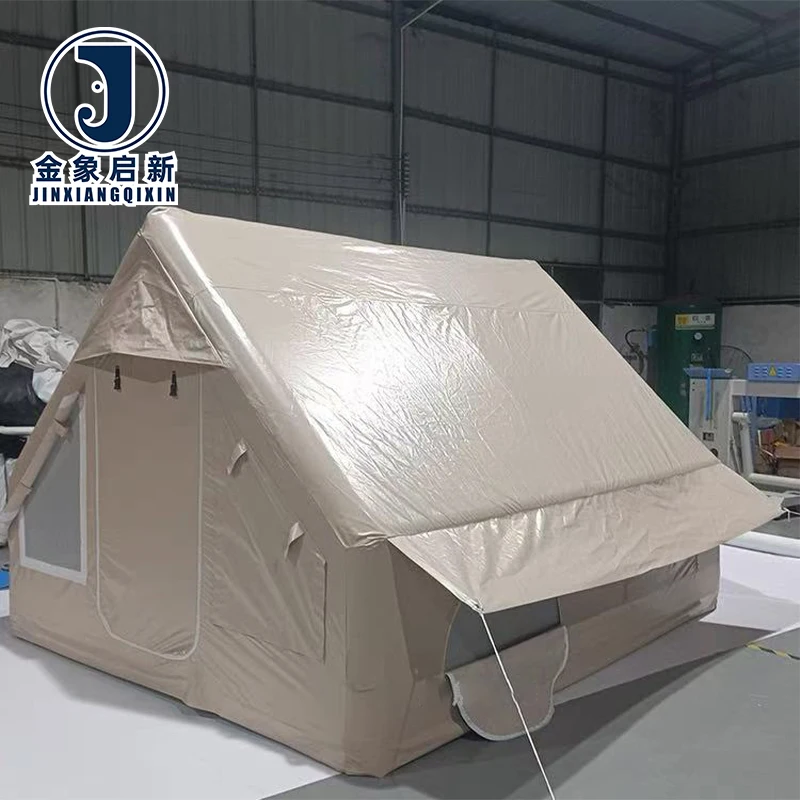
| Product Form | 3-4 Person Quick Automatic Opening Four-Season Waterproof Outdoor Air Tent fabric |
| Customization | OEM & ODM, sample customization, pattern printing |
| Production Facility Area | 9180 square meters |
| Production Lines | 3 full production lines |
| Processing Equipment | 36 sets |
| R&D Team | 10 technicians |
| Quality Control | Strict full-process quality inspection with dedicated QA & QC staff on site |
| Standards | ISO9001, ISO14001, ISO45001, CE |
Application Suitability
| Application | Exposure & Requirement |
|---|---|
| Commercial outdoor equipment manufacturing | Repeated inflation cycles, seam stress at air beams, UV and rain exposure in field use |
| Industrial shelter systems | Wind load on inflated membranes, puncture risk from site debris, long-term weathering |
| Mobile workspace solutions | Rapid deployment and pack-down, abrasion from folding and transport, temperature fluctuation |
| Commercial camping gear production | Consumer safety expectations, colour consistency across seasonal product runs, retail packaging standards |
| Temporary structures for professional operators | Four-season weather exposure, ground contact moisture, structural integrity under air pressure |
Why Batch-to-Batch Colour Drift Wrecks Inflatable Tent Production Runs
Colour matching on the first roll means nothing if the twentieth roll in the same order is a different shade.
Inflatable tent fabricators running seasonal production volumes often discover colour variation only when tents are displayed side by side at trade shows or on retail shelves. The PVC inflatable tent fabric roll you approved as a sample can differ noticeably from later batches if the coating line does not control pigment dispersion and curing temperature with discipline [NEED_CITE: colour consistency standards for coated technical textiles]. This forces rework, scrap, or worse — a customer rejecting an entire container because half the tents look warmer and half look cooler under showroom lighting.
Roll-to-Roll Colour and Weight Control Across Bulk Orders
Consistency is the single most important factor when buying PVC inflatable tent fabric by the roll. A production run that spans multiple batches must yield fabric that cuts, welds, and looks identical whether it came from the first roll or the last. Our coating lines are calibrated to maintain pigment ratio and coating weight within tolerance across the full order, so your cutting table does not become a sorting station.
Container-Load Planning by Roll Count and Weight
Shipping efficiency matters when you are filling containers with heavy PVC inflatable tent fabric rolls. Each order is planned by roll count, roll diameter, and total weight so that container space is used fully without exceeding axle limits at the port [NEED_CITE: container loading guidelines for heavy coated fabric rolls]. The packing list details every roll’s position in the container, giving your warehouse team a clear unloading sequence when the shipment arrives.
Understanding What GSM and Coating Adhesion Mean for Inflatable Tents
GSM alone does not tell you how an inflatable tent fabric will behave under air pressure. The base fabric denier and weave density determine how the material resists tearing when an air beam flexes, while the PVC coating weight and adhesion method control how well the coating stays bonded to the yarn through repeated inflation and deflation cycles. A heavier coating applied by calendering may sit on the surface but peel at the weld line, whereas a knife-over-roll process drives the coating into the weave for stronger bonding. Surface finish — whether glossy or matte — also affects how printed branding adheres and how easily the tent cleans after field use. Width options determine how many panels your tent design requires and how much offcut waste your cutting table generates.
What Happens When Roll Consistency Is Overlooked
A fabricator who accepts rolls without verifying weight and colour against the spec sheet often discovers problems mid-production. Welds that held perfectly on the first roll may fail on a lighter batch because the heat settings no longer match the coating thickness [NEED_CITE: heat-seal parameter adjustment for PVC coated fabric variations]. Tents assembled from mixed rolls show visible shade differences once inflated and displayed together. These defects surface after cutting, welding, and assembly labour have already been invested, multiplying the cost of every rejected unit.
Why Source Inflatable Tent Fabric Here
Three full production lines running dedicated PVC coating processes mean bulk orders are fulfilled without splitting production across outsourced facilities. A 10-person R&D team handles pattern printing and custom sizing requests, developing samples within days rather than weeks. Dedicated QA and QC staff inspect every roll at multiple stages — not just at final packing — catching weight drift and colour deviation before the roll leaves the line. The 9,180 square metre facility supports container-scale output with documentation packages that match what your customs broker and quality auditor both need.
Documentation & Verification
- Material specification sheet stating GSM, base fabric denier, and coating type for every roll
- Pre-shipment inspection record documenting weight and colour check per roll before dispatch
- Roll packing list with container loading positions mapped by roll count and weight
- Certificate of origin prepared for destination-country customs clearance requirements
- Test reports for flame retardant or anti-static grades where applicable to your market
Fabrication, Handling & Storage
- Adjust heat-seal temperature and dwell time when switching between PVC inflatable tent fabric batches to match coating thickness variation
- Store rolls upright on pallets to prevent flat spots that distort the base fabric weave at the contact point
- Allow cold-stored PVC inflatable tent fabric rolls to reach workshop temperature before unrolling to avoid coating crack
- Use solvent-based cleaners compatible with PVC coating to preserve surface finish on glossy or matte grades
- Plan panel cutting layout to minimise weld seams across high-stress air beam zones on the inflatable tent structure
Requesting a Quote or Sample
Tell us the application — whether you manufacture camping tents, industrial shelters, or inflatable event structures — along with the volume you plan to run per season. Specify your target market so we can confirm which flame retardant or anti-static grades are relevant, and indicate whether you need rolls in stock widths or custom dimensions. If pattern printing or colour matching is required, we will develop a sample roll for your approval before committing the full production run.
Frequently Asked Questions
Q: How is roll-to-roll colour consistency ensured across a bulk order?
A: Each production batch of PVC inflatable tent fabric is monitored for pigment dispersion and curing temperature on our coating lines. QA staff compare every roll against the approved colour reference before packing. If a roll falls outside tolerance, it is held and re-evaluated rather than shipped, so your cutting table receives a uniform colour across the entire order.
Q: What width and length options are available for inflatable tent fabric in stock?
A: We supply PVC inflatable tent fabric in standard stock widths suited to tent panel cutting, with custom width available on request. Roll length is specified by the buyer based on production run size. Our sales team confirms current stock availability and lead time for non-standard dimensions once your order volume is known.
Q: How is container loading planned by roll count and weight?
A: Every container shipment is planned by calculating total roll count, individual roll weight, and roll diameter against container payload limits. A detailed packing list maps each roll’s position inside the container. This planning maximises space utilisation and gives your receiving warehouse a clear unloading sequence upon arrival.
Q: What documentation accompanies each roll shipment?
A: Each shipment includes a material specification sheet stating GSM and base fabric details per roll, a pre-shipment inspection record, a roll packing list, and a certificate of origin. Where flame retardant or anti-static grades are specified, the corresponding test reports are included. All documents are formatted for both quality audit and customs clearance purposes.
Q: What are the lead times and minimums for custom width, colour, or print?
A: Lead times for custom PVC inflatable tent fabric orders depend on width, colour, and print complexity. Samples are developed within days for buyer approval before full production begins. Minimum order quantities are set based on the customisation scope. Contact our team with your specifications to receive a confirmed lead time and volume requirement for your project.