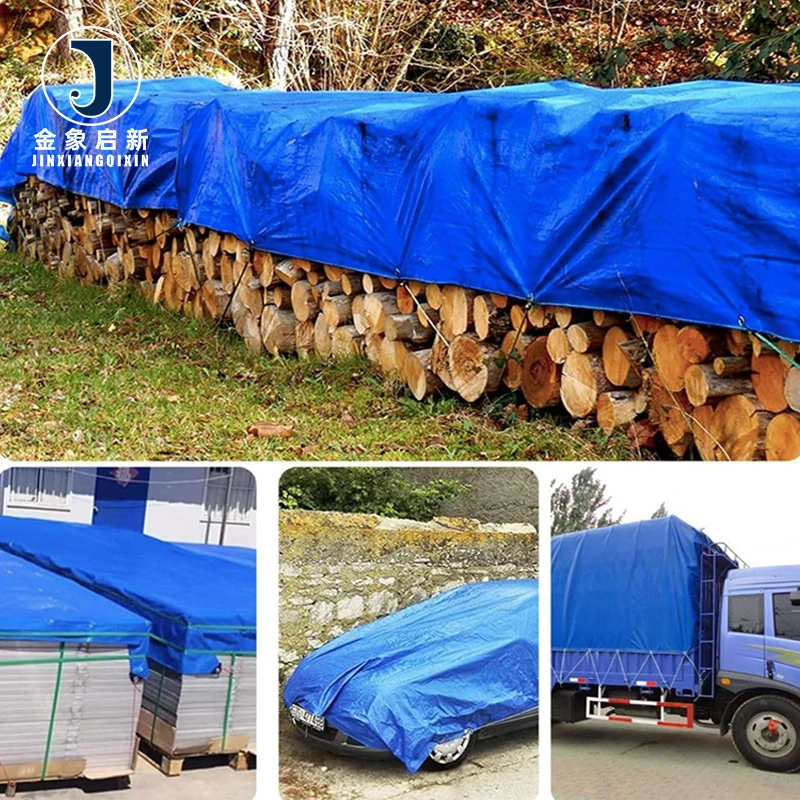
Description
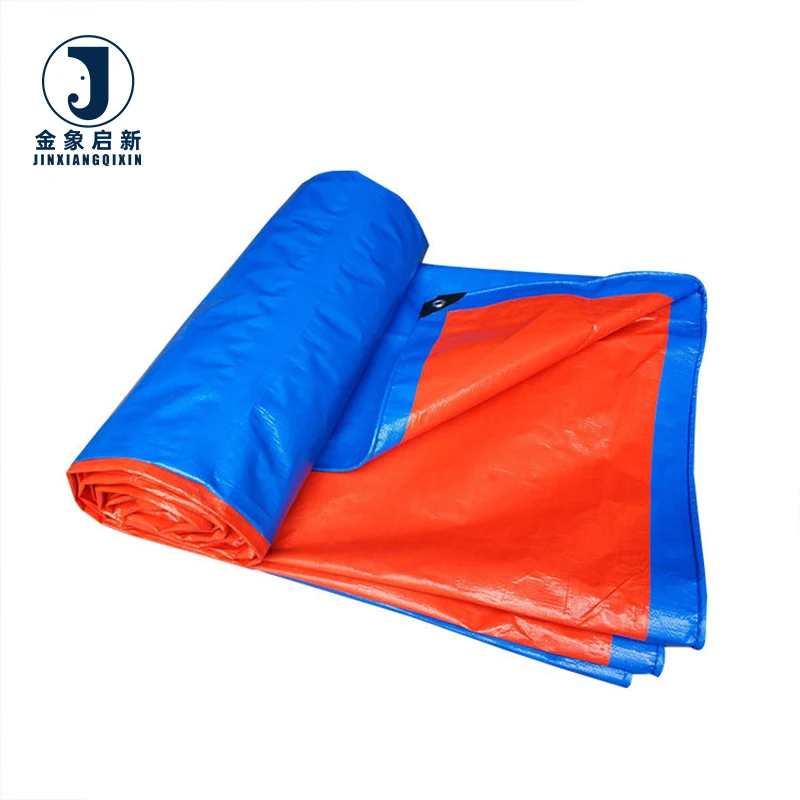
PE Tarpaulin Roll Stock Wholesale – Tear-Resistant Waterproof with Eyelets
Volume-Ready Roll Consistency — every PE tarpaulin roll is weighed and measured against the stated GSM before dispatch, so the yield per ton you calculate at quotation matches what arrives at your warehouse.
Technical Specifications
| Parameter | Value |
|---|---|
| Product Type | PE Tarpaulin |
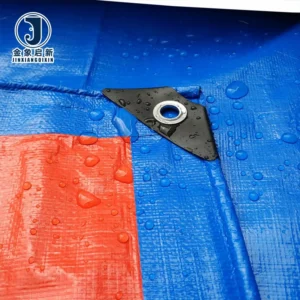
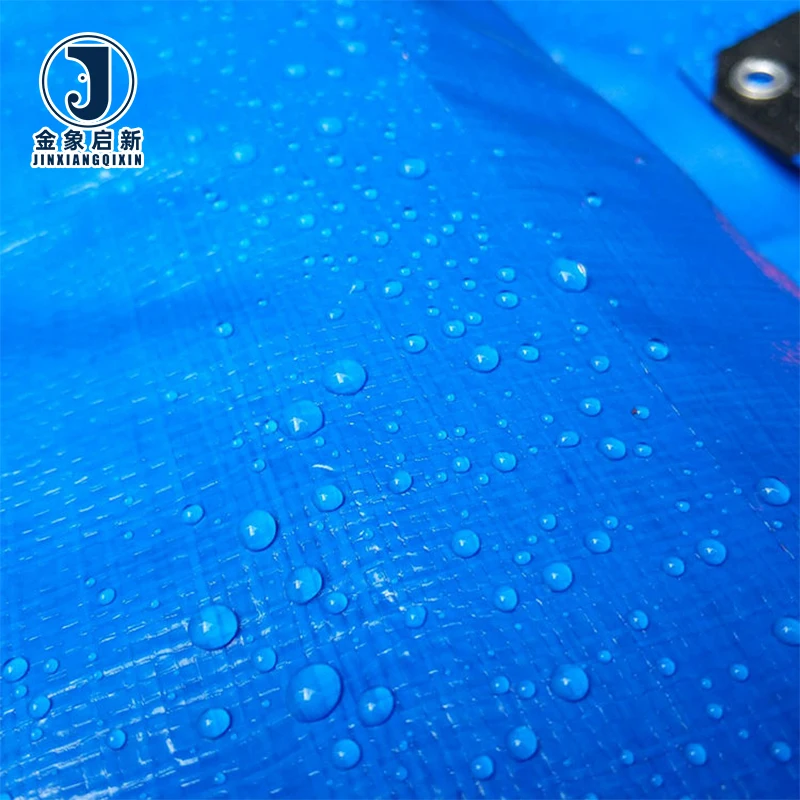
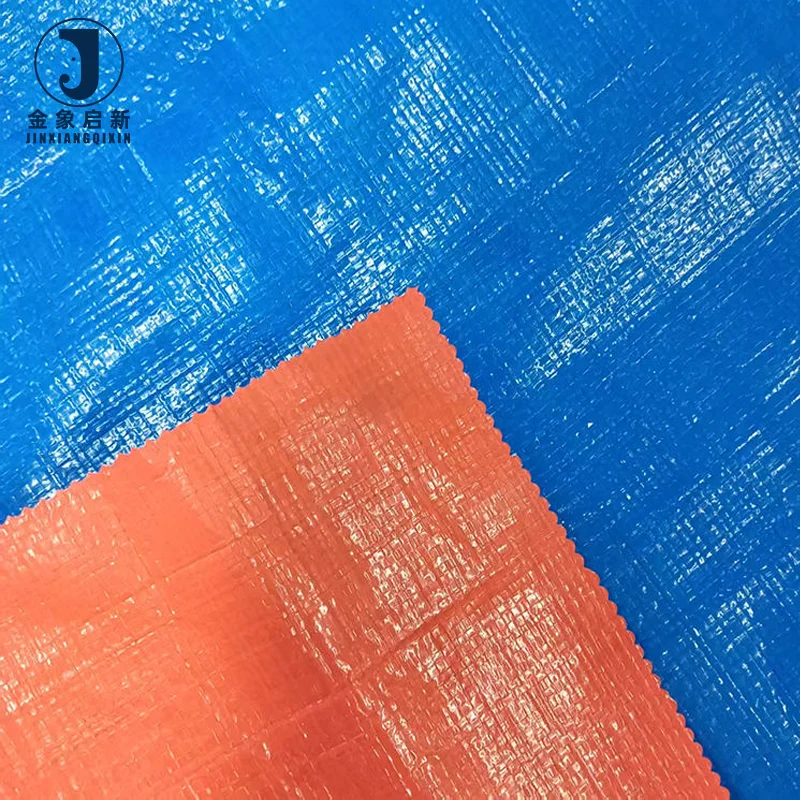
| Material | HDPE woven fabric with LDPE coating on both sides |
| Density | 6×6 to 16×16 mesh |
| Weight Range | 50 g/m² to 300 g/m² |
| Standard Roll Length | 100 m per roll |
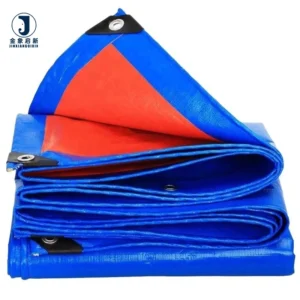
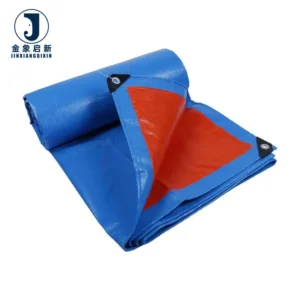
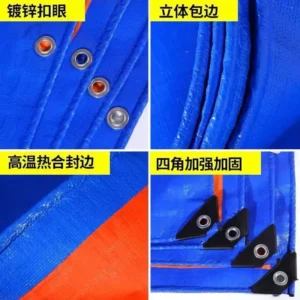
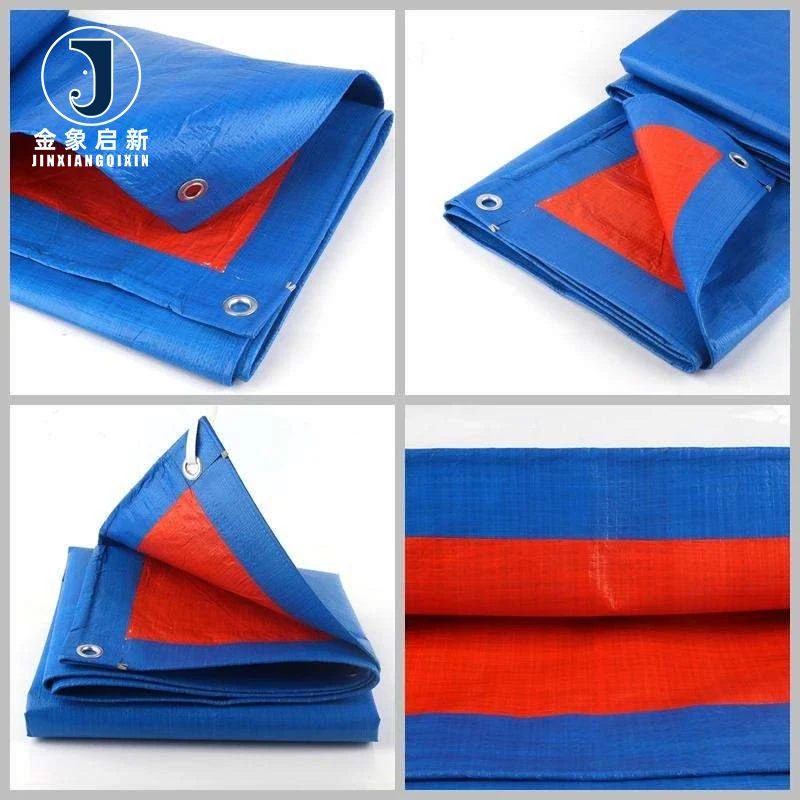
| Edge Finishing | PP rope hemmed on all edges |
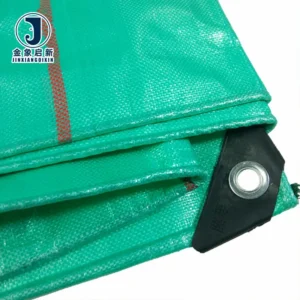
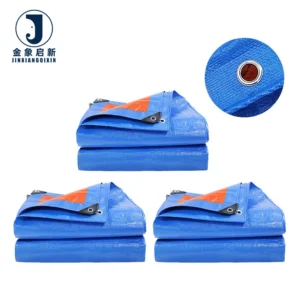
| Corner Reinforcement | Black plastic triangle at all corners |
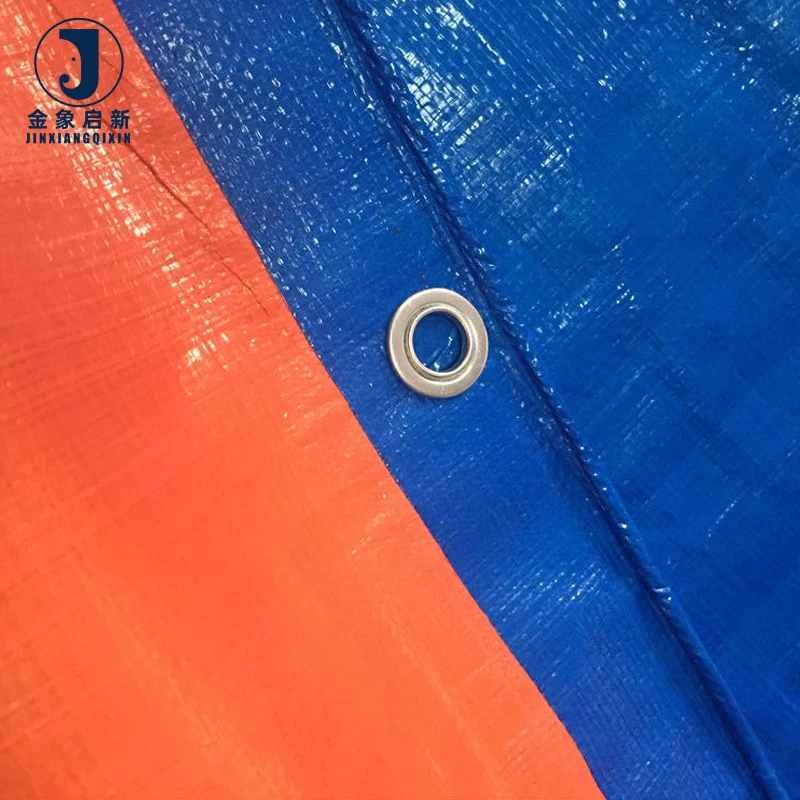
| Eyelets | Rustproof aluminum, spaced at 1 m or 1.5 m intervals |
| Color Options | Blue, Orange, White, Black, Grey, Yellow, Green, Red, or custom |
| Printing | Custom logos and company information; reinforced strip available |
| Special Treatment | Fire resistant and UV protection available — confirm the grade required for your market |
| Certifications | ISO, CE |
Application Suitability
| Application | Exposure & Requirement |
|---|---|
| Distributor and importer warehousing | Multiple GSM grades stocked for regional resale, requiring roll-to-roll weight and colour consistency across container loads |
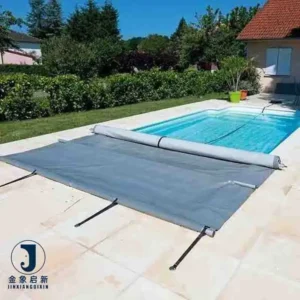
| Construction site and equipment covers | Outdoor weathering, abrasion from aggregate and tools, frequent handling and repositioning |
| Agricultural and aquaculture stock covers | Moisture exposure, UV from prolonged outdoor storage, wind uplift on open stockpiles |
| Pond and reservoir lining | Continuous water contact, soil chemistry exposure, puncture risk during installation |
| Temporary shelters and enclosures | Wind load, rain ingress, rapid deployment and teardown cycles |
Why GSM Verification Matters More Than the Quoted Number for Bulk PE Tarpaulin
A roll that measures lighter than its quoted GSM delivers less material per square metre, reducing coverage yield and compromising the tensile performance the buyer specified.
When a container of PE tarpaulin roll stock arrives and the buyer cuts a sample to verify weight, finding it below the agreed GSM creates an immediate commercial dispute. The material may be thinner at the coating layer, or the base fabric weave may have fewer picks per inch than the density chart suggests. In high-volume wholesale, even a small shortfall compounds across hundreds of rolls [NEED_CITE: weight verification methods for woven coated fabrics per ISO testing protocols]. The result is a distributor selling a product that underperforms against the specification their end customers rely on.
How Batch Consistency Is Controlled Across a Container Load
PE tarpaulin roll stock destined for wholesale distribution must maintain uniform colour and coating weight from the first roll to the last. Coating batches are matched to a single production run per order, so the LDPE layer applied to the HDPE woven base carries the same pigment loading throughout. This prevents the visible colour shift that appears when two rolls from different coating batches are unrolled side by side on a job site. Buyers ordering a full container load receive rolls from one continuous production sequence, with each roll tagged to its batch reference for traceability.
What Density and Mesh Count Mean for Roll Performance
The woven base fabric density, ranging from 6×6 to 16×16 mesh, determines how the HDPE tapes interlock before the LDPE coating is applied. A tighter mesh produces a denser substrate that resists tearing along the weave direction, while a looser mesh keeps the roll lighter and more pliable for applications where flexibility matters more than tear strength. Selecting the correct density for the intended application prevents over-specifying for general-purpose covers or under-specifying for construction and agricultural use where puncture and abrasion resistance are critical [NEED_CITE: relationship between woven mesh count and tear propagation in polyethylene fabrics].
Reading the Specification Sheet Beyond the Weight Number
A PE tarpaulin roll specified only by GSM tells an incomplete story. The base fabric density (6×6 through 16×16 mesh) and the coating weight applied to each side together determine the final GSM, but they influence performance differently. A heavier coating on a loose weave may reach the target GSM yet lack the structural integrity of a lighter coating on a tight weave. The LDPE coating on both sides provides balanced waterproofing, while the PP rope hemmed edges and rustproof aluminum eyelets at 1 m or 1.5 m intervals handle the mechanical loads at attachment points. Understanding how these elements interact allows buyers to specify rolls that perform to the application, not just to a weight number.
The Hidden Cost of Specifying on Price per Ton Alone
Ordering PE tarpaulin roll stock based solely on the lowest price per ton often means accepting rolls where the coating has been reduced to hit a cost target. The material arrives at the quoted GSM, but the balance between base fabric and coating has shifted. Thinner LDPE layers compromise waterproofing at the hem and eyelet areas, where water ingress starts before the main panel fails. Distributors who resell these rolls face returns from end users who experience premature coating delamination or edge tearing [NEED_CITE: common failure modes in polyethylene tarpaulin at hem and eyelet stress points]. The cost saving per ton is quickly erased by warranty claims and lost repeat orders.
What This Supply Chain Delivers for Roll Stock Buyers
Three full production lines and 36 sets of professional equipment provide the capacity to fill container-load orders on a reliable schedule. The 10-person R&D team develops colour-matched samples within days, allowing distributors to approve the exact shade before the production run begins. Dedicated QA/QC at every production stage includes roll-by-roll weight verification against the stated GSM, ensuring the specification on the quotation is the specification that ships. Samples are developed for custom widths, colours, and printing requirements, with the same process controls applied to the bulk run. Pre-shipment inspection covers every roll, not a statistical sample, so the packing list reflects verified weights and dimensions.
Documentation & Verification
- Material specification sheet stating GSM, HDPE base fabric density, and LDPE coating weight per roll batch
- Pre-shipment inspection record with roll-by-roll weight verification against quoted specification
- Roll packing list with exact roll count, net weight, and container loading plan by roll or bale format
- Certificate of origin and full customs documentation supporting cross-border shipment clearance
- Test documentation for fire resistant or UV protection grades — confirm the grade required for your destination market
Fabrication, Handling & Storage
- Cut rolls on a flat surface with sharp blades to avoid fraying the HDPE woven edges before hemming
- Heat-seal hems at temperatures suited to LDPE coating to maintain bond strength at PP rope edges
- Install rustproof aluminum eyelets through the reinforced black plastic triangle corners for maximum pull-out resistance
- Store rolls upright on pallets to prevent flat spots and permanent creasing across the 100 m length
- Avoid prolonged UV exposure of unpacked rolls on site — deploy or cover within days of delivery
- Clean with mild detergent and soft brush; avoid solvents that attack the LDPE surface coating
What to Include with Your Inquiry
Provide the target GSM range and the application your end users will put the rolls into, so the correct mesh density and coating balance can be recommended. Specify the roll width and any custom colour or logo printing requirements, along with the container volume you plan to order. If your market requires fire resistant or UV-protected grades, state the certification or standard your local regulations demand. Confirm whether you need rolls only or finished cut sheets with eyelets and hemming included.
Frequently Asked Questions
Q: How is GSM verified on each roll before shipment?
A: Every roll is cut to a measured sample area and weighed on calibrated scales before packing. The result is recorded against the quoted GSM on the pre-shipment inspection record, which accompanies the shipment documentation. Buyers can repeat the same cut-and-weigh method on arrival to cross-check.
Q: Can colour consistency be guaranteed across all rolls in one order?
A: All rolls in a single order are produced from one matched LDPE coating batch, using the same pigment formulation throughout the run. A physical colour swatch is approved before production begins, and each roll is visually checked against this reference during final inspection.
Q: Which packing format maximizes container utilization?
A: Tarpaulin rolls loaded into a 40HQ container can carry over 28 tons, while bale packing of finished sheets reaches a similar capacity. Roll packing generally yields higher weight per container for distributors who cut and finish locally, while bales suit buyers who need ready-to-sell sheet sizes.
Q: What are the minimum order quantities for custom widths or colours?
A: Custom widths and colours are produced as full container-load orders to maintain batch consistency across the run. The exact minimum depends on the roll width and GSM selected, as wider or heavier rolls fill container weight limits with fewer units. Submit your target specification for a confirmed minimum.
Q: What roll lengths and sheet sizes are available?
A: Standard roll stock ships at 100 m per roll, with custom lengths available on request. Cut sheets are available in standard sizes including 2×3, 4×5, 6×8, 10×12, and 12×14 m, or cut to buyer-specified dimensions with PP rope hems and aluminum eyelets included.