Description
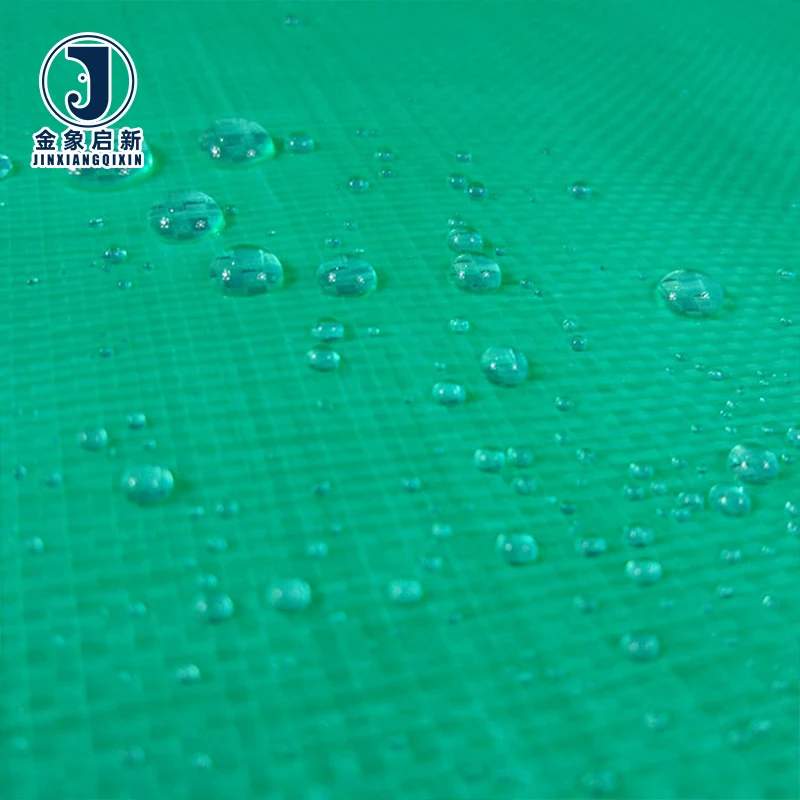
Roll-to-Roll Batch Consistency — dedicated QA/QC inspects coating weight and colour shade at every production stage, verifying each roll against the stated GSM before dispatch to eliminate on-arrival surprises.
Technical Specifications
| Parameter | Value |
|---|---|
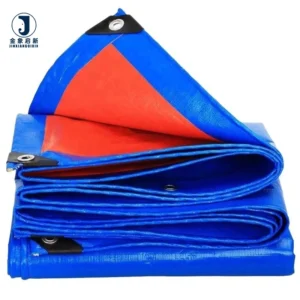
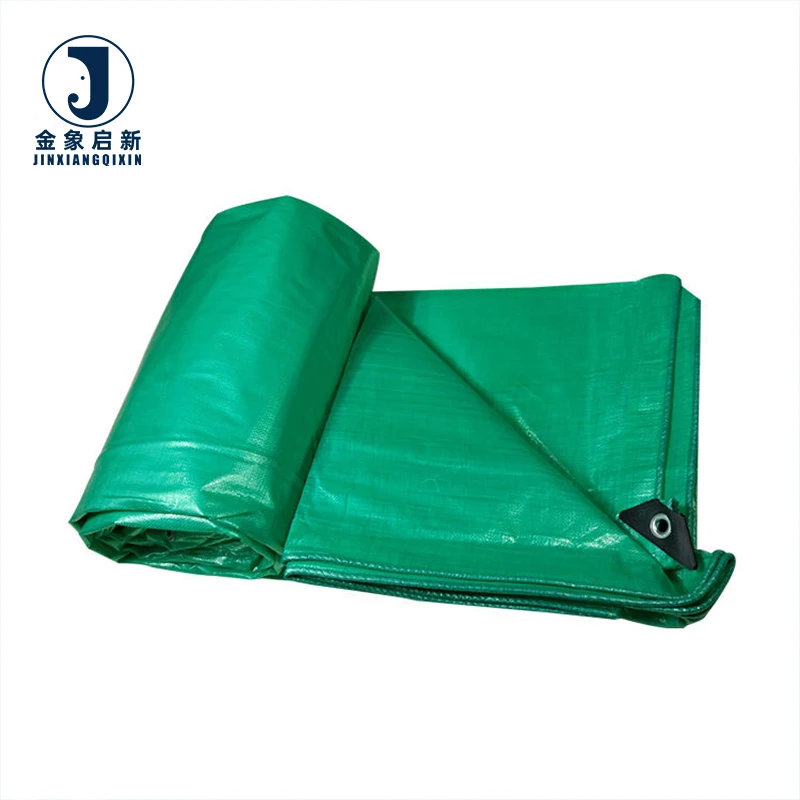
| Product Type | PE Tarpaulin Roll |
| Coating Material | HDPE weaving with LDPE lamination on both sides |
| Weight (GSM) | 50 g/m² to 220 g/m² available across product family — confirm the grade for your application |
| Total Thickness | 0.2–0.4 mm / 8 mil–16 mil |
| Mesh Count Options | 6×6, 6×7, 7×7, 7×8, 8×8, 9×9, 8×10, 10×10, 12×12, 14×14, 14×16 |
| Roll Width | 6 ft, 8 ft, 10 ft, 12 ft, 2 m, 4 m, 6 m |
| Roll Length | 100 yards, 100 meters, or custom |
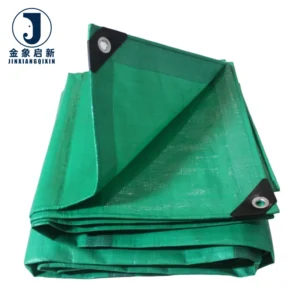
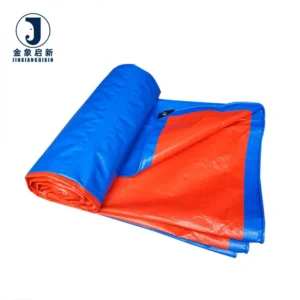
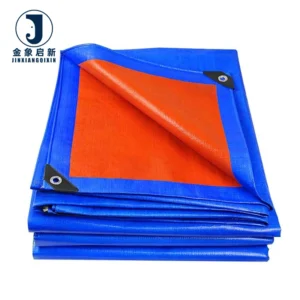
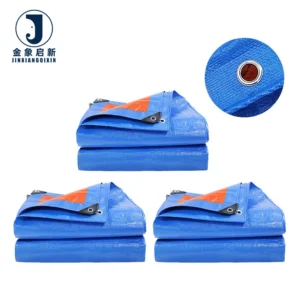
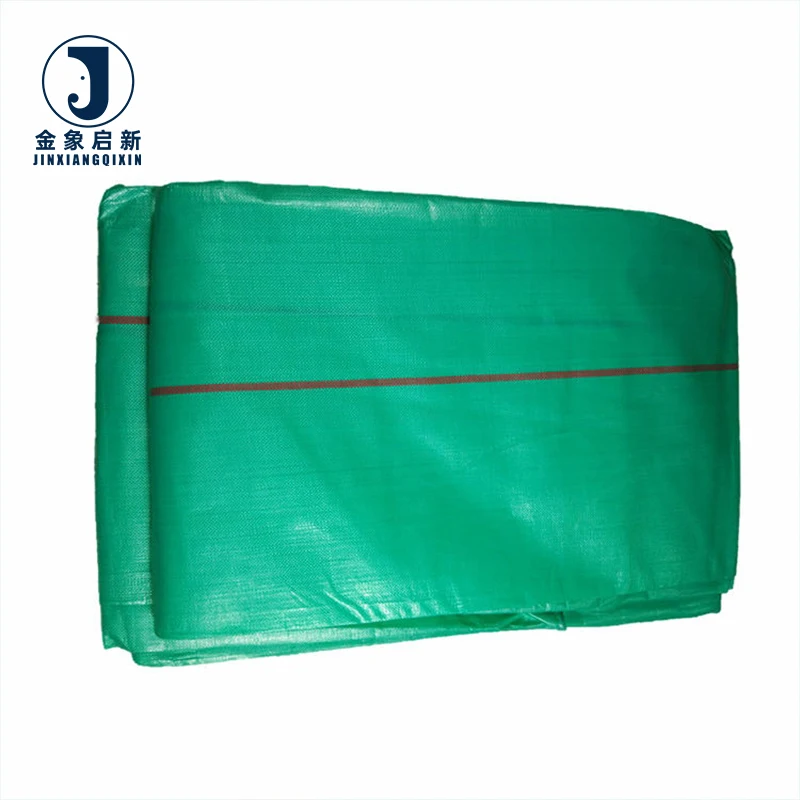
| Color | Blue, Blue/Orange, Green, Grey, Black, Clear, Grey/Green, Orange, or custom |
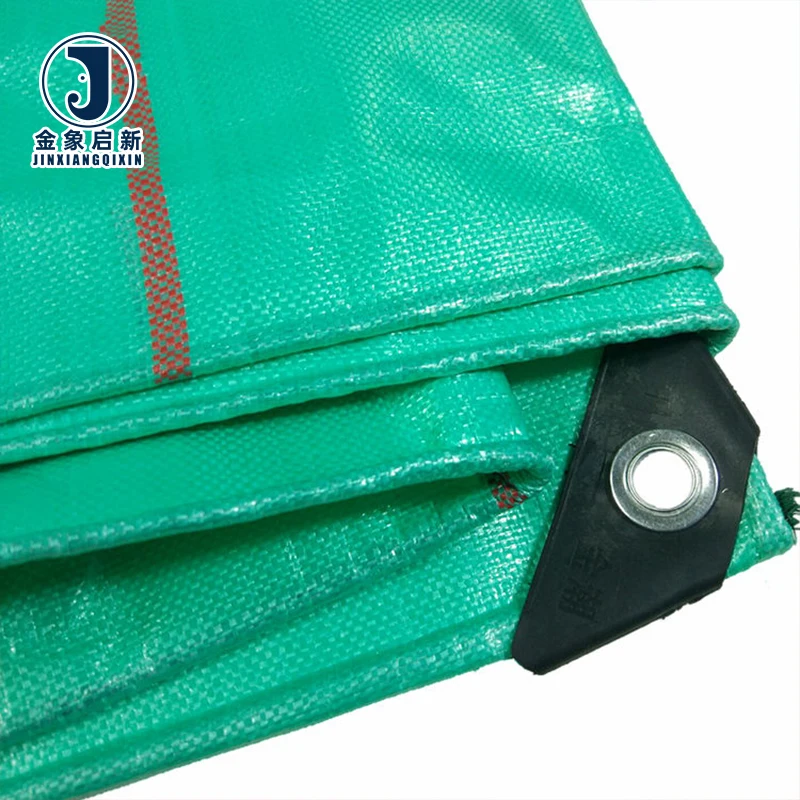
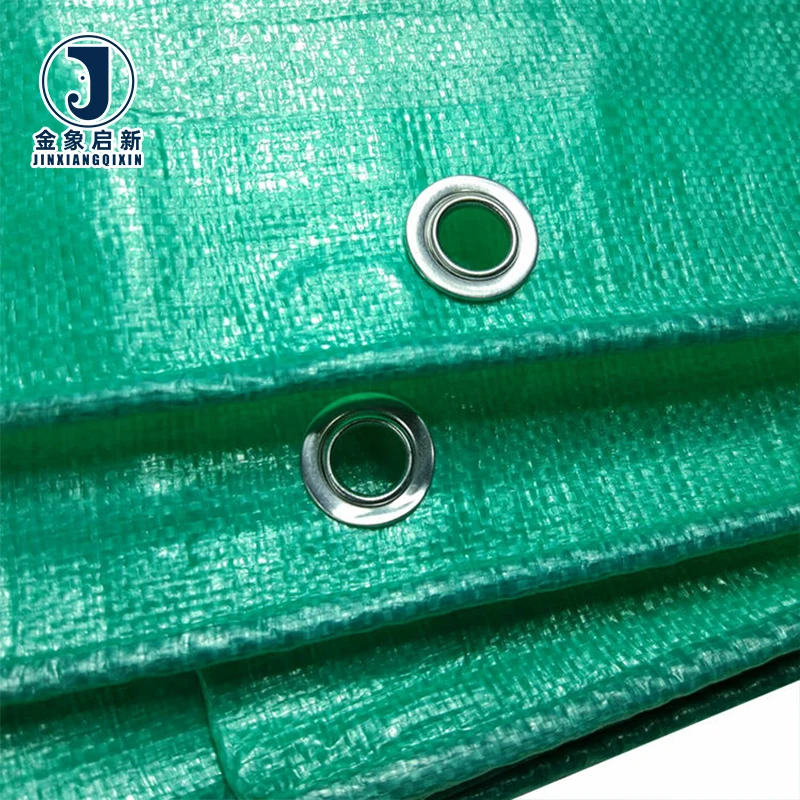
| Edge Reinforcement | PP rope reinforced hem on all four edges |
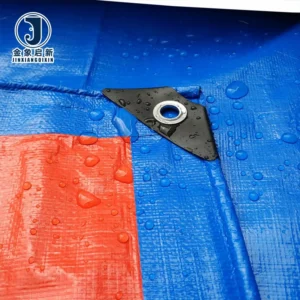
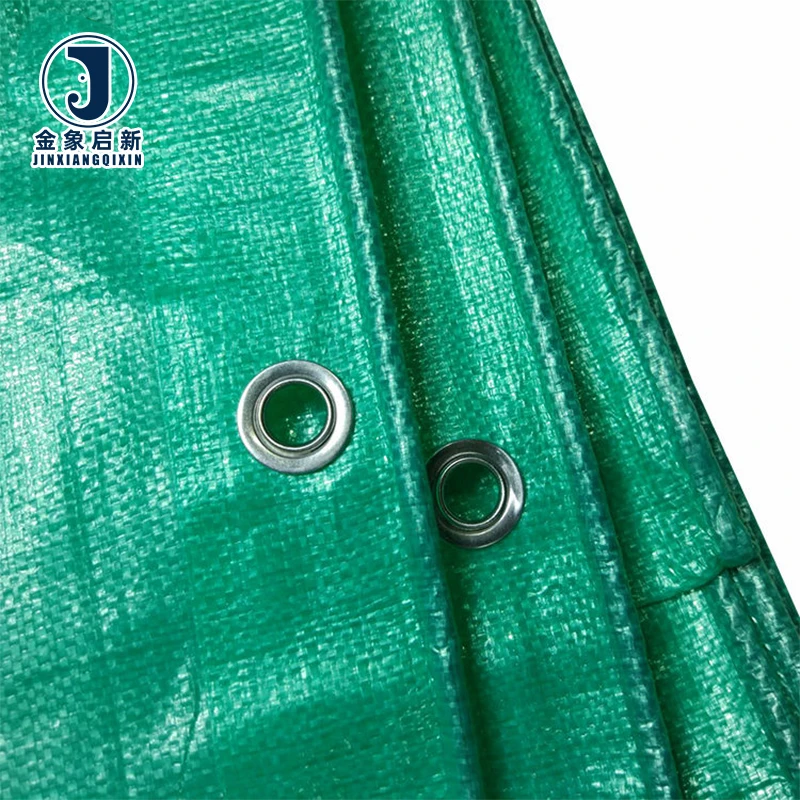
| Eyelets | Galvanized, spaced every 3 ft or 1 meter |
| Corner Protection | Reinforced plastic corners |
| Waterproof | Yes |
| UV Treatment | Available (test basis not stated) |
| Anti-Mildew | Yes |
| Printing Option | Custom printing available |
| Key Features | Waterproof, washable, tear resistant, mildew proof, anti-aging |
Application Suitability
| Application | Exposure & Requirement |
|---|---|
| Tarpaulin distributor stock inventory | Multiple grades and colours in a single container, consistent shade across rolls for retail resale |
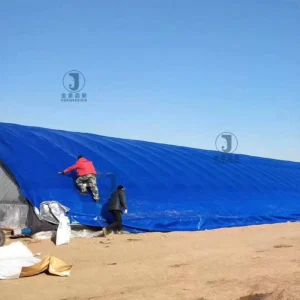
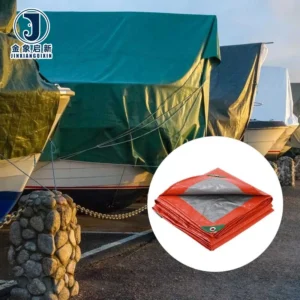
| Agricultural crop and hay covering | Continuous outdoor sun and rain, wind uplift on field edges, mildew risk in humid storage |
| Construction site scaffolding wrap | Abrasion against steel tube edges, wind load on large panels, dust containment |
| Timber and building material storage | Long-term water contact on ground level, UV exposure, tear risk during forklift handling |
| Pond and reservoir lining | Permanent water immersion, soil chemistry contact, puncture risk from substrate irregularities |
| Truck and vehicle fleet cover fabrication | Repeated fitting and removal, abrasion at flex points, road dust and weather exposure |
Why GSM Alone Does Not Guarantee Roll-to-Roll Consistency
Quoted GSM and arriving GSM are two different numbers unless every roll is individually verified before it leaves the factory.
We have seen wholesale buyers receive containers where the first roll weighs 180 g/m² on the scale but the last roll in the same batch drops noticeably lighter — a gap that only shows up when the buyer cuts into production. Colour shade can drift between rolls in the same order as well, and the variation becomes visible the moment two panels are installed side by side on a warehouse wall or a truck trailer [NEED_CITE: common causes of batch colour drift in HDPE woven tarpaulin production]. Our in-process QA checks coating weight and chromatic consistency at each stage, not only at the quotation desk, so the PE tarpaulin roll wholesale order you receive matches the specification you approved.
Mesh Density Selection Across the Product Family
Choosing the right weave count determines how the fabric performs under tension, abrasion and prolonged weather exposure. The available mesh counts span from 6×6 for lightweight agricultural covers to 14×16 for heavy-grade industrial wraps. Each mesh count maps to a specific GSM band, so selecting the correct density avoids over-specifying cost on applications that only need basic rain protection or under-specifying on covers that must resist wind load and mechanical handling.
Colour and Width Consistency for Container-Load Buyers
When a distributor unloads a 40-foot container and stocks multiple rolls on the warehouse shelf, visible shade variation between adjacent rolls undermines retail credibility. Batch colour control in our PE tarpaulin roll wholesale supply starts from matched resin batches at the lamination stage and continues through inline visual checks. Roll width consistency is held within tolerance across the full production run, so a buyer ordering 6-metre width can plan cutting layouts without compensating for narrow rolls [NEED_CITE: roll width tolerance standards for woven polyethylene fabric].
Reading the Weave-to-Weight Relationship
GSM alone does not describe how a PE tarpaulin will behave when a ratchet strap pulls against it or a forklift corner catches an edge. Tensile and tear resistance come from the combination of HDPE tape denier and weave density — a 10×10 mesh with thicker tape yarns can outperform a 12×12 mesh made with thinner yarns, even at similar GSM. The LDPE lamination on both sides contributes waterproofing and surface toughness but adds weight without adding proportional strength, so understanding the base fabric specification is as important as reading the finished roll weight. Mesh count, tape denier and lamination thickness together define the real-world handling behaviour of every grade in this PE tarpaulin roll wholesale range.
The Hidden Cost of Inconsistent Roll Stock
A distributor who stocks rolls with unverified GSM faces customer returns when end users discover the material tears at tie-down points far earlier than expected. Colour drift between rolls in the same shipment forces fabricators to sort and match panels manually, adding labour cost and delaying installation schedules. Width variation across a batch means cutting layouts must be reworked on the shop floor, wasting material and time [NEED_CITE: hidden material waste from off-spec roll width in bulk tarpaulin orders]. These problems rarely appear in a sample sent before the order — they surface only when full production rolls arrive in quantity.
Why Source PE Tarpaulin Roll Stock Through Our Lines
Three full production lines with 36 sets of professional equipment handle bulk roll output while maintaining mesh count and coating weight within specification. Our 10-person R&D team develops samples within days when buyers need a specific width, colour or mesh density confirmed before committing to a container load. Dedicated QA/QC inspectors verify GSM, colour shade and dimensional accuracy at every production stage, producing a pre-shipment inspection record that travels with the cargo. Roll packing on hard paper tubes with protective tarpaulin wrapping maintains transit integrity across long sea routes. Documentation packages arrive complete with material specification sheets, packing lists by roll count and CBM, and certificate of origin for customs clearance.
Documentation & Verification
- Weight verification record per roll against the stated GSM before dispatch
- Material specification sheet listing base fabric mesh count, lamination type and colour reference
- Pre-shipment inspection record covering roll dimensions, colour consistency and visual defects
- Roll packing list detailing roll count, net weight and CBM per container
- Certificate of origin and customs documentation included with every shipment
Fabrication, Handling & Storage
- Hot-air welding temperature should match the LDPE lamination thickness to avoid delamination at seams
- Galvanized eyelets spaced at 1-metre intervals distribute tie-down load across the PP rope hem
- Store rolls upright on pallets to prevent flat-spot deformation on the LDPE coating surface
- Unroll in temperatures above 5 °C to prevent crease cracking in cold-stiffened LDPE layers
- Cut panels with allowance for thermal expansion in summer heat to avoid edge tension failure
Share Your Requirements Before We Quote
Tell us the mesh density and GSM range your market demands, the roll widths your cutting line handles, and the colour palette your customers expect. If you need custom printing or non-standard roll lengths, share the annual volume so we can confirm realistic lead times and minimums. Buyers who specify end-use conditions — whether scaffolding wrap, pond liner or truck cover stock — receive more accurate grade recommendations at the quotation stage.
Frequently Asked Questions
Q: Can you guarantee the GSM on arrival matches the quotation?
A: Every roll is weighed and measured during pre-shipment inspection, and the verification record is included with shipping documents. We do not rely solely on the GSM stated at the quotation stage — our QA team checks coating weight at each production step so the material arriving at your warehouse matches the specification you approved.
Q: Will all rolls in one order have the same colour shade?
A: We match resin batches at the lamination stage and run inline visual checks across the full production run. A pre-shipment sample swatch set is available so you can confirm shade consistency before the container loads. This control is critical when rolls are sold side by side at the retail counter.
Q: What are the minimums for custom width or length?
A: Custom roll widths and lengths are available across the mesh density range, with minimums depending on the specific weave count and colour selected. Our R&D team provides realistic minimum quantities and lead times at the sample stage so you can plan your container order without surprises.
Q: How many tons or rolls fit in a 20-foot GP and 40-foot HQ?
A: Loading capacity depends on the GSM grade, roll width and packing method chosen — rolls, bales or cartons. We provide a detailed container loading plan with exact roll count, net weight and CBM for each container type, so you can maximise payload and plan freight costs accurately before placing the order.
Q: Can you supply samples before a full container order?
A: Samples are developed within days for custom width, colour or mesh density requirements. We recommend ordering samples of the specific grade you intend to stock so you can verify GSM, colour shade and handling characteristics before committing to bulk production.