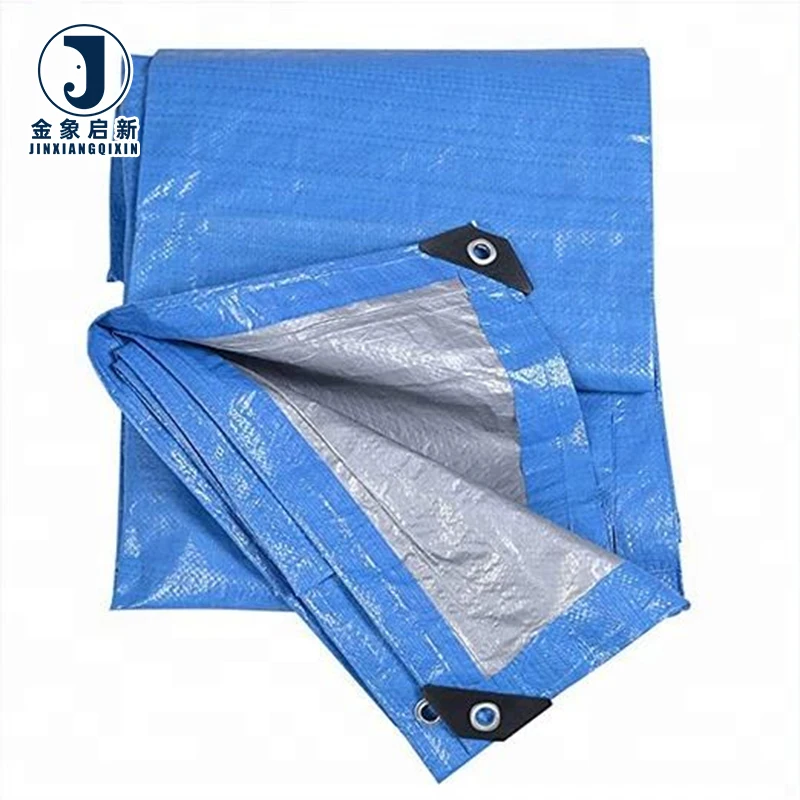
Description
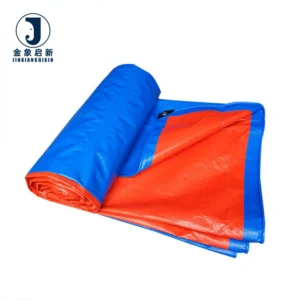
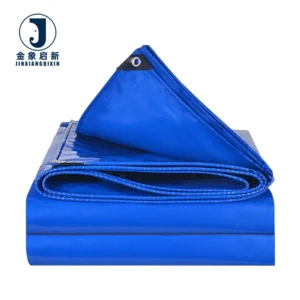
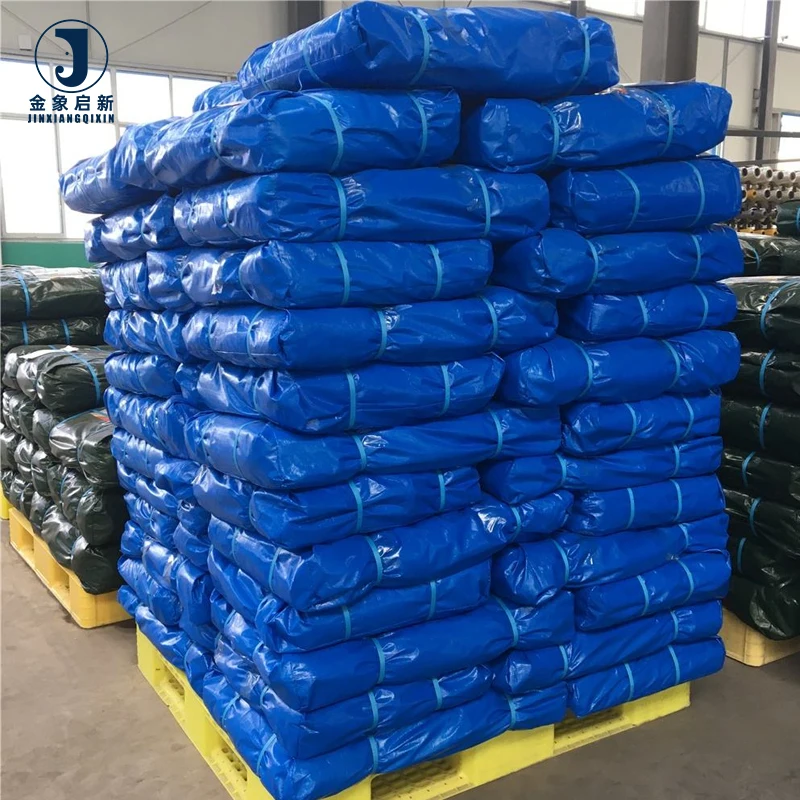
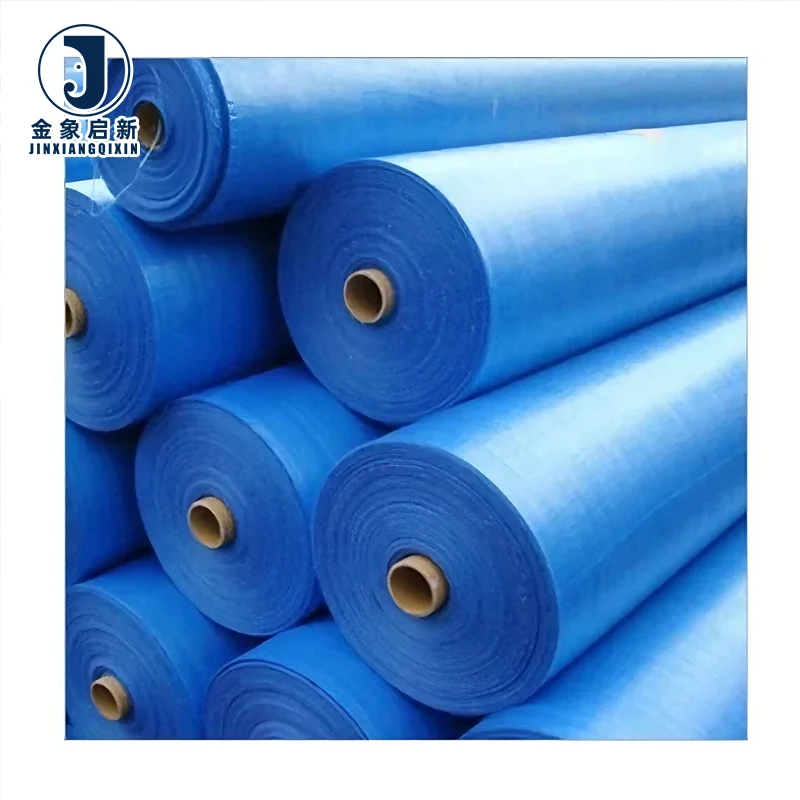
Roll-Weight Verification — every PE tarpaulin roll is sampled and weighed against the quoted GSM spec before container loading, ensuring batch-to-batch consistency across wholesale orders.
Technical Specifications
| Parameter | Value |
|---|---|
| Product Type | PE Tarpaulin |
| Coating Material | Polyethylene (PE) |
| Weight Range (Product Family) | 40 g/m² – 500 g/m² (confirm grade for your application) |
| Lightweight Grade Weight | 80 – 110 g/m² |
| Medium Grade Weight | 120 – 150 g/m² |
| Heavy-duty Grade Weight | 160 – 240 g/m² |
| Lightweight Thickness | 0.18 – 0.22 mm |
| Medium Thickness | 0.22 – 0.28 mm |
| Heavy-duty Thickness | 0.30 – 0.35 mm |
| Lightweight Mesh Count | 8 × 8 |
| Medium Mesh Count | 10 × 10 |
| Heavy-duty Mesh Count | 12 × 12 |
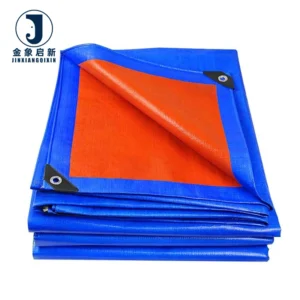
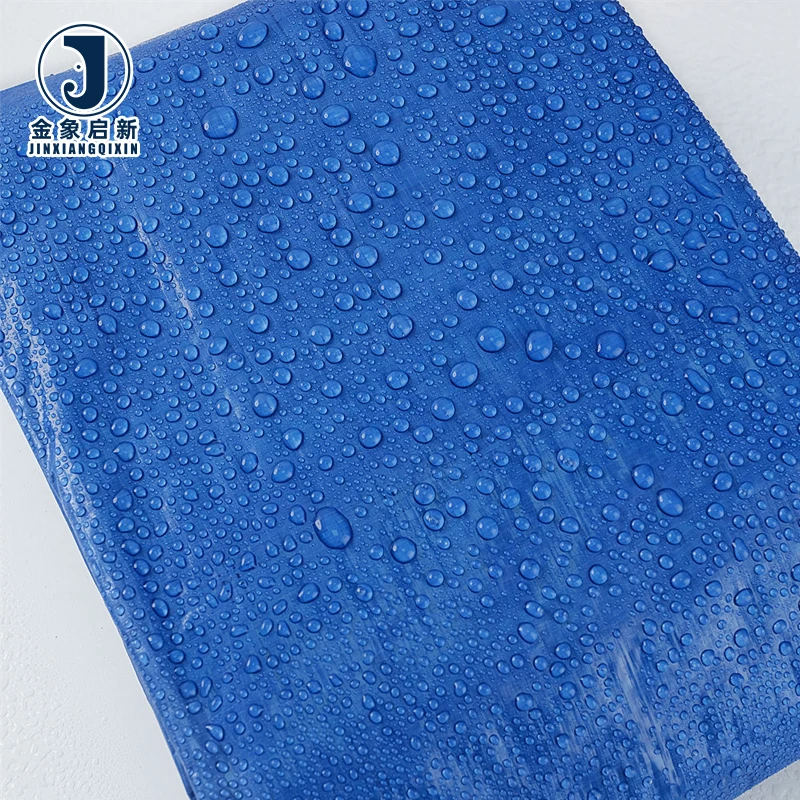
| Waterproof Construction | Double waterproof surfaces |
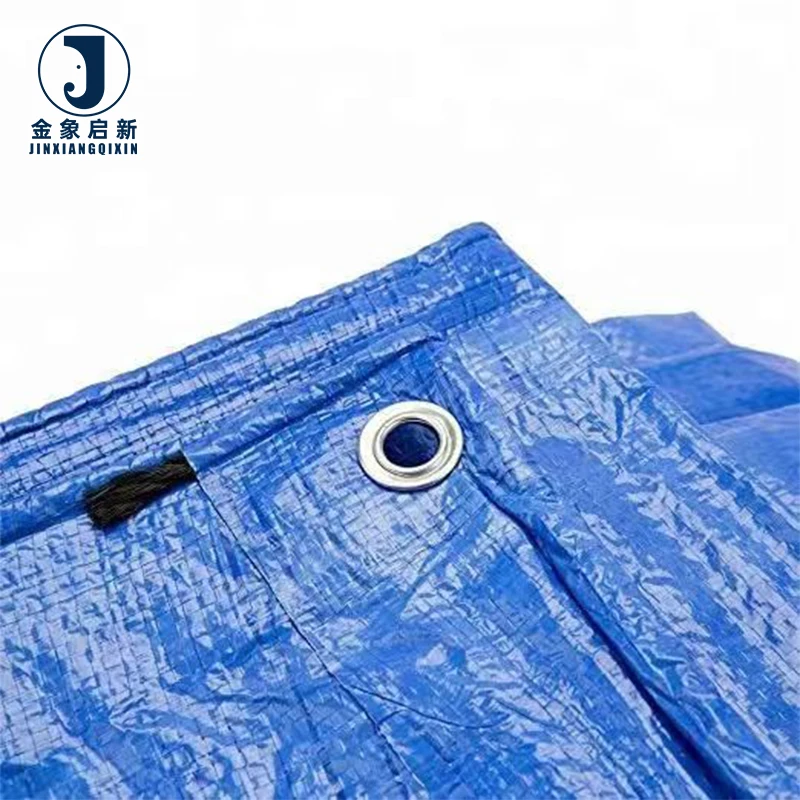
| Reinforced Corner | Yes (on finished cut sizes) |
| UV Treatment | Available (test basis not stated — confirm grade required) |
| Size | Custom size |
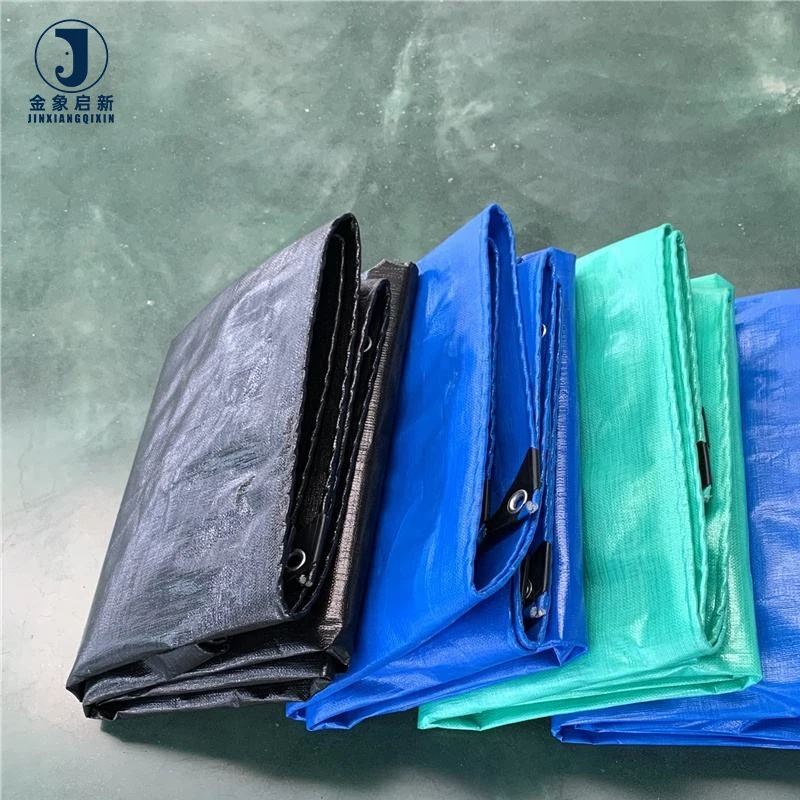
| Color | Custom color |
Application Suitability
| Application | Exposure & Requirement |
|---|---|
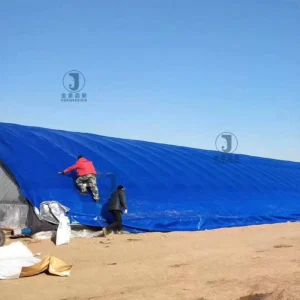
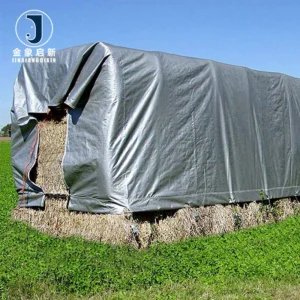
| Agricultural crop and stock covering | Prolonged sun and rain exposure, lightweight handling, seasonal installation and removal |
| Pond and reservoir lining (lightweight grades) | Continuous water contact, soil chemistry, puncture risk from substrate |
| Warehouse and yard coverage | UV and weather exposure, wind uplift on large flat spans, abrasion from stacked goods |
| Truck and trailer tarpaulin (medium grades) | Road vibration, constant flexing at tie-down points, fuel and grease splash |
| Industrial protective and transport covers (heavy-duty grades) | Heavy mechanical load, sharp edge contact, extended outdoor storage |
Why Quoted GSM Does Not Guarantee Roll-to-Roll Consistency
The only GSM that matters is the one verified on the roll that arrives at your warehouse.
Buyers sourcing PE tarpaulin roll wholesale repeatedly face a familiar problem: the quotation states one weight, but the material on arrival feels noticeably lighter. This is not always deliberate short-weighting; it can result from resin density variation, extrusion temperature drift, or simply a production run that fell below tolerance. When rolls are mixed across a container without individual verification, the lighter rolls end up on the most demanding jobs, and failures follow a predictable pattern — tearing at the tie-down eyelets, splitting at the heat-welded seams, or degrading prematurely under sun exposure. [NEED_CITE: tensile and tear test methods for coated fabrics per ISO 1421]
Stock-Grade Availability Across Weight Tiers
PE tarpaulin roll wholesale buyers need predictable availability, not just a broad catalogue. This range ships across three defined weight tiers — lightweight at 80–110 g/m² for agricultural and seasonal covers, medium at 120–150 g/m² for warehouse and transport use, and heavy-duty at 160–240 g/m² for industrial protection. Each tier maps to a specific mesh count: 8×8 for lightweight, 10×10 for medium, and 12×12 for heavy-duty. This means a buyer ordering mixed grades in a single container can expect each roll to match its tier’s published specification, with the mesh count acting as a visible, countable check on receipt.
Batch Colour and Weight Consistency Across the Order
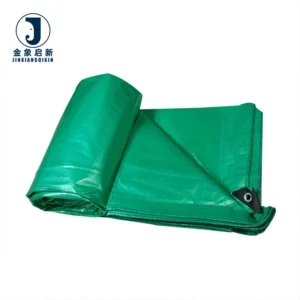
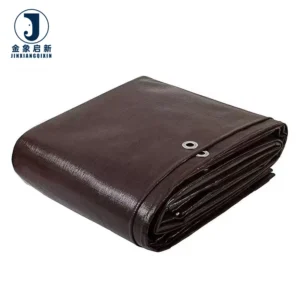
Colour variation between rolls in the same shipment is a frequent complaint from distributors who supply end-users installing covers side by side. Rolls produced in different batches or with different masterbatch lots can show visible shade shifts once unfurled next to each other on a truck or building facade. Production planning for PE tarpaulin roll wholesale orders consolidates each order into a single colour run wherever possible, with roll-to-roll colour checked against the reference swatch before packing. Weight is sampled per roll, not just per batch, so the dispatch record reflects what was actually loaded. [NEED_CITE: colour consistency standards in coated textile manufacturing]
Reading the Mesh Count as a Strength Indicator
Mesh count — the number of warp and weft yarns per unit area — directly governs tensile behaviour in PE tarpaulin. A shift from 8×8 to 12×12 mesh increases the number of load-bearing yarns crossing any given line in the fabric, which raises both meridian and latitude tensile strength. For lightweight grades at 8×8, meridian tensile sits in the 300–500 N/5cm range; heavy-duty at 12×12 reaches 900–1200 N/5cm meridian. However, mesh count alone does not determine tear resistance — the coating adhesion to the base yarn, governed by extrusion temperature and pressure, determines whether a nick propagates into a full tear. A high mesh count with weak coating bond will still fail catastrophically under point loading. Buyers specifying PE tarpaulin by weight alone risk selecting a heavy but poorly bonded roll that tears more easily than a lighter, well-bonded alternative.
The Cost of Specifying on Price Per Roll Instead of Verified Weight
When procurement decisions are driven by the lowest quoted price per roll, the mechanism is simple: the supplier reduces resin input to hit the target price, and the roll arrives below the stated GSM. The consequences cascade through the supply chain. Distributors face warranty claims from end-users whose covers fail within a single season. Agricultural operators discover that lightweight pond liners puncture under minimal substrate contact. Transport fleets find that medium-duty truck covers split at the hem under routine flexing. Every one of these failures traces back to material that was lighter than specified. [NEED_CITE: coating weight and adhesion testing for laminated polyethylene fabrics]
Sourcing Reliability for Volume Buyers
Three full production lines and 36 sets of professional equipment support bulk roll output with scheduled dispatch windows, reducing the lead-time uncertainty that disrupts container planning. A 10-person R&D team handles custom colour matching and width requests, developing samples within days so that buyers can approve before committing a full container. Dedicated QA and QC staff inspect every roll before it is packed, generating a pre-shipment record that travels with the documentation set. ISO and CE certification underpins the production system, and the roll packing list details exact roll count, net weight, and container loading plan so buyers know precisely what is on the water. Export documentation, including certificate of origin and customs support, is prepared per dispatch to clear importing markets without delay.
Documentation & Verification
- Material specification sheet confirming base fabric, PE coating weight, and colour reference per grade ordered
- Pre-shipment inspection record showing GSM sampling results for each roll against the quoted specification
- Roll packing list with individual roll count, net weight, and container loading sequence
- Certificate of origin and customs documentation prepared per destination market requirements
- UV test report supplied where UV treatment is specified — confirm the grade required for your market
Fabrication, Handling & Storage
- Heat-weld seams at moderate temperature settings to avoid melting through the lightweight 0.18 mm PE coating layer
- Store rolls vertically on pallets to prevent permanent flattening and creasing across the PE tarpaulin width
- Avoid prolonged direct sun exposure on uninstalled rolls to preserve the double waterproof surface integrity
- Clean finished covers with mild detergent only; abrasive solvents degrade the PE coating surface
- Cut with sharp blades on flat surfaces to prevent fraying at the mesh yarn intersections on heavy-duty 12×12 grades
- Allow rolls to acclimatise before unrolling in cold conditions to prevent stiffness-related cracking
What We Need From Your Enquiry
To return an accurate quotation with lead time, share the target GSM or weight tier, roll width and length, and colour reference. Confirm whether UV treatment is required and state the applicable test standard for your market. If mixing lightweight, medium, and heavy-duty grades in one container, specify the roll count per grade so we can plan production runs and maintain batch consistency across the full PE tarpaulin roll wholesale order.
Frequently Asked Questions
Q: How is GSM verified per roll and what can I check on arrival?
A: Each roll is sampled and weighed during pre-shipment inspection, with results recorded against the quoted spec. On arrival, you can cut a measured sample from the roll end and weigh it on a calibrated scale. Compare the result to the GSM stated on the material specification sheet included with your shipment documentation.
Q: How do you keep colour consistent across rolls in the same order?
A: Production for a single order is consolidated into one colour run using the same masterbatch lot. Rolls are visually checked against the approved colour reference swatch during packing. If an order volume requires multiple production runs, we flag this in advance and manage shade tolerance across batches.
Q: What roll widths and lengths are available, and can I mix grades in one container?
A: Roll width and length are set to your specification. Lightweight, medium, and heavy-duty grades can be mixed in a single container. Provide the roll count per grade and target dimensions, and we will return a container loading plan showing roll arrangement and total weight.
Q: How are rolls packed and loaded to maximise container utilisation?
A: Rolls are wrapped in protective PE film and loaded vertically or horizontally depending on the container type and roll diameter. The roll packing list details exact positioning and weight distribution. Share your container type and we will optimise the loading plan before production.
Q: What is the MOQ for custom colour or width on PE tarpaulin rolls?
A: Minimum order quantities depend on the colour and width requested. Standard stock colours carry lower minimums, while custom Pantone-matched colours require a dedicated masterbatch run. Submit your colour reference and target roll width, and we will confirm the applicable MOQ with the quotation.