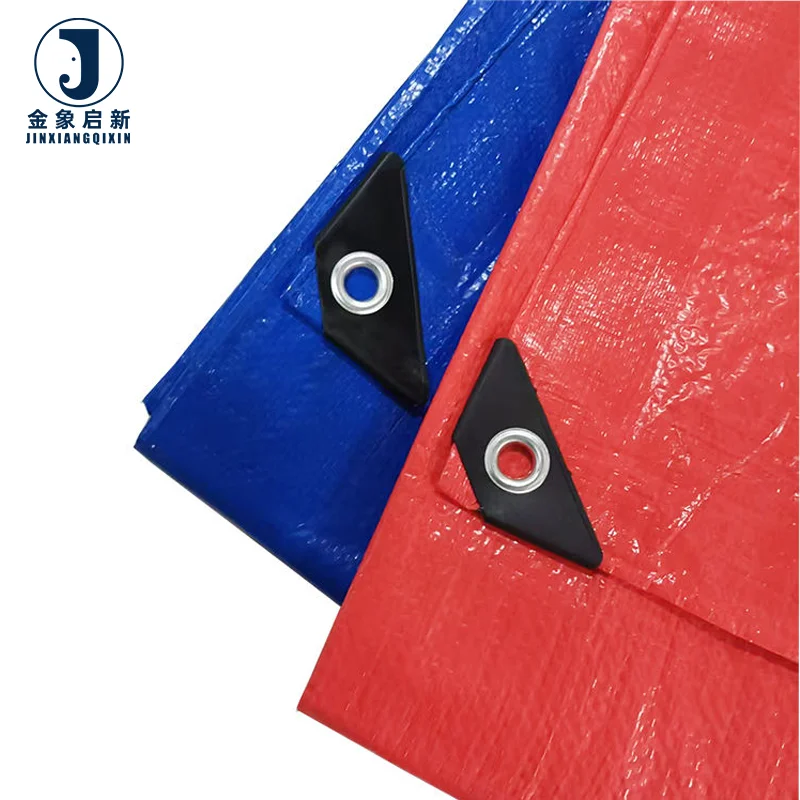
Description
Consistent roll-to-roll dye lots — Batch-level colour control and pre-shipment GSM verification keep every PE tarpaulin roll matching the approved reference, eliminating visible variation when fabricators cut and sew across multiple rolls from the same container.
Technical Specifications
| Parameter | Value |
|---|---|
| Product Type | PE Tarpaulin |
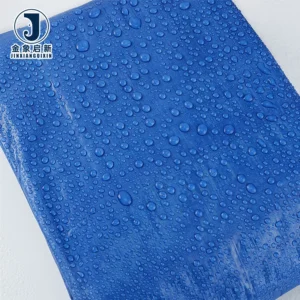
| Material | HDPE weaving with LDPE lamination on both sides |
| Coating Method | Laminated |
| Coating Material | PE (LDPE lamination) |
| Thickness | 0.2–0.4 mm / 8 mil–16 mil / Custom |
| Available GSM Range | 50 g/m² to 220 g/m² (confirm grade for order) |
| Mesh Count Options | 6×6, 6×7, 7×7, 7×8, 8×8, 9×9, 8×10, 10×10, 12×12, 14×14, 14×16 weave |
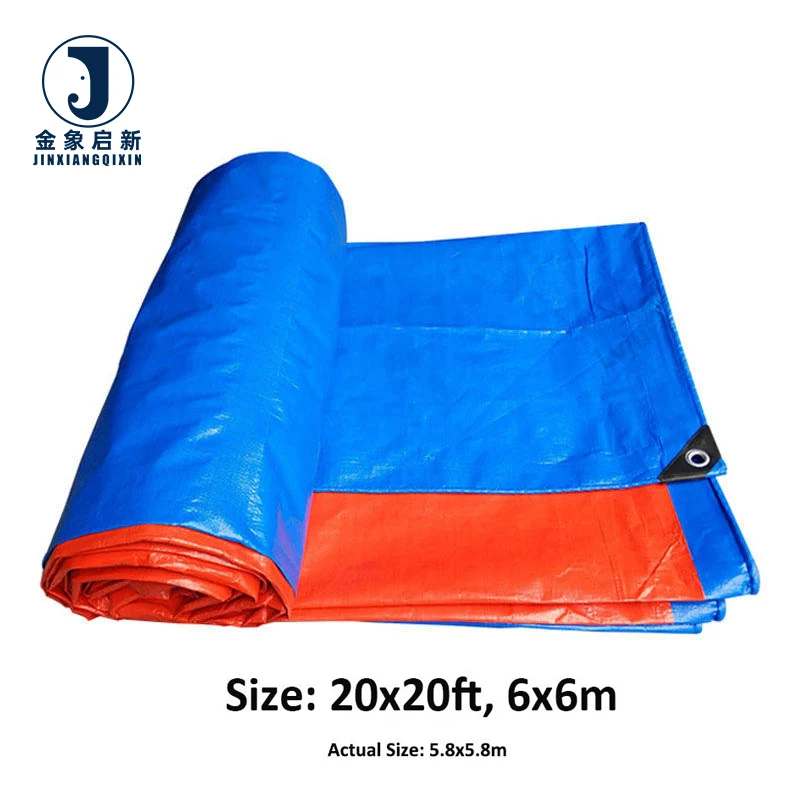
| Roll Width | 6 ft, 8 ft, 10 ft, 12 ft or 2 m, 4 m, 6 m |
| Roll Length | 100 yards, 100 meters, or custom |
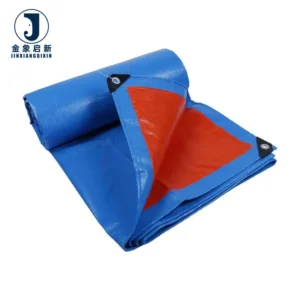
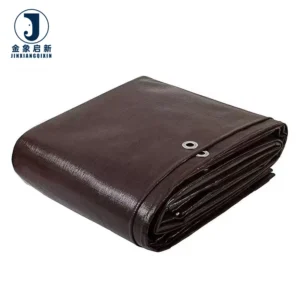
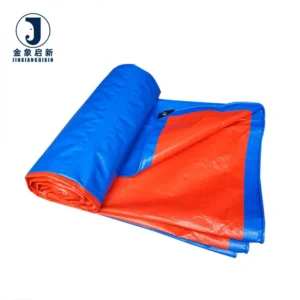
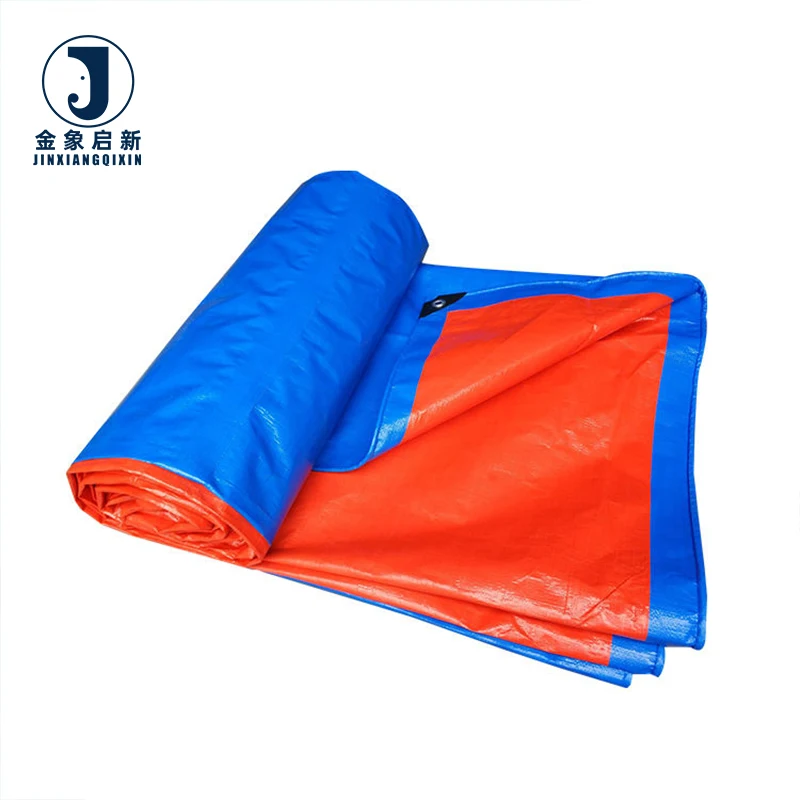
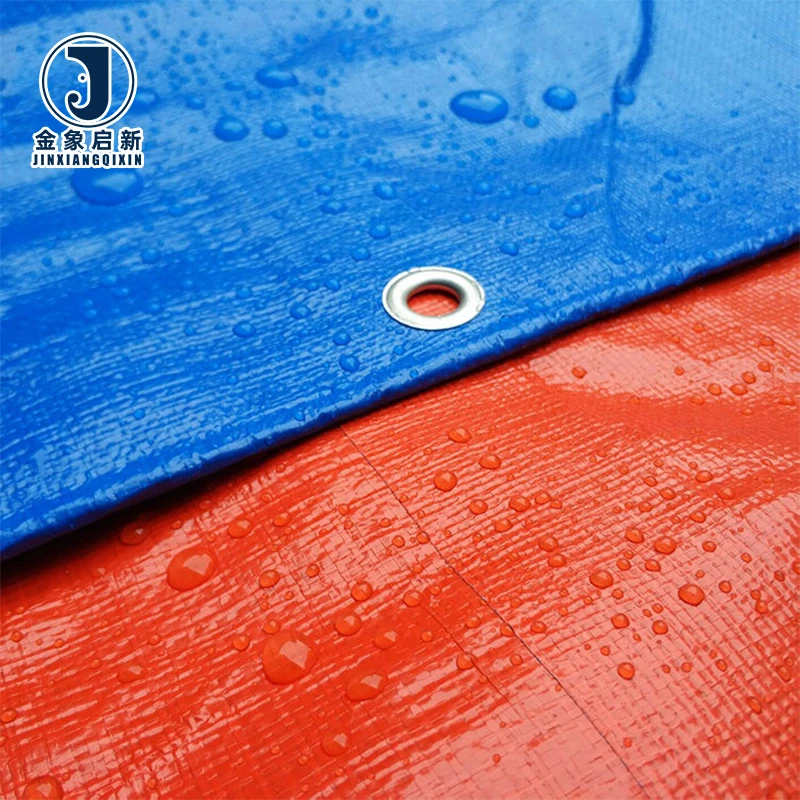
| Colour Options | Blue, Blue/Orange, Green, Grey, Black, Clear, Grey/Green, Orange, or custom colour |
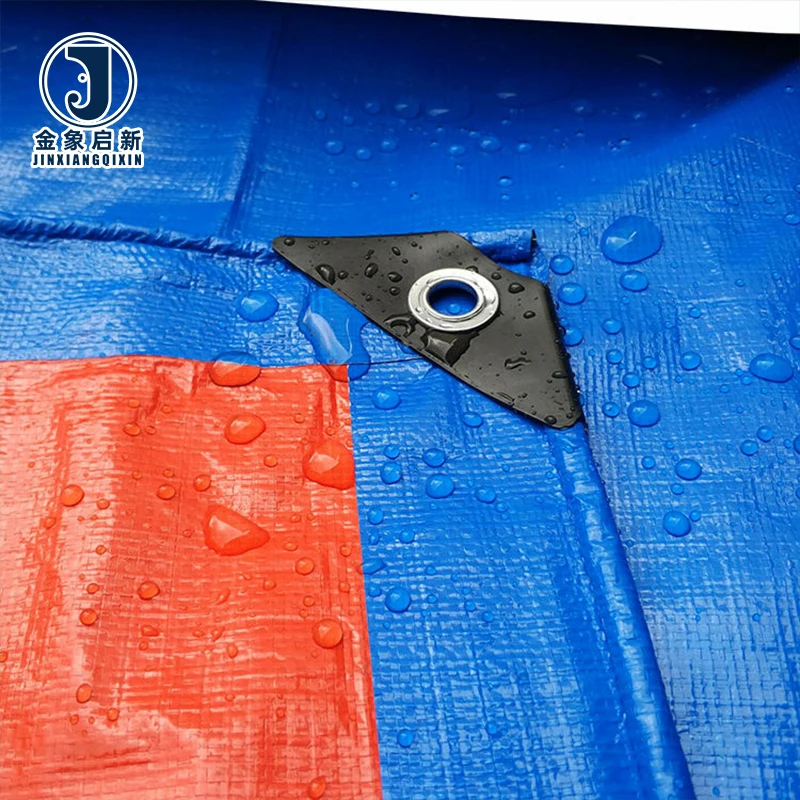
| Edge Reinforcement | PP rope inserted in all four hemmed edges |
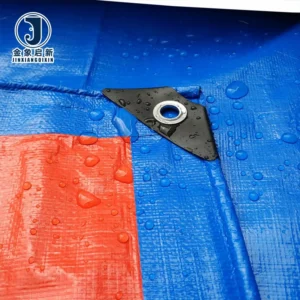
| Eyelets | Galvanised, spaced every 3 ft or 1 m |
| Corner Reinforcement | Reinforced plastic corners |
| Key Features | Waterproof, washable, tear resistant, mildew proof, anti-aging, UV treatment available (test basis not stated — confirm grade required for your market) |
Application Suitability
| Application | Exposure & Requirement |
|---|---|
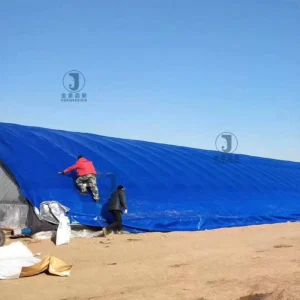
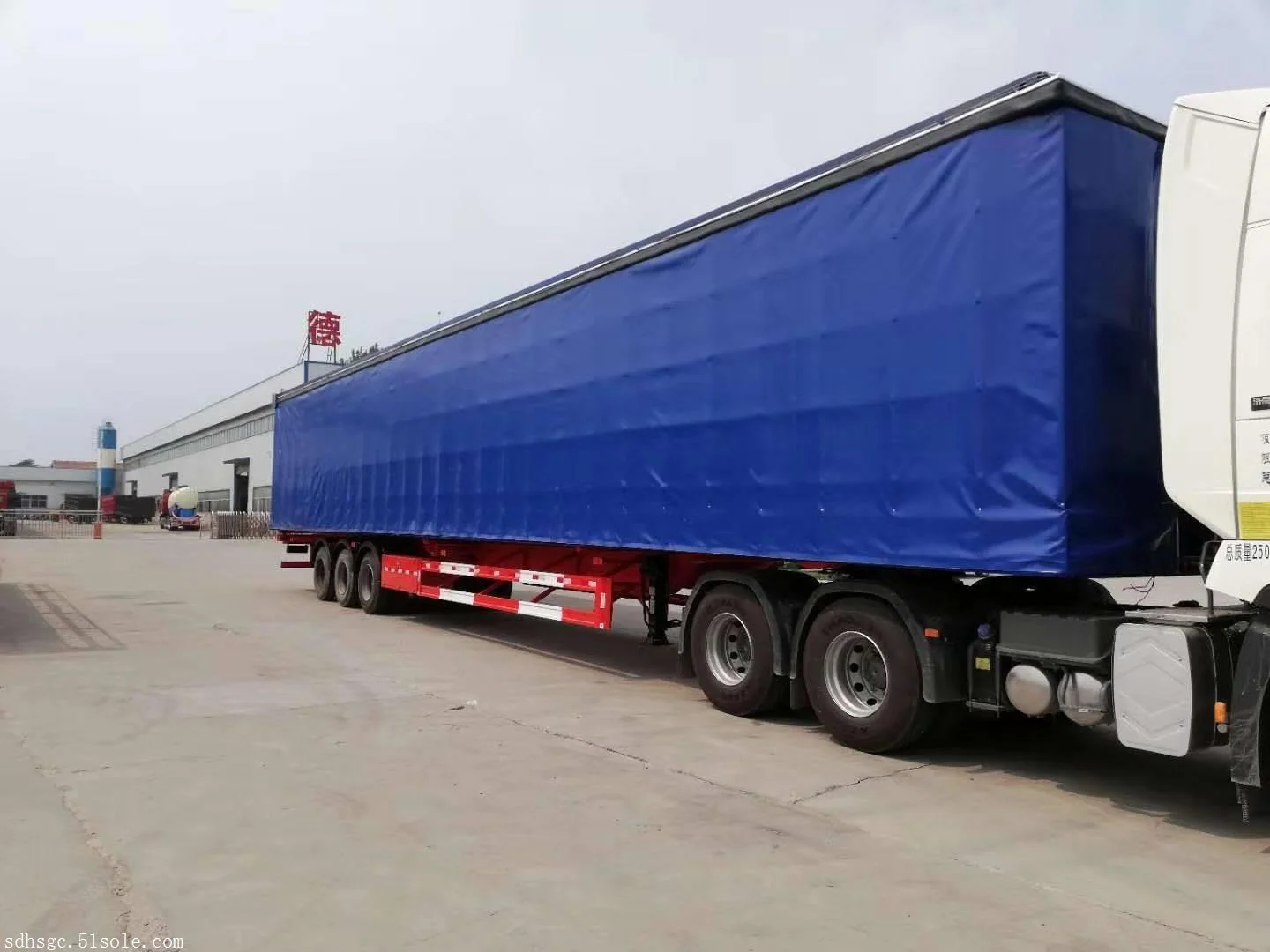
| Truck and trailer side curtains | Continuous road vibration, wind flex, abrasion at tie-down points, UV exposure — requires high tensile weave and secure hem reinforcement |
| Boat and container covers | Saltwater spray, stacking pressure, long-term UV — requires mildew-proof surface and waterproof lamination |
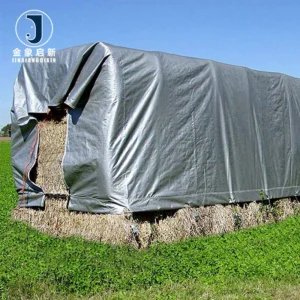
| Timber, hay and crop covers | Ground moisture, fungal growth, wind uplift — requires breathability control, tear resistance at grommets |
| Construction scaffolding wraps | Dust containment, scaffold tie-through, site impact — requires consistent mesh density and eyelet pull-out resistance |
| Garden and outdoor furniture covers | Repeated folding, seasonal UV, condensation — requires washable surface and fold-crease durability |
Why Batch Colour Consistency Determines Roll Stock Reliability
Visible colour drift across rolls in a single order is the most frequent reason PE tarpaulin roll stock is rejected at the warehouse.
When a distributor unloads a container and two rolls placed side by side show a noticeable shade difference, the entire batch can stall. This is not a cosmetic preference issue — retail buyers return finished covers that do not match the catalogue photo, and fabricators cannot mix rolls on the same canopy panel. Maintaining colour consistency across a wholesale PE tarpaulin roll order requires controlled dye-lot management and per-roll inspection before dispatch [NEED_CITE: textile batch colour tolerance standards for coated fabrics]. Without that discipline, volume buyers absorb the cost of sorting, re-rolling and repacking at their own facility.
Matching Weave Density to End-Use Performance
The mesh count on a PE tarpaulin roll directly determines how the fabric handles tensile load. A 6×6 weave provides lighter coverage suited to short-term dust barriers and temporary crop covers, while a 14×14 or 14×16 weave delivers the density needed for truck canopy fabric and reusable construction wraps. Specifying by mesh count rather than GSM alone gives fabricators a clearer picture of how the base fabric will behave during cutting, folding and eyelet insertion.
Roll Width and Length Choices Affect Container Yield
Roll widths from 2 m up to 6 m and lengths of 100 yards or 100 meters are standard, with custom lengths available. Choosing the correct roll width for your downstream cutting pattern reduces off-cuts and improves the fabric utilisation rate across every PE tarpaulin roll in the container. Wider rolls suit large-format applications like truck side curtains and pond covers, while narrower rolls reduce handling weight for smaller finished products such as garden furniture covers.
How GSM and Mesh Density Work Together
GSM on a laminated PE tarpaulin reflects the combined weight of the HDPE base fabric and the LDPE lamination on both sides. A higher GSM achieved through thicker lamination improves waterproofing and surface abrasion resistance but does not automatically increase tear strength — that comes from the base fabric denier and weave density. This is why a 10×10 mesh at 110 g/m² can outperform a 7×7 mesh at the same weight in tear propagation tests [NEED_CITE: relationship between HDPE weave density and tear resistance in laminated tarpaulins]. Buyers specifying for load-bearing or high-wind applications should select on both GSM and mesh count together.
The Hidden Cost of Unverified Roll Specifications
When a quotation states a specific GSM but the arriving rolls weigh less, fabricators cut covers that fail earlier than expected, and distributors face warranty claims they cannot trace. Reinforced plastic corners and galvanised eyelets only perform if the surrounding fabric meets its stated weight — a lighter base fabric pulls through the eyelet under wind load regardless of hardware quality. Colour inconsistency compounds the problem: a fabricator fulfilling a fleet order cannot swap rolls between vehicles without visible mismatch [NEED_CITE: tarpaulin field failure reports linked to GSM deviation]. Pre-shipment inspection with a documented per-roll weight check prevents both issues from reaching the buyer’s warehouse.
Why Roll Buyers Source from This Facility
Three full production lines and 36 sets of professional equipment support bulk PE tarpaulin roll orders with on-time container loading. A 10-person R&D team handles custom colour matching, width adjustments and sample development within days before production commitment. Dedicated QA/QC inspection runs at every production stage, with 100 per cent pre-shipment verification covering GSM, colour reference and roll packing integrity. ISO and CE certified processes underpin the manufacturing workflow. Roll packing on hard paper tubes wrapped in tarpaulin sheet protects inner fabric layers during ocean freight, and container loading plans are confirmed with the buyer before dispatch.
Documentation & Verification
- Material specification sheet stating confirmed GSM, base fabric weave and LDPE lamination weight per roll
- Colour reference swatch matched to the approved Pantone or RAL standard for the production run
- Pre-shipment inspection record confirming GSM, roll count, net weight and visual condition before loading
- Roll packing list detailing individual roll dimensions, weight and container stowage plan
- Certificate of origin and customs documentation prepared for the destination market
Fabrication, Handling & Storage
- Heat-seal laminated PE rolls at moderate temperature — excessive heat softens LDPE lamination and reduces bond strength at seams
- Store rolls upright on their paper tube cores to prevent flat-spot creases that become visible after cutting
- Place galvanised eyelets through the PP rope reinforced hem rather than through unreinforced fabric for maximum pull-out resistance
- Unroll and cut on clean, flat surfaces to avoid embedding grit into the LDPE surface that abrades downstream sewing needles
- Allow cold-stored rolls to reach ambient temperature before unrolling to prevent lamination cracking along fold lines
- Clean finished covers with mild detergent — solvents can degrade the LDPE lamination and compromise waterproof integrity
What to Include in Your Enquiry
Specify the end-use application, target GSM range and preferred mesh density so the correct roll grade is recommended. Confirm the required roll width, colour reference and whether custom lengths are needed to optimise your cutting yield. Indicate your annual volume and container loading preference — by roll, bale or carton — to receive an accurate lead time and loading plan. Request a sample roll or swatch before committing to full production if colour matching or GSM verification is critical to your approval process.
Frequently Asked Questions
Q: How is GSM verified per roll and what documentation ships with the load?
A: Each roll is weighed during pre-shipment inspection and recorded against the quoted GSM. A material specification sheet stating the confirmed coating weight, base fabric weave and lamination type accompanies the shipment, along with a roll packing list showing individual roll dimensions and net weight for container reconciliation on arrival.
Q: How do you keep colour consistent across rolls in a bulk order?
A: All rolls in a single order are produced from the same dye lot with a colour reference swatch approved before full production runs begin. In-process QA checks compare each roll against the reference, and any roll falling outside the accepted tolerance is removed before packing. This is verified again during the 100 per cent pre-shipment inspection.
Q: What roll widths and lengths are available and how do they affect container yield?
A: Standard widths range from 2 m to 6 m in both metric and imperial sizes, with lengths of 100 yards or 100 meters or custom to your cutting pattern. Wider and longer rolls improve fabric utilisation for large-format applications but increase individual roll weight. The container loading plan is confirmed with you before dispatch to maximise tonnage.
Q: How are rolls packed for container loading and what tonnage fits a 20’GP or 40’HQ?
A: Rolls are wound on hard paper tubes and wrapped in tarpaulin sheet for ocean freight protection. A 20’GP accommodates up to 17 tons by roll, 12 tons by bale or 9 tons by carton. A 40’HQ holds up to 28 tons by bale or 20 tons by carton. Loading configuration is agreed during the quotation stage.
Q: What is the MOQ for custom width, colour or GSM on roll orders?
A: Minimum order quantities vary by the degree of customisation requested — standard widths and colours from stock grades carry lower minimums, while custom Pantone colours or non-standard widths require a dedicated production run. A sample is developed within days so you can confirm the specification before the full order is scheduled.