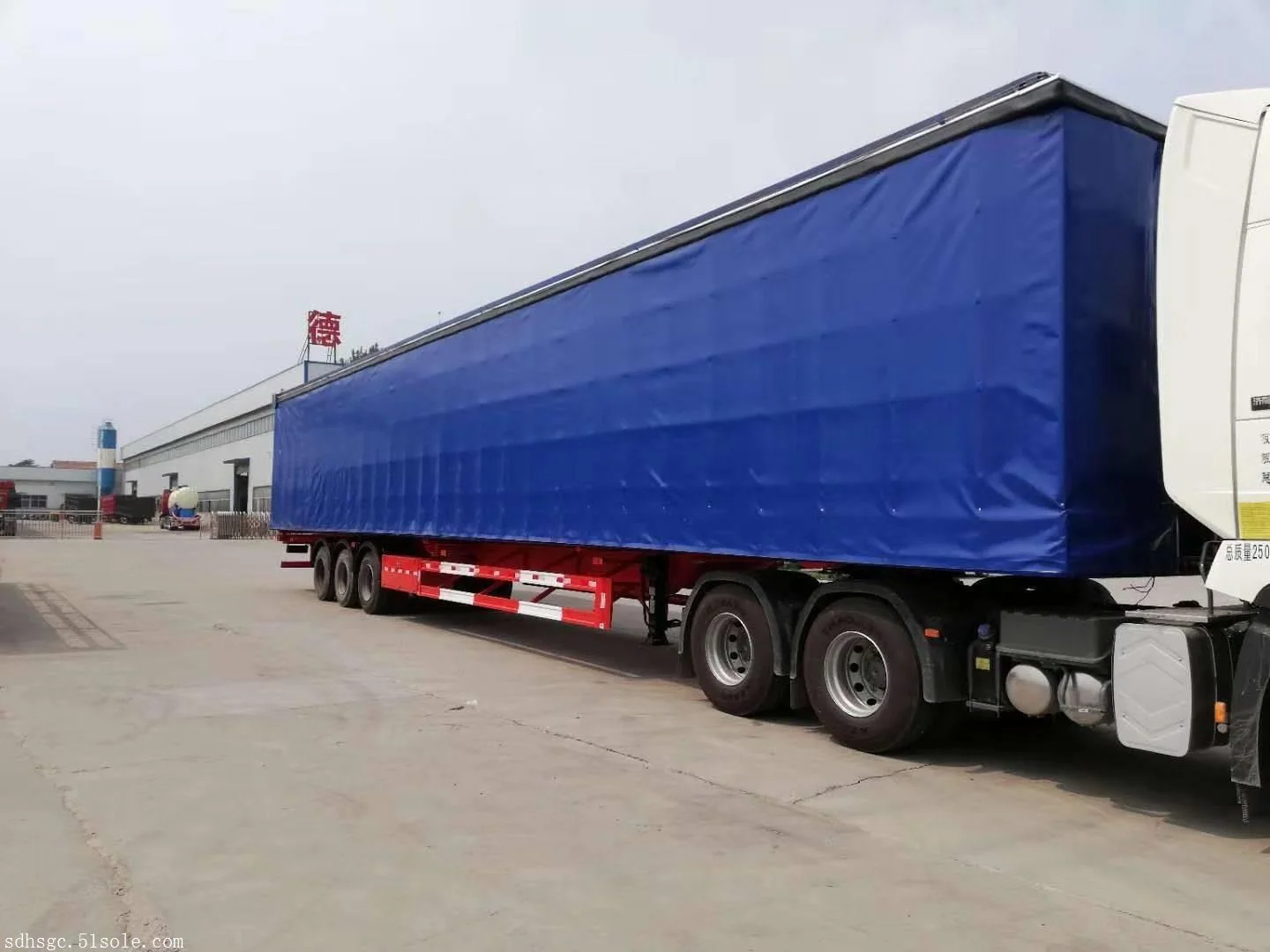
Description
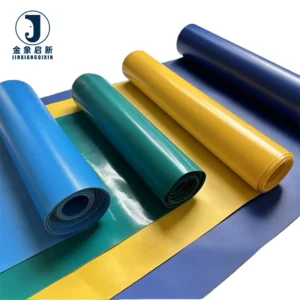
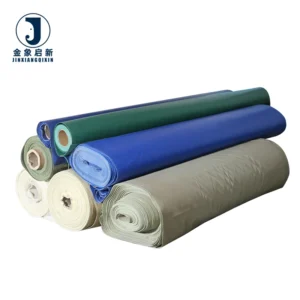
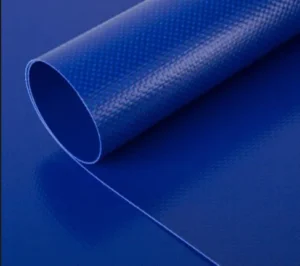
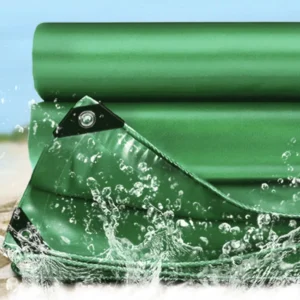
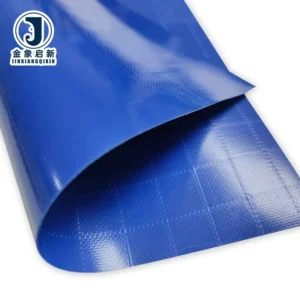
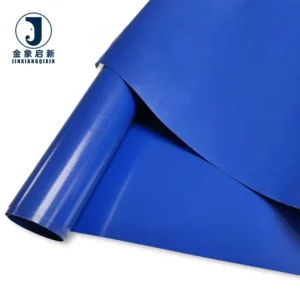
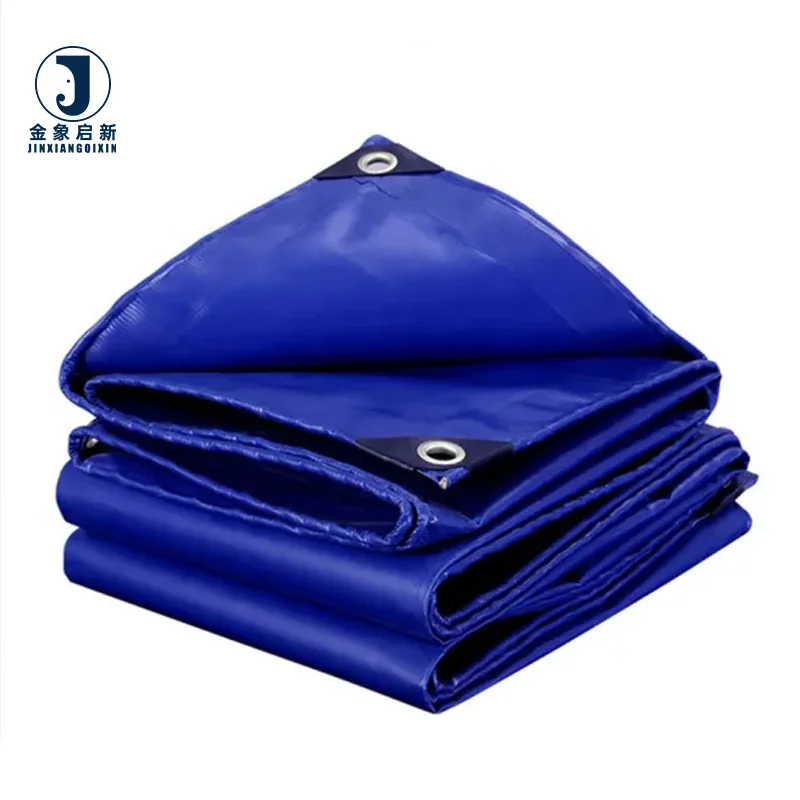
Consistent Roll Stock — Every PVC coated tarpaulin roll leaves our facility with a documented GSM verification, ensuring the weight on the quotation is the weight that arrives at your warehouse.
Technical Specifications
| Parameter | Value |
|---|---|
| Product Type | PVC Tarpaulin Roll |
| Weight (GSM) | 250GSM / 300GSM / 350GSM / 400GSM / 420GSM / 450GSM / 500GSM / 550GSM / 560GSM / 600GSM / 650GSM / 680GSM / 750GSM / 950GSM / 1000GSM |
| Base Fabric Options | 500D×500D / 500D×1000D / 840D×840D / 1000D×1000D / 2000D×2000D |
| Mesh Count | 15×15 / 18×18 / 18×25 / 20×20 / 23×24 / 30×17 / 30×30 |
| Total Thickness | 0.32mm / 0.35mm / 0.4mm / 0.45mm / 0.5mm / 0.65mm |
| Roll Width | 2m / 2.1m |
| Roll Length | 75m (2m width) / 50m (2.1m width) |
| Coating Material | PVC |
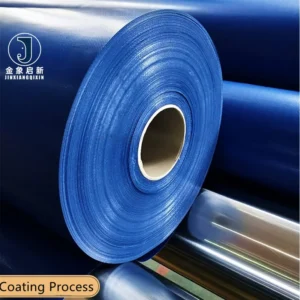
| Coating Technology | Laminated technology / Hot-melt coating technology |
| Color | Blue / Red / Yellow / Light blue / Grey (Customized) |
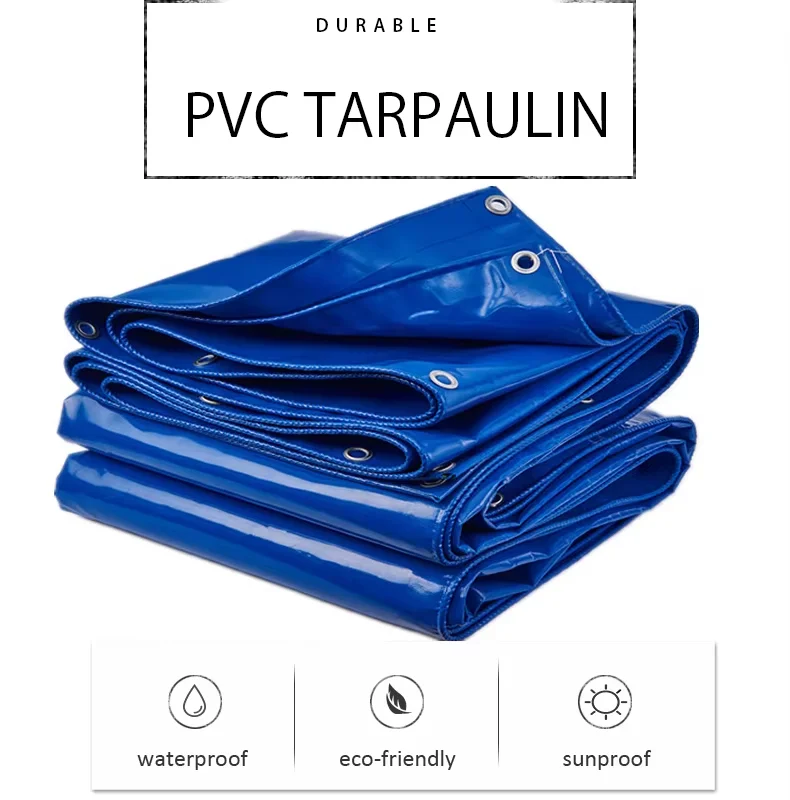
| Key Features | Waterproof, cold crack resistance, anti-mildew, anti-static treatment¹, high tenacity polyester yarns, outstanding tearing strength for welding, best color fastness |
| Service Life | 3–7 years under normal circumstances² |
| Standards | ISO 9001 / CE |
¹ Anti-static treatment available — confirm grade required for your application.
² Service life depends on installation conditions, UV exposure levels, and mechanical stress; verify suitability for your specific environment.
Application Suitability
| Application | Exposure & Requirement |
|---|---|
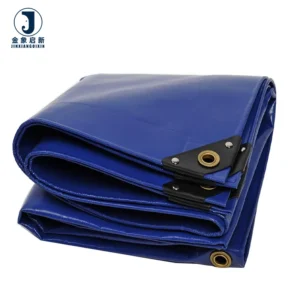
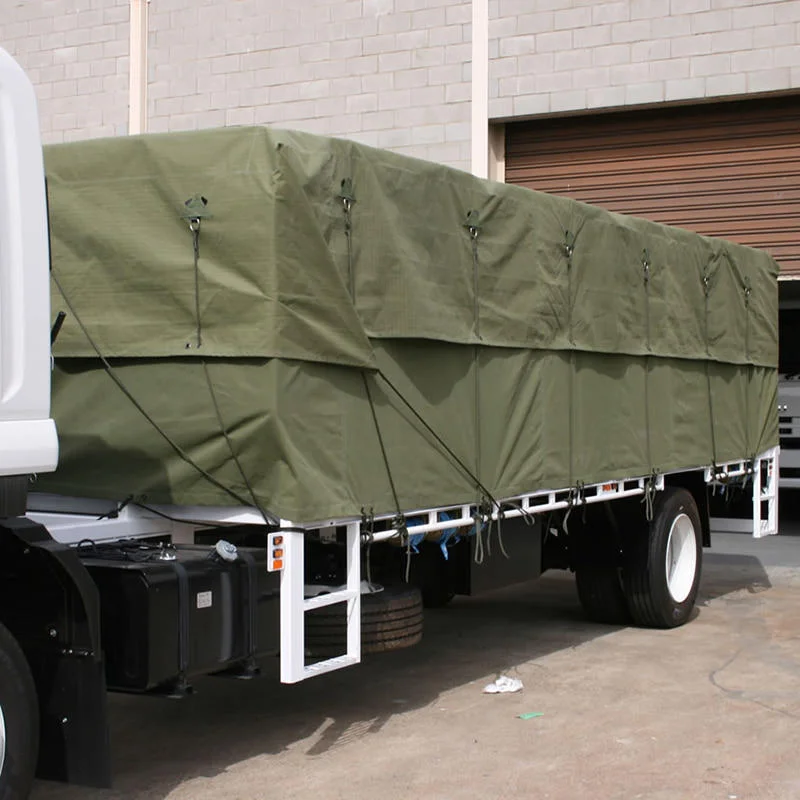
| Truck side curtain cover | Constant flexing at fold points, road debris abrasion, UV and weather exposure, weld seam integrity under tension |
| Goods yard and cargo cover | Prolonged sun and rain exposure, wind load stress, puncture risk from stacked materials |
| Fish tank and pool liner | Permanent water immersion, hydrostatic pressure, chemical resistance to water treatment agents |
| Push and pull tent | Repeated folding and unfolding, UV degradation, seam stress at ridge and eave lines |
| Cargo ship cover | Salt spray, heavy weather, mechanical handling during port operations |
| Liquid and water storage tank | Continuous liquid contact, internal pressure, long-term coating adhesion |
Why Roll-to-Roll Weight Consistency Matters for PVC Tarpaulin Roll Bulk Buyers
Quoted GSM and actual GSM must match on every roll — otherwise your yield calculations, pricing models, and customer promises fall apart before the container is even opened.
When tarpaulin distributors and importers receive a shipment, the first check is often a spot-weight on a random roll. If that roll comes in lighter than the specification, trust erodes immediately. The problem compounds: lighter material means lower tensile values, reduced weld strength, and finished products that fail earlier in the field. Across a full container load of PVC tarpaulin roll bulk inventory, even a small per-roll deviation adds up to measurable shortfalls in coverage area and structural performance. [NEED_CITE: pre-shipment inspection methods for coated fabric rolls per ISO 1421]
Batch Traceability Across Every Roll in Your Order
Each PVC coated tarpaulin roll in a bulk order carries a batch reference linking it to the production run, coating weight record, and color formulation. This traceability means that if a downstream customer reports an issue on a finished product, the originating roll can be identified and the production parameters reviewed. For volume buyers loading full containers, batch consistency eliminates the color variation that becomes visible when two rolls are installed side by side on the same truck curtain or tent structure.
Container Loading Efficiency and Freight Optimization
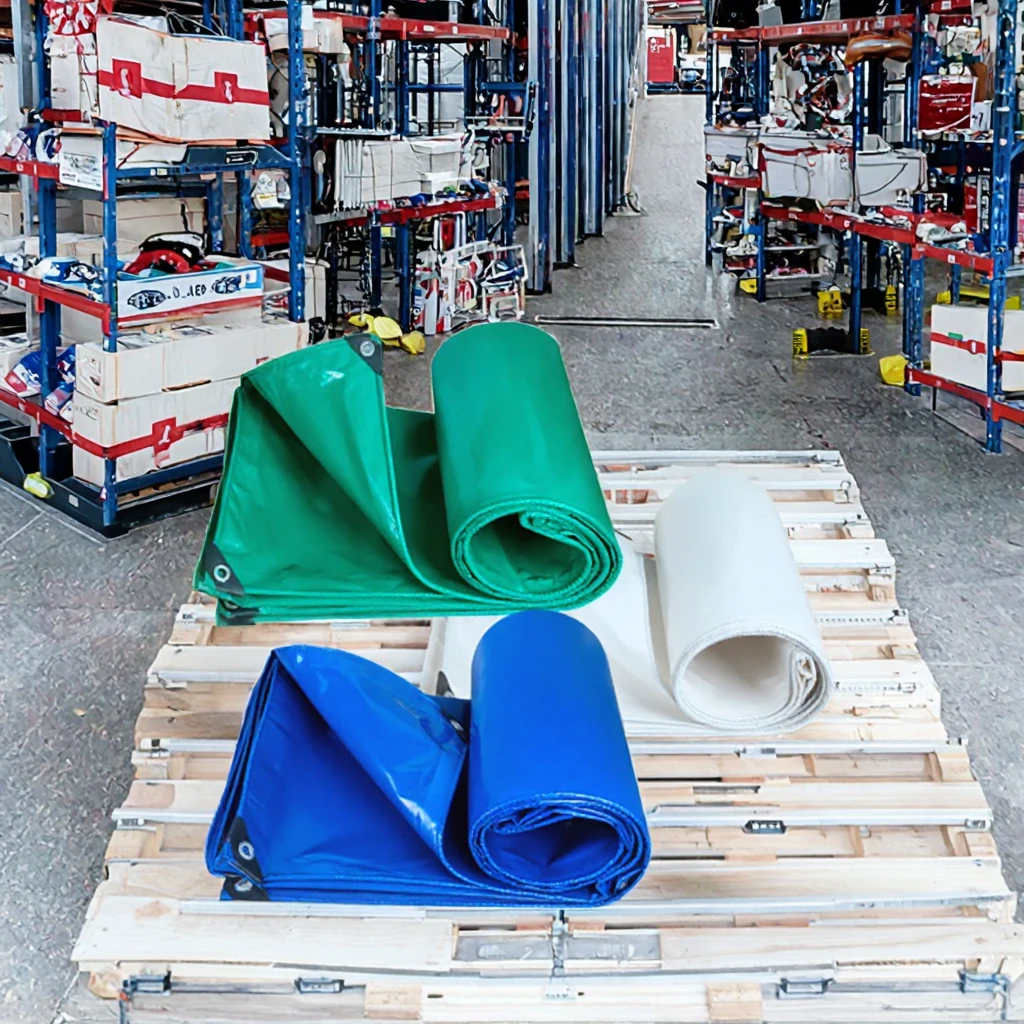
Standard roll dimensions of 2m × 75m and 2.1m × 50m are calculated against standard shipping container internal measurements. This alignment allows freight planners to maximize roll count per container while staying within weight limits. When you order PVC tarpaulin roll stock in bulk, the packing list specifies per-roll weight and total container payload so that customs declarations and freight invoices reconcile without discrepancy. [NEED_CITE: container loading standards for flexible fabric rolls]
How Denier and Mesh Count Drive Real-World Performance
The base fabric is where strength originates. A 500D×500D construction with a 20×20 mesh provides a balanced weave suited to mid-weight applications where flexibility matters as much as tear resistance. Moving to 1000D×1000D or 2000D×2000D with a tighter mesh like 30×30 increases yarn mass per square meter, which directly improves tensile and tear values before any PVC coating is applied. For wholesale buyers, understanding this relationship means you can select the lightest roll that still meets the structural requirement, avoiding unnecessary cost on over-specification.
Coating Technology and Its Impact on Weld Strength
Laminated technology bonds the PVC film to the polyester scrim under heat and pressure, producing a uniform coating weight with reliable adhesion. Hot-melt coating technology drives the PVC compound into the weave structure, creating a mechanical lock that can improve peel strength at the weld line. When fabricators heat-weld seams on truck curtains or tank liners, the coating method determines whether the weld fails cohesively within the PVC layer or adhesively at the fabric interface — a distinction that directly affects warranty claims and field returns.
Reading the GSM–Thickness–Denier Relationship
A 450GSM roll at 0.45mm thickness built on a 500D×1000D base will behave very differently from a 450GSM roll at the same thickness on a 1000D×1000D base. The former uses more coating compound to reach the target weight, resulting in a surface-rich construction with good waterproofing but lower tear resistance. The latter has more fiber mass and less coating relative to total weight, yielding higher mechanical strength. Thickness alone tells you how the material handles through rollers and folding machines; denier and mesh count tell you how it resists tearing under load. Neither parameter should be evaluated in isolation when comparing PVC tarpaulin roll wholesale options. [NEED_CITE: tensile and tear test methods for coated fabrics per ISO 1421]
The Hidden Cost of Underspecifying Roll Stock
A distributor who selects a lighter GSM to save on purchase cost may discover that fabricators are rejecting rolls during welding because the coating layer is too thin to sustain a consistent heat-seal bead. Truck curtain manufacturers who receive rolls with color drift between batches face rework when panels from different rolls are visibly mismatched on a single vehicle. Pond liner installers who receive material with inconsistent coating adhesion experience delamination at fold lines after the first seasonal temperature cycle. Each of these failures traces back to insufficient specification control at the purchasing stage. [NEED_CITE: field failure analysis methods for coated textile products]
Why Volume Buyers Source PVC Coated Tarpaulin Roll Stock Here
Three full production lines with 36 sets of professional equipment support bulk roll output with on-time dispatch across multiple GSM grades simultaneously. A dedicated 10-person R&D team develops custom color matches and widths with sample rolls delivered within days for buyer approval before the production run begins. Quality assurance operates at every production stage with 100% inspection before shipment, meaning GSM, color, and dimensional checks are completed on every roll — not just sampled. The facility holds ISO and CE certification, and documentation packages are assembled per order to support customs clearance and downstream compliance in destination markets.
Documentation & Verification
- Material specification sheet stating GSM, base fabric denier, coating type, and color reference per roll batch
- Pre-shipment inspection record verifying actual coating weight, color match, and roll dimensions before dispatch
- Roll packing list with per-roll weight and batch reference for full traceability
- Container loading plan detailing roll count, total weight, and stowage position for freight optimization
- Certificate of origin and customs documentation prepared per destination market requirements
Fabrication, Handling & Storage
- Heat-weld parameters vary by coating technology — confirm temperature and dwell time for laminated versus hot-melt coated rolls before production
- Store rolls upright on end caps to prevent flat-spot deformation on the 2m and 2.1m widths
- Unroll and allow material to relax at ambient temperature before cutting to minimize dimensional shift
- Use rotary or hot-knife cutting on heavier GSM grades above 650GSM to prevent fraying at cut edges
- Avoid prolonged direct sunlight on stored rolls to protect color fastness before fabrication
- Clean finished surfaces with mild detergent only — solvent-based cleaners can degrade the PVC coating layer
Requesting a Quotation for PVC Tarpaulin Roll Bulk Orders
To provide an accurate specification and lead time, we need your target GSM range, preferred roll width, and annual volume estimate. If your market requires specific fire classification or anti-static certification, please state the grade so we can confirm availability before sampling. Color references or Pantone codes help us develop a match sample for approval before the bulk production run is scheduled.
Frequently Asked Questions
Q: What roll widths and lengths are available for immediate shipment?
A: Standard stock rolls are produced in 2m width at 75m length and 2.1m width at 50m length. These dimensions align with container loading plans for efficient freight. Custom widths and lengths can be developed with sample approval before the production run, subject to minimum order requirements that vary by GSM grade and color.
Q: How is GSM consistency guaranteed across all rolls in a single order?
A: Every roll undergoes weight verification during the pre-shipment inspection process. The packing list documents the actual GSM per roll alongside the batch reference, so buyers can confirm the full order matches the quoted specification. This record accompanies the shipment documentation for traceability.
Q: Can I receive a sample roll before committing to a full container load?
A: Sample rolls are developed within days for custom width, color, or GSM requirements. Buyers typically approve the sample before the bulk run is scheduled. For stock grades, a cut sample from existing inventory can be dispatched to verify color, weight, and surface finish against your requirements.
Q: How are rolls packed to prevent damage during container shipping?
A: Each roll is wound on a core and wrapped to protect the coating surface. Rolls are loaded according to a container plan that accounts for weight distribution and roll orientation, preventing crush damage and edge deformation during transit. The packing list records roll count and position for receiving verification.
Q: What is the minimum order quantity for custom colors or widths?
A: MOQ varies by the specific GSM grade, color, and width combination requested. Higher GSM grades typically have lower minimums due to shorter run lengths per roll. Once your specification is confirmed, we provide the exact MOQ and lead time in the quotation along with a sample development timeline.