Description
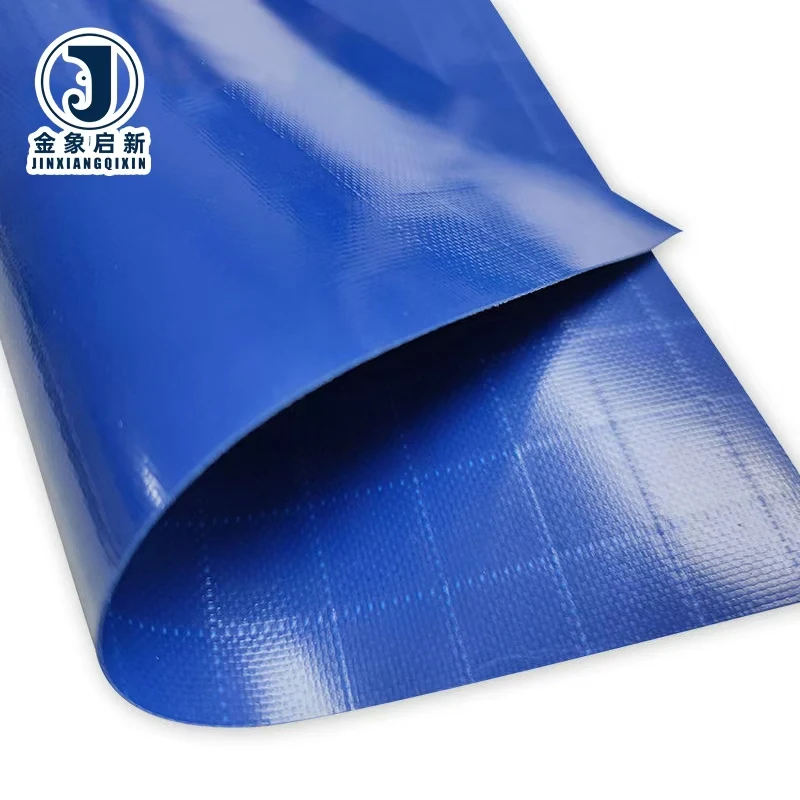
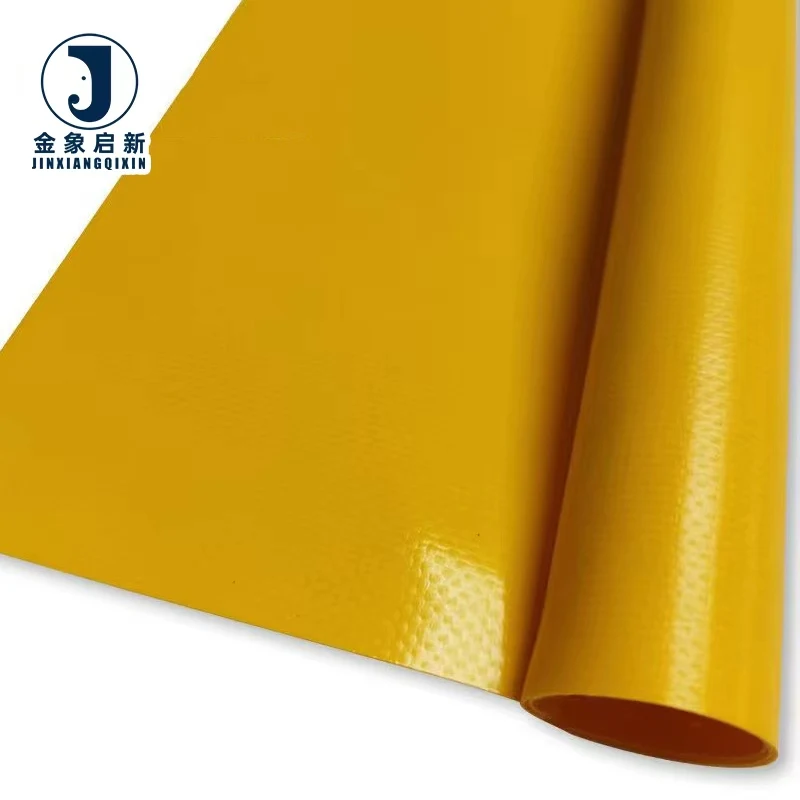
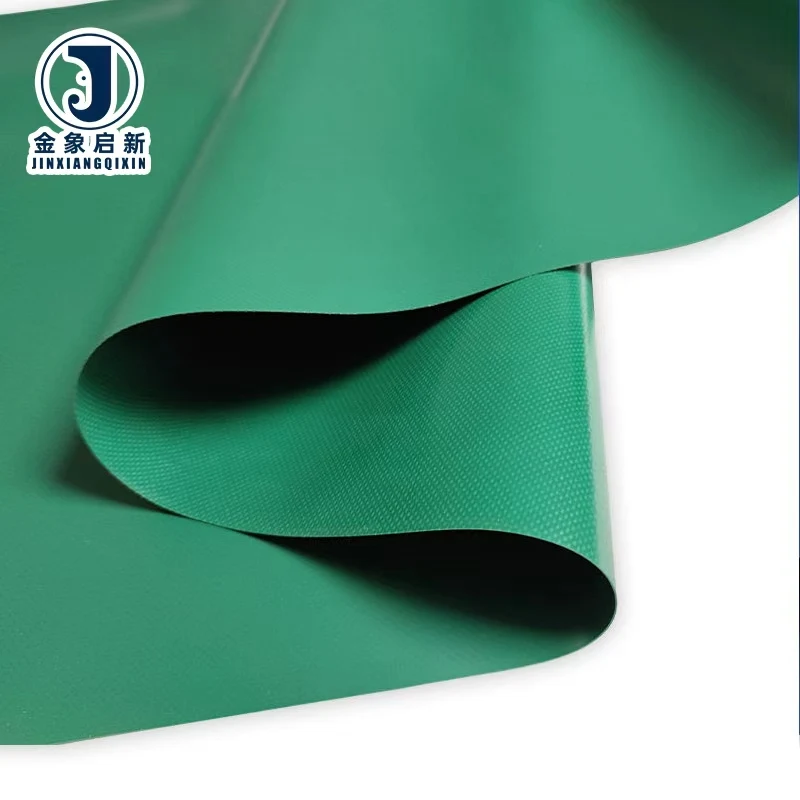
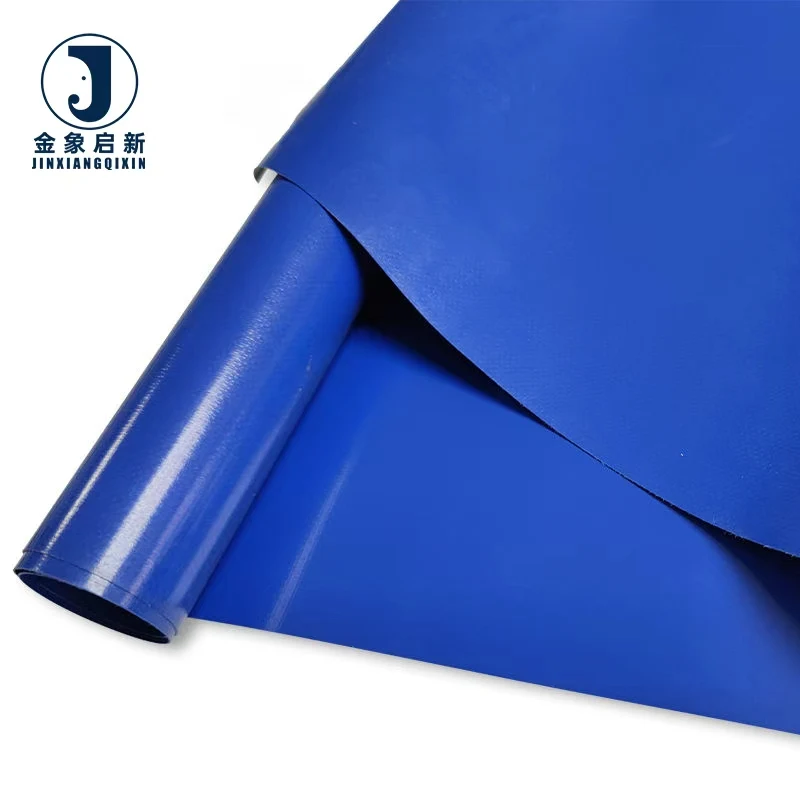
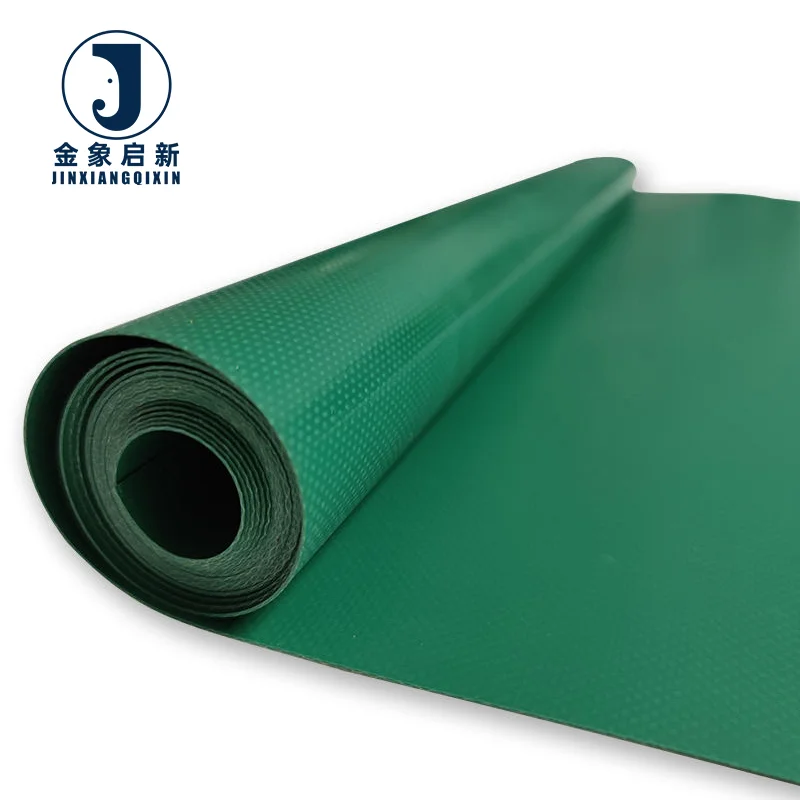
Proven Roll Consistency — every 650 GSM roll ships with verified coating weight and batch colour reference, eliminating surprises at the container door.
Technical Specifications
| Parameter | Value |
|---|---|
| Product Type | PVC Coated Tarpaulin |
| Base Fabric Denier | 1000D × 1300D |
| Mesh Count | 20 × 20 |
| Weight | 650 g/m² |
| Total Thickness | 0.46 mm |
| Coating Material | PVC |
| Base Fabric Material | Polyester |
| Tensile Strength (Warp) | 2550 N (test standard not stated) |
| Tensile Strength (Weft) | 2250 N (test standard not stated) |
| Key Features | Water Resistant, Waterproof, Flame Retardant (grade not stated), Anti-UV (test basis not stated) |
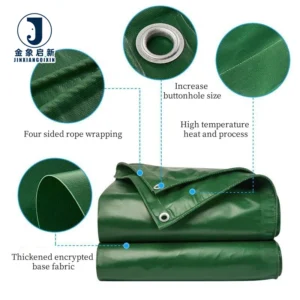
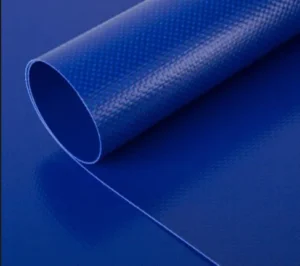
| Surface Finish | Smooth, leather-like texture |
| Repairability | Hot air weldable |
| Packaging Options | Roll packing, bale packing, carton |
| Certifications | ISO, CE |
Application Suitability
| Application | Exposure & Requirement |
|---|---|
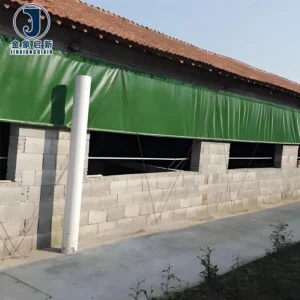
| Truck and trailer side curtains | Continuous flexing at load points, road debris abrasion, UV and weather exposure |
| Machine and equipment covers | Outdoor weathering, dust and moisture ingress, handling friction during removal |
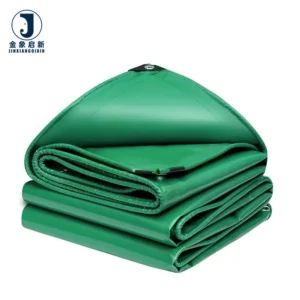
| Awning and tent fabrication | Tension loading across seams, sun exposure, wind-driven rain |
| Wood and stockpile covers | Prolonged ground contact, moisture wicking, forklift handling abrasion |
| Logistics fleet load covering | Tie-down strap pressure, highway speed wind load, temperature fluctuation |
Why Roll Buyers Find GSM Discrepancies at the Port
A 650 GSM PVC Tarpaulin Roll wholesale order should arrive weighing exactly what the quotation promised. When it does not, the entire downstream fabrication plan shifts — seams fall in the wrong place, tension calculations are off, and the fabric handles differently through welding equipment.
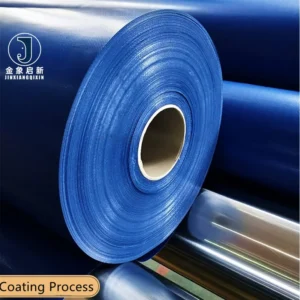
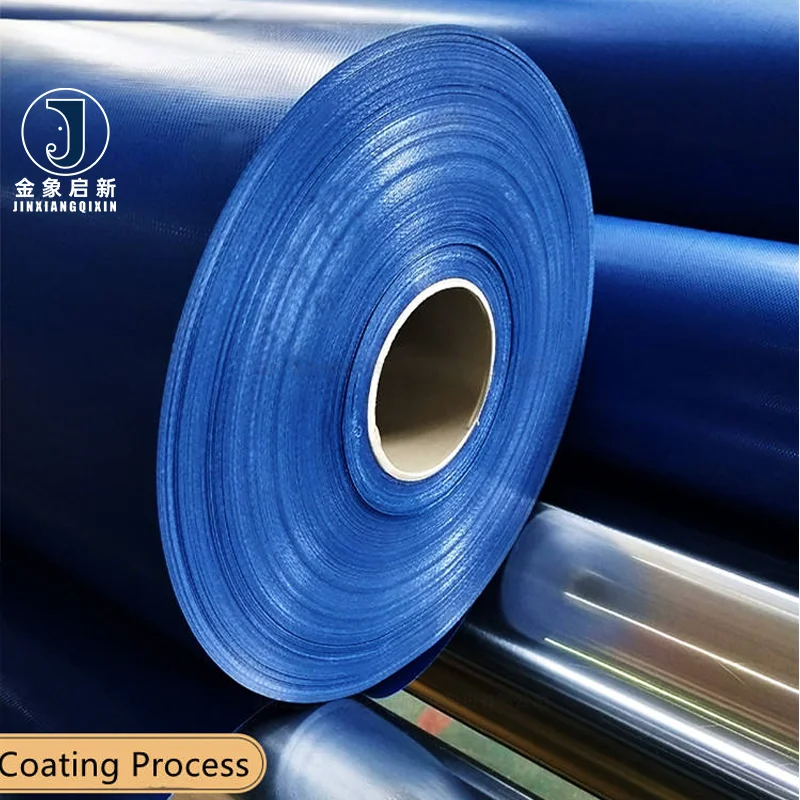
Every roll leaves the production line with an actual coating weight check recorded before packing.
PVC Tarpaulin Roll aftermarket supplier shipments sometimes arrive lighter than specified because coating weight is averaged across a production run rather than measured per roll. Buyers open containers to find material that feels noticeably thinner, only to discover the GSM reads below the agreed threshold on a scale. This is not a tolerance issue — it is a process control gap [NEED_CITE: pre-shipment inspection protocols for coated fabric rolls per ISO quality standards]. When rolls are lighter than stated, tensile strength drops proportionally, and the fabric may fail at stress concentrations long before the expected service window closes.
Stock Grade Availability for Container-Level Orders
Distributors and importers planning regional inventory need PVC Tarpaulin Roll wholesale supply that ships in predictable container quantities. This 650 GSM grade sits in the heavy-duty range, suited to buyers who stock roll inventory for fabricators making truck covers, awnings, and site equipment protection. Roll lengths and widths are configurable within production line capability, and the ordering process supports mixed-width containers so a single shipment can cover multiple downstream product lines.
Colour Matching Across Rolls in One Shipment
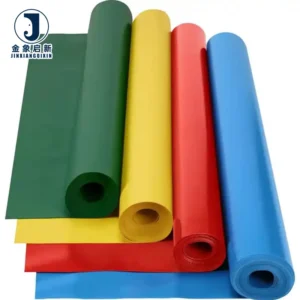
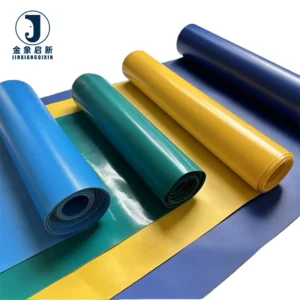
Colour variation between rolls in the same container is a frequent complaint among tarpaulin importers. When two rolls are unrolled side by side at a fabrication shop, a visible shade difference makes one of them unsellable for visible applications like awnings or truck side curtains. Batch colour control at the compounding and coating stage is the only reliable way to prevent this. Rolls within a single production batch are matched against a reference standard before release, so fabricators cutting multiple panels from different rolls see uniform colour in the finished product [NEED_CITE: colour consistency testing methods for PVC coated textiles].
How Base Fabric Denier and Mesh Count Work Together
The 1000D × 1300D polyester base fabric at 20 × 20 mesh count gives this material its structural backbone. Warp yarns carry the higher denier (1000D), providing longitudinal strength that registers in the 2550 N warp tensile reading. The weft yarns at 1300D and the 20 × 20 intersection density resist tear propagation when a puncture or cut starts to spread under tension. GSM alone does not determine how the fabric behaves under load — a heavier coating on a loosely woven base can feel thick but tear easily at the yarn intersections. The 0.46 mm total thickness reflects a coating weight that fully encapsulates the base fabric without excess buildup that would stiffen the material and reduce its drape around curved loads.
The Hidden Cost of Specifying the Wrong Roll Grade
Choosing a roll grade that is too light for the end application leads to early seam failure, typically at the point where the fabric flexes most — near tie-down straps on truck covers or at the hem of an awning. Conversely, specifying a heavier grade than necessary adds cost to every linear metre and increases roll weight, raising shipping expense per container. When flame retardant grades are required for a market but the roll ships without supporting test documentation, the entire shipment can be held at customs or rejected at the job site [NEED_CITE: fire classification requirements for temporary structures and transport covers]. Colour inconsistency across rolls forces fabricators to sort and segregate inventory, reducing usable yield from a container load.
Why Sourcing 650 GSM Roll Stock Here Works
Coating weight control on all three production lines ensures that 650 GSM is achieved and verified roll by roll, not averaged across a batch. A 10-person R&D team develops custom colour matches and sample rolls within days, so buyers can confirm shade and hand feel before committing to a full container. The 36 sets of professional equipment support simultaneous production across multiple width and colour specifications, enabling mixed-SKU container loads. Every roll undergoes inspection at each production stage, with a 100 percent pre-shipment check that catches coating weight deviations, surface defects, and colour drift before packing. Nearly 30 years of focused coated fabric production translates into stable process parameters that repeat across orders, giving repeat buyers the same material characteristics every time.
Documentation & Verification
- Material specification sheet confirming 650 GSM, 1000D × 1300D base, and 0.46 mm thickness per roll
- Pre-shipment inspection record showing actual coating weight measurement for each roll
- Roll packing list with roll count, net and gross weight, and container loading sequence
- Certificate of origin and customs documentation prepared for destination port clearance
- UV and flame retardant test reports included where applicable grades are ordered
Fabrication, Handling & Storage
- Hot air welding at temperatures suited to 0.46 mm PVC coating thickness ensures seam adhesion matches fabric strength
- Smooth leather-like surface accepts custom brand printing — confirm ink compatibility with PVC coating before production
- Store rolls upright on pallets to prevent flat-spot deformation of the 650 GSM coated fabric
- Unroll at ambient temperature; cold-stored rolls may crack if flexed before warming
- Clean with mild detergent only — solvents can degrade the PVC coating surface layer
What to Include in Your Roll Stock Inquiry
Provide the intended end-use application and the environmental conditions the finished product will face, including sun exposure level and temperature range. Specify required roll width, colour references, and whether custom brand printing is needed across the batch. Indicate annual volume and preferred container loading plan so the quotation reflects realistic production scheduling.
Frequently Asked Questions
Q: How is GSM verified per roll before shipment?
A: Each roll is weighed and measured at the end of the production line. The actual coating weight is recorded on the pre-shipment inspection document, which ships with the container. This ensures the 650 GSM stated on your quotation matches the material you receive, roll by roll, with no averaging across the batch.
Q: How do you control colour consistency across rolls in the same order?
A: Colour compounds are mixed for the full batch before coating begins, and every roll is checked against the batch reference standard during the final inspection. Rolls showing visible shade deviation are pulled before packing. This prevents fabricators from discovering colour mismatches when two rolls are unrolled side by side.
Q: What custom widths and roll lengths are available, and what are the minimums?
A: Standard and custom widths can be produced across the full roll range. Minimum order quantities depend on whether the colour and width are stocked or made to order. Custom colours and widths typically require a minimum batch to justify the line setup. Contact the sales team with your target width and quantity for a specific quotation.
Q: Can I order sample rolls before committing to a bulk shipment?
A: Yes. Sample rolls in 650 GSM are developed within days, including custom colour matches if required. Samples allow you to verify hand feel, weld behaviour on your equipment, and colour accuracy before approving a full container order. Sample lead time depends on current production scheduling.
Q: How is roll stock packed for container shipping to prevent transit damage?
A: Rolls are packed in roll packing, bale packing, or carton options depending on the order configuration. A container loading plan is prepared showing roll count, stacking arrangement, and weight distribution. End caps and wrapping protect roll edges from crushing during ocean freight handling.