Description
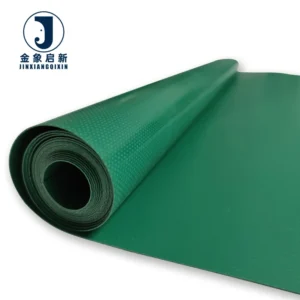
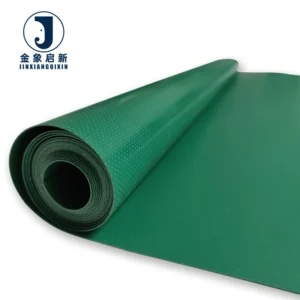
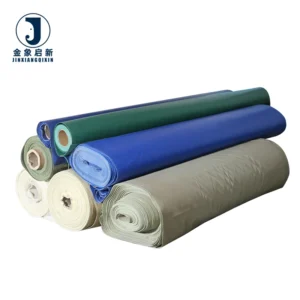
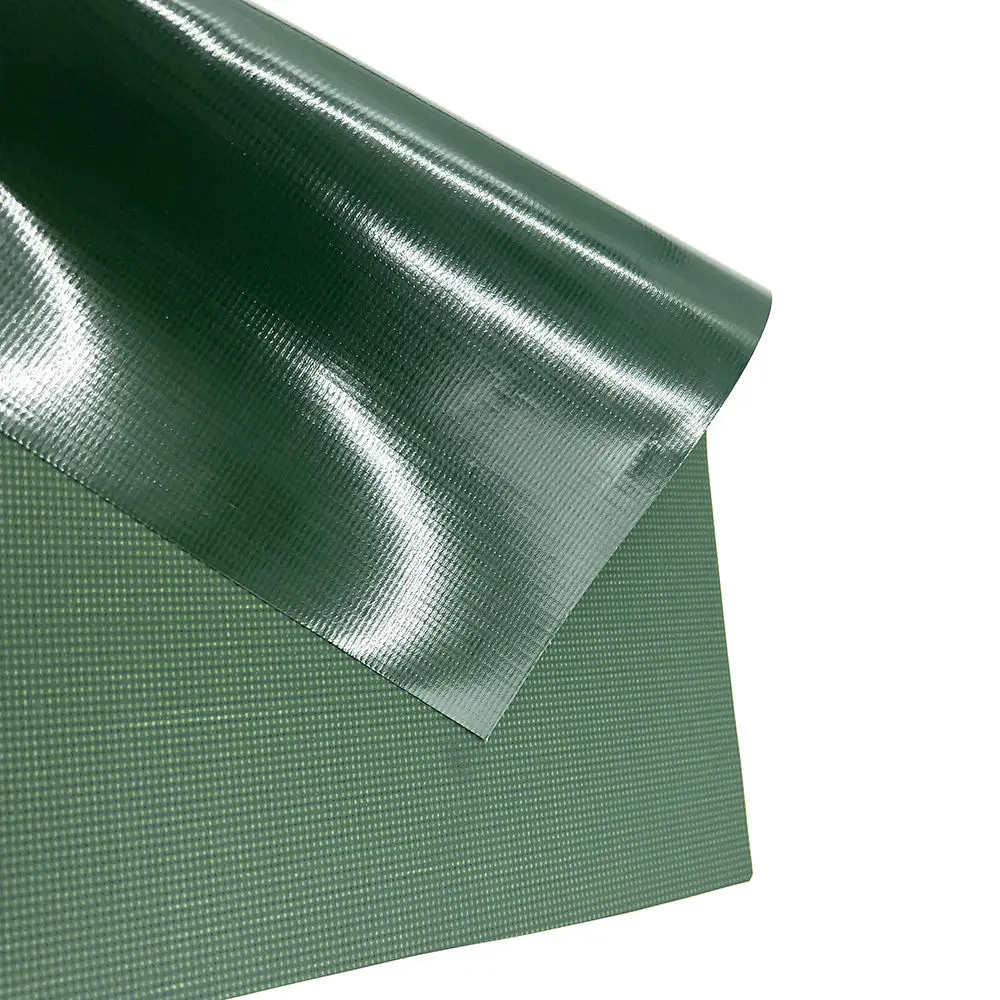
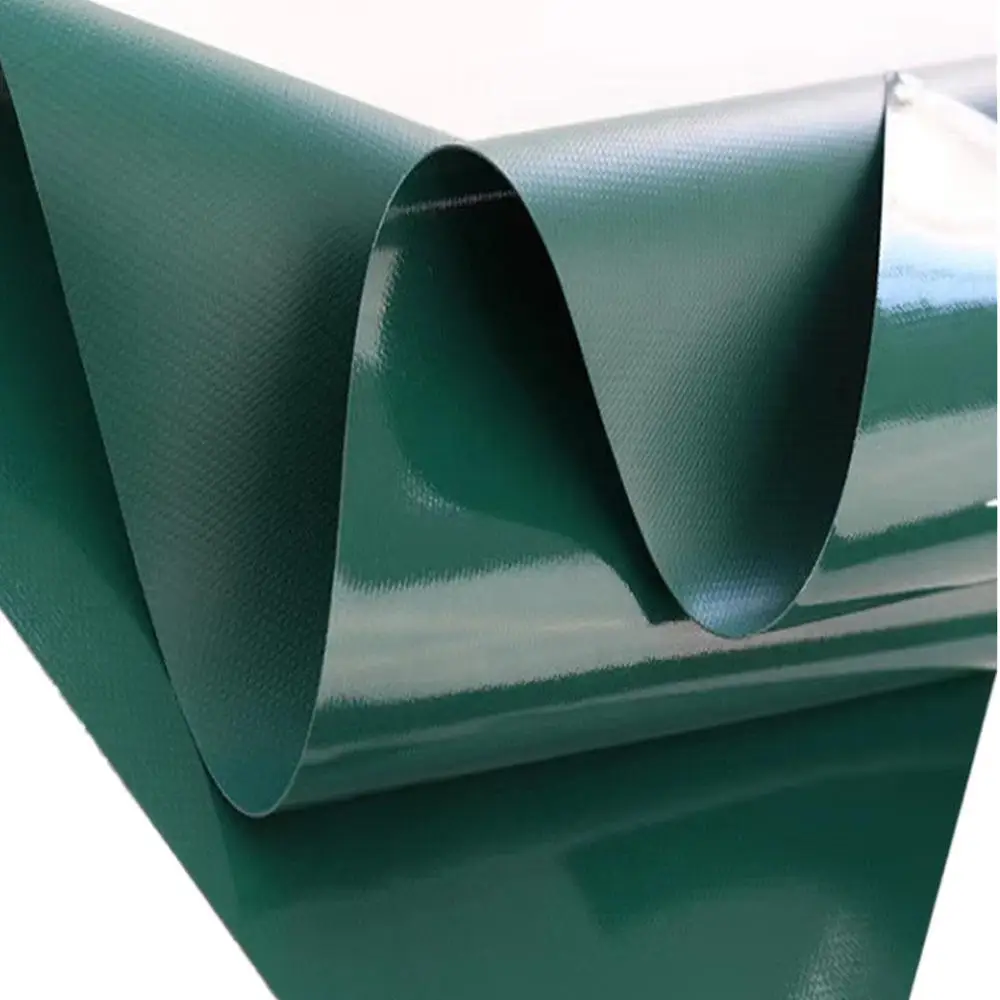
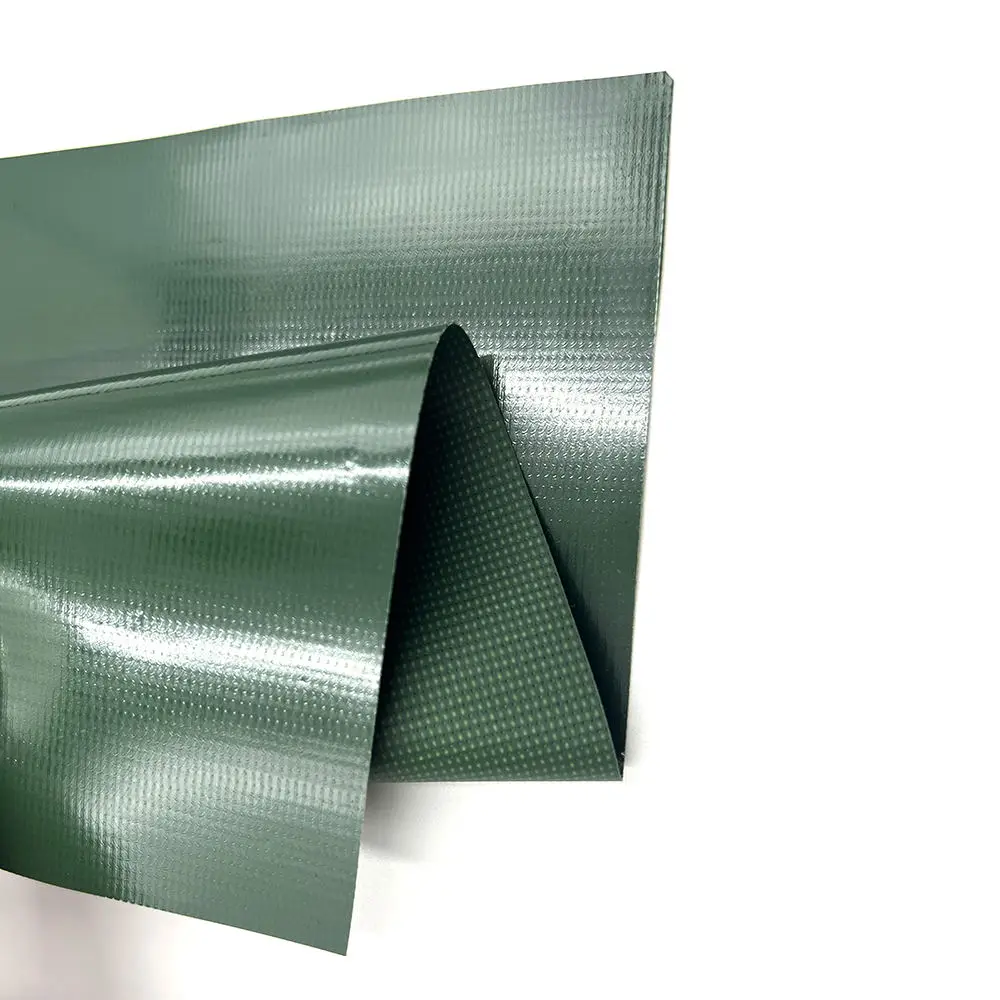
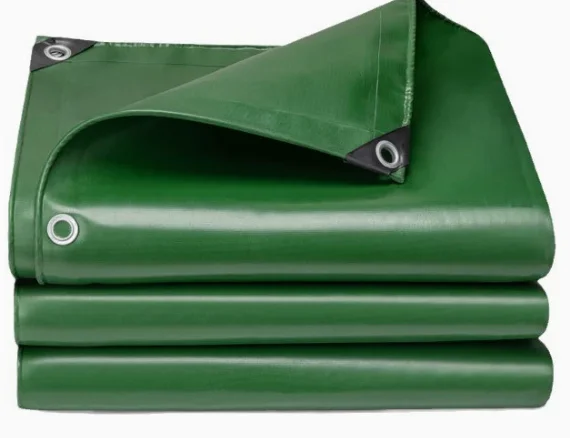
Bulk roll consistency — Every PVC Coated Tarpaulin Roll shipment leaves with a pre-shipment inspection record confirming uniform GSM, colour, and coating weight from the first core to the last.
Technical Specifications
| Parameter | Value |
|---|---|
| Product Type | PVC Tarpaulin Roll |
| Material | PVC Knife Coated Fabric |
| Coating Method | Knife coated |
| Welding Compatibility | HF, Hot Air, Sewing |
| Flame Retardant | Available (confirm grade required for your market) |
| UV Treatment | Available (test basis to be confirmed per order) |
| Anti-Mildew | Mildew proof (test basis to be confirmed per order) |
| Antibacterial | Available (test basis to be confirmed per order) |
| Chemical Resistance | Oil, stain, acid and alkali resistance claimed |
| Temperature Performance | High temperature and cold resistance, anti-oxidation |
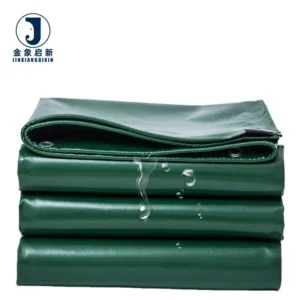
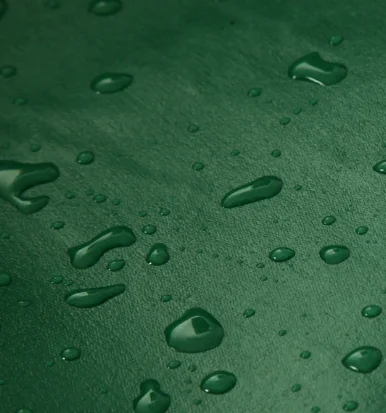
| Surface Property | Self-cleaning, weather resistant |
| Flexibility | Highly flexible yet resistant to cracking |
Application Suitability
| Application | Exposure & Requirement |
|---|---|
| Tarpaulin distributor redistribution | Consistent roll-to-roll colour and GSM for regional resale to fabricators |
| Tent and awning fabrication | Large-format cutting from roll, HF or hot air welding at panel seams |
| Inflatable structure manufacturing | Air-holding seam integrity, repeated flex without coating crack |
| Portable storage structures | Extended outdoor UV and weather exposure, wind load on welded seams |
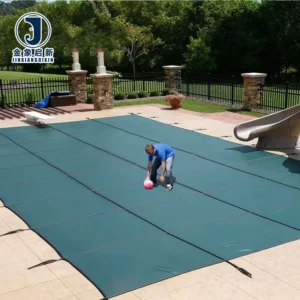
| Shade systems and shadings | Colour uniformity across adjacent panels, self-cleaning surface |
| Tensile and stadium architecture | High tensile load at anchor points, long-term weather resistance |
| Airport hangar covers | Wide span coverage, flame retardant compliance for aviation facilities |
Why Roll-to-Roll Colour Variation Ruins a Container Load of PVC Coated Tarpaulin Roll
Batch-controlled dye lots are the only defence against visible colour shift once panels are installed side by side.
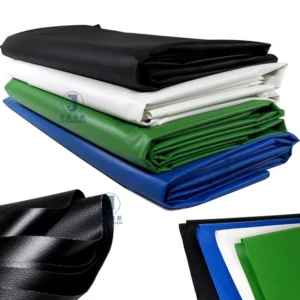
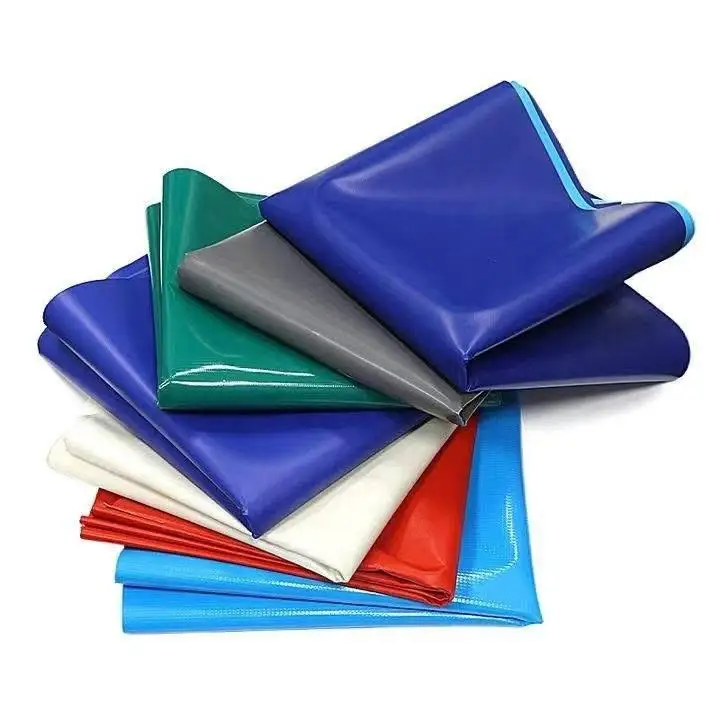
When a distributor unrolls two batches from the same container and the green shade drifts even slightly, the entire lot becomes unsellable to end-users who install panels adjacent to each other. The problem is not the fabric itself — it is the lack of colour reference locked at production start. A PVC Coated Tarpaulin Roll sourced from a supplier without dye-lot tracking will almost certainly produce mismatched panels on any job large enough to span multiple rolls [NEED_CITE: colour fastness and batch consistency testing for coated technical textiles]. The cost is not just the wasted material but the freight paid to ship it across borders.
Maintaining Colour and Weight Uniformity Across Full Container Loads
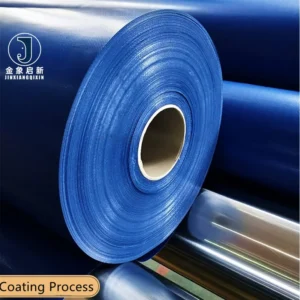
Consistent colour begins with a single dye lot assigned to the entire purchase order, not mixed from leftover stock rolls. Our production scheduling groups your PVC Coated Tarpaulin Roll order into one continuous coating run so that every roll shares the same pigment batch and base fabric lot. This eliminates the shade stepping that occurs when rolls from different production dates are loaded into the same container.
Knife Coating and What It Means for Downstream Fabrication
The knife coated construction deposits a controlled PVC layer onto the base fabric, producing uniform coating weight and strong adhesion across the full roll width. This matters directly at the welding station: HF and hot air welds rely on consistent PVC thickness to form a seam as strong as the parent fabric. Fabricators cutting truck covers, tents, or shade panels from this PVC Coated Tarpaulin Roll stock can set welding parameters once and hold them across the entire roll, reducing scrap from seam failure at flex points [NEED_CITE: high frequency and hot air welding parameters for PVC coated fabrics].
Reading the Specification Sheet Beyond the GSM Number
GSM tells you the total weight per square metre but nothing about how that weight is distributed between base fabric and coating. A roll with high GSM achieved through heavy coating but light base fabric will show poor tear strength once a puncture starts. The knife coated method used here allows independent control of coating weight and base fabric denier, so tensile and tear performance can be matched to the end use. Always request the base fabric denier, weave density, and coating weight breakdown alongside the GSM figure — these three values together predict how the material will behave under wind load, welding stress, and long-term UV exposure.
The Hidden Cost of Ordering Roll Stock Without a Batch Colour Reference
A container of PVC Tarpaulin Roll that arrives with two or three visible shade bands forces the distributor to sort, repack, and sell at a discount — or absorb returns from fabricators whose customers reject the finished installation. This problem originates at the quotation stage when the buyer accepts a colour name instead of a physical or coded reference tied to a specific production batch. The remediation cost almost always exceeds the price difference between batch-controlled and uncontrolled sourcing [NEED_CITE: quality non-conformance costs in imported technical textile shipments]. Confirming the colour reference and dye lot code on the packing list before dispatch removes this risk entirely.
Why Fabricators and Distributors Source PVC Tarpaulin Roll Stock Here
Three full production lines and 36 sets of professional equipment allow your PVC Coated Tarpaulin Roll order to be scheduled as a single coating run, which is the foundation of batch consistency.
A dedicated QA/QC protocol inspects every roll before it is wrapped — GSM verification, surface check, and colour comparison against the approved reference are recorded per roll, not sampled from one roll per batch.
The 10-person R&D team develops custom width and colour samples within days, so you can approve the exact roll specification before committing to container-quantity production.
Nearly 30 years of coating process control means adhesion and coating weight are managed at the formulation level, not adjusted reactively after test failures.
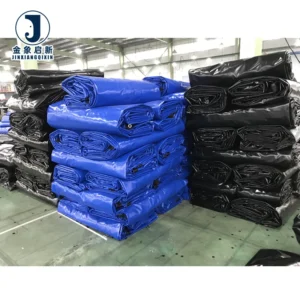
Full documentation travels with each shipment: material specification sheet, pre-shipment inspection record, roll packing list with container loading plan, and certificate of origin for customs clearance.
Documentation & Verification
- Material specification sheet stating GSM, base fabric denier, and coating weight per roll
- Batch colour reference card matched to the dye lot code on the packing list
- Pre-shipment inspection record with roll-by-roll GSM and surface verification
- Roll packing list detailing container loading by roll count, weight, and position
- UV and flame retardant test reports supplied with the specific grade ordered
- Certificate of origin and customs documentation for destination-country clearance
Fabrication, Handling & Storage
- HF welding settings should be calibrated on a test piece from the same PVC Tarpaulin Roll batch before full production
- Hot air welding temperature must match the knife coated PVC layer thickness to avoid delamination at seams
- Store rolls upright on cores in a dry area to prevent edge crushing and permanent creasing across the coating
- Unroll and allow the fabric to relax at ambient temperature before cutting to reduce dimensional drift
- Sewn seams on this PVC Coated Tarpaulin Roll should use UV-stable thread and sealed needle holes for weather exposure
- Clean the self-cleaning surface with mild detergent only — solvent-based cleaners may soften the PVC coating
What to Include in Your PVC Coated Tarpaulin Roll Inquiry
Provide the target application, the exposure conditions the finished product will face, and any flame retardant or compliance grade required by your destination market. Specify the roll width and length that fits your cutting layout or container loading plan, along with the annual volume you expect to draw down. If you need a physical sample to confirm colour and welding compatibility on your equipment, state that at inquiry stage so the sample roll is pulled from the same coating formulation as your production batch.
Frequently Asked Questions
Q: What GSM and width options are stocked for immediate shipment?
A: Stock grades cover a range of GSM levels and standard widths suited to truck cover, tent, and shade fabrication. Confirm your target GSM and required roll width at inquiry so we can check current roll stock availability and container loading quantities. Custom widths are produced on a made-to-order basis with a confirmed lead time.
Q: Can I get rolls from the same dye lot to avoid colour variation?
A: Yes. We assign a single dye lot to each purchase order so every PVC Coated Tarpaulin Roll in your container shares the same pigment batch. The dye lot code is recorded on the packing list and cross-referenced against the approved colour sample before dispatch.
Q: Do you supply test reports for UV and fire retardant grades?
A: Test reports are provided for the specific UV treatment and flame retardant grade applied to your order. Request the reports at the quotation stage so you can verify the grade matches the compliance requirements of your destination market before production begins.
Q: What is the minimum order by roll count or container load?
A: Minimum order quantities vary by width, colour, and whether the specification is a stock grade or custom formulation. We quote the minimum in roll count and provide a container loading plan showing how many rolls fit per container so you can plan freight costs accurately.
Q: Hot air vs HF welding — which method suits your fabrication line?
A: HF welding produces fast, strong seams on PVC knife coated fabric and is preferred for high-volume production of truck covers and inflatables. Hot air welding offers more flexibility for on-site repairs and smaller fabrication shops. Both methods are compatible with this PVC Coated Tarpaulin Roll material.