Description
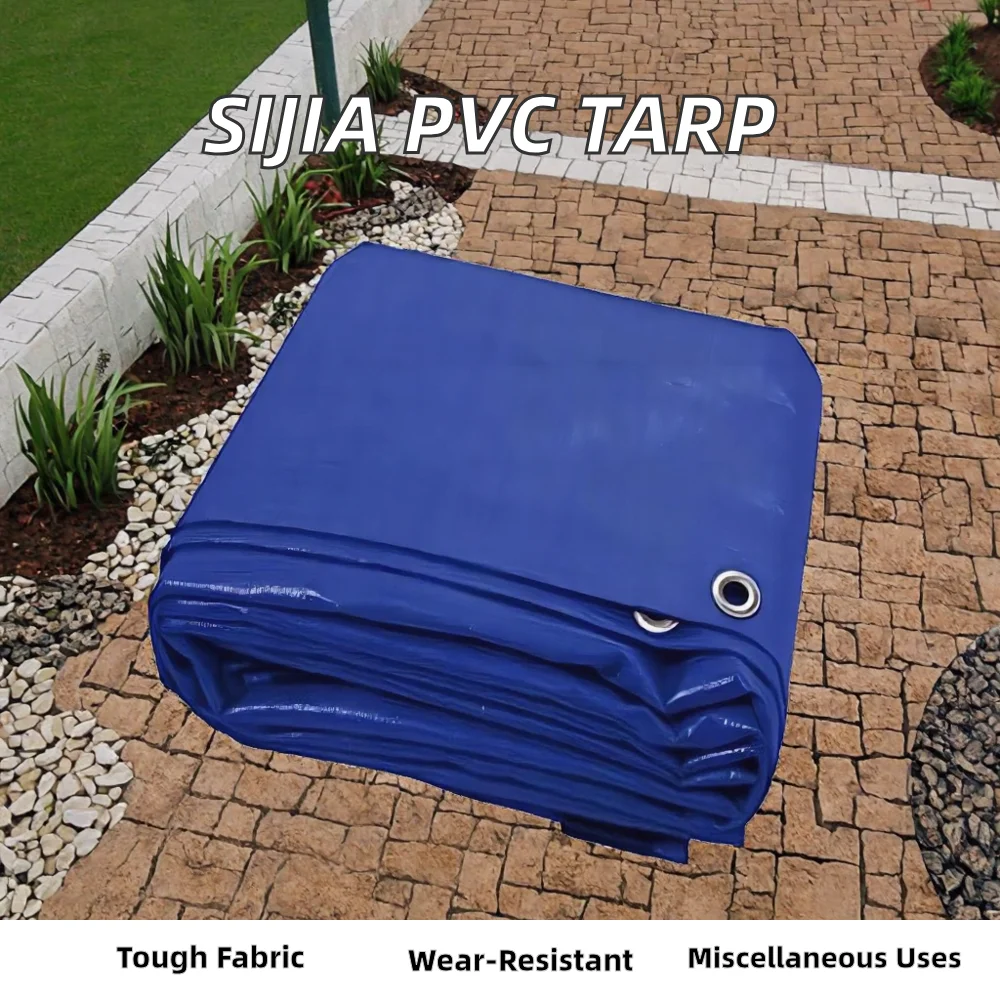
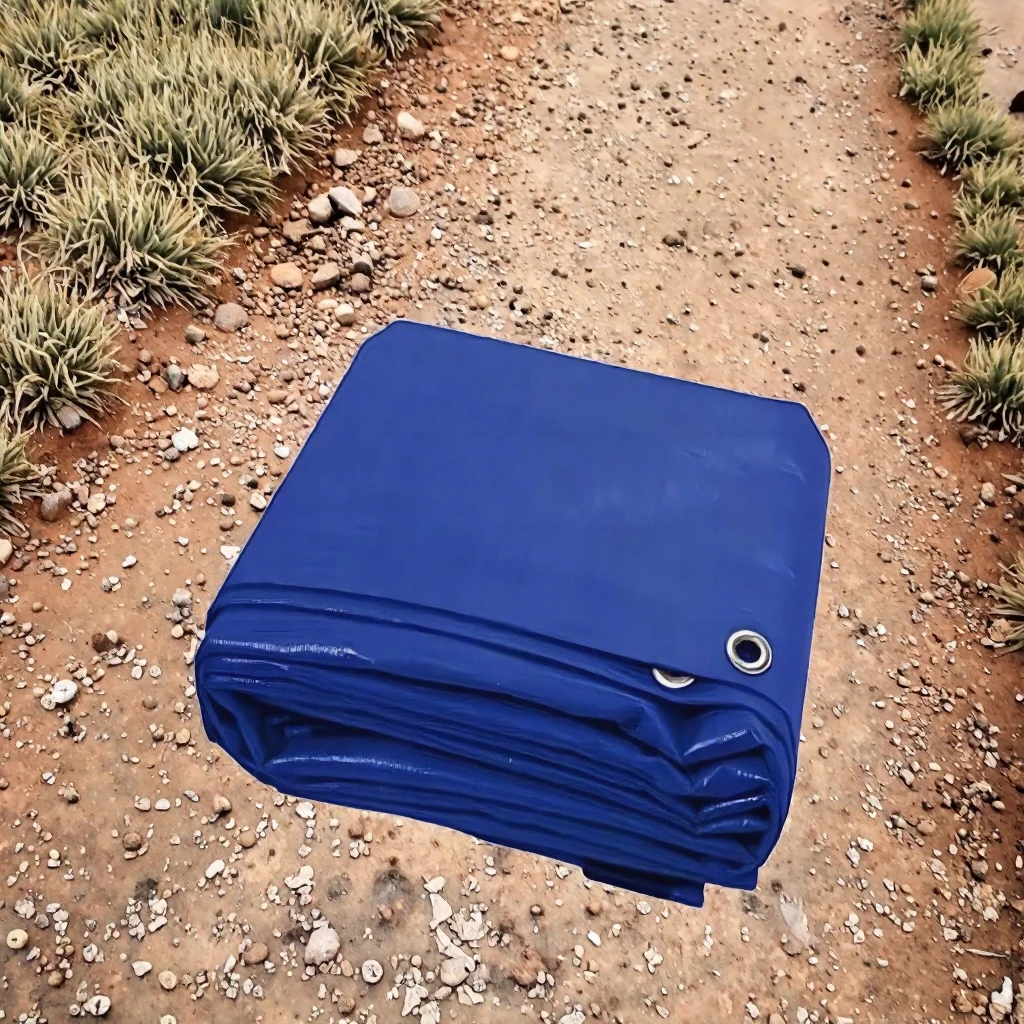
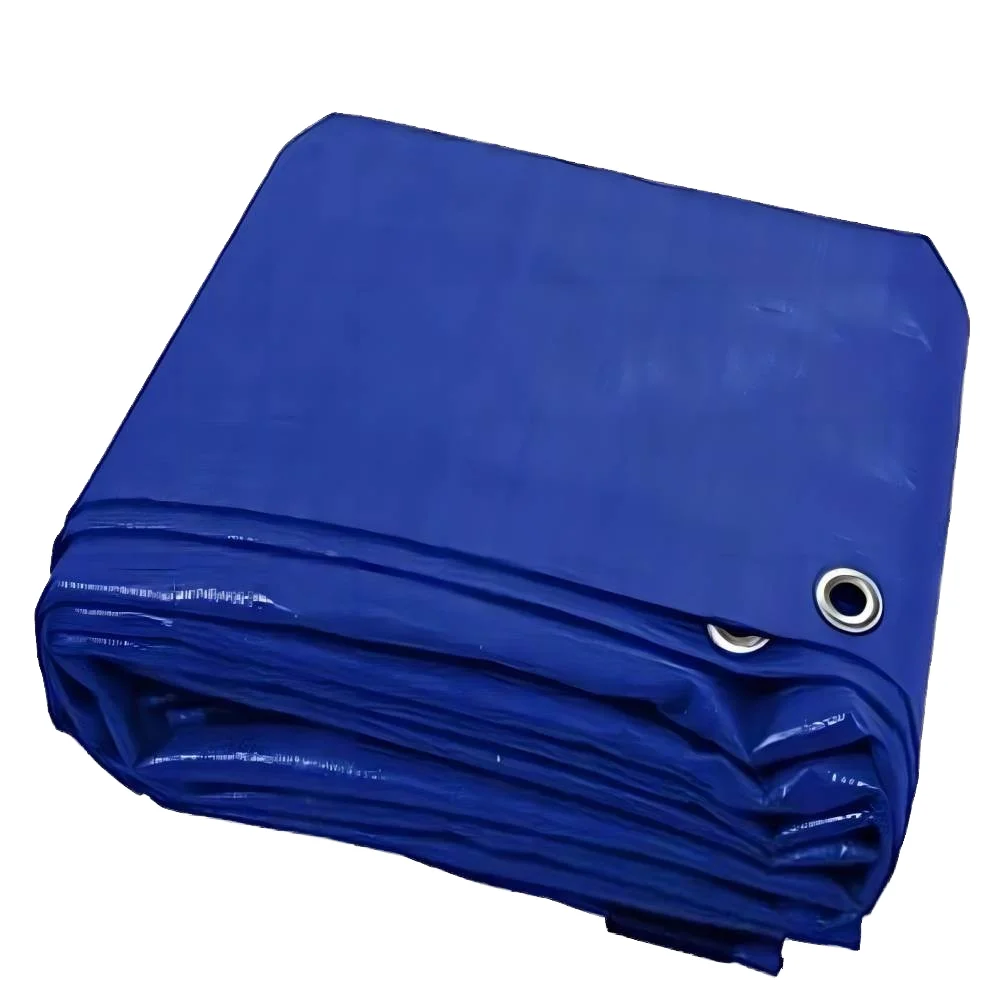
Consistent Roll Weights — pre-shipment inspection records the actual GSM of every roll against the spec sheet before it leaves the facility.
Technical Specifications
| Parameter | Value |
|---|---|
| Product Type | PVC Coated Tarpaulin Roll |
| Base Fabric | High-strength polyester mesh fabric with PVC coating |
| Coating Method | Laminated technology & Hot-melt Coating technology |
| Weight (GSM) Options | 350gsm, 420gsm, 500gsm, 550gsm, 600gsm, 750gsm |
| Total Thickness Options | 0.32mm, 0.35mm, 0.4mm, 0.45mm, 0.5mm, 0.65mm |
| Standard Roll Width | 2m or 2.1m |
| Standard Roll Length | 75m (for 2m width) or 50m (for 2.1m width) |
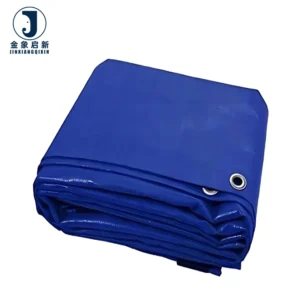
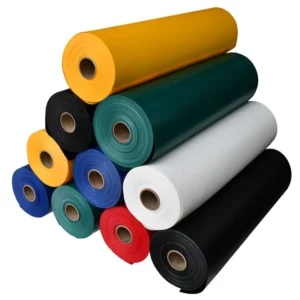
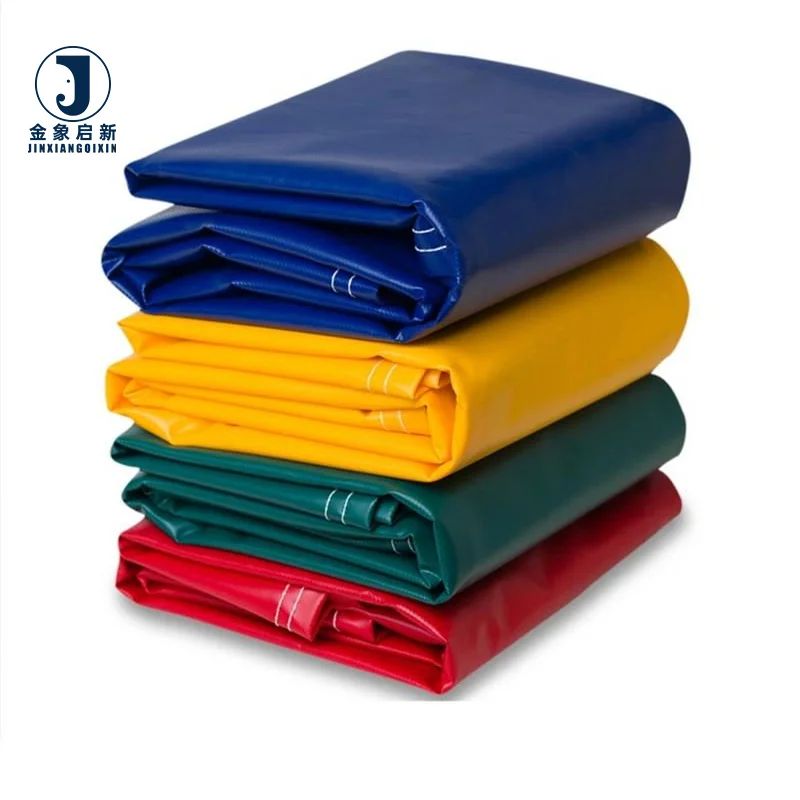
| Finish | Glossy or matte (colour options: Blue, Red, Yellow, Light blue, Grey, or customized) |
| Cold Crack Resistance | Yes |
| Anti-Mildew | Yes |
| Waterproof | Yes |
| Flame Retardant | Available in flame retardant grades — confirm the grade required for your market |
| UV Treatment | Available with UV stabilisation — request test report for specific grade |
| Anti-Static | Available with anti-static treatment — confirm specification |
Application Suitability
| Application | Exposure & Requirement |
|---|---|
| Tarpaulin distribution and resale | Consistent roll weight, uniform colour across batches, predictable yield per roll for cutting |
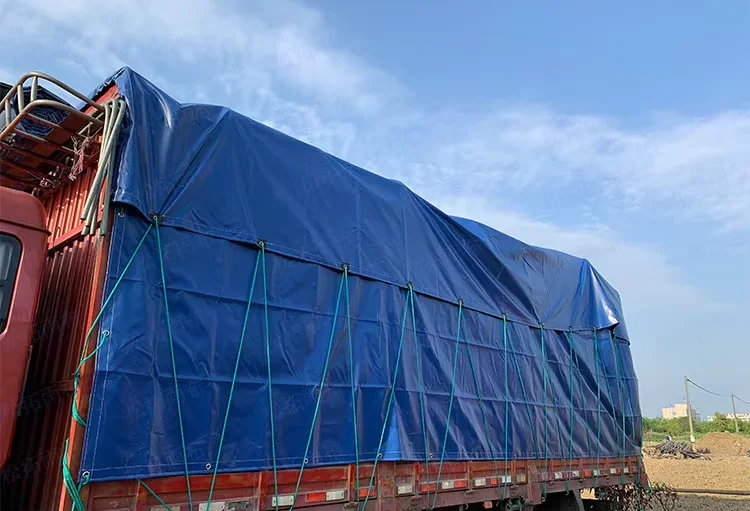
| Truck and trailer side curtains | Constant flexing at load points, road debris abrasion, weather exposure, high-frequency welding |
| Tent and awning manufacturing | Bulk fabric supply for production runs, colour matching across panels, seam welding integrity |
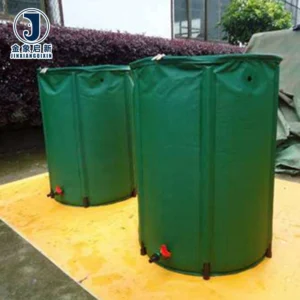
| Agricultural and aquaculture pond liners | Permanent water immersion, soil chemistry contact, puncture resistance during installation |
| Cargo ship deck covers | Salt spray, heavy wind loads, UV exposure, tie-down stress at reinforced edges |
Why the Quoted GSM Rarely Matches What Arrives on the Dock
Most roll-stock disputes start on the scale, not in the lab.
A PVC coated tarpaulin roll wholesale order typically specifies a target weight per square metre, but the actual GSM measured on arrival can drift below that figure when coating weight is applied at the lower end of the tolerance band to save material cost. The gap compounds across a full container: a small shortfall per roll translates into noticeable differences in hand-feel, drape, and tensile behaviour when the fabric is unrolled side by side on the warehouse floor [NEED_CITE: tolerance band practices in coated fabric manufacturing]. Distributors who sell onward face complaints from their own customers, while fabricators find that welding parameters calibrated for the quoted weight produce weak seams on the lighter material.
How Roll-to-Roll Weight Drives Downstream Fabrication Yield
PVC coated tarpaulin roll stock must behave identically from the first metre to the last, because automated cutting tables and high-frequency welding machines are set to specific tension and temperature values. When one roll is heavier than the next, the weld head may burn through the lighter section or fail to penetrate the heavier one, creating rejected panels that consume both material and production time. Maintaining GSM within a tight band across every roll in a batch removes this variable and lets fabricators run their equipment without constant recalibration.
Container Loading and Freight Efficiency for Bulk Buyers [NEED_CITE: container loading density for coated fabric rolls]
Buying by the roll means freight cost per square metre is a significant part of the landed price. Standard widths of 2m and 2.1m are chosen to maximise the number of rolls that fit upright in a 20ft or 40ft container, reducing wasted void space. A detailed container loading plan — listing roll count, gross weight, and cubic volume — allows importers to calculate accurate freight cost per square metre before the order ships, avoiding surprises at the port of destination.
Reading the Specs Beyond the GSM Figure
Weight alone does not define the performance of a PVC tarpaulin roll. A 650 GSM fabric woven from high-tenacity polyester yarns with a tight base weave will outperform a 650 GSM fabric that achieves its weight through heavy coating on a loosely woven scrim. The base fabric denier and thread count determine tensile and tear strength, while the coating method — laminated versus hot-melt — governs adhesion between the PVC layers and the polyester core. Laminated construction typically delivers higher peel strength, which matters when the fabric is welded at seams that must flex repeatedly. Thickness readings in millimetres correlate with puncture resistance and abrasion durability, but only when paired with the correct coating formulation. Hot-melt coated rolls often show better cold-crack resistance, staying flexible in low-temperature transport environments where stiff material would crack under wind load.
The Real Cost of a Colour Mismatch Across the Batch
When rolls from the same order show visible shade differences after installation — a darker blue on one panel next to a lighter blue on the next — the entire structure looks patchwork. For distributors holding inventory, inconsistent colour means some rolls become unsaleable for projects requiring a uniform appearance. This problem originates at the pigment dispersion stage: if the masterbatch is not thoroughly mixed before coating, or if different pigment batches are blended mid-run, the resulting shade shift is only detectable once the material is unrolled in full daylight. Pre-dispatch verification under standardised lighting catches these shifts before the container is sealed [NEED_CITE: visual inspection standards for colour fastness in coated textiles].
Why Batch Consistency Depends on Process Control
Jinan Jinxiang operates three full production lines with dedicated quality checks at each coating stage, allowing GSM and colour to be monitored continuously rather than sampled only at the end of the run. A 10-person R&D team develops custom colour matches and provides sample rolls within days, so buyers can confirm the shade and hand-feel before committing to a full container order. Every roll is weighed and recorded on the pre-shipment inspection sheet, giving wholesale buyers documented proof that the material received matches the specification quoted. Custom widths and lengths are produced on the same lines under identical process controls, maintaining consistency even for non-standard sizes.
Documentation & Verification
- Material spec sheet stating exact GSM, base fabric weave, coating method, and colour code for each roll
- Pre-shipment inspection record showing actual measured weight per roll versus the quoted specification
- Roll packing list with individual roll weights and total count for customs declaration and freight calculation
- UV and flame-retardant test reports supplied where the selected grade includes those treatments
- Certificate of origin and ISO/CE compliance documentation accompanying every export shipment
Fabrication, Handling & Storage
- High-frequency welding parameters should be adjusted per GSM grade — test weld on the 350gsm and 750gsm extremes of your order first
- Store rolls upright on their cores to prevent flat-spot creases that show through the PVC coating surface
- Unroll heavier grades such as the 0.65mm stock in temperatures above 5°C to avoid cold-crack damage during handling
- Plan cutting layouts around the 2m or 2.1m width to minimise offcut waste on standard panel sizes
- Use compatible PVC-based adhesives for field repairs, matching the laminated or hot-melt coating type of the roll
Before You Request a Quotation
Specify the end-use application and the environmental exposure the fabric will face — outdoor UV, chemical contact, or repeated flexing — so the correct GSM and treatment grade can be recommended. Confirm the roll width and length your cutting setup requires, along with the estimated annual volume, to determine whether standard stock rolls or a custom-width production run is more efficient. If colour consistency across multiple shipments is critical, request a physical sample roll for approval before the bulk order is scheduled.
Frequently Asked Questions
Q: How is GSM verified on each roll before shipment?
A: Every roll is weighed individually after production and the actual GSM is recorded on the pre-shipment inspection sheet. This document travels with the packing list so the buyer can verify the delivered weight against the original specification upon arrival.
Q: What is the MOQ for a custom width or colour?
A: Custom widths and colours require a minimum production run to ensure pigment and coating consistency across the batch. The exact MOQ depends on the selected GSM grade and coating method — request a quotation with your target specifications for a confirmed figure.
Q: How do you control colour consistency across multiple rolls?
A: Pigment masterbatch is mixed as a single lot for the entire order, and each roll is visually compared against the approved reference under standardised lighting before packing. Rolls that fall outside the colour tolerance are segregated and not included in the shipment.
Q: What container loading documentation do you provide?
A: Each bulk shipment includes a detailed roll packing list with individual roll dimensions, gross and net weight, and total cubic volume, along with a container loading plan showing roll placement for efficient unloading at destination.
Q: Can you supply test reports for UV or flame-retardant grades?
A: Test reports are available for rolls produced with UV stabilisation or flame-retardant treatment. Specify the standard required by your market — such as DIN 4102 or NFPA 701 — at the inquiry stage so the correct grade is manufactured and documented.