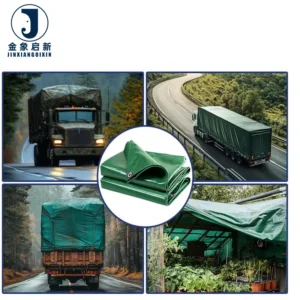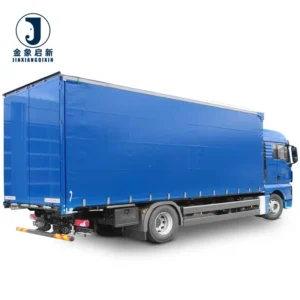
Description
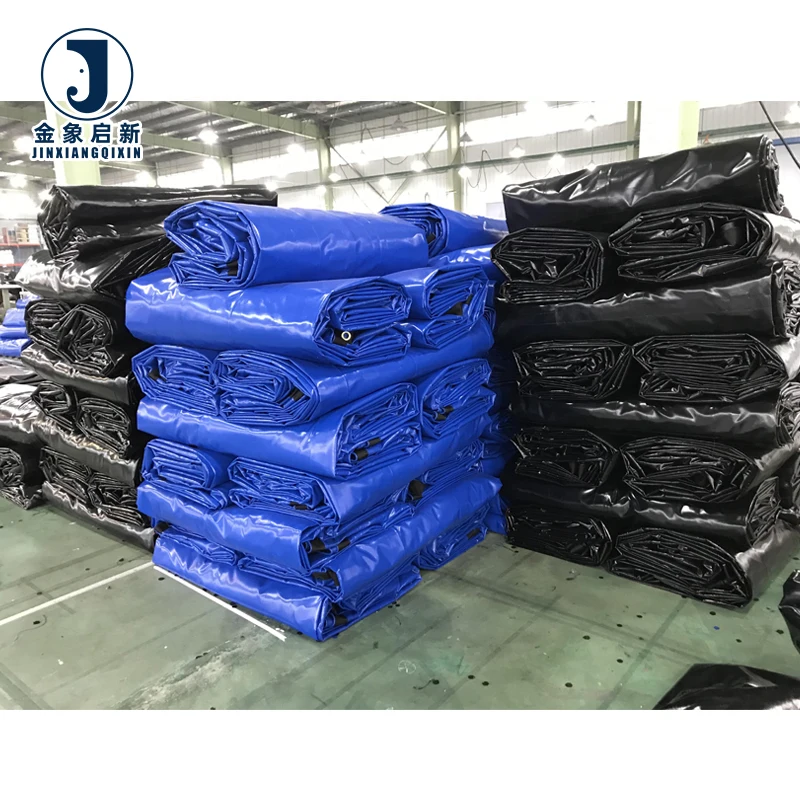
Roll-to-Roll Consistency — every roll verified for 610gsm weight and colour match before dispatch, backed by dedicated QA at each production stage.
Technical Specifications
| Parameter | Value |
|---|---|
| Product Type | PVC Coated Truck Tarpaulin |
| Base Fabric Denier | 1000 × 1000D |
| Mesh Count | 20 × 20 |
| Coating Material | PVC |
| Weight (GSM) | 610 gsm (18 oz) / 16 oz / 14 oz grades available |
| Total Thickness | 0.70 – 1.0 mm |
| Tensile Strength (N/5cm) | Meridian 2000 – 2500 / Latitude 1800 – 2200 (test basis not stated) |
| Temperature Range | -35 to 70 °C |
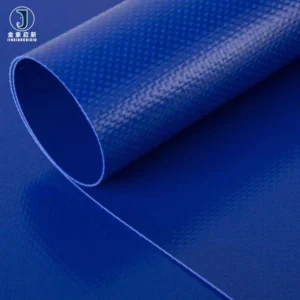
| Color | Black / Blue (batch-consistent options) |
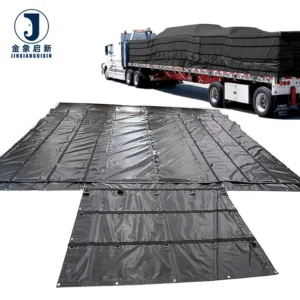
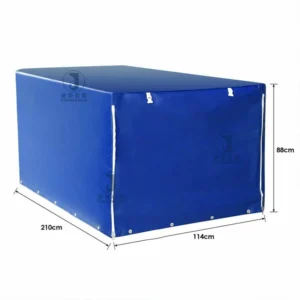
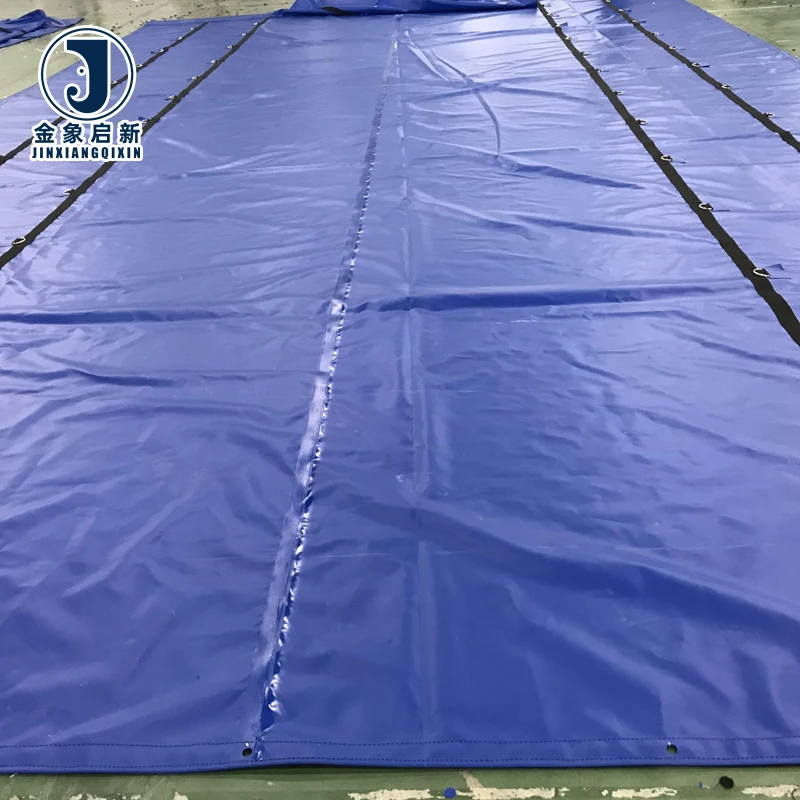
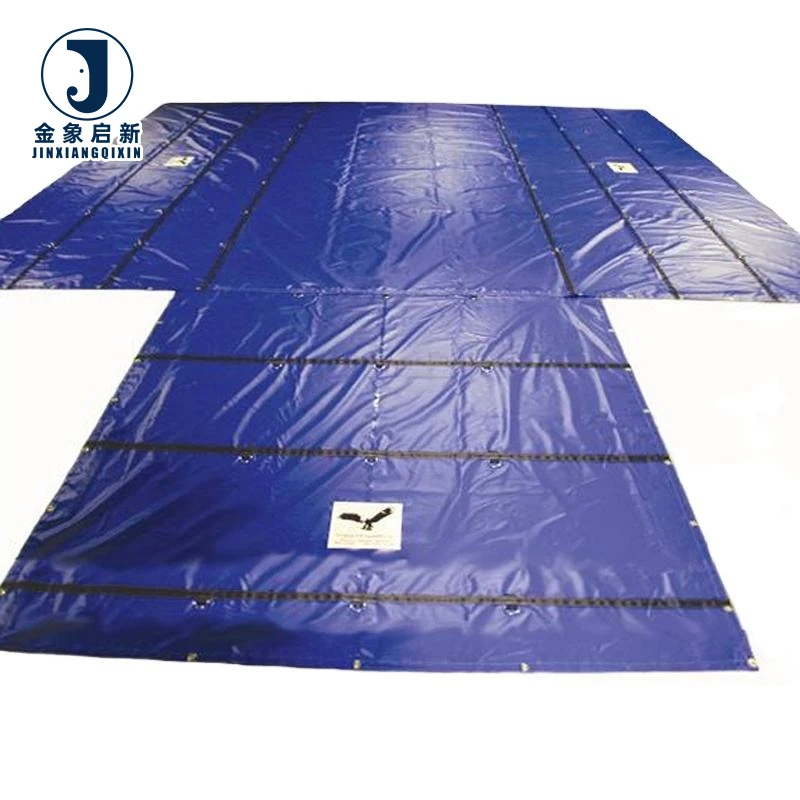
| Standard Size Reference | 24′ × 27′ with 8ft. Drop |
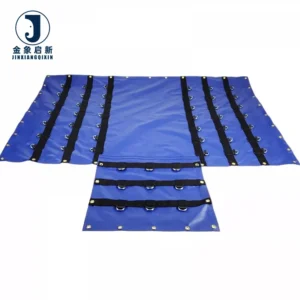
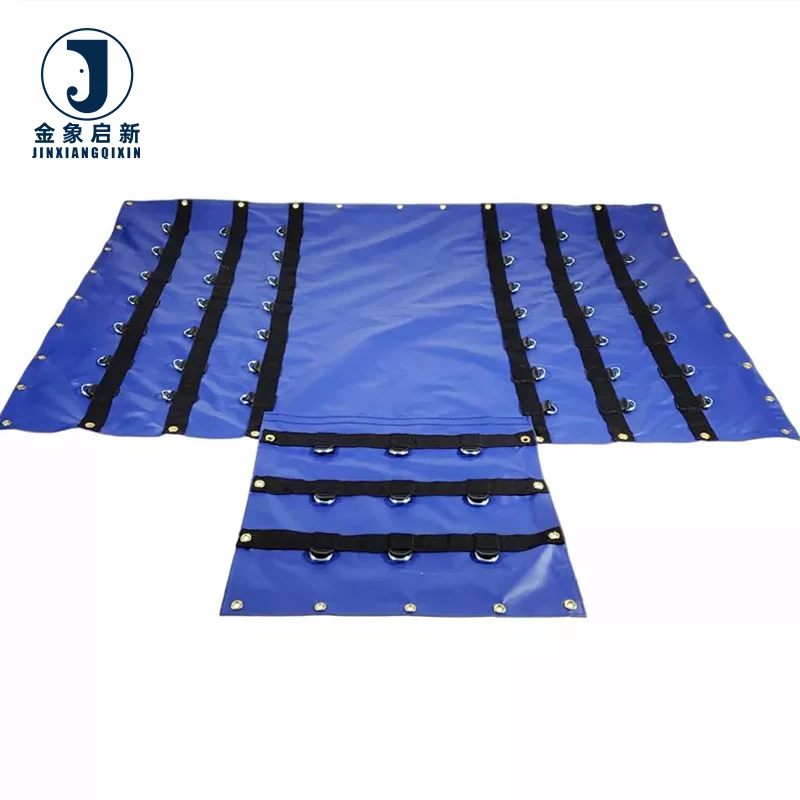
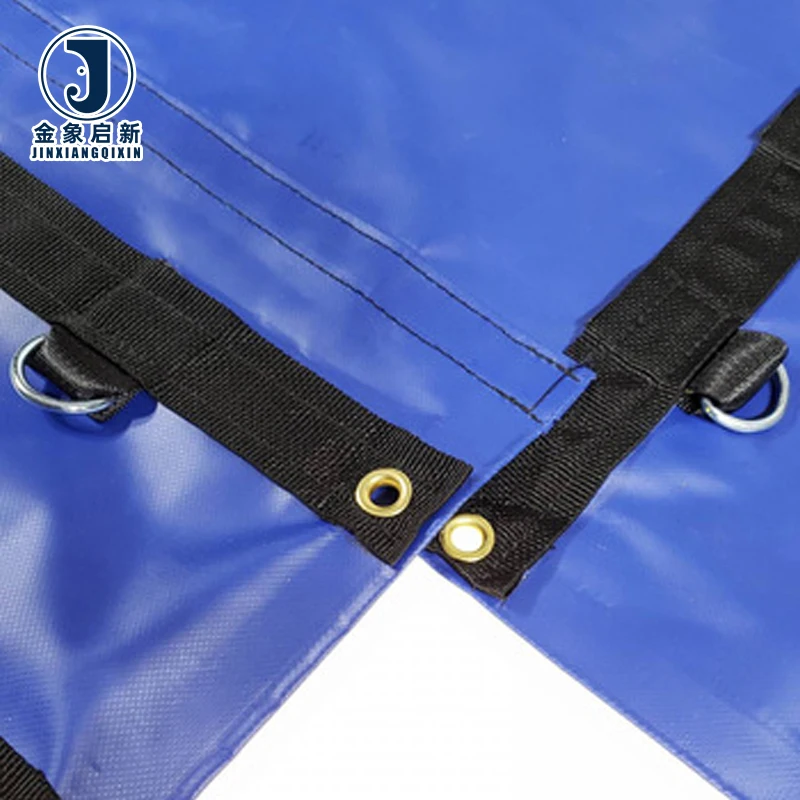
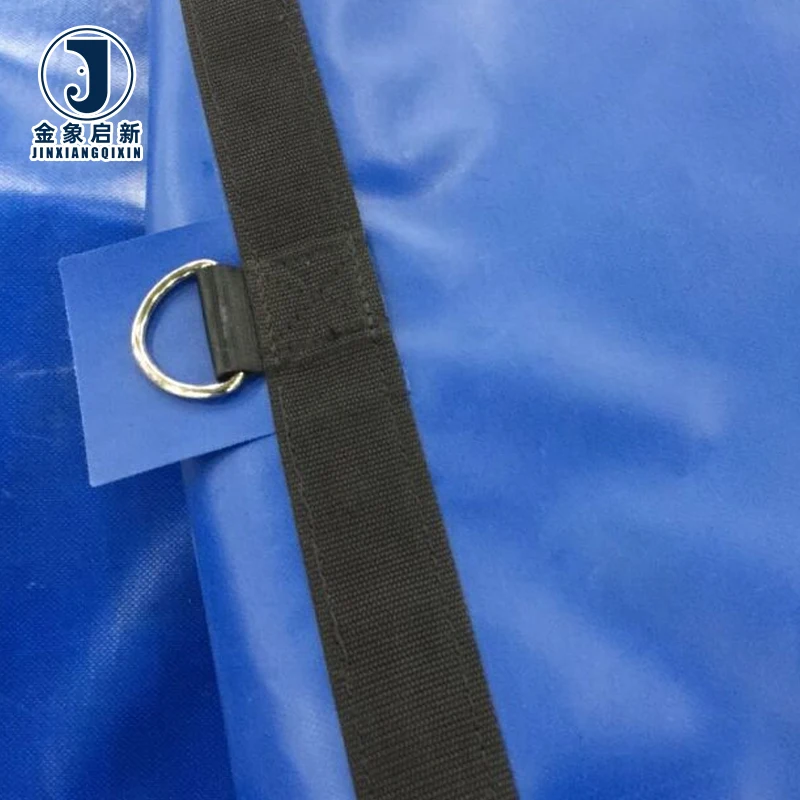
| Hardware | 3 Rows of D-Rings, Tail Wing on 6′ and 8′ drops |
| Surface Finish | Available in glossy or matte finish |
Application Suitability
| Application | Exposure & Requirement |
|---|---|
| Flatbed lumber transport | Stacked timber loads subject to rainwater pooling, UV radiation, and highway-speed road debris impact |
| Wall panel and building material haul | Tall, rigid loads requiring full-drop side coverage and abrasion resistance at contact points |
| Steel and pipe freight | Heavy dense loads generating high point-load stress on tarp contact zones during braking and cornering |
| Long-distance fleet operations | Year-round exposure across temperature extremes demanding cold-flex and heat-stability performance |
Why Batch Weight Verification Matters More Than Quoted GSM for Roll Buyers
The GSM printed on your quotation is only meaningful if verified roll by roll at the warehouse.
When sourcing PVC coated truck tarpaulin roll stock in bulk, the gap between quoted weight and delivered weight directly affects your fabrication yields, your end-user’s load protection, and your reputation with fleet operators. A lighter-than-specified roll means thinner coating, reduced tensile reserve, and tarps that fail prematurely at high-flex zones. Buyers who accept shipment without weight verification often discover the discrepancy only after tarps are cut, welded, and deployed — when returns are costly and replacement timelines disrupt fleet schedules [NEED_CITE: pre-shipment inspection standards for coated fabric roll stock].
Roll-to-Roll GSM Accountability Across Your Entire Shipment
Every roll of this PVC coated truck tarpaulin passes through a staged QA checkpoint where actual weight is measured against the purchase order specification before packing. Rolls that fall outside the agreed tolerance band are pulled and reworked, not silently merged into the shipment batch. This process ensures that the 610gsm you specified is the weight your fabrication team works with on the cutting table.
Colour Consistency as a Supply Chain Safeguard
For distributors stocking Black and Blue grades, colour drift between rolls in the same container creates visible mismatches when two covers are installed side by side on adjacent trailers. Our coating lines maintain calibrated pigment dosing throughout each production run, and every roll is visually matched against the batch reference card before approval. The result is a uniform appearance across your inventory, protecting your standing with fleet buyers who demand visual consistency [NEED_CITE: colour tolerance measurement methods for PVC coated fabrics].
Understanding What the 1000 × 1000D and 20 × 20 Mesh Count Deliver Together
The base fabric denier and mesh count function as an integrated system rather than independent specifications. A 1000 × 1000D yarn in a 20 × 20 weave creates a dense grid that distributes point loads across multiple yarn intersections, slowing tear propagation when the tarp snags on protruding cargo edges. Combined with 610gsm PVC coating, this construction produces a balance of tensile reserve and flexibility that suits flatbed trailer dynamics — where the cover must flex with load shift during braking without delaminating at the weld seams. The total thickness range of 0.70 to 1.0 mm reflects the coating depth available across the 14oz, 16oz, and 18oz grades, allowing buyers to select weight appropriate to their haul distance and cargo profile.
What Inconsistent Roll Quality Costs You Downstream
A roll that arrives underweight or off-colour does not merely represent a unit cost loss — it cascades through your entire operation. Fabrication teams cutting to standard trailer dimensions waste material when coating adhesion fails during heat welding, forcing re-cuts and pushing delivery schedules. Distributors who ship mismatched rolls to fleet customers face returns and claims that exceed the original roll value many times over. These downstream costs remain invisible at the point of order but become the dominant line item in your annual tarp loss ledger [NEED_CITE: coated fabric weld adhesion failure modes under cyclic load].
Why Procurement Teams Consolidate Roll Orders Through This Facility
Three full production lines and 36 sets of professional equipment provide the throughput capacity to fill full-container roll orders without splitting production across multiple runs, which is where batch consistency breaks down. The 10-person R&D team handles sample development within days when buyers request custom width, colour, or GSM grades outside the standard 610gsm/18oz, 16oz, and 14oz range. Dedicated QA/QC inspection at every production stage means the pre-shipment documentation you receive reflects actual measured values, not nominal targets. Samples are produced and dispatched rapidly so buyers can validate coating feel, weld response, and D-ring reinforcement placement before committing to bulk quantities.
Documentation & Verification
- Material specification sheet listing exact GSM, 1000 × 1000D denier, and 20 × 20 mesh count per roll batch
- Pre-shipment inspection record with GSM weight verification matched against your purchase order line items
- Roll packing list detailing roll count, individual net weight, and container loading sequence for logistics planning
- ISO and CE certificates confirming production management system compliance
- Certificate of origin and customs documentation prepared for your destination port requirements
Fabrication, Handling & Storage
- Heat-weld seams at temperatures calibrated to the 0.70–1.0 mm coating thickness for full PVC fusion without scorch
- Place D-ring reinforcements through the 1000 × 1000D base fabric layer, not coating alone, for load-bearing tie-down security
- Store rolls upright on pallets to prevent flat-spot deformation across the 610gsm coated surface
- Allow cold-stored rolls to reach ambient temperature before unrolling to avoid coating crack in low-temperature grades
- Clean with mild detergent; avoid solvents that degrade the PVC coating surface layer over repeated wash cycles
Preparing Your Roll Stock Inquiry
Provide your target roll width, preferred GSM grade from the available 18oz, 16oz, or 14oz options, and annual volume estimate so we can align production scheduling and batch allocation. Specify whether you require Black, Blue, or a custom colour matched to a Pantone or RAL reference, and indicate if sample approval is needed before bulk production begins.
Frequently Asked Questions
Q: How is GSM verified before shipment, and what documentation accompanies each roll?
A: Each roll is weighed at the QA checkpoint and compared against your purchase order specification. Rolls outside tolerance are removed before packing. You receive a pre-shipment inspection record showing measured GSM values per roll, a roll packing list with net weights, and a material specification sheet confirming base fabric denier and coating details.
Q: How do you maintain colour consistency across multiple rolls in a single bulk order?
A: Pigment dosing is calibrated at the start of each production run and monitored throughout. Every finished roll is visually checked against a batch reference card. This prevents visible colour drift when two covers from the same order are installed side by side on adjacent trailers or displayed together in distributor inventory.
Q: What roll widths and lengths are available, and what MOQs apply to custom sizes?
A: Standard widths and lengths are held for common flatbed tarpaulin applications. Custom widths and roll lengths outside the stock range are available with sample approval before bulk production. Provide your required dimensions and annual volume so we can confirm the production run minimum and lead time for your specific configuration.
Q: How are rolls packed for container shipping to prevent transit damage?
A: Rolls are packed upright on pallets with protective end caps and wrapped to prevent shifting during ocean freight. The roll packing list details container loading sequence, individual roll weights, and total shipment weight, allowing your logistics team to plan unloading and warehouse placement in advance of container arrival.
Q: What lead times apply to bulk roll orders, and do you hold stock for faster dispatch?
A: Stock grades in standard widths are available for faster dispatch. Custom colour, width, or GSM grade orders follow a production schedule confirmed at quotation stage. Sample development for custom requirements is completed within days so buyers can approve material before bulk production begins, reducing overall procurement timeline risk.