
Description
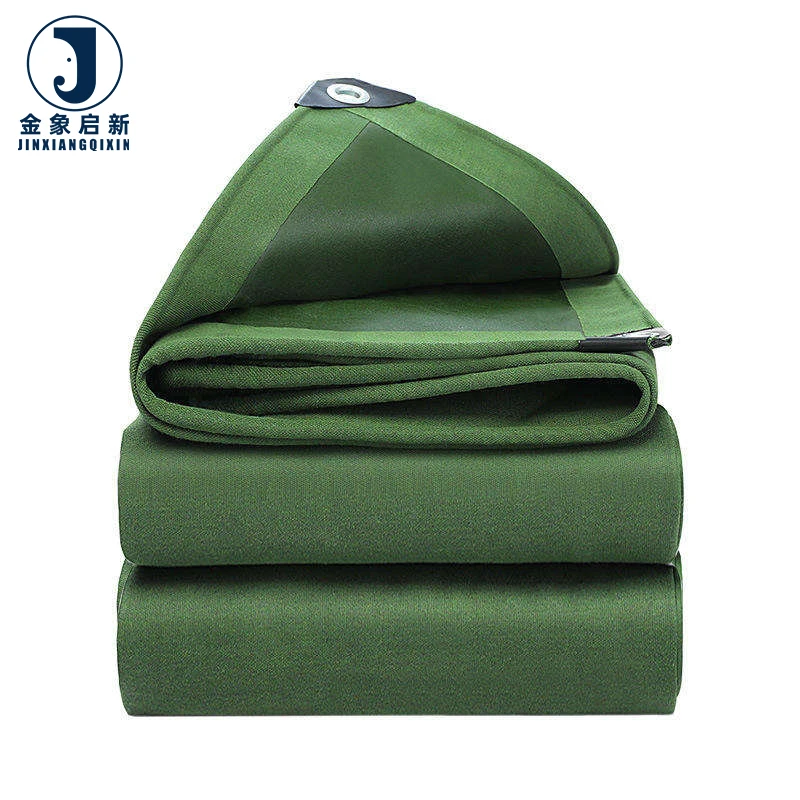
Verified GSM at Source — every 2m×100m roll of 600gsm canvas tarpaulin leaves the line with weight checked per roll, not just per batch, so container-load buyers receive stock that matches the quotation on arrival.
Technical Specifications
| Parameter | Value |
|---|---|
| Product Type | Canvas Tarpaulin |
| Weight | 600gsm |
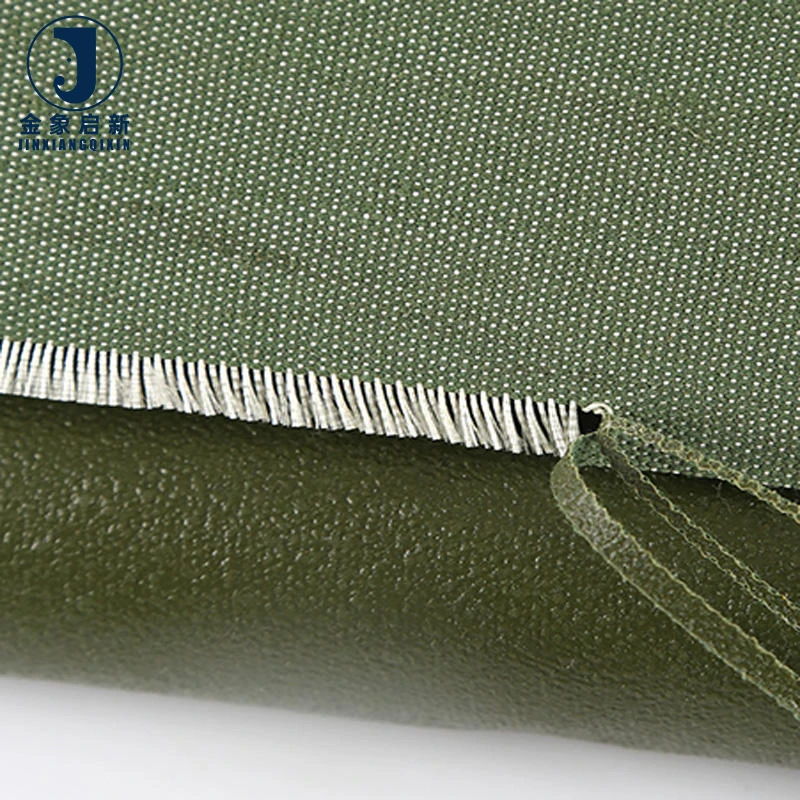
| Base Fabric | Polyester cotton industrial textile, 8-12 strands of fine cotton yarn |
| Total Thickness | 0.5mm / 0.6mm / 0.7mm |
| Roll Width | 2m |
| Roll Length | 100m |
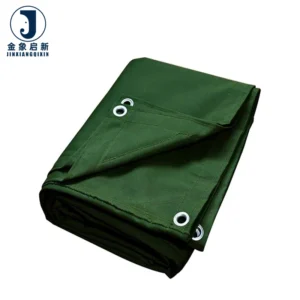
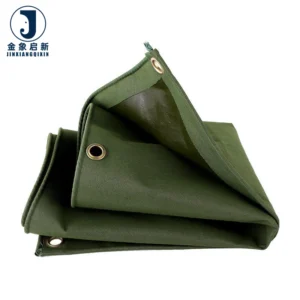
| Color | Army Green Camouflage / Custom |
| Coating Material | Silicone |
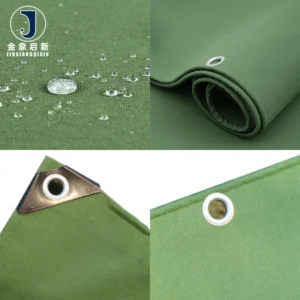
| Waterproof Rating | Waterproof (test basis not stated in source) |
| UV Treatment | UV resistant (test basis not stated in source) |
| Anti-Mildew | Mold resistant (test basis not stated in source) |
| Flame Retardant Grade | Not stated — available in flame retardant grades, confirm the grade required for your market |
| Anti-Static | Not stated in source |
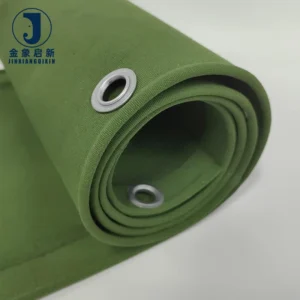
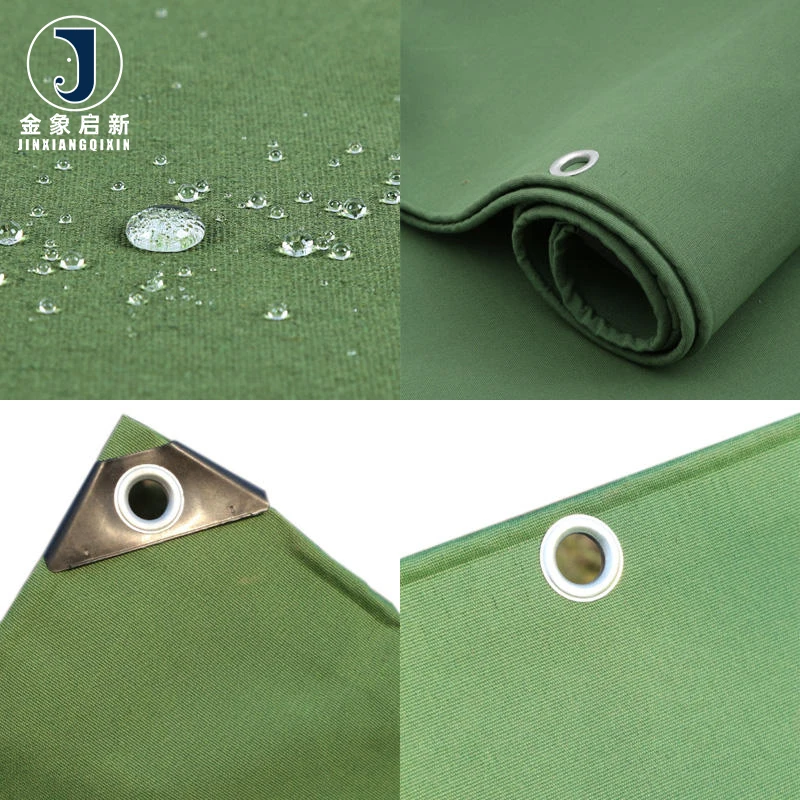
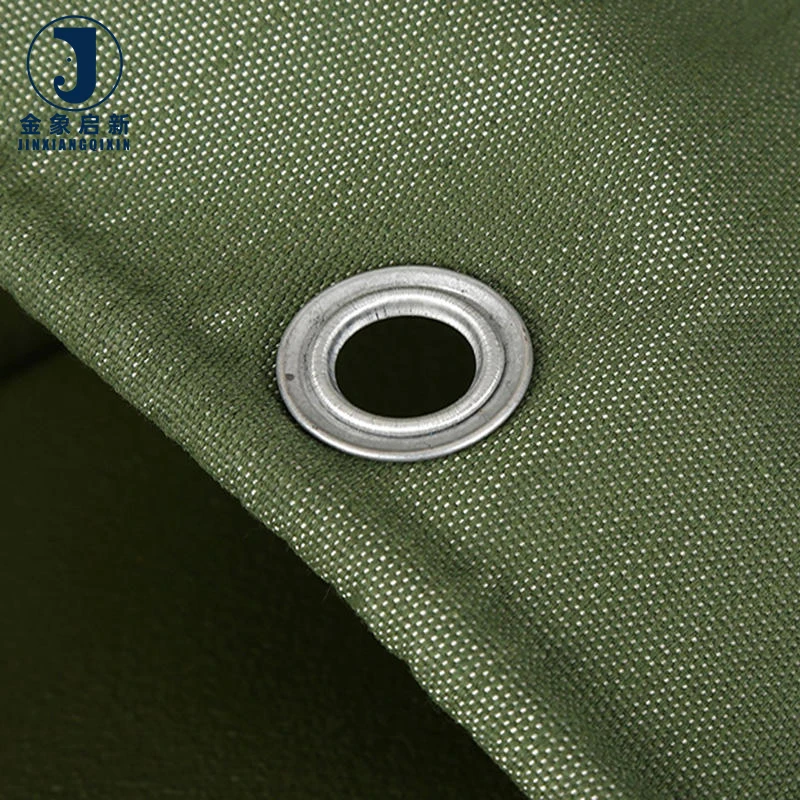
| Eyelet Specification | Rust-proof aluminum eyelets every 1 meter at corners and hem |
| Seam Construction | Folded, welded and sewn with poly ropes |
| Service Life | 5-8 years even longer (source value — verify against manufacturer catalog) |
| Standards | CE, ISO (specific standards not stated in source) |
Application Suitability
| Application | Exposure & Requirement |
|---|---|
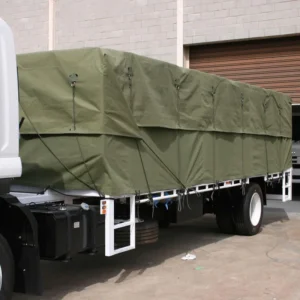
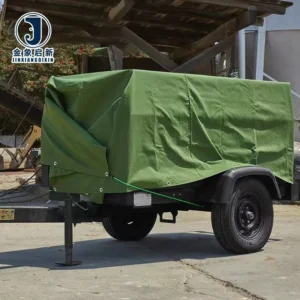
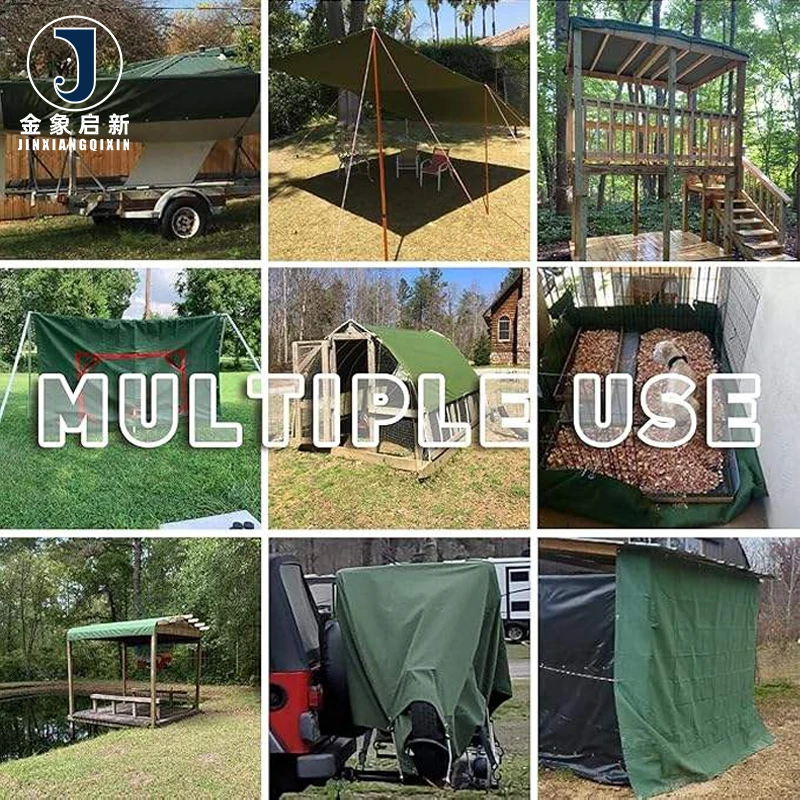
| Truck and trailer covers | Constant road vibration, wind loading at tie-down points, diesel exhaust and particulate abrasion |
| Construction site equipment covers | Prolonged sun exposure, rain pooling on flat surfaces, contact with alkaline dust and cement residue |
| Asphalt and aggregate stockpile covers | Heat transfer from hot materials, mechanical wear from loading and unloading cycles |
| Tent and awning fabrication | Repeated folding and unfolding, tension at pole and frame contact points, seasonal UV load |
| Outdoor timber and lumber protection | Moisture ingress risk, mold formation in humid storage, bark and splinter abrasion |
| Transport fleet in-house fabrication | Cutting and seaming on workshop tables, eyelet installation with manual or press tools |
Why Roll-to-Roll Weight Consistency Matters More Than the Quoted GSM
A 600gsm stamp on a quotation means nothing if the receiving warehouse scale tells a different story.
Tarpaulin buyers who purchase by the roll have learned to weigh a sample cut from every shipment. Too often, the canvas tarpaulin roll wholesale market delivers material that measures lighter than agreed, with coating weight reduced to cut cost on long runs. When a distributor resells that roll to a transport fleet or a construction contractor, the shortfall surfaces as premature tearing at stress points or failure to meet a project specification. I have watched receiving teams reject entire containers because random roll cuts fell below tolerance — a problem that starts at the coating head, not at the packing station. [NEED_CITE: coated fabric weight variation tolerance per ISO 2286]
Stock Rolls Built for Container-Quantity Dispatch
A 2m × 100m roll format fits standard 20-foot and 40-foot container loading plans without dead space between pallets. When you order canvas tarpaulin roll wholesale in container quantities, each roll arrives wound on a core that resists crushing during ocean transit and forklift handling. The polyester cotton base fabric with 8-12 strands of fine cotton yarn holds its shape on the core, reducing edge deformation that can cause tracking problems when the roll is fed through a cutting table or automated seaming machine at your fabrication shop.
Color Matching Across Every Roll in the Same Shipment
Batch colour drift is a frequent complaint in canvas tarpaulin roll wholesale orders, especially when rolls from different dye lots end up installed side by side on a fleet of trucks or across a construction compound. Our production runs pull base fabric from a single prepared batch and apply silicone coating under consistent line conditions so that the army green camouflage tone — or any custom colour you specify — tracks within a narrow visual window from the first roll to the last. [NEED_CITE: colour fastness and batch consistency testing methods for coated textiles]
How Base Fabric Density and Coating Weight Interact to Determine Real-World Durability
The 600gsm figure is the combined weight of the polyester cotton industrial textile base and the silicone coating applied to it. A heavier coating on a loosely woven base will feel thick on the hand but tear easily along the warp or weft when a sharp corner of a steel load presses against it. Conversely, a tightly woven base with 8-12 strands of fine cotton yarn and a proportionally balanced silicone layer delivers tensile resistance and tear propagation control together. This is why two rolls both labelled 600gsm can perform very differently on a truck cover that flexes at every tie-down point. Thickness options at 0.5mm, 0.6mm and 0.7mm let you match the roll to the expected mechanical load: lighter for tent fabrication where folding ease matters, heavier for asphalt stockpile covers where heat and abrasion dominate.
The Hidden Cost of Underspecified Seam and Eyelet Construction
When a canvas cover fails in the field, the tear rarely starts in the middle of the fabric panel. It begins at the hem where wind load concentrates, or at an eyelet that pulls through under storm-force tension. Rolls supplied without reinforcement specifications leave the fabricator to improvise — and improvised hems on 600gsm material often fail within the first season. Our rolls come with rust-proof aluminum eyelets spaced every 1 meter along the hem and at corners, and seams that are folded, welded and sewn with poly ropes. This combination addresses the two failure points that cost fleet operators and construction contractors the most in field replacements and warranty returns. [NEED_CITE: seam and eyelet pull-through test methods for heavy-duty tarpaulins]
Why Procurement Teams Source Canvas Tarpaulin Roll Wholesale from This Line
Three full production lines and 36 sets of professional equipment run concurrently, giving bulk buyers a realistic delivery window even when ordering mixed widths or custom colours alongside stock army green camouflage rolls.
A 10-person R&D team develops samples within days when a buyer needs a non-standard width, a specific eyelet spacing, or a colour match to an existing fleet livery before committing to container volume.
Dedicated QA and QC staff inspect every roll before it is packed — weight is verified per roll, not averaged across a batch, and surface defects are flagged before the roll reaches the dispatch area.
ISO and CE certified production processes provide documentation that importers in regulated markets need for customs clearance and compliance filing.
Pre-shipment roll sampling lets your receiving team confirm 600gsm and colour consistency before the container leaves the factory floor.
Documentation & Verification
- Material spec sheet stating 600gsm, polyester cotton base and silicone coating type
- Roll packing list with individual roll count and net weight for container reconciliation
- Pre-shipment inspection record confirming per-roll weight check before dispatch
- Certificate of origin and customs documentation for destination-country import filing
- UV and flame retardant test reports where applicable to specified grades
Fabrication, Handling & Storage
- Cut 600gsm rolls on a flat table with a straight-edge blade to avoid fraying the polyester cotton weave
- Heat-weld silicone-coated seams at temperatures matched to the 0.5mm–0.7mm thickness range for full adhesion
- Install aluminum eyelets with a press die sized to the 1-meter spacing pattern to maintain hem load distribution
- Store rolls upright on their cores in a dry, shaded area to prevent edge crushing and surface marking
- Avoid dragging rolls across concrete floors — the silicone coating surface can scuff under abrasive contact
- Unroll in temperatures above freezing to prevent stiffness-related cracking at the fold lines
Specifying Your Canvas Tarpaulin Order
Tell us the target market and end-use application so we can confirm whether a flame retardant or anti-static grade is required for your compliance environment. Specify whether you need stock 2m × 100m rolls for your own fabrication line, or custom widths and pre-cut sizes with finished eyelets and hems. Provide your annual volume estimate and any colour matching requirements against a Pantone or physical sample so we can plan dye-lot allocation before production begins.
Frequently Asked Questions
Q: How is the 600gsm weight verified on each roll before it ships?
A: Every roll is weighed individually during the pre-shipment inspection stage. A sample cut of known area is taken from the roll and measured on a calibrated scale. The result is recorded on the inspection report that accompanies your shipment, so your warehouse team can cross-check on arrival without needing to destroy a full roll for testing.
Q: What MOQ and pricing tiers apply to container-quantity roll orders?
A: Minimum order quantities depend on whether you are ordering stock 2m × 100m rolls in army green camouflage or requesting custom widths, colours or thicknesses. Container-quantity orders qualify for volume-based pricing tiers. Send your target roll count, colour specification and delivery port so we can provide a tiered quotation with lead time.
Q: How do you control colour consistency across multiple rolls in one order?
A: All rolls in a single order are produced from base fabric drawn from the same prepared batch and coated on the same line under identical temperature and speed settings. Visual inspection under standardised lighting compares each roll against the approved reference before packing, and rolls that fall outside the tolerance window are diverted from your shipment.
Q: What custom widths are available beyond the standard 2m roll?
A: Custom widths can be produced to match your cutting table or fabrication equipment requirements. The available width range depends on current line capacity and coating head setup. Provide your required width and annual roll volume so we can confirm feasibility, minimum order and lead time for the non-standard specification.
Q: How are rolls packed to survive ocean freight without edge damage?
A: Each roll is wound on a rigid core and wrapped in protective film to guard against moisture and surface abrasion during transit. Rolls are loaded in the container in an arrangement that prevents lateral movement and crushing. The packing list details roll count, individual weight and position so you can reconcile the shipment against your order on arrival.