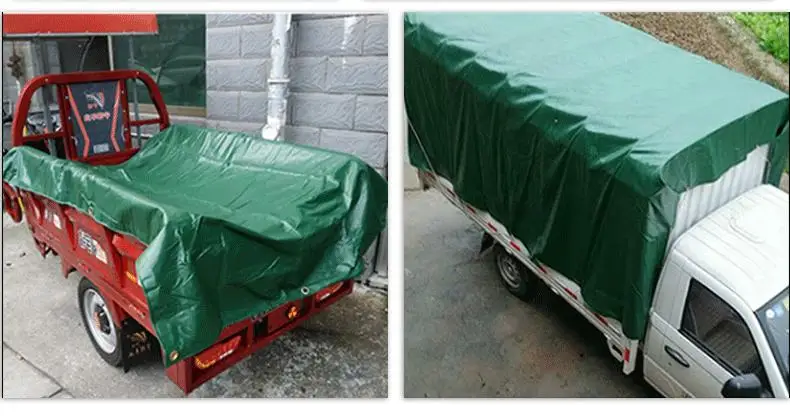
Description
[Proven Roll Consistency] — Every batch of laminated canvas tarpaulin is verified roll-by-roll against the stated 600 GSM weight before leaving our facility, ensuring wholesale buyers receive uniform material across an entire container load.
Technical Specifications
| Parameter | Value |
|---|---|
| Product Type | Canvas Tarpaulin |
| Base Fabric | Woven Plain Canvas |
| Weight | 600 GSM |
| Coating Method | Laminated |
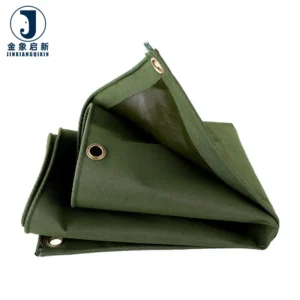
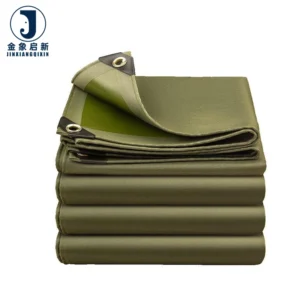
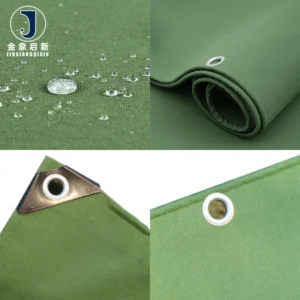
| Edge Construction | Reinforced edges |
| Waterproof | Yes |
| Flame Retardant | Claimed (grade not stated in source) |
| UV Treatment | Claimed (test basis not stated in source) |
| Key Features | Heavy-duty industrial grade, waterproof, reinforced edges |
Application Suitability
| Application | Exposure & Requirement |
|---|---|
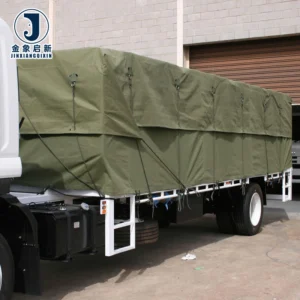
| Construction site covering | Abrasion from debris, weather exposure, flame retardant compliance for enclosed sites |
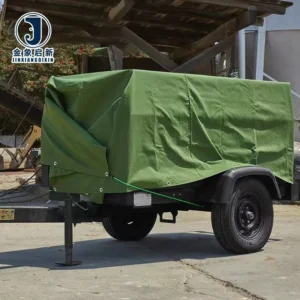
| Equipment protection | UV exposure, moisture ingress, mechanical damage during storage |
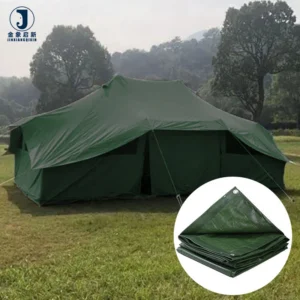
| Tent and awning fabrication | Dimensional stability, repeated folding and unfolding, surface finish consistency |
| Agricultural stock covering | Prolonged outdoor weathering, resistance to biological and chemical agents |
| Pond and reservoir lining | Permanent water contact, puncture resistance from subsoil conditions |
Why Weight Claims Fail Before the Container Is Unloaded
Every roll leaves the production line with its GSM verified against the quoted specification.
Procurement teams frequently specify a 600 GSM canvas tarpaulin only to find the received material feels lighter or tests below the agreed weight upon arrival [NEED_CITE: common discrepancies between quoted and actual coated fabric GSM]. This undermines credibility when the material is resold or used in fabricated products where weight is tied to performance. Sourcing this heavy duty woven plain canvas laminated tarpaulin in volume requires a supplier that inspects at the roll level, not just the batch level. When weight drifts between rolls, fabricators face inconsistent weld behaviour and end users report premature failure at stress points.
Maintaining Roll-to-Roll Uniformity in Bulk Shipments
Colour variation between rolls within a single order is a recurring frustration for tarpaulin distributors who cut and sell to their own customers. A visible shade difference once two rolls are installed side by side reflects poorly on the reseller, not the end user. The lamination process on this canvas tarpaulin is controlled to maintain colour and weight consistency across the entire production run, so container loads arrive with uniform appearance and specification throughout.
The Gap Between a Flame Retardant Claim and a Fire Grade
Specifying flame retardant fabric for a construction or event site is only useful if the grade matches the local fire authority requirement [NEED_CITE: fire safety classification requirements for temporary structures and site covers]. This material is available in flame retardant grades — confirm the grade required for your market before placing an order. Requesting the specific test report for your jurisdiction avoids costly project delays and rejected inspections once the canvas tarpaulin is deployed on site.
Reading the 600 GSM Figure in Context
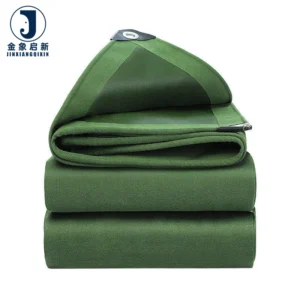
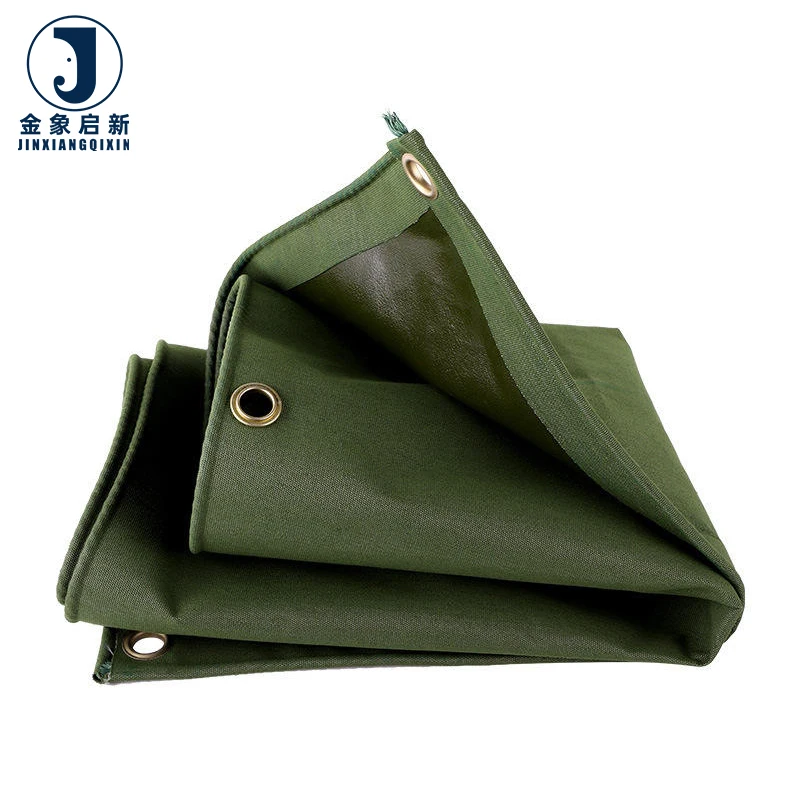
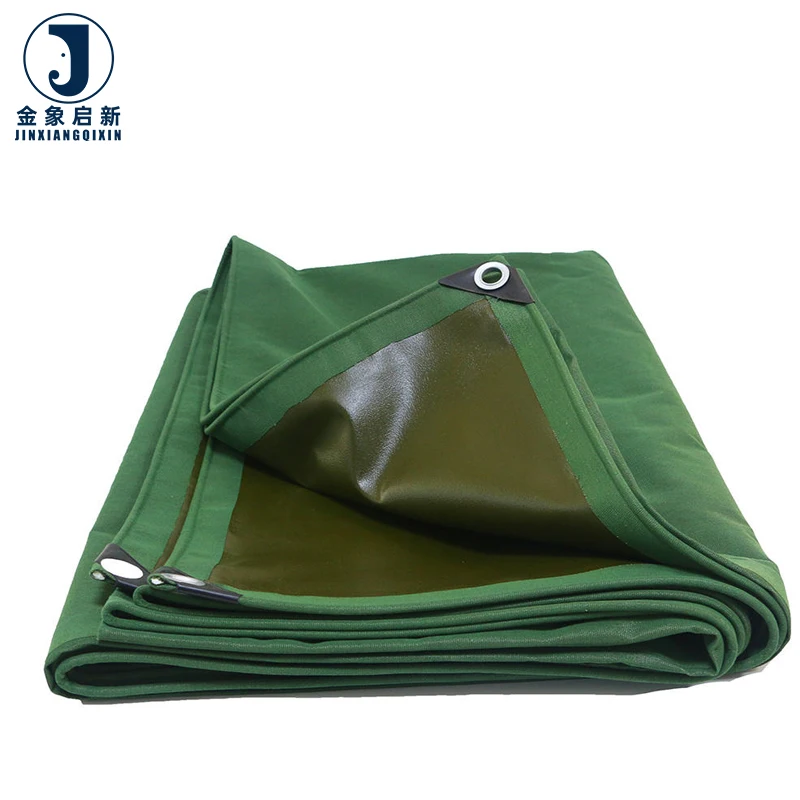
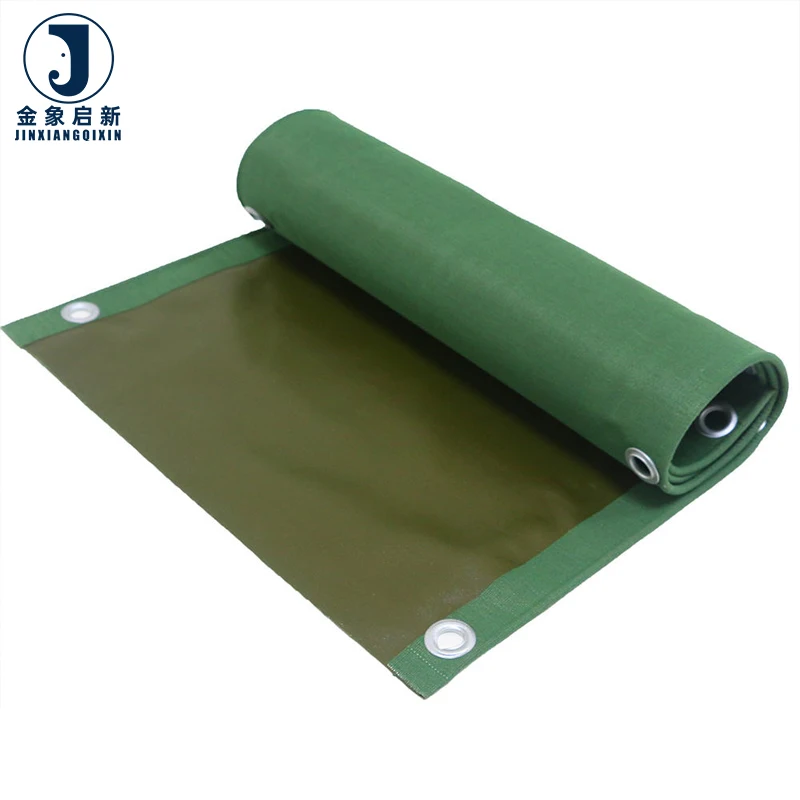
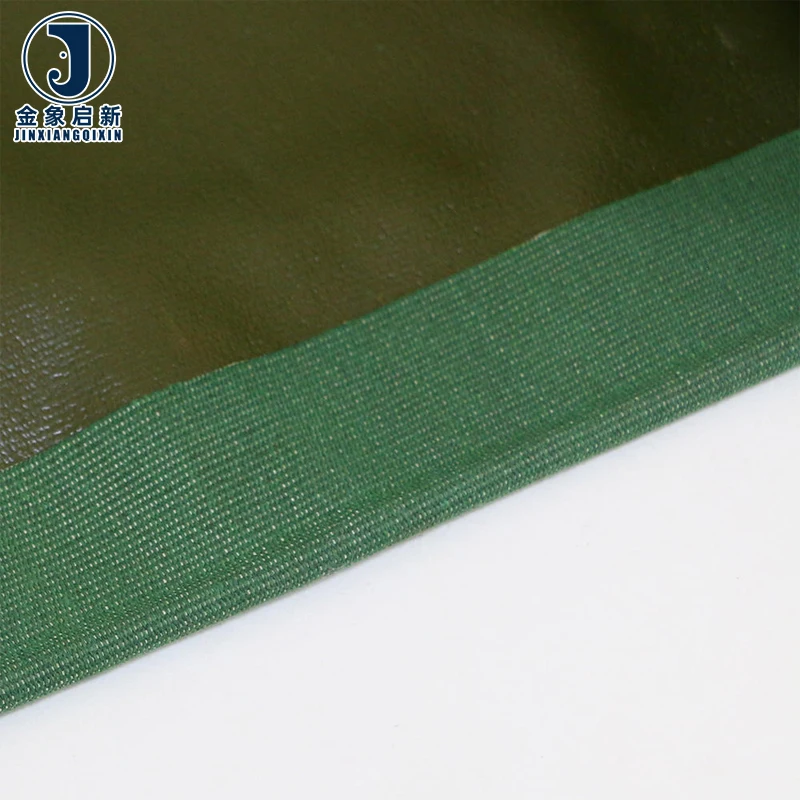
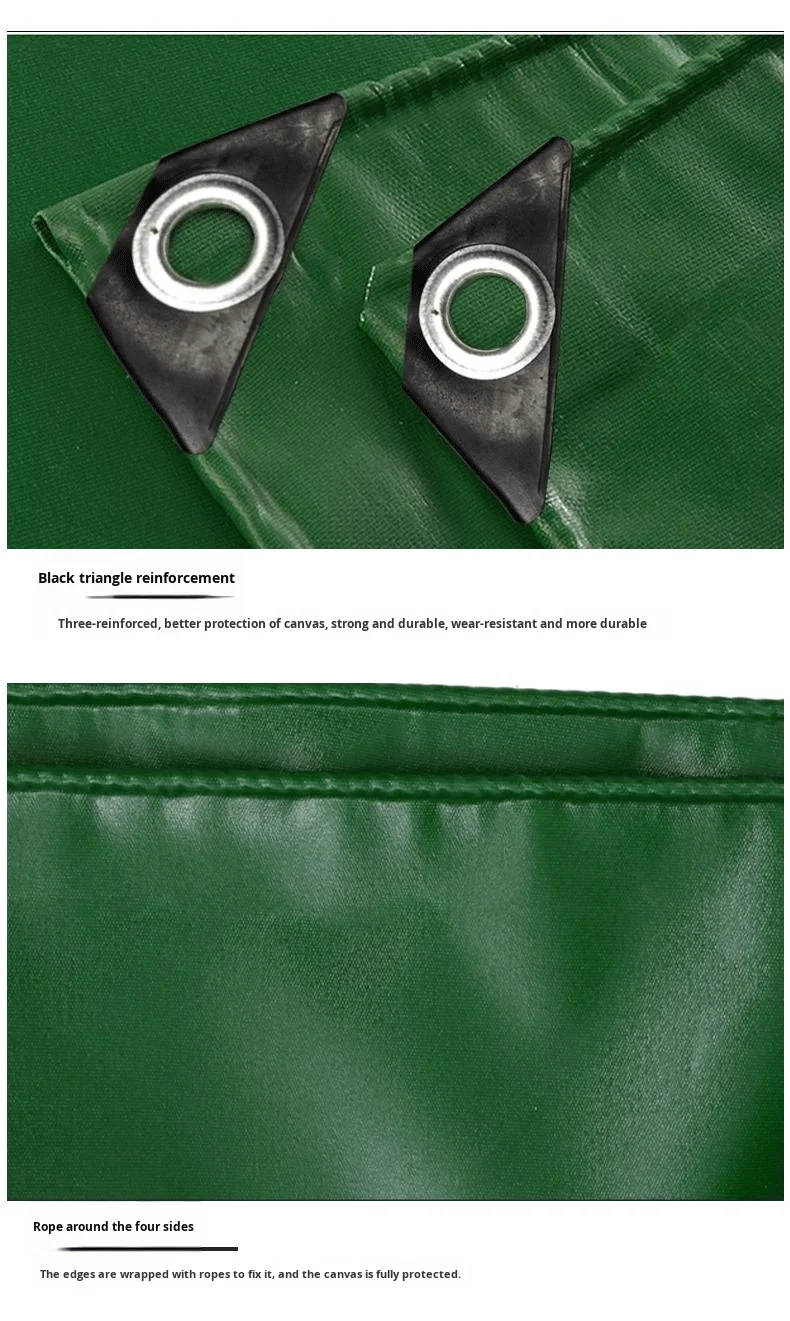
The 600 GSM weight of this laminated canvas tarpaulin represents the combined mass of the woven plain canvas base fabric and the laminated coating layers. Weight alone does not define tear or tensile strength; those properties depend equally on the denier of the yarn and the weave density of the base canvas. Lamination, as opposed to knife coating, bonds pre-formed film layers to the base fabric, producing a material with good dimensional stability and a clean edge profile for cutting. The reinforced edges specified on this product address the high-stress perimeter where handling, tie-downs, and wind loads concentrate force, reducing the likelihood of edge-initiated tearing during installation and use.
The Cost of Overlooking Batch Consistency
When a distributor sources roll stock and the weight or colour shifts between rolls, the downstream impact multiplies quickly. Fabricators report inconsistent behaviour at the weld line, with seams on lighter rolls failing before the fabric itself does [NEED_CITE: welded seam failure correlating with GSM variation in coated fabrics]. Resellers face customer complaints and returned goods when installed panels show visible colour banding. Confirming that pre-shipment inspection covers both weight and visual consistency per roll protects the entire supply chain from these compounding losses.
Why Sourcing This Canvas Tarpaulin Here Makes Sense
Nearly 30 years of focused production on coated fabrics translates to deep process control over lamination weight and base fabric adhesion on every roll of canvas tarpaulin produced. Three full production lines and 36 sets of professional equipment provide the bulk capacity needed to fill container orders with reliable on-time delivery. A 10-person R&D team handles custom width, colour, and sample development, producing samples within days rather than weeks. Dedicated QA/QC at every stage, including 100% inspection before shipment, ensures the roll packing list matches what is physically in the container. Samples are developed against your exact specification before any bulk commitment is made.
Documentation & Verification
- Material specification sheet stating 600 GSM weight, woven plain canvas base, and lamination method
- Pre-shipment inspection record with GSM verification documented per individual roll
- Roll packing list detailing roll count, net weight, and container loading plan
- UV and flame retardant test reports provided where applicable grades are specified
- Certificate of origin and customs documentation included with every export shipment
Fabrication, Handling & Storage
- Heat welding parameters should be tested on scrap from this 600 GSM laminated canvas to establish optimal temperature and dwell time
- Reinforced edges should align with primary stress points and tie-down locations during fabrication layout
- Store rolls horizontally on a flat, shaded surface to prevent deformation of the woven plain canvas base
- Allow laminated canvas tarpaulin rolls to acclimatise before unrolling in cold conditions to avoid coating stiffness
- Use mild, non-solvent cleaners on the laminated surface to preserve coating adhesion over repeated wash cycles
- Plan cutting layouts around available roll widths to minimise off-cuts and seam count in large fabricated covers
Requesting a Quotation That Matches Your Requirements
When enquiring, specify the roll widths and lengths that align with your fabrication or resale operation to receive an accurate loading plan. Indicate whether your market requires a specific flame retardant grade or UV treatment standard so the correct test reports can be prepared with the shipment. Confirm whether you require the canvas tarpaulin as roll stock only or if cut-to-size panels with edge finishing are needed, and request a sample for approval before committing to a bulk order.
Frequently Asked Questions
Q: How is the 600 GSM weight verified before shipment?
A: Every roll is weighed and inspected individually as part of our 100% pre-shipment inspection process. The verified weight per roll is documented on the pre-shipment inspection record, which is included with the shipping documentation so buyers can cross-reference upon receipt.
Q: Can flame retardant and UV test reports be provided for this canvas tarpaulin?
A: Test reports are available for flame retardant and UV treated grades where a specific standard is requested at the time of order. Specify the fire classification or UV standard required by your market so the correct report is prepared and shipped with the documentation pack.
Q: What is the minimum order quantity for custom widths or colours?
A: Minimum order quantities for custom widths or colours depend on the specific roll dimension and coating run configuration. Request a quotation with your required width and annual volume to receive a confirmed minimum and lead time for your canvas tarpaulin specification.
Q: How is colour consistency maintained across rolls in a bulk order?
A: The lamination process is controlled per production run to ensure uniform colour and weight across all rolls within a single order. Pre-shipment inspection includes visual checks for shade consistency before rolls are packed for dispatch.
Q: What documentation is included with a roll stock shipment?
A: Each shipment includes a material specification sheet, pre-shipment inspection record, roll packing list with container loading details, certificate of origin, and any applicable test reports for UV or flame retardant grades specified at order placement.