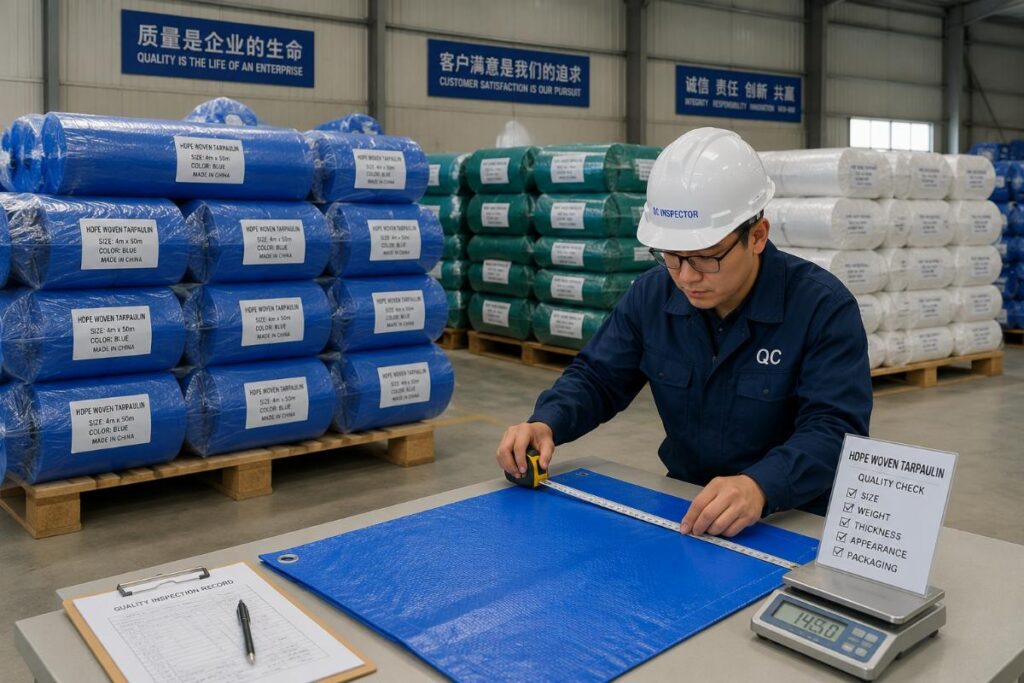
How to Source Reliable HDPE Woven Tarpaulin from a Trusted China Supplier
Most bulk buyers assume identical unit price equals identical durability for woven PE tarps, but hidden material variables create 47% gaps in outdoor service life. If you are a global buyer in construction, agriculture or bulk resale, navigating hundreds of China-based suppliers can quickly turn a straightforward procurement project into a high-risk gamble where hidden quality defects, unmet regional compliance rules and unexpected lead time delays eat into your already tight budgets.
Sourcing reliable HDPE woven tarpaulin requires verifying three non-negotiable factors: unlisted core quality metrics, flexible production capacity for your order parameters, and full pre-delivery quality control aligned with your target market’s regulatory requirements.
As a China-based manufacturer with nearly 30 years of focused production experience in the industrial fabric sector, we have supported over 200 small to mid-sized project clients and bulk distributors across 20+ markets to avoid common sourcing pitfalls that lead to 15-30% higher total landed cost over the full product lifecycle [NEED_CITE: Integrated in-house production lines can adjust batch arrangements to support flexible MOQ without raising per-unit prices]. We have seen first-hand how even experienced buyers overlook small specification details that end up causing thousands of dollars in unplanned losses during active use on job sites or farm operations.
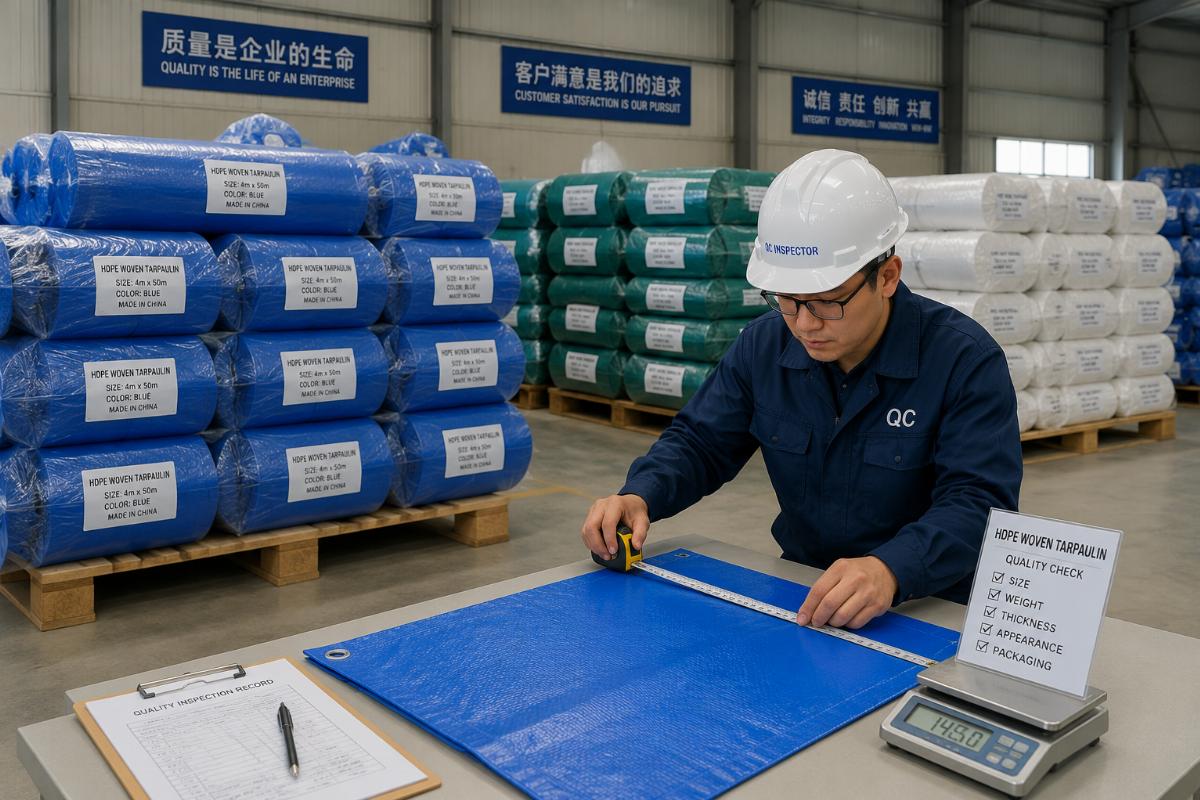
Below we break down the actionable criteria you can use to filter qualified suppliers and avoid common sourcing mistakes for your next order.
What core indicators should you check when sourcing HDPE woven tarpaulin from China?
The most overlooked quality metrics are weaving density and raw material purity, not just the advertised weight per square meter. Most standard product sheets only list gross weight per square meter, but this number can be easily manipulated using low-quality recycled raw materials that break down 2x faster under UV exposure even when the listed weight matches your requirements.
| Evaluation Factor | Common Sourcing Mistake | Recommended Verification Step |
|---|---|---|
| Weaving Density | Rely solely on advertised weight per square meter | Request random sample test data showing threads per square inch for both warp and weft directions [NEED_CITE: 20% higher weaving density leads to 47% longer outdoor service life even with identical listed weight] |
| Raw Material Composition | Assume all “virgin HDPE” labels are accurate | Ask for lab test reports confirming recycled content share, which should stay below 5% for long-exposure applications |
| Quality Consistency | Only test one pre-production sample | Require confirmation of 100% pre-shipment QC inspection for full batch runs |
In 2024, a North American tarpaulin distributor placed a bulk order of 12,000 rolls of woven PE tarps with our team after verifying our weaving density test data, received 100% consistent quality across the full batch with zero post-delivery complaints, and enjoyed an 18% lower unit cost compared to their previous domestic supplier.
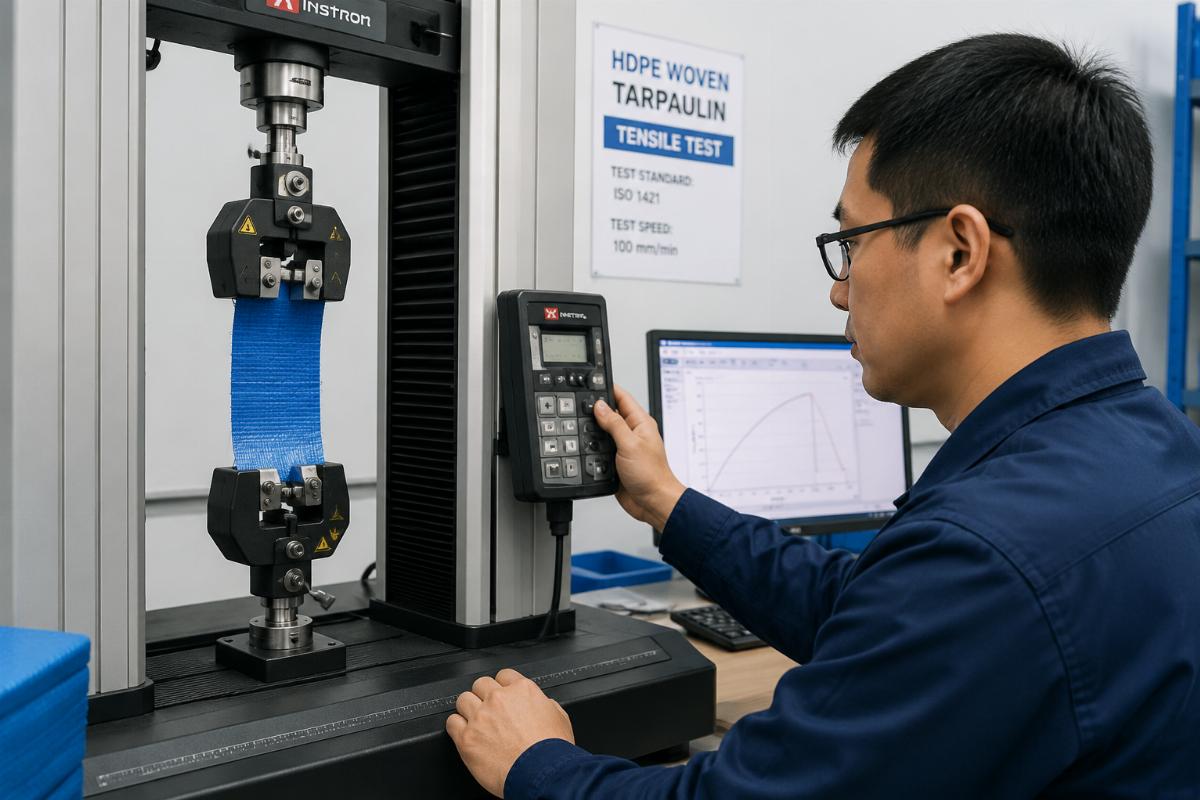
- Tensile Resistance Test – Require suppliers to provide third-party test results meeting your target market’s tear resistance standards
- Water Pressure Threshold Check – Confirm the rated resistance aligns with your use case, from light farm coverage to heavy construction site protection
- UV Aging Cycle Test – Request accelerated test data showing expected service life under full sun exposure for your region
Can flexible MOQ for woven tarpaulins meet both small project and bulk resale needs?
Integrated factories with dedicated production lines can adjust batch arrangements to support flexible MOQ without compromising on quality or raising unit prices. The common myth that lower MOQ automatically means higher per-unit cost only applies to third-party traders that have to re-package and mark up stock from unrelated production facilities, rather than end-to-end manufacturers that control every step of the production process.
| Order Type | Inefficient Sourcing Approach | Optimal Supplier Structure |
|---|---|---|
| Small project orders (under 500 units) | Accept price hikes or extended lead times to meet low MOQ | Work with in-house factories that can slot small runs into existing production schedules |
| Bulk resale orders (over 5,000 rolls) | Lock into fixed batch sizes that lead to excess inventory | Confirm the supplier can adjust order volumes without changing per-unit pricing |
| Custom parameter orders | Pay premium fees for one-off customizations | Select suppliers with on-site R&D teams that handle all custom work in-house |
A Southeast Asian agricultural client ordered 3,500 pieces of UV-stabilized woven tarps for crop cover use from our team last year, received custom brand printing on each tarp for free, and qualified for an MOQ that was 30% lower than average industry requirements for the same specification.
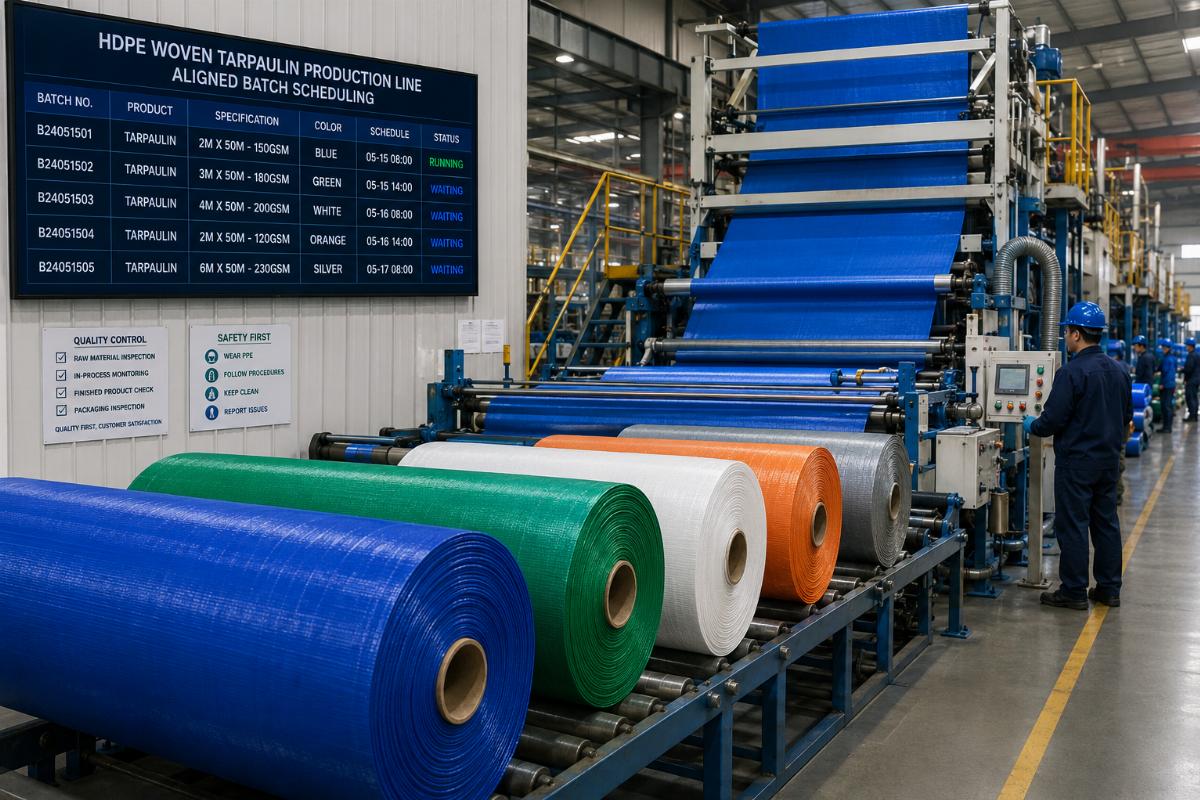
- Production Line Confirmation – Ask suppliers to share photos of their on-site production equipment to rule out third-party traders
- MOQ Negotiation – Test proposed suppliers with a small pilot order first to verify no hidden price increases for lower volume runs
- Customization Capability Check – Confirm the supplier can handle your requested custom parameters (size, printing, material grade) without outsourcing
How to avoid hidden costs when placing bulk woven tarpaulin orders?
Hidden costs from delayed delivery and unqualified batch quality often exceed the money saved from choosing the lowest initial quotation. The standard total landed cost formula for bulk procurement rarely includes the cost of downtime from failed tarps or emergency replacement orders when a full batch fails to meet quality standards, which can push your actual spend 25% higher than the initial quoted price.
| Cost Component | Common Underestimation | Full Cost Calculation |
|---|---|---|
| Initial Unit Price | Only compare listed per-unit cost | Factor in shipping, customs and handling fees alongside base pricing |
| Replacement Risk | Ignore post-delivery failure rates | Multiply expected replacement rate by average downtime loss per unit |
| Lead Time Impact | Assume all quoted lead times are fixed | Confirm penalty clauses for late delivery that match your project timeline |
A European construction contractor sourced 9,200 square meters of custom-sized woven tarps for a large infrastructure project with our team, received full fire-retardant certification documentation matching local building codes, and had the order delivered 7 days ahead of the agreed lead time, eliminating the risk of costly construction site delays.
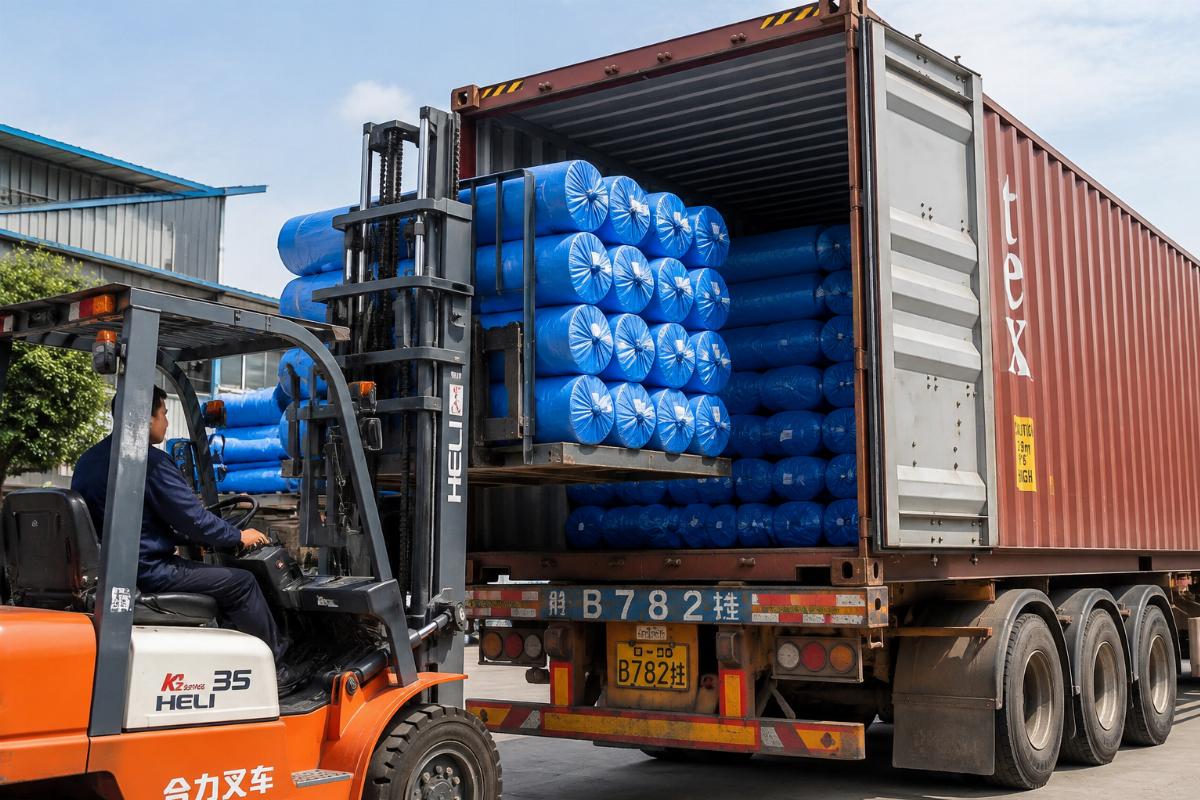
- Total Landed Cost Calculation – Run a full cost comparison that includes all ancillary fees, not just the base unit price
- Failure Rate Reference – Ask for past client references to confirm post-delivery complaint rates for the same specification
- Lead Time Guarantees – Get written confirmation of delivery timelines and associated compensation terms for late orders
What certification requirements do different regional markets have for woven tarpaulins?
Different regional markets prioritize distinct compliance standards for woven tarpaulins, and missing required documentation can lead to full shipment rejection at customs. European markets prioritize fire-retardant compliance for construction use, North American markets focus on tear resistance standards, and emerging markets prioritize UV resistance performance for long-term outdoor agricultural use. Our factory holds ISO 9001, ISO 14001, ISO 45001 and CE certifications, offers 100% pre-shipment QC inspection for all orders, and provides full compliance documentation for all target markets.
| Target Region | Primary Compliance Priority | Common Documentation Requirement |
|---|---|---|
| Europe | Fire-retardant performance for construction | EN 13501-1 test reports matching local building codes |
| North America | Tear and abrasion resistance | ASTM standard test data for woven fabric products |
| Emerging Markets (Southeast Asia, Africa, LATAM) | Long-term UV stability | Accelerated weathering test results for outdoor exposure |
When evaluating suppliers, always cross-reference their listed certifications against the specific requirements for your end market, as generic “quality certified” claims do not always translate to accepted documentation at border control points.
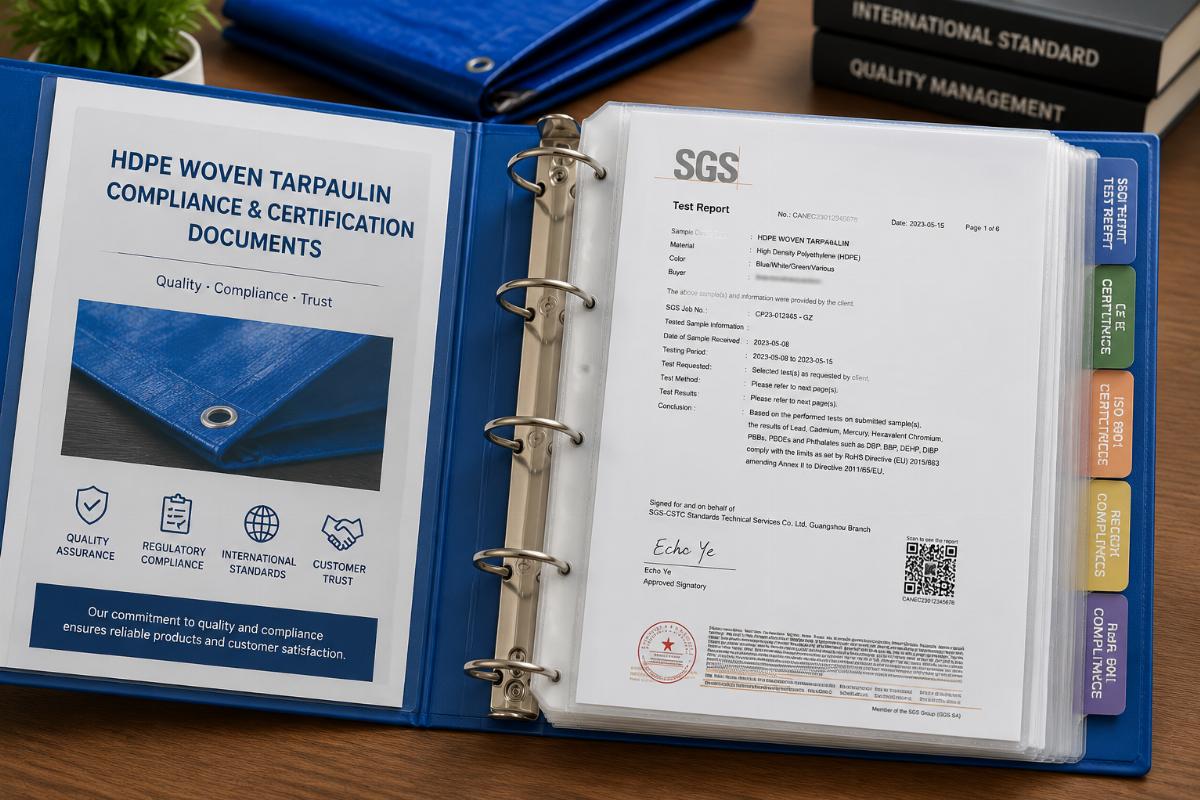
- Regulation Alignment – List out the exact certification requirements for your use case before reaching out to suppliers
- Document Verification – Request digital copies of certification documents ahead of order confirmation to confirm they are up to date
- Custom Support Confirmation – Confirm the supplier can provide all required paperwork for smooth customs clearance in your market
Conclusion
**Sourcing reliable HDPE woven tarpaulin from China does not require sacrificing cost for quality

Leave a Reply