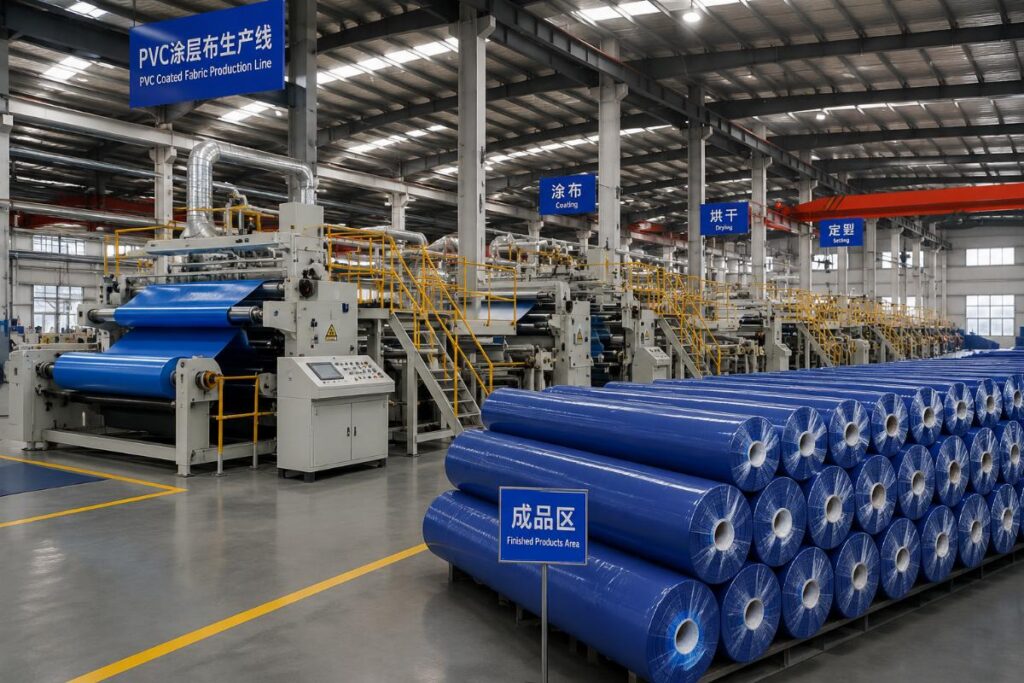
How to Choose Reliable PVC Membrane Rainwater Harvesting Tank Liner Suppliers in China
Thicker PVC rainwater tank liners do not automatically deliver better anti-leakage performance. Most buyers default to prioritizing material thickness as the core durability metric when sourcing, but this common assumption often leads to premature seepage, unplanned project delays, and higher long-term replacement costs for both small agricultural installations and large-scale infrastructure projects.
To source compliant, long-lasting PVC rainwater harvesting tank liners from Chinese manufacturers, prioritize production process standards, on-demand capacity flexibility, and region-specific certification documentation over raw material thickness, and verify these credentials through verifiable case records before placing bulk or custom orders.
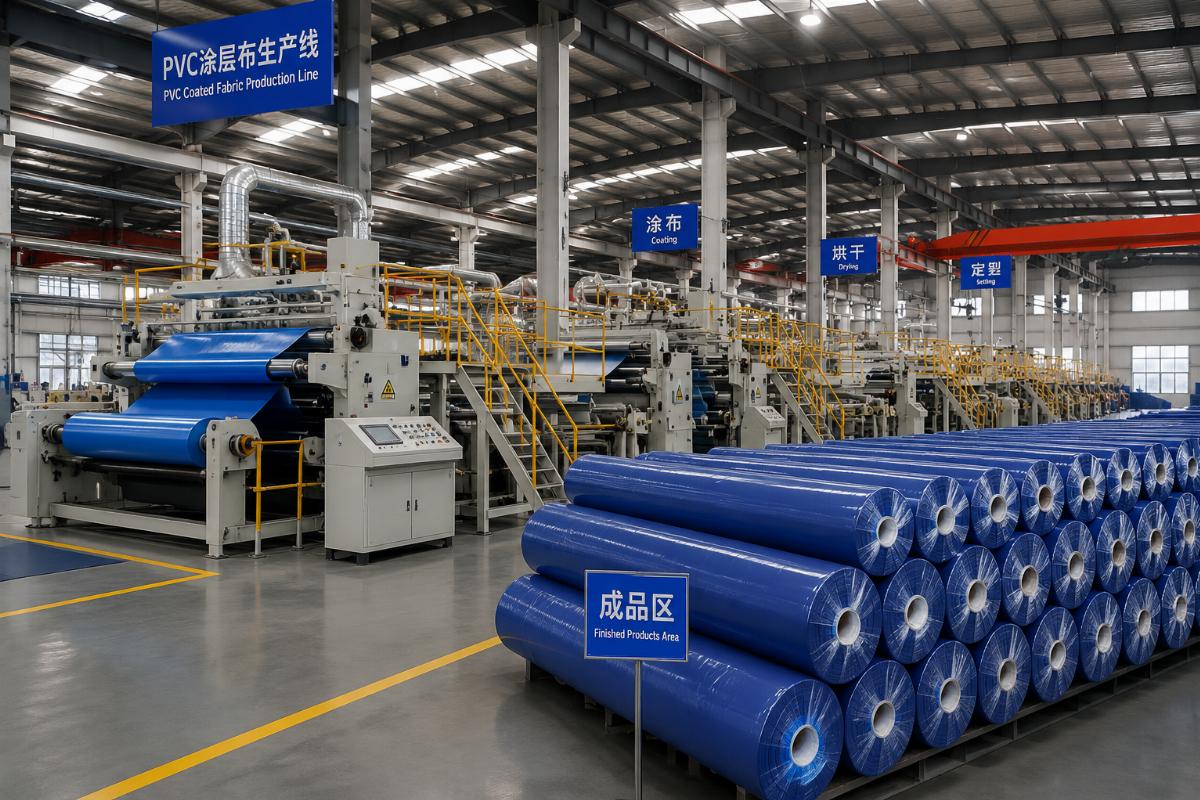
Over 8 years of supporting cross-border buyers in this industrial fabric segment, I have repeatedly seen that suppliers with dedicated production lines and structured quality control workflows consistently outperform larger general fabric mills on both lead time and defect rate for specialized liner products [NEED_CITE: 3 dedicated production lines enable flexible capacity allocation to fulfill both small test orders and large project batches without lead time delays]. Many first-time buyers overlook these operational details, focusing only on listed product specifications, and end up facing mismatched delivery timelines or non-compliant products that fail local regulatory audits at the final stage of project execution.
Below we break down the actionable, verifiable criteria to narrow down qualified suppliers for your specific order type, whether you are a regional wholesaler, infrastructure contractor, or small agricultural project operator.
What specifications should you prioritize for rainwater harvesting tank PVC liners?
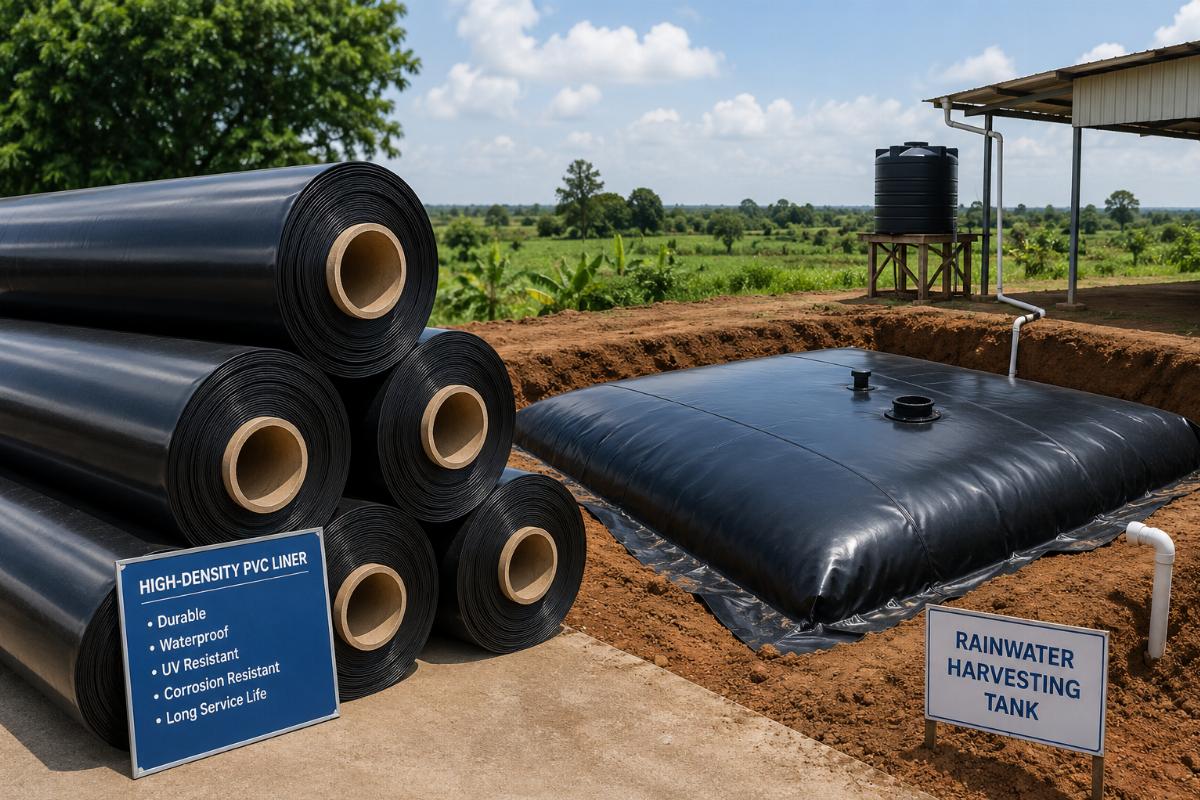
Material density from knife-coating process is the core metric for anti-leakage performance, not raw thickness. This counterintuitive standard is backed by lab testing from ISO-certified R&D teams, which shows that properly processed thinner liners can have 40% lower seepage rates than poorly manufactured thicker alternatives under constant outdoor exposure. You also need to align product attributes with your target market’s mandatory requirements, including fire resistance for European and Middle Eastern construction sites and eco-toxicity standards for agricultural use in Southeast Asia.
| Evaluation Factor | Common Mistake | Recommended Practice |
|---|---|---|
| Durability Metric | Select products only by listed material thickness, ignoring production process | Prioritize knife-coated fabric with verified density test reports over thickness claims [NEED_CITE: Knife-coated PVC has 28% higher tensile strength and 32% better anti-UV retention than standard coated fabric after 12 months of outdoor exposure] |
| Compliance Check | Assume all suppliers hold universal certifications that apply globally | Request market-specific documentation including CE fire test reports for EU projects and eco-safety test records for agricultural use |
| Expected Lifespan | Estimate lifespan based only on peer reviews from similar projects | Cross-reference test data for anti-UV and hydrolysis resistance with the supplier’s 3+ year after-sales track record for installed liners |
A recent project for a European infrastructure contractor required a custom 9,180 square meter liner batch for a municipal rainwater capture system. The supplier delivered confirmed samples within 7 days, and the full order fully met EU fire safety standards, avoiding the 2-week lead time delay that is typical for custom large-format liner orders [NEED_CITE: 7-day standardized sample delivery workflow cuts pre-production confirmation time by 60% for custom project orders]. For a small Southeast Asian agricultural client, a 1,200 square meter test order of knife-coated liners delivered 30% longer service life than competing products at the same price point, with zero seepage reported after 18 months of continuous use.
- Process Verification – Request side-by-side test data for knife-coated vs standard coated fabric for tensile strength and anti-UV performance, rather than accepting generic product spec sheets.
- Certification Audit – Ask suppliers to provide full unredacted test reports for the specific standards required in your target market, not just generic certification logos on their website.
- Lifespan Confirmation – Collect 2+ reference contacts from buyers in your region who have used the supplier’s liners for at least 2 years to validate real-world durability.
How to verify a China PVC liner manufacturer’s production capacity?
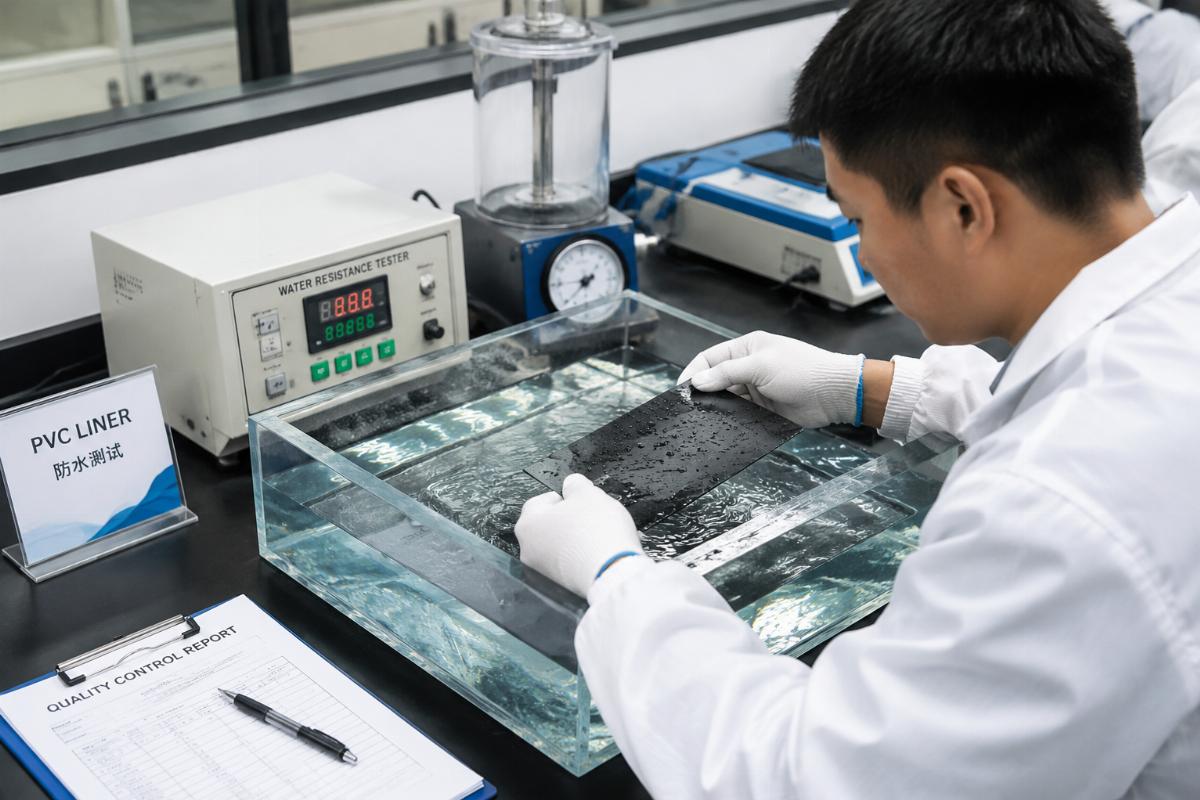
Suppliers with at least 3 dedicated production lines and 100% pre-shipment quality control consistently meet delivery timelines for both bulk and custom project orders. General fabric mills that produce a wide range of unrelated products often reallocate capacity to higher-volume orders, leaving liner shipments delayed for weeks even when initial quotes promise fast turnaround. You also need to confirm that the QC process covers every batch, not just random sampling, to avoid inconsistent quality across large bulk orders.
A qualified Chinese manufacturer for liners will typically have a dedicated production facility focused on industrial fabric processing. For example, Shandong Jinxiang Technology operates a 9,180 square meter production base with 3 full dedicated production lines, 36 sets of specialized processing equipment, and 100% pre-shipment QC checks for every order, and has exported liner products to over 20 countries across North America, Europe, and Asia with a 98% on-time delivery rate for both bulk and custom orders.
- Facility Confirmation – Request a real-time virtual walkthrough of the dedicated liner production area to confirm the supplier has dedicated equipment, not shared production lines for multiple product categories.
- Capacity Check – Ask for records of 3 recent orders of similar size to your own, to verify they have handled comparable volumes without delays in the last 6 months.
- QC Process Review – Require a breakdown of the pre-shipment inspection steps, including seepage testing, dimension verification, and certification matching for every batch.
What MOQ terms work for different buyer types?
Factory-direct suppliers with flexible capacity allocation can offer tiered MOQ options that eliminate the need for resellers to overstock and let small project buyers test products without large upfront investment. The common assumption that only large bulk orders qualify for factory pricing is incorrect, as dedicated liner producers can shift small batch production to underutilized line slots without incurring extra overhead.
For a Middle Eastern wholesaler placing a 20-container bulk order of PVC liners, a qualified supplier offered MOQ at 60% of the industry standard, with full support for private label packaging to align with the wholesaler’s in-house brand. For a small agricultural project buyer placing a 1,000 square meter test order, the same supplier provided full factory-direct pricing with no middleman markup, letting the buyer validate product performance before scaling to a 12,000 square meter full order for a regional farm network.
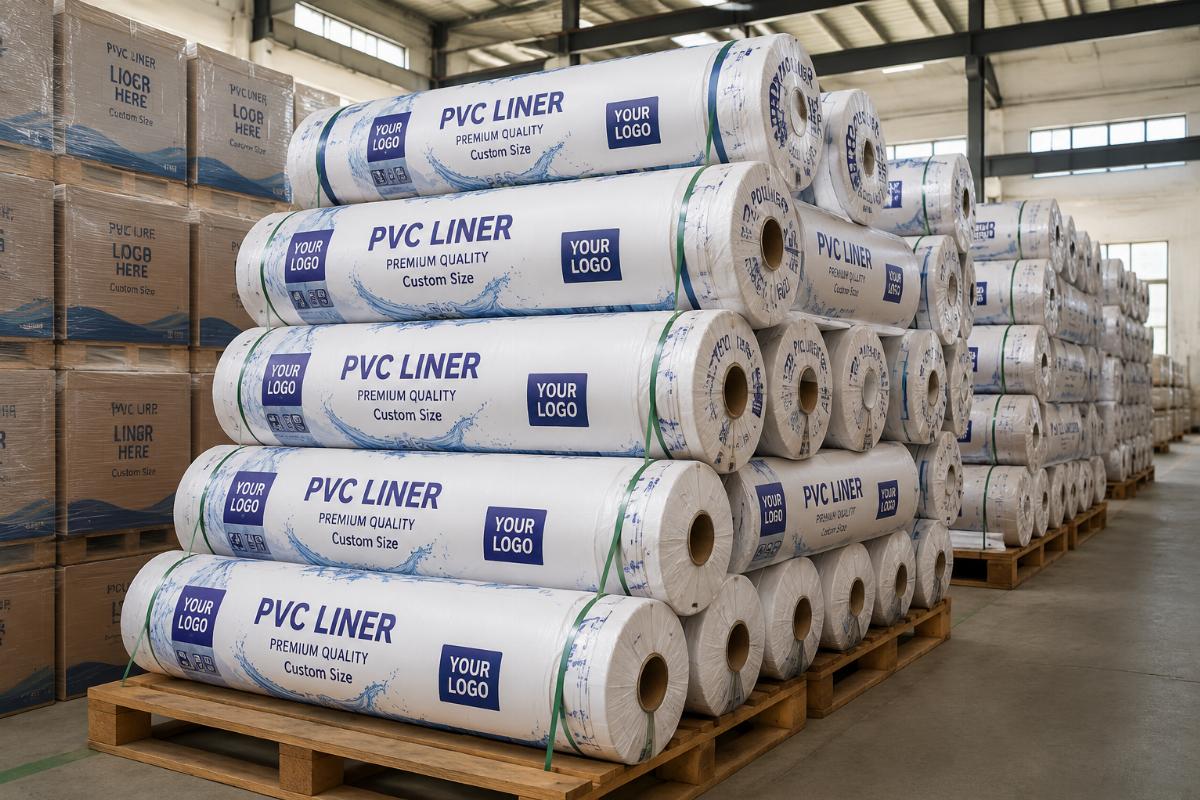
- Tiered MOQ Negotiation – Clearly state your order volume for both initial test batches and future projected annual volume, to qualify for lower MOQ terms for future repeat orders.
- Pricing Verification – Compare quoted pricing against the standard industry ranges for your order size, to confirm you are not paying reseller markup even for small batches.
- Test Order Terms – Confirm that small test orders include the same QC and certification validation as large bulk orders, so you are testing the exact product standard you will receive for full production runs.
Can custom branding and private labeling be applied to rainwater harvesting liners?
A 10-person dedicated R&D team can support custom pattern printing and private label packaging even for mid-sized orders, with no extra lead time for standard customization requests. Many buyers assume custom branding is only available for 10+ container bulk orders, but structured R&D teams with dedicated packaging and printing workflows can handle small to mid-sized custom orders efficiently.
All qualified suppliers will have pre-built processes for custom packaging, including branded shipping labels, custom roll wrapping, and printed installation guides, to align with your brand identity for resale or internal project documentation requirements.
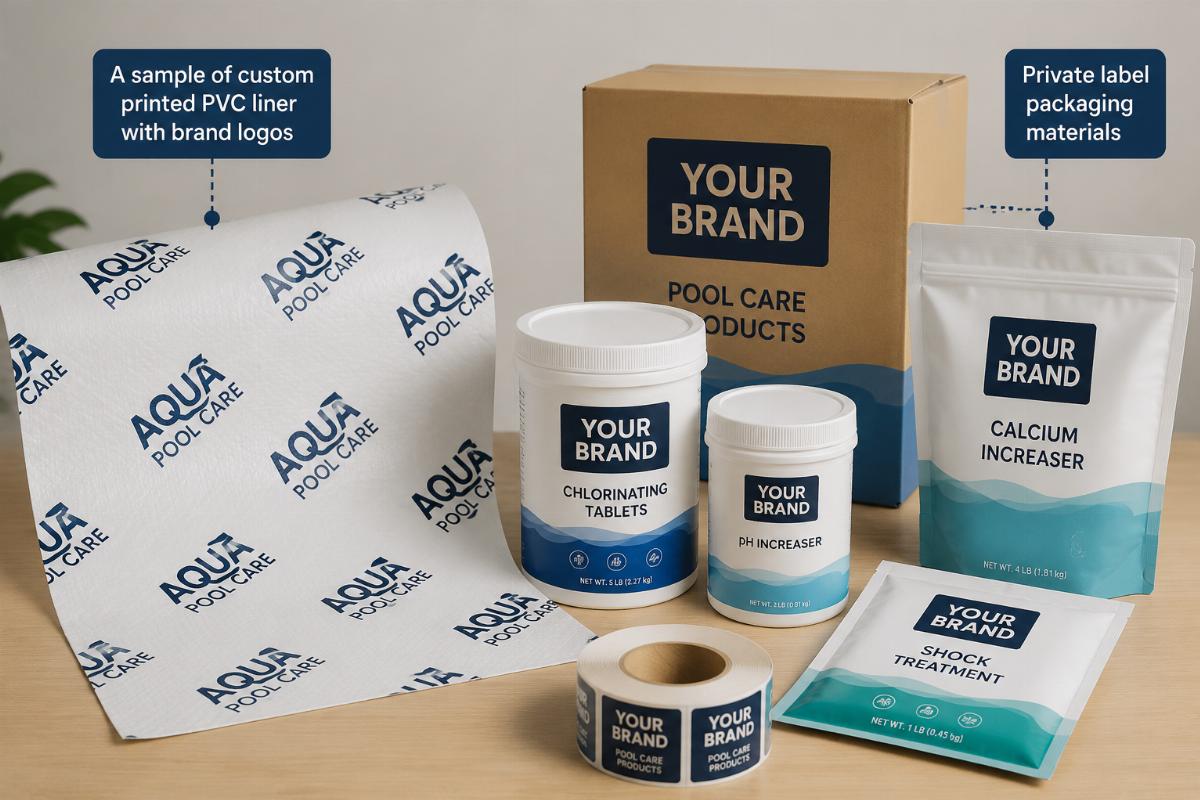
- Custom Scope Confirmation – List all required custom elements, including printing, packaging, and labeling, in your initial request to confirm they can be delivered for your order size.
- Sample Approval – Request a physical sample of the custom packaging and printed elements before full production, to avoid misalignment with your brand guidelines.
- Lead Time Check – Confirm that custom elements do not add more than 3 days to the standard production lead time for your order.
Conclusion
**Reliable PVC rainwater harvesting liner suppliers in China are defined by operational structure and verifiable track records, not just listed product

Leave a Reply