Description
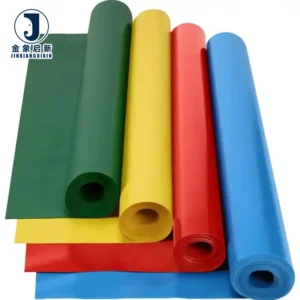
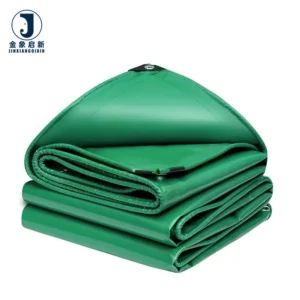
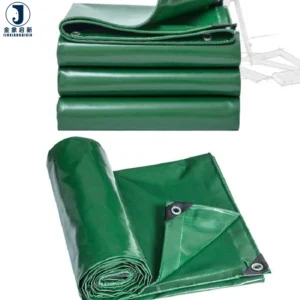
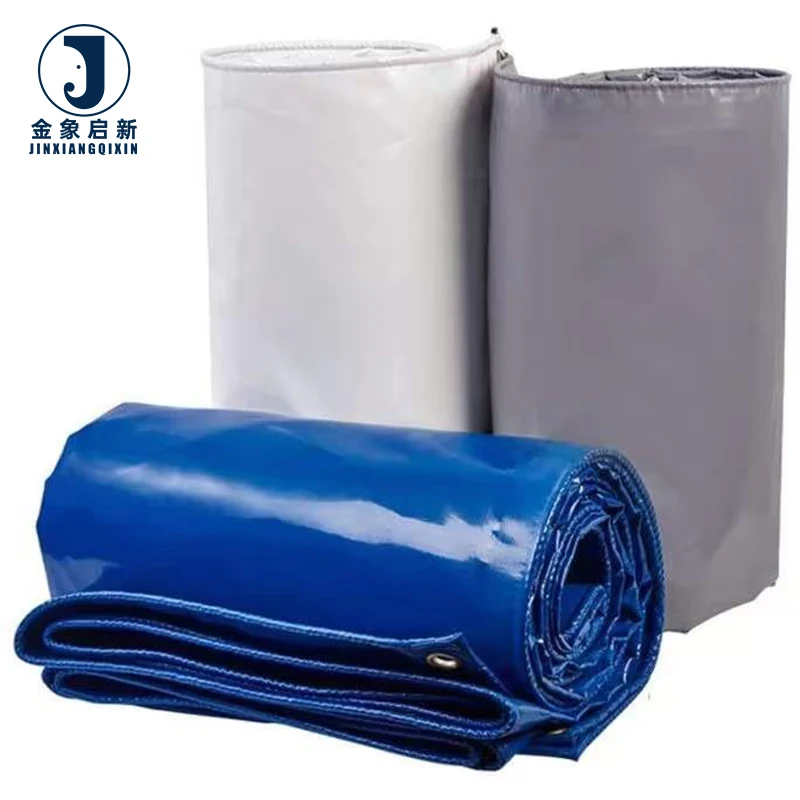
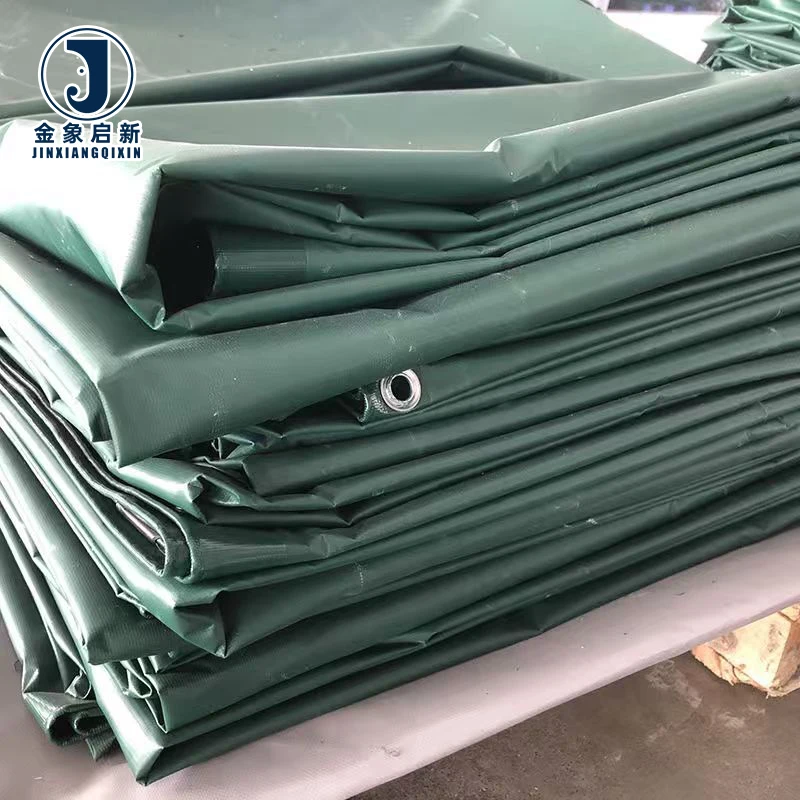
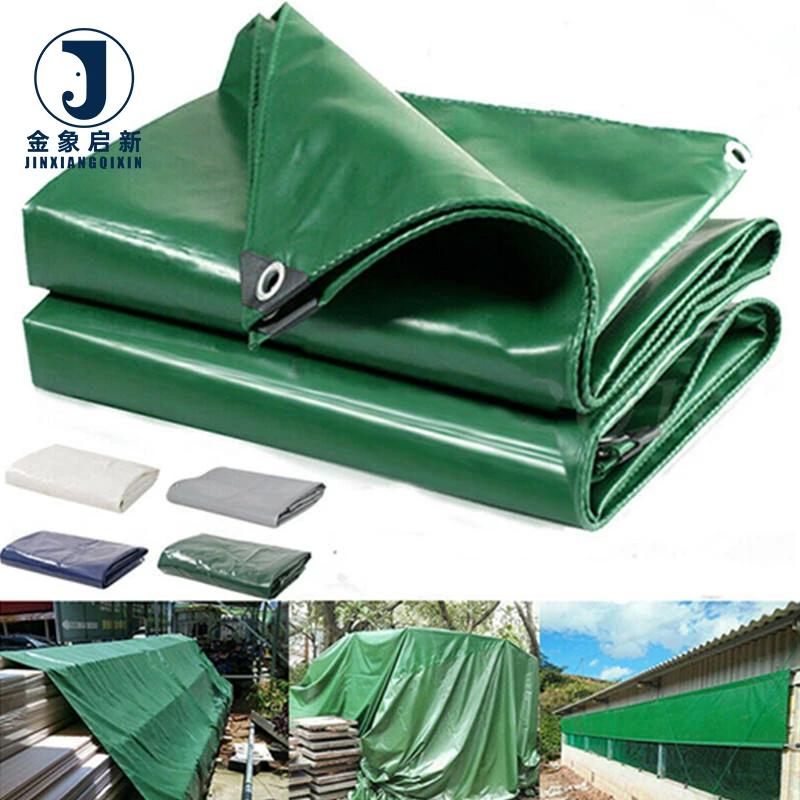
Roll-to-roll colour and weight consistency — three full production lines and 36 sets of professional equipment enable tight control over coating adhesion, GSM and shade across every roll in a container load, verified by 100% pre-shipment inspection.
Technical Specifications
| Parameter | Value |
|---|---|
| Product Type | PVC Coated Tarpaulin |
| Coating Material | PVC |
| Base Fabric | Polyester |
| Waterproof | Yes |
| Anti-Shrink | Yes |
| Flame Retardant | Available in flame retardant grades — confirm the grade required for your market |
| UV Resistance | UV-resistant treatment available — confirm test basis for your application |
| Grade | Industrial / Heavy Duty |
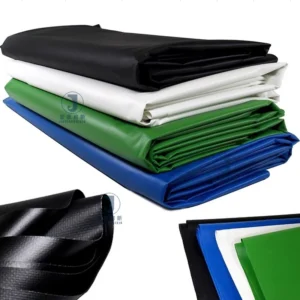
| Color | Custom (subject to confirmation) |
| Weight (GSM) | Custom (subject to confirmation) |
| Width | Custom (subject to confirmation) |
| Standards | ISO, CE |
Application Suitability
| Application | Exposure & Requirement |
|---|---|
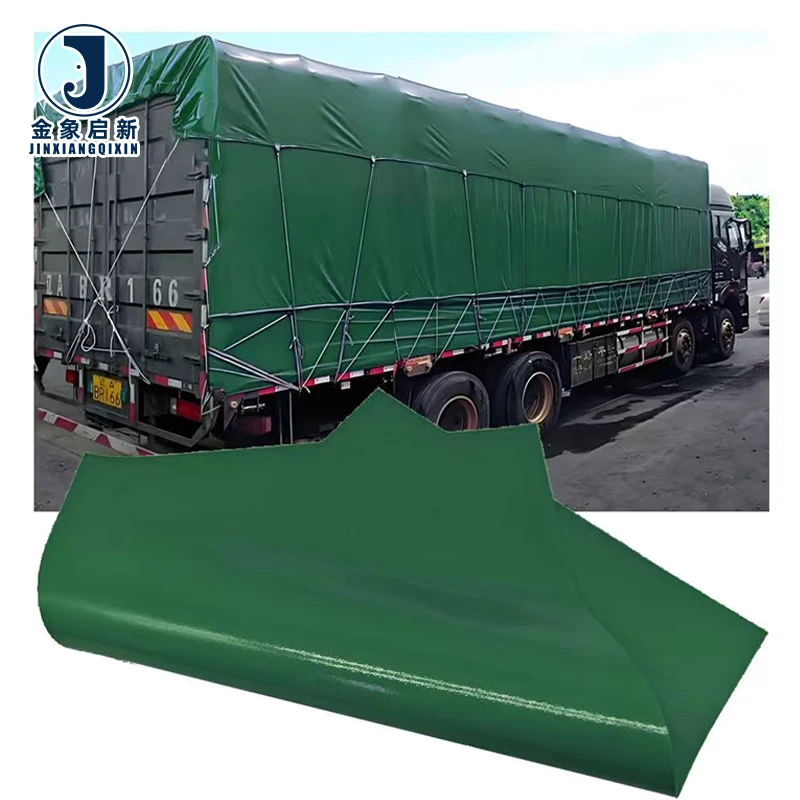
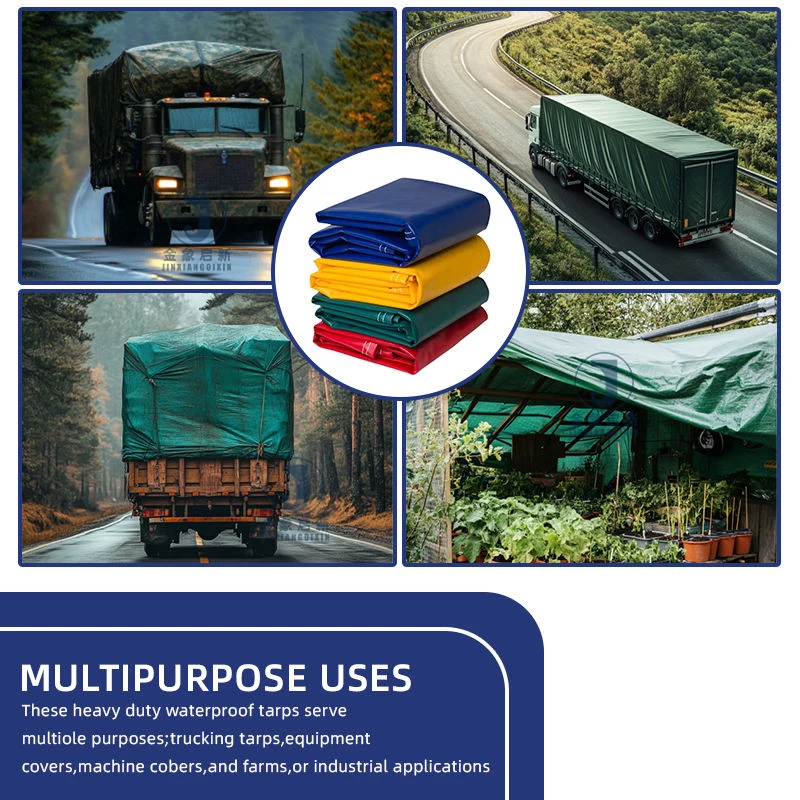
| Truck side curtains | Constant flexing, road abrasion, UV exposure, wind load at tie-down points |
| Lorry and trailer covers | Weather exposure, repeated roll and fold cycles, load shifting friction |
| Tent and awning fabric | Prolonged sunlight, rain pooling, wind uplift, seam stress at pole contact |
| Industrial fabric covers | Dust, moisture, chemical splash, mechanical handling and stacking abrasion |
| Transport fleet load covering | High-speed airflow, temperature cycling, tie-down strap compression |
Why Colour Variance Between Rolls Costs More Than You Think
Batch colour consistency is controlled at the coating stage, not corrected at the packing stage.
When a fleet operator orders multiple PVC tarpaulin roll wholesale batches for a trailer fleet, even a slight shade difference between rolls becomes visible once panels are installed side by side. The problem is not just cosmetic — it signals inconsistent coating formulation, which often correlates with variation in weight and adhesion. Fabricators who have dealt with mismatched rolls know the cost of re-cutting, re-welding and delaying a vehicle delivery [NEED_CITE: batch-to-batch colour variance in PVC coated fabrics].
Roll Width and Container Loading Efficiency
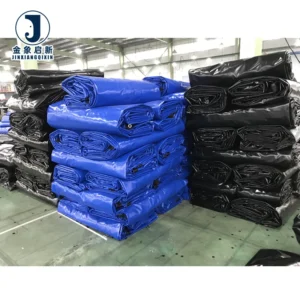
Buying PVC tarpaulin roll wholesale by the container load means every centimetre of roll width and every kilogram of roll weight affects your landed cost. Wider rolls reduce the number of weld seams needed when fabricating large side curtains, but they also change how many rolls fit across a container floor. Our team works with distributors to calculate the optimal roll width and length combination that maximises container utilisation while matching the cutting patterns of your fabrication shop.
Coating Weight Tolerance Across a Full Production Run
Holding GSM within a tight range from the first roll to the last roll of a production run requires continuous monitoring of coating thickness, oven temperature and line speed. Each roll of PVC tarpaulin roll wholesale stock passes through dedicated QA checkpoints where coating weight is sampled and recorded. This means the material specification sheet you receive reflects what is actually on the roll, not an average figure that masks underweight sections [NEED_CITE: coating weight verification methods for PVC tarpaulin production].
How Base Fabric and Coating Work Together
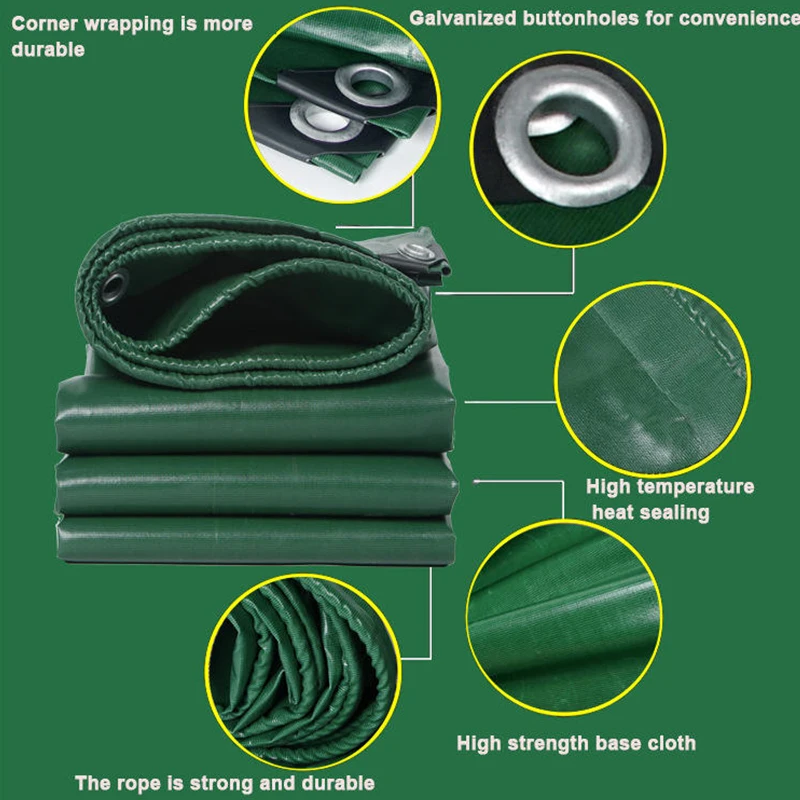
The tensile and tear performance of a PVC coated tarpaulin roll depends on two factors working in combination: the denier and weave density of the polyester base fabric, and the weight and adhesion of the PVC coating applied to it. A high GSM reading alone does not guarantee strength if the base fabric is loosely woven. Conversely, a tightly woven base with insufficient coating will absorb moisture at the yarn level and degrade from within. The coating method — whether knife-over-roll, dip or calender — also determines peel strength at the weld line, which is critical for fabricators joining panels for truck curtains. A knife-coated fabric typically delivers higher peel strength, allowing heat-welded seams to match or exceed the fabric’s own tear resistance [NEED_CITE: relationship between coating method and peel strength in PVC tarpaulins].
The Hidden Cost of Under-Specified Weld Seams
A side curtain that flexes thousands of times per journey concentrates stress at every welded seam, especially near tie-down zones and curtain runners. When the weld parameters are set for a generic PVC grade rather than the specific coating formulation on the roll, the seam can delaminate or crack well before the fabric itself shows wear. This failure mode is often blamed on the fabric weight, when the real cause is a mismatch between the heat-welding temperature and the coating’s melting behaviour. Fabricators who receive roll stock with inconsistent coating thickness find themselves adjusting weld settings roll by roll, adding labour and scrap [NEED_CITE: weld seam failure modes in PVC coated truck curtain fabric].
Why Fabricators Source Their PVC Tarpaulin Roll Wholesale Here
Dedicated QA and QC at every production stage means each PVC tarpaulin roll is inspected for coating weight, colour shade and surface defects before it leaves the line — not sampled after packing. A 10-person R&D team handles custom width, colour and sample development, turning around sample rolls within days so you can confirm material, shade and weld behaviour before committing to a container order. Three full production lines provide the capacity to schedule dedicated runs for single-colour, single-GSM orders, which is the most reliable way to guarantee roll-to-roll consistency. Every shipment is accompanied by a roll packing list detailing individual roll weight, width and length, giving your receiving team a clear check against the material specification sheet.
Documentation & Verification
- Material specification sheet stating GSM, base fabric and coating for each roll batch
- Pre-shipment inspection record covering every roll before dispatch
- Roll packing list with individual roll weight, width and length for receiving verification
- UV and flame-retardant test reports matched to the batch being shipped
- ISO and CE certificates supporting customs clearance and compliance
Fabrication, Handling & Storage
- Set heat-weld temperature to match the specific PVC coating formulation on each roll batch
- Store rolls upright on pallets to prevent flat-spot deformation of the coated surface
- Allow cold-stored rolls to reach workshop temperature before unrolling to avoid coating crease marks
- Use wide-format cutting tables that support full roll width to minimise off-cuts and waste
- Clean finished curtains with mild detergent only — solvents can degrade the PVC coating surface
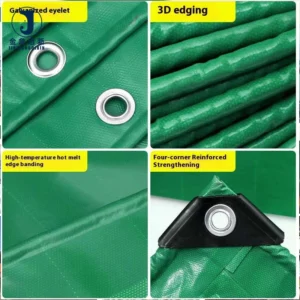
- Reinforce tie-down and eyelet zones with additional PVC patches welded over high-flex areas
What to Include in Your Enquiry
To receive an accurate PVC tarpaulin roll wholesale quotation, share your target roll width, required GSM range, annual volume estimate and whether you need flame-retardant or UV-resistant grades for a specific market standard. If you are fabricating side curtains, include the truck or trailer models you cover so we can recommend the most material-efficient roll width. For custom colours or printed branding, a Pantone reference or physical sample helps us develop a matching sample roll before full production.
Frequently Asked Questions
Q: How is GSM verified on arrival and what is the re-inspection process?
A: Each roll ships with a material specification sheet stating the measured GSM. On arrival, you can cut a sample square from the roll end, weigh it and calculate GSM from the known area. Our pre-shipment inspection record documents the weight check performed on every roll before packing, so any discrepancy can be traced to a specific roll number.
Q: How is batch colour consistency controlled across multiple rolls in one order?
A: Colour is monitored at the coating mixing stage and rechecked at the winding station using controlled lighting. Rolls from the same production run are grouped together in the packing list. For orders spanning multiple runs, we provide shade reference samples so you can verify match before fabrication.
Q: What roll widths and lengths are available and how do they affect container loading?
A: Roll width and length are customisable based on your fabrication requirements. Wider rolls reduce seam count on large panels but change the number of rolls that fit across a standard container. We provide a container loading plan with each quotation showing roll count, weight and arrangement for your logistics planning.
Q: What flame-retardant grades can be supplied and which test standards are supported?
A: Flame-retardant formulations are available in multiple grades. The applicable grade depends on your target market — for example, European building applications may require DIN 4102 classification, while other regions follow NFPA 701 or local standards. Confirm the required standard with our team so the correct formulation and test report are supplied with your order.
Q: What are the lead times and minimums for custom width or colour on roll stock?
A: Custom width and colour orders carry minimum quantities tied to a full production run, which ensures colour and coating consistency. Typical lead times are quoted after sample approval. Standard stock widths and colours may be available on shorter schedules — enquire with your specification for current availability.