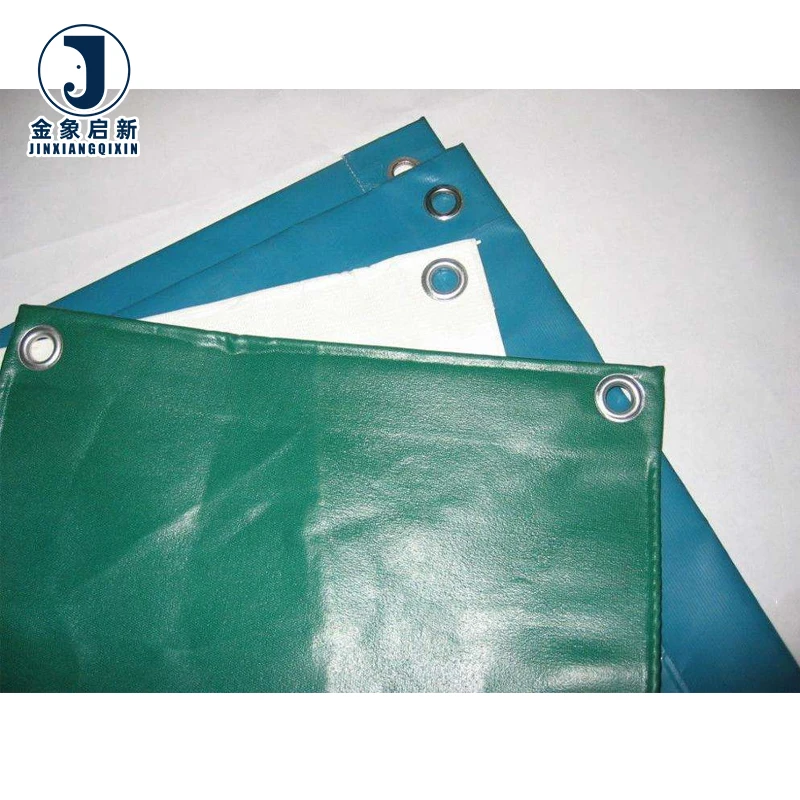
Description
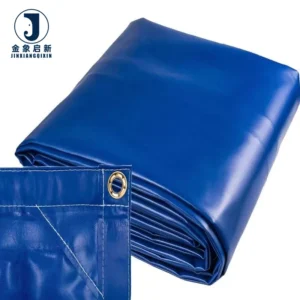
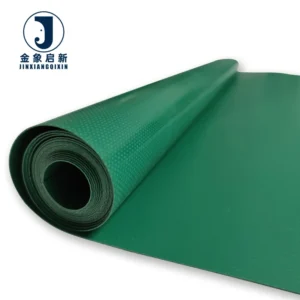
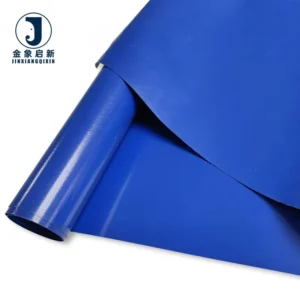
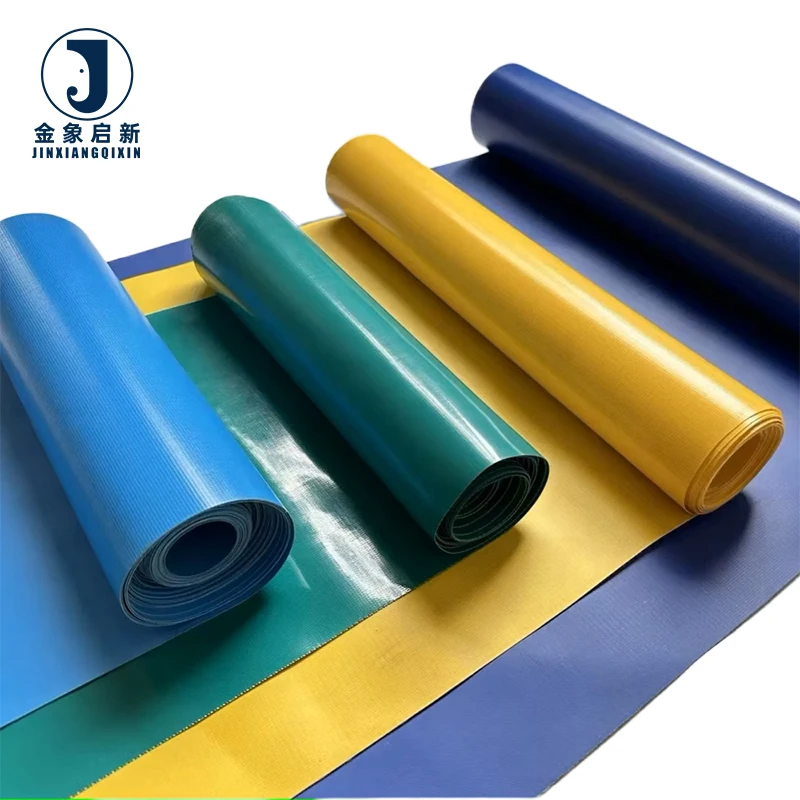
Verified Consistency — Every roll of PVC Coated Tarpaulin Roll is weighed and inspected against the stated GSM before dispatch, ensuring batch-to-batch colour and weight alignment for wholesale buyers.
Technical Specifications
| Parameter | Value |
|---|---|
| Product Type | PVC Coated Tarpaulin |
| Weight (GSM) | 250gsm-1500gsm |
| Base Fabric Denier | 200DX300D, 500DX500D, 840DX840D, 1000DX1000D |
| Surface Finish | Available in glossy or matte finish |
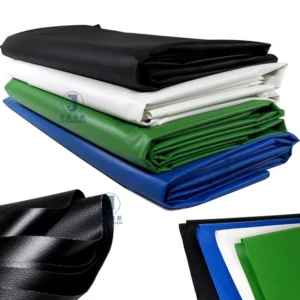
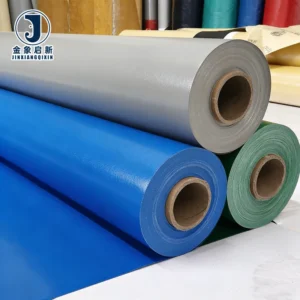
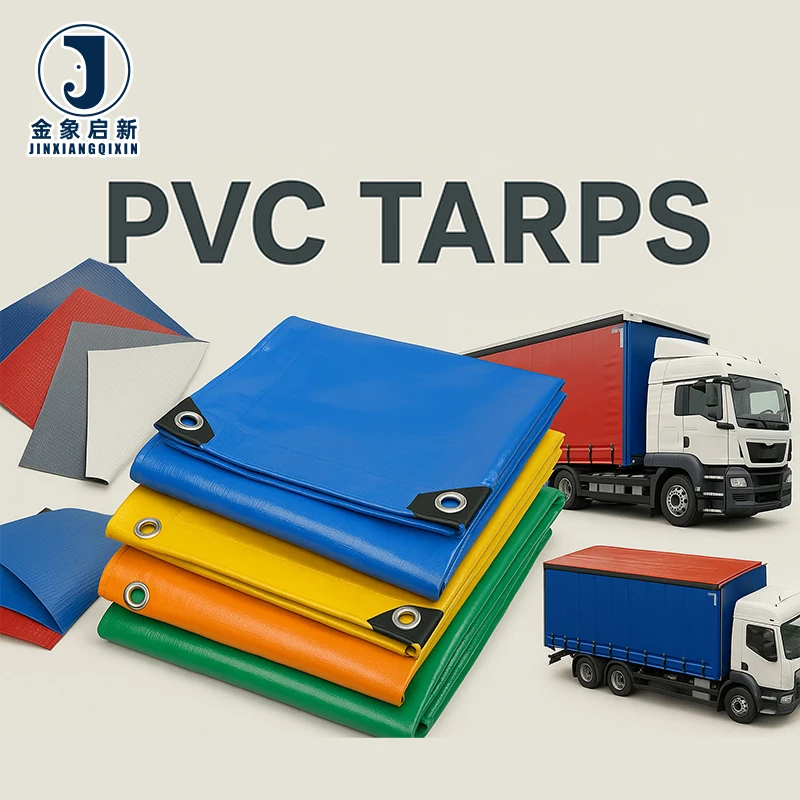
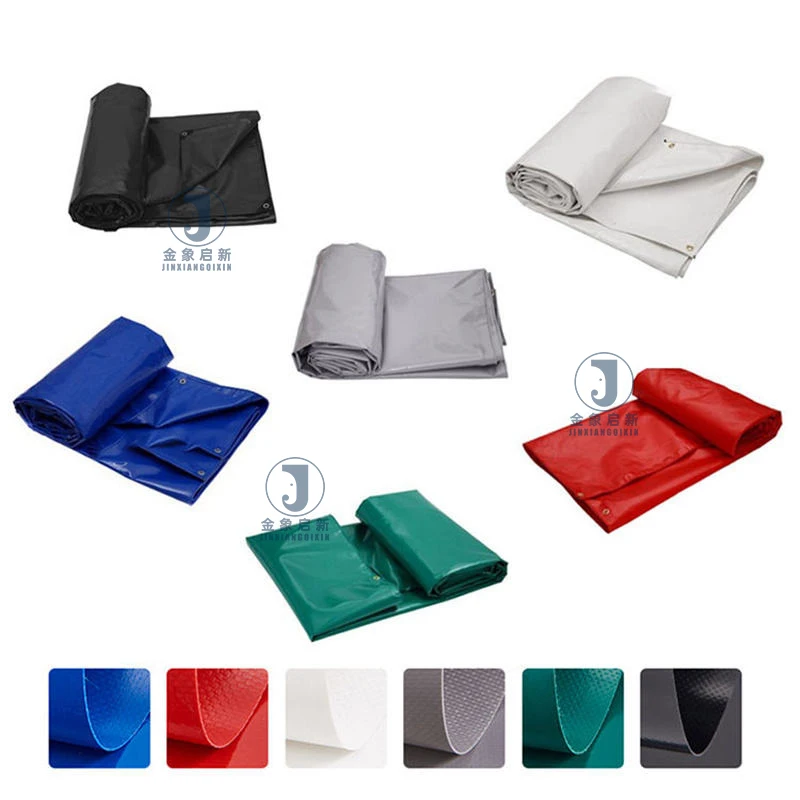
| Colour Options | Blue, Yellow, Black, Green, White, etc. |
| Temperature Range | -15°C to 70°C |
| Treatment | Waterproof, UV, Flame Retardant, Anti-fungal |
| Flame Retardant Grade | Available in flame retardant grades — confirm the grade required for your market |
| UV Treatment | Customized — test basis to be confirmed per order |
| Standards | ISO, CE |
Application Suitability
| Application | Exposure & Requirement |
|---|---|
| Tarpaulin distribution & regional resale | Broad grade selection, colour consistency across container loads, reliable restocking cycles |
| Tent and awning manufacturing by the roll | Stable flat surface for cutting and welding, colour matching across production batches |
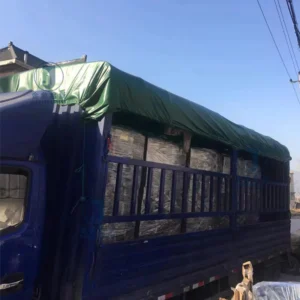
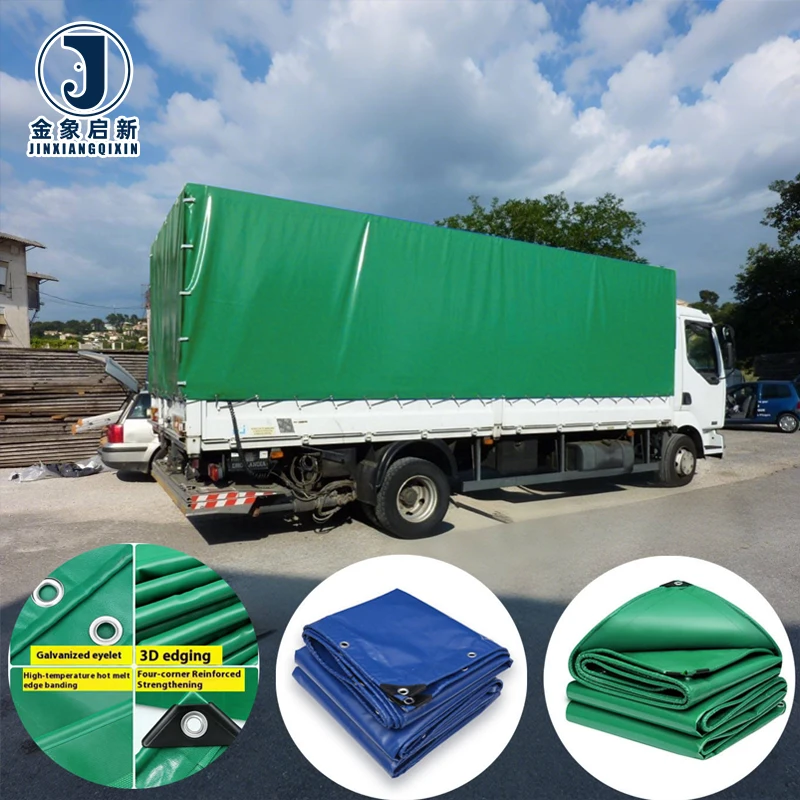
| Truck cover and side curtain fabrication | Constant flexing at hinge points, road debris abrasion, prolonged UV exposure |
| Equipment and pallet cover production | Puncture resistance from stacking loads, weather exposure during yard storage |
| Pond and reservoir liner projects | Permanent water contact, soil chemistry interaction, seam integrity under hydrostatic load |
Why Colour Varies Between Rolls in the Same Shipment and What Buyers Can Do About It
Colour drift across rolls in a single order is one of the most frequent complaints in the PVC tarpaulin roll wholesale trade.
A fabricator installs three panels side by side on a truck side curtain and immediately spots a shade difference. The rolls all came from the same container, ordered together, specified under the same Pantone reference. Yet one roll reads slightly warmer, another slightly cooler. For a distributor stocking multiple grades, colour variation erodes buyer confidence and triggers return claims. PVC Coated Tarpaulin Roll wholesale orders that lack lot-level colour control force fabricators to sort and match manually on the shop floor, wasting both time and usable material. [NEED_CITE: colour consistency standards in coated textile production batches]
Batch-Level Colour Matching and Roll Identification
Each production run of PVC Coated Tarpaulin Roll is assigned a batch number tied to the coating formulation and pigment lot. When multiple rolls are destined for the same wholesale order, the coating line pulls from a single mixed batch to maintain chromatic continuity. This matters most when fabricators cut panels from consecutive rolls and install them adjacent to one another — any hue shift becomes immediately visible under daylight. Our QA protocol flags rolls that fall outside the target Delta-E tolerance before they reach the packing stage, keeping PVC Coated Tarpaulin Roll wholesale shipments visually uniform across the order.
Container Loading Strategy for Wholesale Buyers
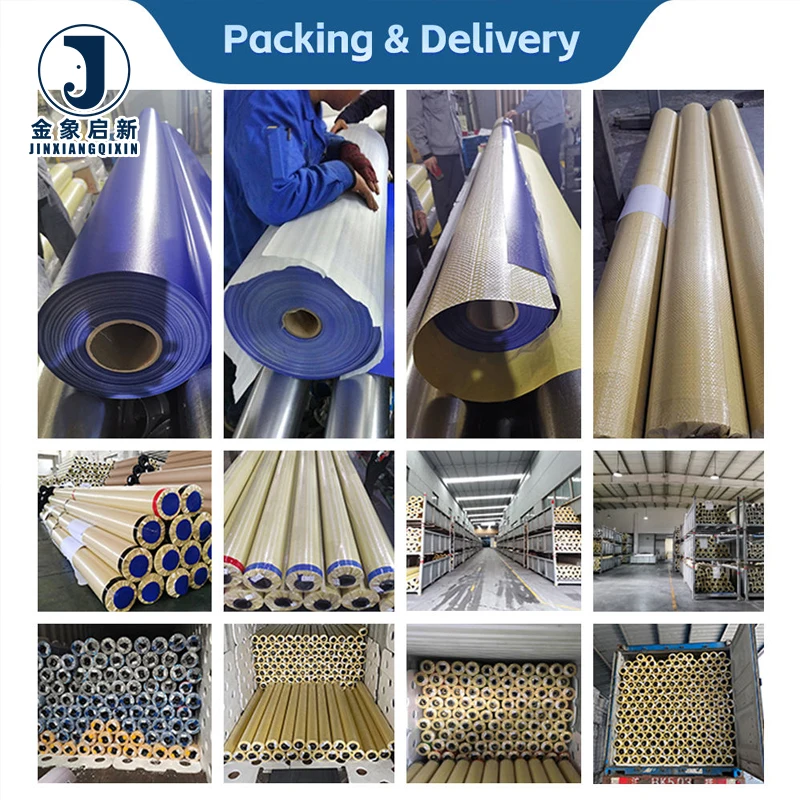
A full container of PVC Coated Tarpaulin Roll stock must arrive in sellable condition. Rolls are wound on reinforced cores to prevent crushing during ocean transit and stacked in a loading pattern that distributes weight evenly across the container floor. Distributors ordering mixed-GSM loads benefit from a loading plan that groups heavier rolls at the base and lighter grades above, reducing the risk of surface deformation on softer finishes. [NEED_CITE: coated fabric roll packing and freight handling best practices]
Reading Weight and Weave Together for True Fabric Performance
Stated GSM alone tells an incomplete story. A 650gsm roll woven from 500DX500D yarn on a loose weave may show lower tensile figures than a 580gsm roll woven from 1000DX1000D yarn on a tighter construction. The base fabric denier and thread count per inch determine how load distributes across the weave before the coating even enters the equation. Our specification sheets list both GSM and base fabric denier together — 200DX300D for lighter applications, 840DX840D and 1000DX1000D for heavy-duty truck and construction use — so wholesale buyers can match the correct construction to each downstream application. Coating weight and adhesion method further influence peel strength, particularly at heat-welded seams where the bond must outlast the fabric itself. [NEED_CITE: tensile and tear test methods for coated fabrics per ISO 1421]
The Hidden Cost of Specifying on Price Per Kilogram Alone
When a purchasing team selects roll stock purely on the lowest cost per kilogram, the shortcut often surfaces months later at the fabrication bench. A roll that arrives lighter than the quoted GSM produces thinner weld zones, and seams split under the load flex that a correctly weighted fabric would absorb. Distributors who resell to end-users then absorb the warranty claim. Flame retardant grades specified without a verified test report may pass the initial paperwork check but fail on-site inspection when a contractor’s safety officer requests documentation. These are not theoretical failures — they appear repeatedly across the coated fabric supply chain when verification steps are skipped. [NEED_CITE: common failure modes in PVC coated tarpaulin field use]
Why Wholesale Buyers Consolidate Here
Three full production lines and dedicated equipment sets allow bulk PVC Coated Tarpaulin Roll orders to move through coating, inspection, and packing without competing with small-run custom work. A ten-person R&D team develops colour samples and custom-width trial rolls within days rather than weeks, giving distributors a faster path from specification to container loading. QA checkpoints at every production stage — from base fabric inspection through coating weight measurement to final roll weighing — ensure that the material dispatched matches the quotation. Pre-shipment inspection records document each roll individually, so buyers receive a traceable weight and colour log alongside the packing list. Nearly three decades of continuous coated fabric production inform process controls that newer suppliers are still learning.
Documentation & Verification
- Material specification sheet stating GSM, base fabric denier, and coating type per roll
- Pre-shipment inspection record with individual roll weight verification against quoted GSM
- Roll packing list with container loading plan detailing roll count, position, and gross weight
- Colour reference sheet tied to batch number confirming consistency across the order
- Test report for UV and flame retardant grades where applicable — confirm required standard at inquiry
- Certificate of origin and customs documentation for international wholesale shipments
Fabrication, Handling & Storage
- Heat-weld at temperatures matched to the coating thickness of the selected GSM grade
- Allow rolls to acclimate to workshop temperature before unrolling to avoid creasing on heavier grades
- Store PVC Coated Tarpaulin Roll stock upright on cores to prevent flat-spotting and surface marks
- Cut glossy-finish rolls with a clean blade to avoid surface scoring that affects visual quality
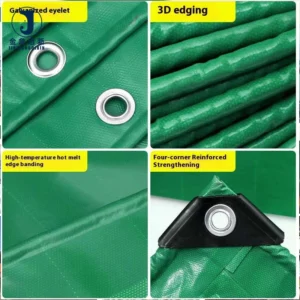
- Reinforce high-stress eyelet zones with an additional layer when working with lighter 250gsm grades
- Use mild detergent for cleaning; solvent-based agents may affect the anti-fungal surface treatment
Planning Your PVC Coated Tarpaulin Roll Order
To move from inquiry to sample approval efficiently, specify the target GSM range, preferred base fabric denier, and intended end-use for each roll grade in your order. Indicate whether glossy or matte finish is required and whether flame retardant or UV treatment applies to your market — include the test standard your region mandates. Confirm the roll widths and lengths that match your cutting table or fabrication equipment, and state whether printed branding or custom colour matching is needed for your downstream customers.
Frequently Asked Questions
Q: How is GSM verified roll by roll before shipment and on arrival?
A: Each roll is weighed individually on calibrated scales during pre-shipment inspection, and the recorded weight is logged against the quoted GSM. Buyers receive a roll-by-roll weight sheet with their packing list. On arrival, we recommend spot-checking three to five rolls per container using the same method to confirm consistency.
Q: How do you ensure colour consistency across rolls in the same order?
A: All rolls within a single wholesale order are coated from one mixed pigment batch to eliminate formulation variance. QA checks each roll against the approved colour reference under standardised lighting before packing. Rolls outside tolerance are pulled and recoated before dispatch.
Q: What custom widths and roll lengths are available for bulk orders?
A: Standard and custom widths are available to match your fabrication equipment or cutting table dimensions. Roll lengths can be specified to reduce offcuts and improve material yield. Confirm your required dimensions at inquiry so the production team can allocate the correct line setup.
Q: How are rolls packed and loaded to prevent damage during ocean freight?
A: Rolls are wound on reinforced cores and wrapped to protect the surface finish during transit. The container loading plan positions heavier-GSM rolls at the base and lighter grades above, with blocking and bracing to prevent shifting. A detailed packing list accompanies every shipment.
Q: What is the MOQ for custom GSM, colour, or printed branding on rolls?
A: Minimum order quantities vary depending on the specific GSM grade, colour formulation, and printing requirements. Custom colours require a pigment batch minimum to ensure consistency across all rolls produced. Share your target specification and annual volume so we can confirm the applicable minimum.