Description
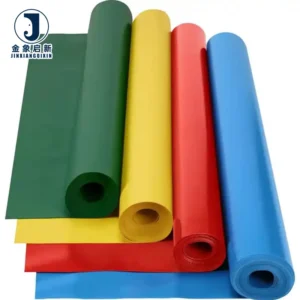
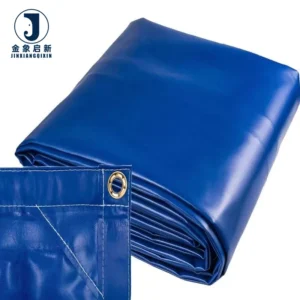
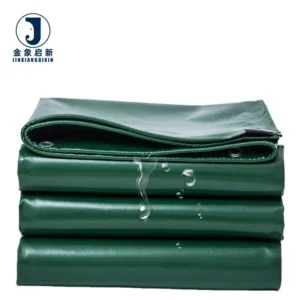
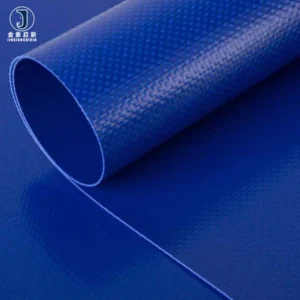
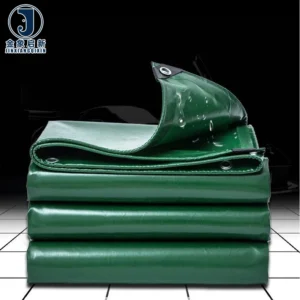
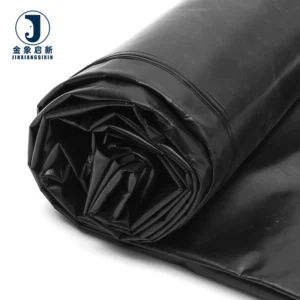
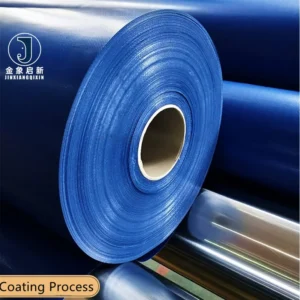
Coated Fabric Roll Consistency — Every PVC tarpaulin roll leaving the production line is checked for coating weight and color uniformity before it reaches the buyer’s container.
Technical Specifications
| Parameter | Value |
|---|---|
| Product Type | PVC Coated Tarpaulin |
| Base Fabric | Polyester warp knitted fabric |
| Coating Material | PVC |
| Style | Plain woven |
| Treatment | Waterproof, Anti-Static (certification to be confirmed per order requirement) |
| Durability | Tear resistant |
| Color | Customizable colors with batch-to-batch consistency |
| Application Grade | Industrial / Heavy-duty agriculture |
Application Suitability
| Application | Exposure & Requirement |
|---|---|
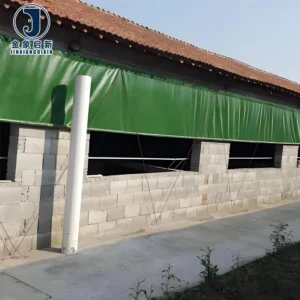
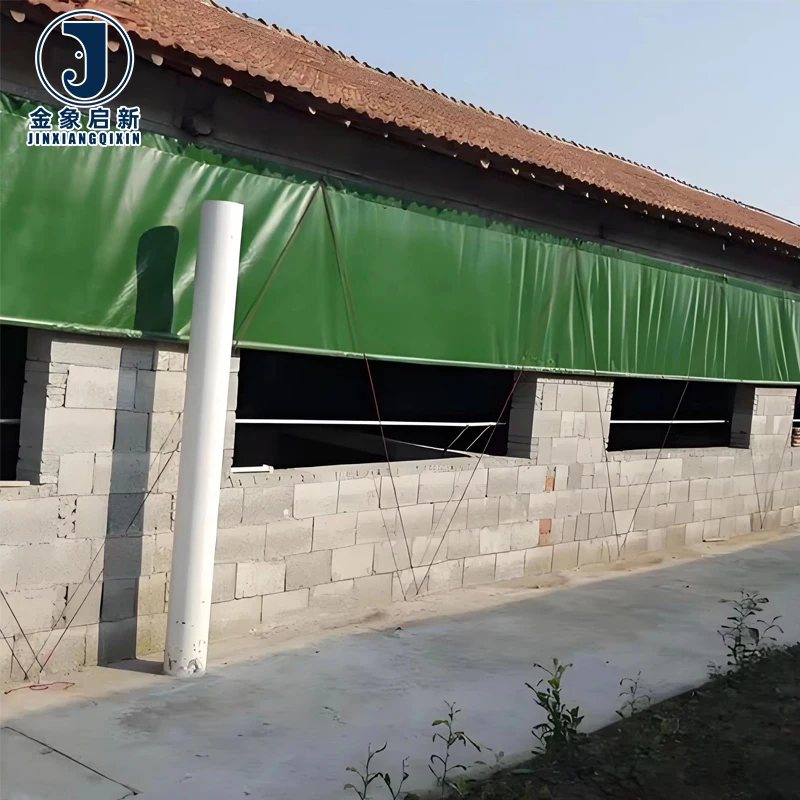
| Poultry farm side-curtains (broiler, chicken) | Continuous ammonia and moisture exposure, frequent rolling and unrolling, dust accumulation requiring anti-static properties |
| Pig pen and sheep shelter covers | Direct animal contact, high humidity, mechanical abrasion from structure frames, wind loading on large spans |
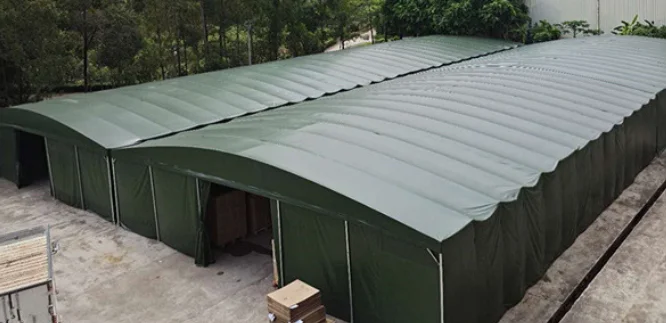
| Agricultural tent and temporary shelter fabric | Seasonal UV exposure, rain and snow loading, repeated assembly and teardown causing flex stress at fold lines |
| Tarpaulin distributor roll stock inventory | Long-term warehouse storage before resale, requirement for color consistency across multiple rolls sold to end-users |
Why Color Variation Between Rolls Costs More Than You Think
Adjacent rolls that look different once installed side by side force a full section replacement, not a patch.
When sourcing PVC tarpaulin roll stock in volume for farm covers or tent fabrication, buyers frequently receive a shipment where rolls from different production batches show a visible shade difference. The issue is rarely caught at the loading dock; it appears only after installation, when morning light hits the overlap between two adjacent sections. The cost of taking down and replacing an entire wall or roof panel far exceeds the material savings of any single order [NEED_CITE: color consistency standards for coated fabric rolls in agricultural applications]. This is why batch traceability and color control at the coating stage matter as much as the GSM on the quotation.
Controlling Color and Coating Uniformity Across Bulk Roll Orders
Maintaining consistent color across a multi-roll shipment of PVC coated tarpaulin roll stock requires control at the compounding stage, not just the final inspection. Pigment dispersion, plasticizer ratios, and coating temperature all influence the final shade. When a wholesale order spans several production runs, each batch of PVC compound must be matched against the approved color reference before coating begins. Our R&D team develops and approves color samples before full production, and the QA process includes side-by-side comparison of roll ends from the same order before dispatch.
Roll Width, Length, and Container Loading for Wholesale Procurement
For distributors and importers buying PVC tarpaulin roll wholesale, the physical dimensions of each roll directly affect container loading efficiency and on-site cutting waste. Custom roll widths reduce the number of field seams needed when covering large poultry houses or agricultural structures. Longer roll lengths mean fewer butt joints in a single run of side-curtain or roof cover. The 10-person R&D team handles custom width and length specifications, developing samples within days so buyers can verify fit before committing to a full container order [NEED_CITE: standard roll dimensions and container loading practices for PVC tarpaulin].
Reading the Specification Sheet Beyond GSM
The weight of a PVC coated tarpaulin is the sum of the base fabric and the coating applied to both sides, but GSM alone does not define performance. A roll with a heavier coating but a lighter base fabric may show good waterproofing yet fail under tear stress at the flex points where a farm curtain is rolled daily. Conversely, a dense warp knitted polyester base gives the fabric its tear resistance and dimensional stability, while the PVC coating provides the waterproof barrier and surface durability. Understanding this relationship helps buyers specify the right balance for their end-use rather than selecting on weight alone. Anti-static treatment, relevant in poultry environments where dust and static charge attract, must be confirmed at the coating formulation stage.
The Hidden Cost of Specifying on Price Per Kilogram Alone
When a PVC tarpaulin roll is quoted purely on weight, there is pressure to hit the GSM target by adding coating thickness while reducing the base fabric denier. The roll arrives at the correct weight, passes a basic scale check, but the lighter base fabric tears under wind loading or at the eyelet line during the first season. Welded seams may also fail before the fabric body does, because a coating-heavy construction does not bond as reliably under heat welding. These failures surface months after installation, when the warranty conversation becomes difficult [NEED_CITE: relationship between base fabric denier and seam strength in PVC coated fabrics].
What Consistent Supply Means for Roll Stock Buyers
Production capacity across three full lines and 36 sets of professional equipment allows bulk PVC tarpaulin roll orders to be fulfilled without splitting a single order across incompatible production batches. Dedicated QA/QC at every production stage, with 100% inspection before shipment, means each roll is verified against the material specification sheet for coating weight, color reference, and treatment before it is packed. Nearly 30 years of focus on coated fabric has built deep process control over coating adhesion and weight consistency, which is what allows roll-to-roll uniformity in a wholesale shipment. The pre-shipment inspection record and roll packing list give buyers full traceability from production batch to container position.
Documentation & Verification
- Material specification sheet stating PVC coating material, base fabric type, color reference, and anti-static treatment details per roll batch
- Pre-shipment inspection record confirming 100% check on coating weight, color consistency, and tear resistance before dispatch
- Roll packing list with individual roll count, weight, and dimensions for container loading and warehouse receipt planning
- ISO and CE certificates included in the documentation package accompanying each wholesale shipment
- Color comparison record showing batch-to-batch match against approved reference sample for the specific order
Fabrication, Handling & Storage
- Heat-weld PVC tarpaulin rolls using temperature and speed settings matched to the PVC coating thickness to ensure seam integrity at farm cover joints
- Store rolls upright on pallets in a dry warehouse to prevent flat spots and creasing on the warp knitted base fabric
- Allow cold-stored rolls to acclimate to ambient temperature before unrolling to avoid cracking the PVC coating in low-temperature conditions
- Use PVC-compatible cleaners on installed farm covers to preserve the anti-static treatment and waterproof coating surface
- Plan cutting layouts to align roll widths with poultry house panel dimensions, minimizing field welds on the PVC coated fabric
What We Need to Quote Your Roll Stock Order Accurately
To provide a specification and sample that matches your actual requirement, we need the end-use application (poultry curtain, livestock shelter, agricultural tent), the target roll width and length, the color reference or RAL code, and your estimated annual volume. If anti-static or other specific treatments are required by your market or end-user, let us know the standard or test basis so we can confirm availability before sampling.
Frequently Asked Questions
Q: How is roll-to-roll color consistency maintained across a bulk order?
A: Each production batch of PVC compound is matched against the approved color reference before coating begins. Roll ends from the same order are compared side by side during the 100% pre-shipment inspection, and a color comparison record ships with the documentation package so buyers can verify consistency on receipt.
Q: What is the standard roll width and container loading capacity?
A: Roll widths and lengths are produced to buyer specification to reduce on-site cutting waste. The roll packing list provided before dispatch details the roll count, individual weight, and dimensions so buyers can plan container loading accurately. Custom widths are developed with samples before full production.
Q: How is the actual GSM verified against the quotation on arrival?
A: A material specification sheet stating the coating material, base fabric, and target GSM accompanies each shipment. The pre-shipment inspection record confirms coating weight verification at production. Buyers can cross-check roll weight against the packing list upon receipt to confirm consistency.
Q: What anti-static certification is provided if my market requires it?
A: Anti-static treatment is available as a coating formulation option. The specific test basis or surface resistance standard must be confirmed at the inquiry stage so the correct compound is used. Documentation stating the treatment applied ships with the order, and test reports are provided where the standard is specified.
Q: What is the minimum order for custom color rolls and how are samples handled?
A: Custom colors are developed by the R&D team with samples produced within days for buyer approval before full production. Minimum order quantities for custom colors depend on the width and roll length specified. Approved samples serve as the color reference for all subsequent production batches in that order.