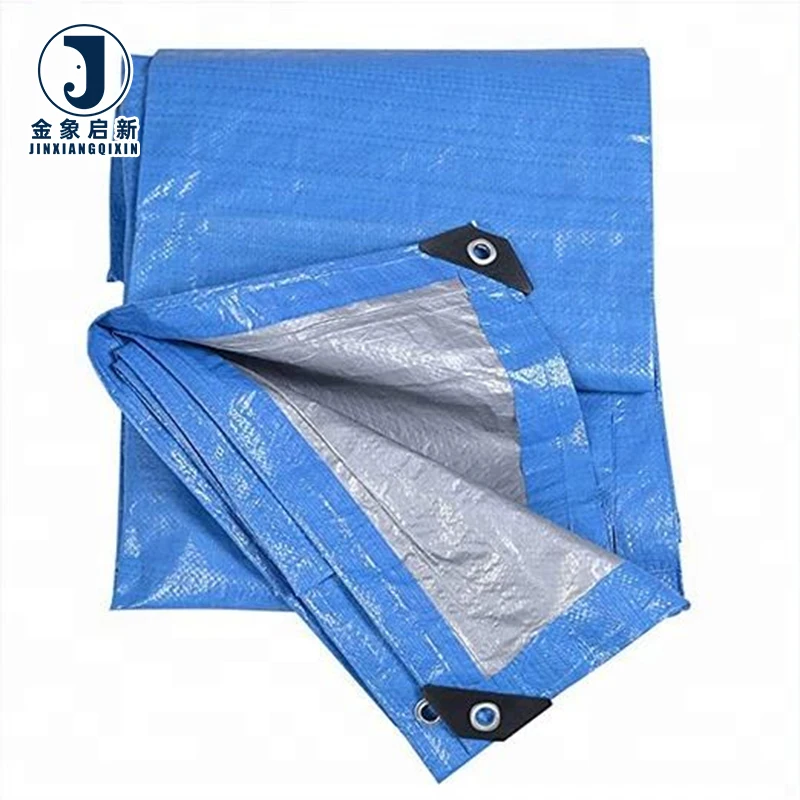
Description
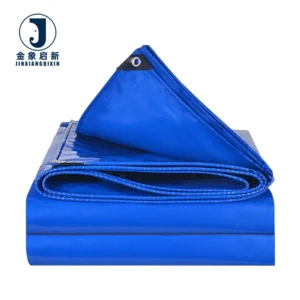
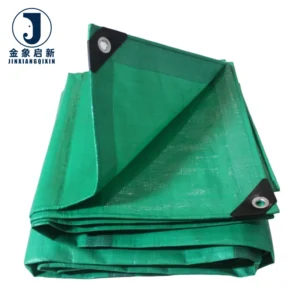
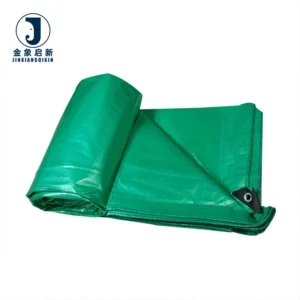
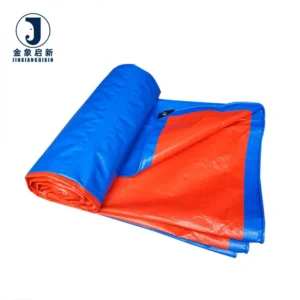
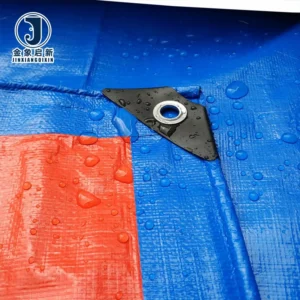
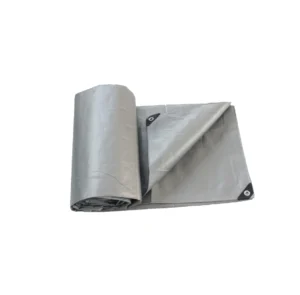
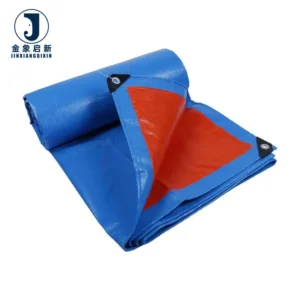
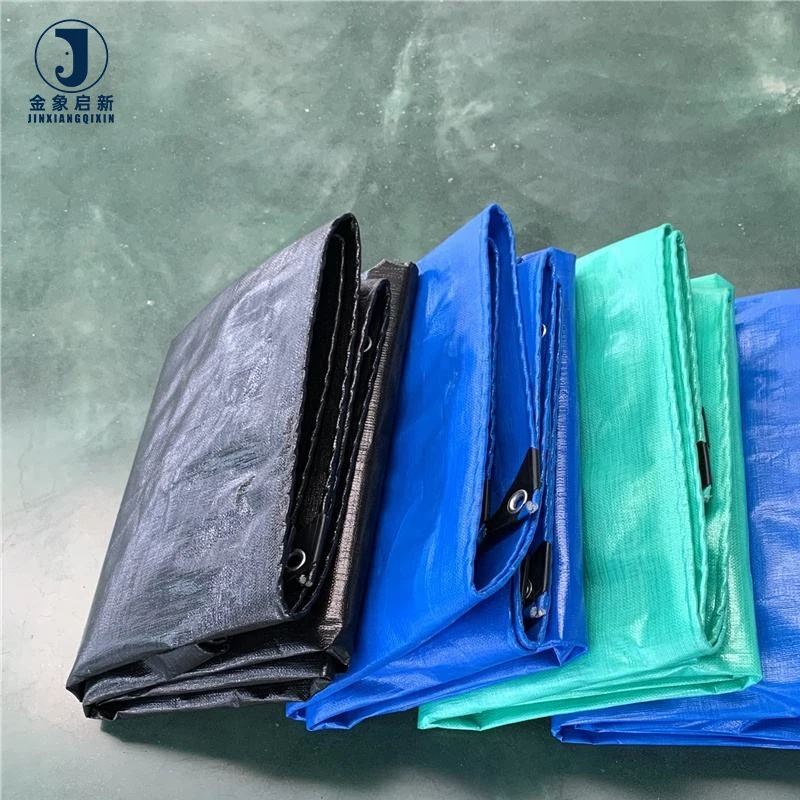
Batch-Level Consistency — Every PE tarpaulin roll is weighed and colour-checked against the approved sample before it leaves the factory, so you never face shade variation when unrolling side by side.
Technical Specifications
| Parameter | Value |
|---|---|
| Product Type | PE Tarpaulin |
| Material | Polyethylene (PE) coated fabric |
| Weight Range | 40 g/m² to 500 g/m² |
| Lightweight Grade Weight | 80-110 g/m² |
| Lightweight Grade Thickness | 0.18-0.22 mm |
| Lightweight Grade Mesh Count | 8×8 |
| Lightweight Grade Tensile Strength | Meridian 300-500 / Latitude 250-450 N/5cm |
| Medium Grade Weight | 120-150 g/m² |
| Medium Grade Thickness | 0.22-0.28 mm |
| Medium Grade Mesh Count | 10×10 |
| Medium Grade Tensile Strength | Meridian 500-800 / Latitude 400-700 N/5cm |
| Heavy-Duty Grade Weight | 160-240 g/m² |
| Heavy-Duty Grade Thickness | 0.30-0.35 mm |
| Heavy-Duty Grade Mesh Count | 12×12 |
| Heavy-Duty Grade Tensile Strength | Meridian 900-1200 / Latitude 700-1000 N/5cm |
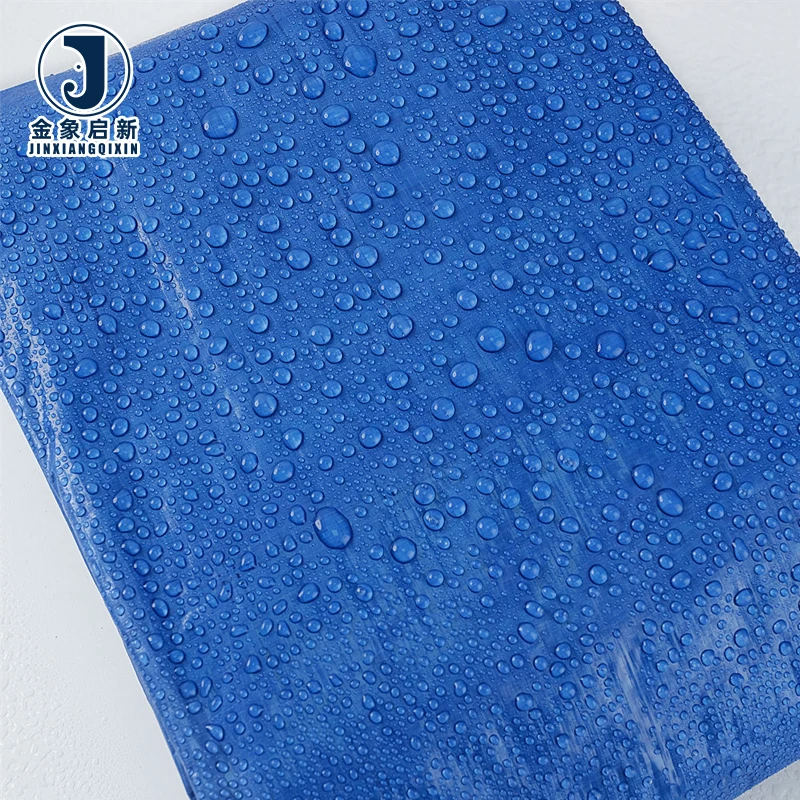
| Water Resistance | Double waterproof surfaces, reinforced corners |
| UV Treatment | Available (grade to be confirmed per order) |
| Mildew Resistance | Anti-mildew and anti-aging treatment available |
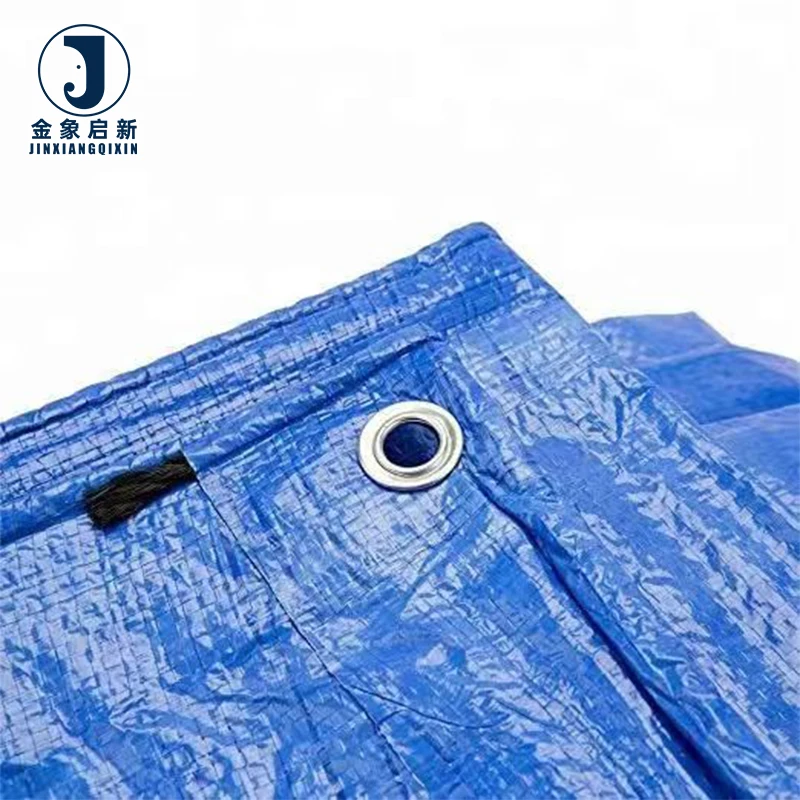
| Eyelet Spacing | 39.4 inches center to center |
| Custom Options | Size, colour, and printing available |
| Certifications | ISO, CE |
Application Suitability
| Application | Exposure & Requirement |
|---|---|
| Agricultural covering | Prolonged sun and rain exposure, lightweight handling, seasonal deployment over crops and stock |
| Warehouse coverage | Dust and moisture ingress prevention, large-area draping, indoor-outdoor transition zones |
| Truck tarpaulin | Constant road vibration, wind flap abrasion, UV exposure, tie-down stress at reinforced corners |
| Pond and reservoir lining | Permanent water contact, soil chemistry, puncture risk from substrate irregularities |
| Outdoor awning and shade sail | Continuous UV exposure, wind uplift tension, aesthetic colour consistency across panels |
| Canopy and pet dog house cover | Repeated folding and unfolding, moderate weather exposure, consumer-grade handling |
Why Roll-to-Roll Weight Variance Is a Bigger Risk Than You Think
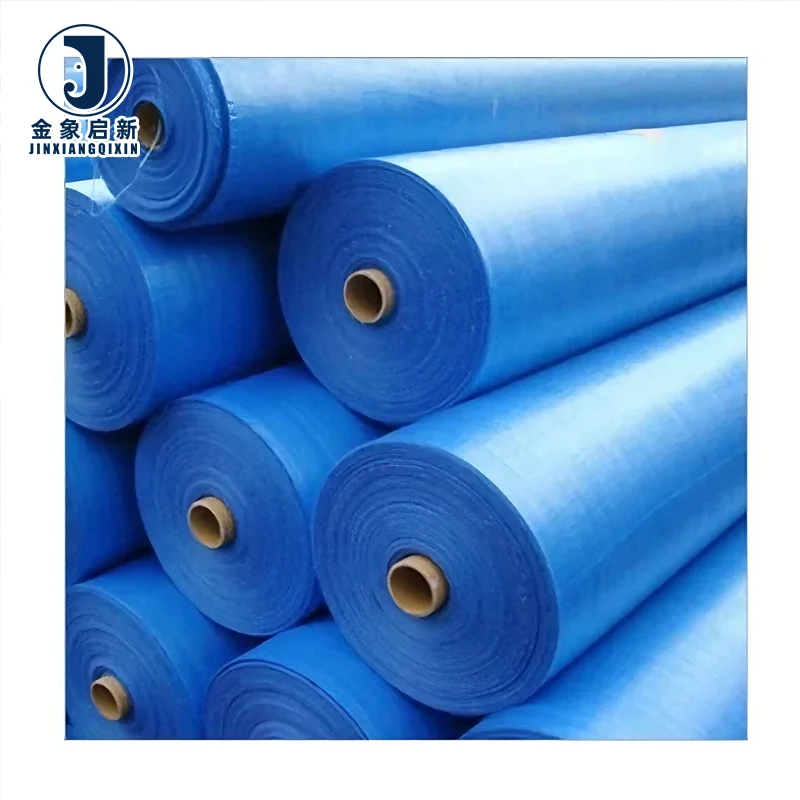
We weigh every PE tarpaulin roll before dispatch and record the actual GSM, not just the quoted figure.
When you buy PE Tarpaulin roll stock wholesale, the specification sheet says one number but the scale at your warehouse says another. Lighter-than-agreed fabric means the tensile strength drops proportionally, and your downstream customers feel the difference before you do. The problem compounds across a container load — one roll may pass while the next fails your incoming inspection, creating sorting costs that never appeared on the purchase order. [NEED_CITE: incoming material verification methods for coated fabrics]
Weight Grades Aligned to Actual Load and Exposure
This PE tarpaulin range covers three distinct weight tiers — lightweight at 80-110 g/m², medium at 120-150 g/m², and heavy-duty at 160-240 g/m² — each matched to a specific mesh density. Lightweight rolls serve seasonal agricultural covers and temporary stock protection where handling speed matters more than long-term tear resistance. Medium grades fit warehouse draping and pond lining where moderate puncture resistance is required. Heavy-duty rolls are allocated to truck cover fabrication and industrial transport applications where tie-down stress and road abrasion are constant.
Colour Matching Controlled at the Coating Stage
When you order multiple rolls of PE Tarpaulin for a single project, visible shade variation between adjacent panels is unacceptable. Batch-level colour control starts at the coating formulation stage, where pigment ratios are locked per production run rather than adjusted roll by roll. This means the roll cut first and the roll cut last in the same batch carry the same colour reference, eliminating the side-by-side mismatch that forces rework or customer rejection at the installation site. [NEED_CITE: colour consistency testing methods for coated polyethylene fabrics]
Reading the Specification Sheet Beyond the GSM Number
Mesh count and tensile strength together tell you more than weight alone. An 8×8 weave at 80-110 g/m² provides adequate coverage for light-duty agricultural use, but the meridian tensile of 300-500 N/5cm limits its suitability for any application involving sustained wind uplift. Moving to a 12×12 mesh at 160-240 g/m² nearly triples the meridian tensile capacity to 900-1200 N/5cm, which is the difference between a fabric that holds under tie-down tension and one that tears at the first stress concentration. Thickness values — ranging from 0.18 mm at the lightweight end to 0.35 mm at the heavy-duty end — correlate with both puncture resistance and the ease of heat welding during fabrication.
The Hidden Cost of Ordering the Wrong Grade
A distributor who sources lightweight 80 g/m² rolls for a customer fabricating truck covers will face seam failures within weeks, because the fabric cannot withstand the flex-point stress at load transitions. Conversely, specifying 240 g/m² heavy-duty rolls for seasonal pond lining adds unnecessary material cost and makes handling and deployment harder for the end user. Colour inconsistency across rolls in the same shipment is another frequent issue — when two rolls from the same container show different shades once unrolled, the entire installation may require replacement to meet the client’s visual standard. [NEED_CITE: field failure analysis of polyethylene tarpaulin in transport applications]
Why Wholesale Buyers Consolidate Here
Three full production lines and 36 sets of professional equipment support container-load PE tarpaulin roll orders without the scheduling conflicts that delay single-line factories. A 10-person R&D team handles custom width, colour, and pattern printing requests with sample turnaround measured in days, not weeks, so you can confirm specifications before committing to bulk. Dedicated QA and QC checkpoints at every production stage mean the pre-shipment inspection record reflects actual conditions, not a paperwork exercise. ISO and CE certifications are held at the factory level, supporting customs documentation for importers across regulated markets.
Documentation & Verification
- Actual weighed GSM recorded per roll and included in the pre-shipment inspection record
- Batch colour reference chips retained and available for cross-check on arrival
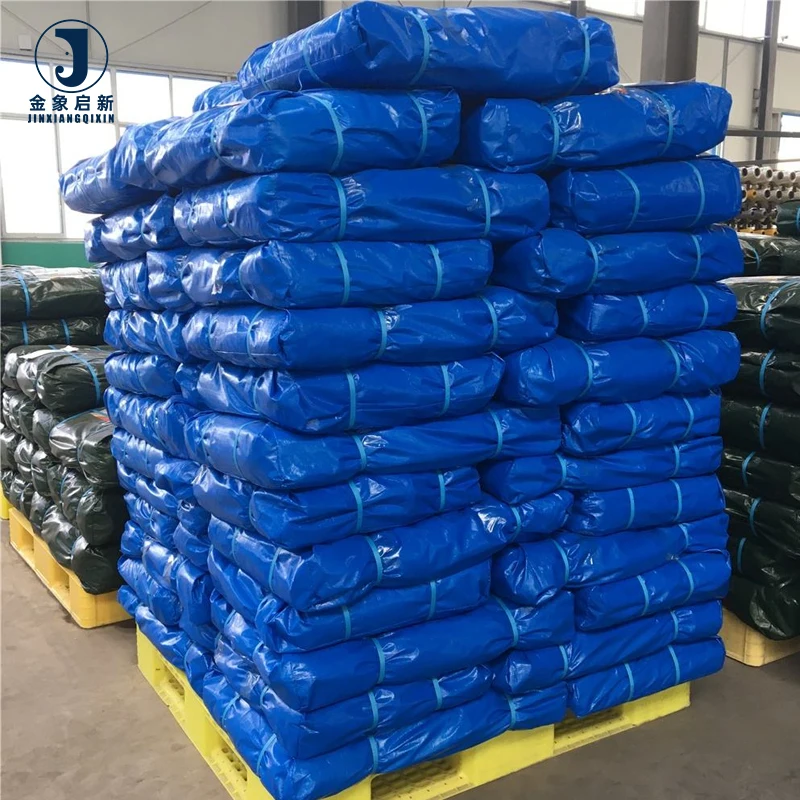
- Roll packing list with roll ID, net weight, and dimensions for container loading verification
- Certificate of origin included with every export shipment
- Material specification sheet stating base fabric, coating type, and treatment options per order
Fabrication, Handling & Storage
- Heat welding parameters should be adjusted per grade — lightweight 0.18-0.22 mm films require lower temperature settings than 0.30-0.35 mm heavy-duty sheets to avoid burn-through at the seam
- Eyelet placement at 39.4-inch spacing suits standard tie-down systems, but reinforce corners with additional patches where concentrated loads occur
- Store rolls upright on their core in a dry, shaded area to prevent flat-spot deformation and coating adhesion loss from prolonged heat exposure
- Unroll and allow the fabric to relax at ambient temperature before cutting, especially in cold conditions where polyethylene stiffens
- Clean surfaces with mild detergent only — solvent-based cleaners can degrade the PE coating layer and compromise waterproof integrity
- Plan cutting layouts to minimise offcuts, particularly on custom-width rolls where re-roll inventory is limited
What to Include in Your Enquiry
To receive an accurate quotation with lead time, specify the weight grade, roll width, and total quantity required for your project. Confirm whether you need stock colours or custom shades, and indicate if pattern printing or branding is required on the roll stock. Clarify whether the material is destined for direct end-use or further fabrication, as this influences the recommended grade and surface treatment.
Frequently Asked Questions
Q: What is the minimum order per grade when buying PE tarpaulin by the roll?
A: Minimum order quantities vary by grade and whether you select stock or custom colour. Lightweight, medium, and heavy-duty grades each carry different thresholds based on production setup. Contact us with your required grade, width, and colour, and we will confirm the exact minimum along with lead time before you commit.
Q: How do you guarantee GSM and colour consistency across rolls in the same container?
A: Every roll is weighed individually before dispatch, and the actual GSM is recorded in the pre-shipment inspection report. Colour consistency is controlled at the coating formulation stage, with pigment ratios locked for the full production run. Batch colour reference chips are retained for your cross-check upon delivery.
Q: Can I mix lightweight, medium, and heavy-duty rolls in one shipment?
A: Yes, mixed-grade container loads are available. Each grade is packed and labelled separately, and the roll packing list details the count, weight, and dimensions per grade. This allows distributors to restock multiple product lines in a single shipment while maintaining inventory traceability.
Q: What custom widths and colours are available, and what are the lead times?
A: Custom widths, lengths, and colours are produced in-house across all three weight grades. Sample development is typically completed within days for approval before bulk production. Lead times depend on the specific grade, colour, and order volume, and are confirmed at the quotation stage.
Q: Do you provide a roll packing list and certificate of origin for customs clearance?
A: Every shipment includes a detailed roll packing list showing roll ID, net weight, and dimensions, along with a certificate of origin and full customs documentation. These documents support smooth clearance at destination ports and allow importers to verify container loading against the order specification.