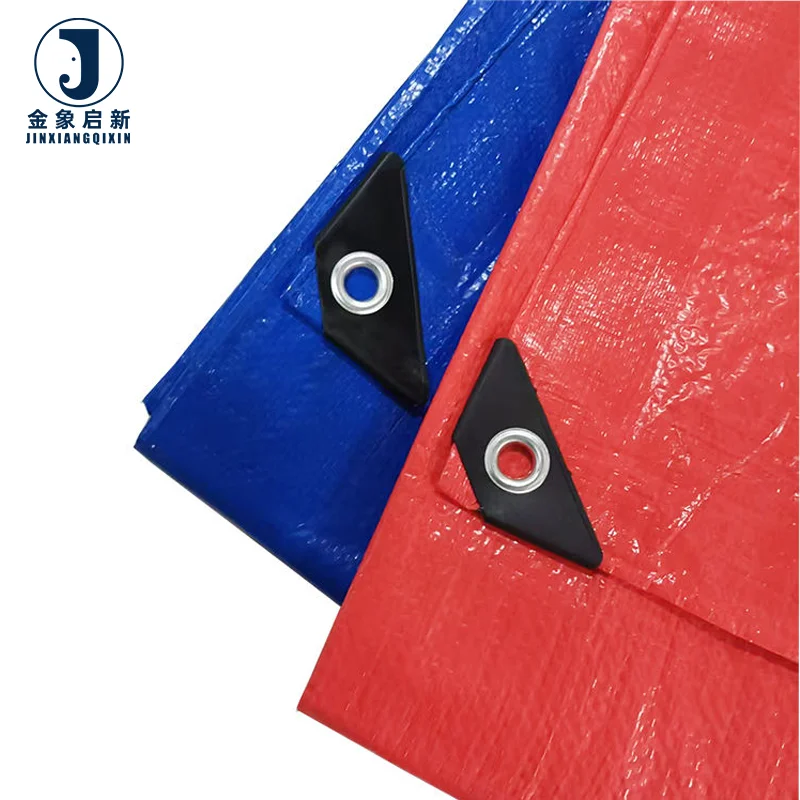
Description
Roll-To-Roll Consistency — Batch colour and GSM control across every roll in your container, verified before dispatch.
Technical Specifications
| Parameter | Value |
|---|---|
| Product Type | PE Tarpaulin |
| Material | HDPE weaving with LDPE lamination on both sides |
| Coating Method | Laminated |
| Weight (GSM) | 50 g/m² to 220 g/m² (confirm the grade for your application) |
| Thickness | 0.2–0.4 mm / 8 mil–16 mil |
| Mesh Count Options | 6×6, 6×7, 7×7, 7×8, 8×8, 9×9, 8×10, 10×10, 12×12, 14×14, 14×16 |
| Roll Width | 6 ft, 8 ft, 10 ft, 12 ft, 2 m, 4 m, 6 m |
| Roll Length | 100 yards, 100 meters, or custom |
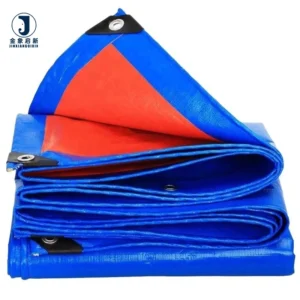
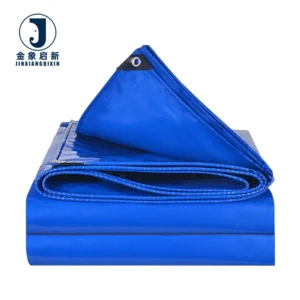
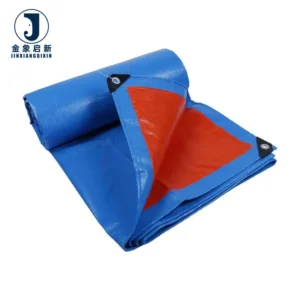
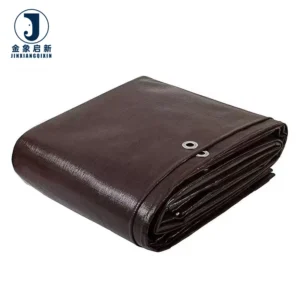
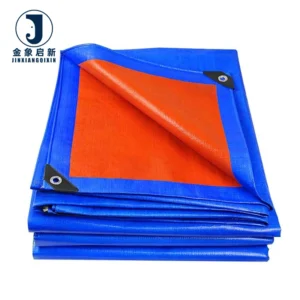
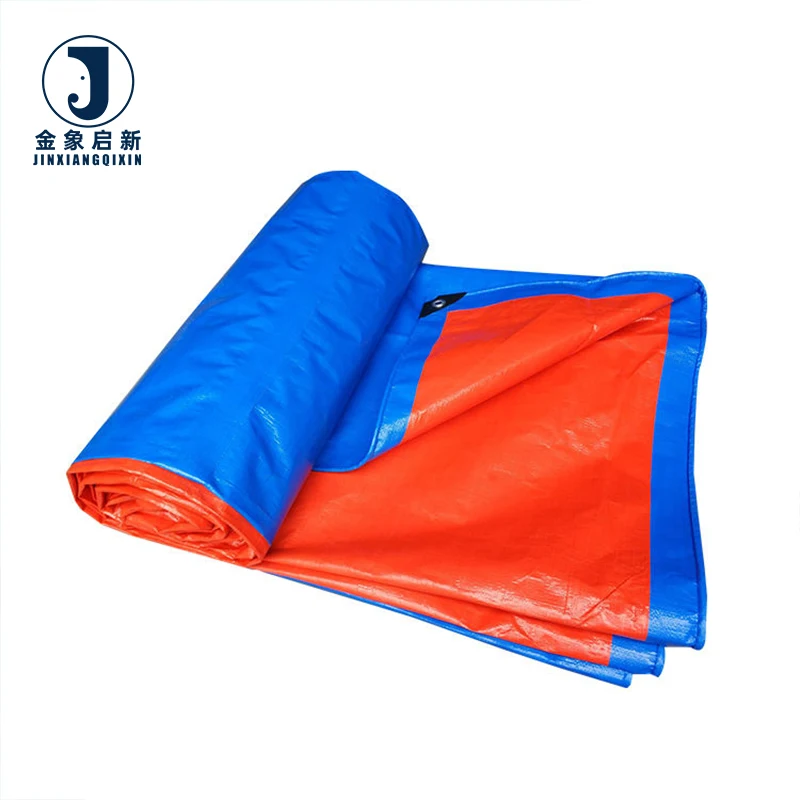
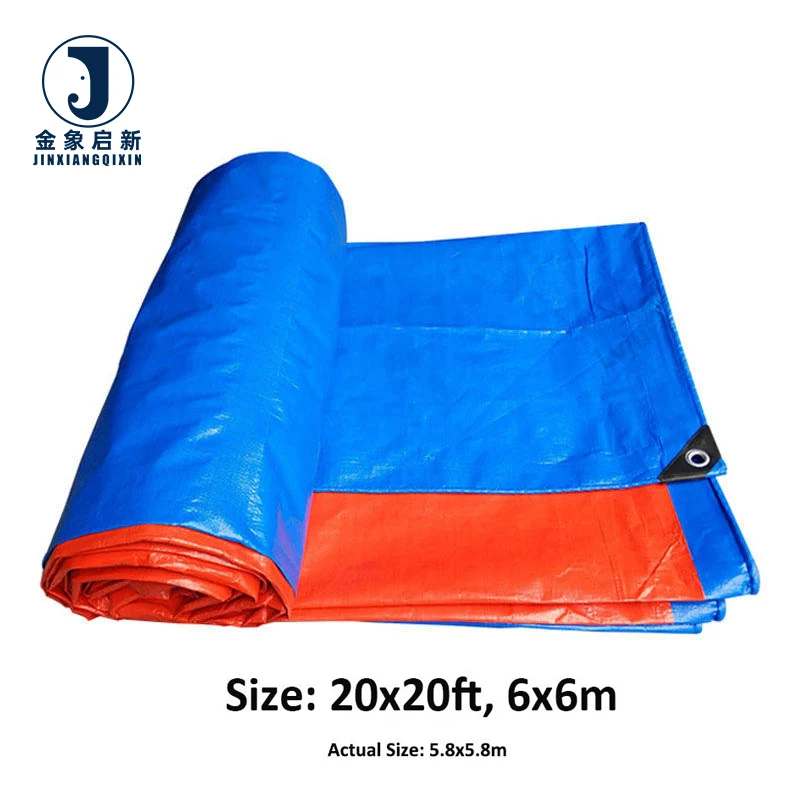
| Colour Options | Blue, Blue/Orange, Green, Grey, Black, Clear, Grey/Green, Orange, or custom |
| UV Treatment | Available (test basis not stated — confirm the standard required for your market) |
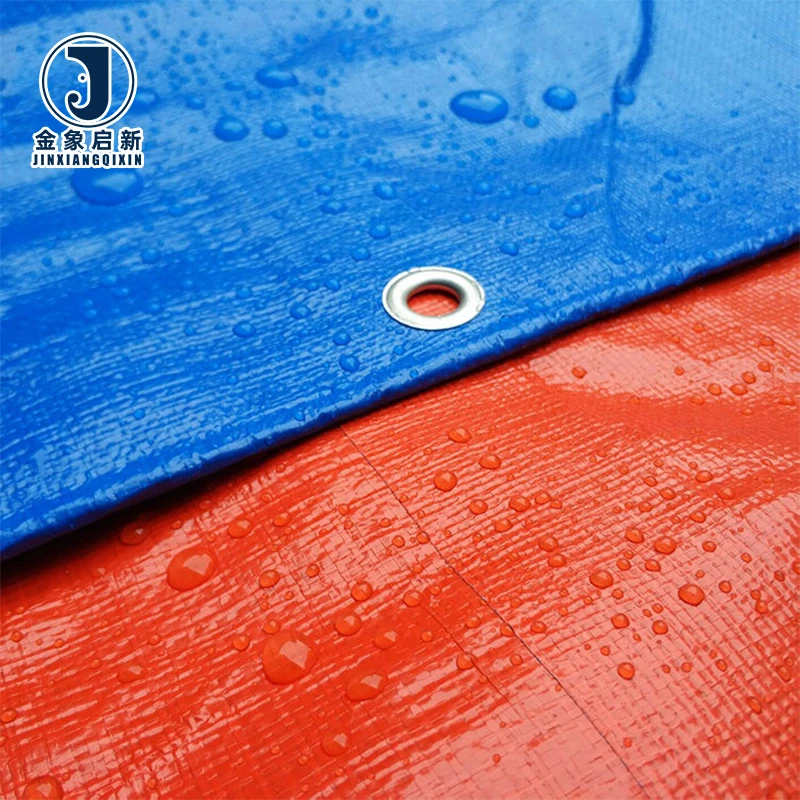
| Key Features | Waterproof, washable, tear resistant, mildew proof, anti-aging |
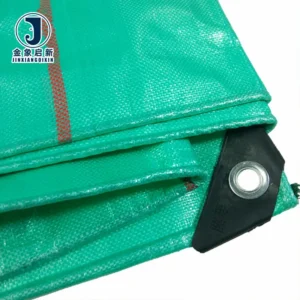
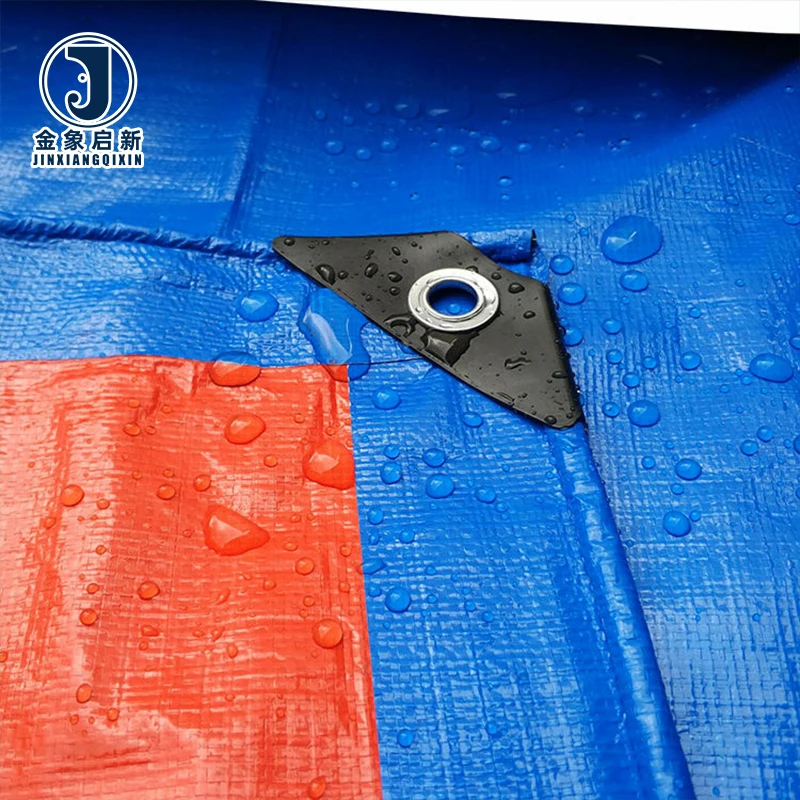
| Eyelet & Hem | PP rope reinforced hems on all four edges; galvanized eyelets every 3 ft or 1 m; reinforced plastic corners |
Application Suitability
| Application | Exposure & Requirement |
|---|---|
| Tarpaulin distributor regional resale | Shelf-ready rolls in consistent colour and weight, multiple GSM grades for varied end-user demand |
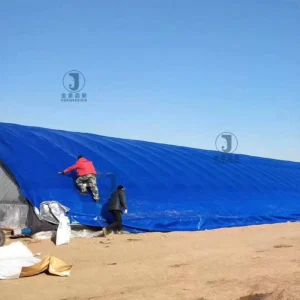
| Agricultural crop and timber covers | Prolonged outdoor exposure, rain, wind, UV contact; lightweight to mid-weight grades for seasonal use |
| Construction scaffolding and material wraps | Abrasion from scaffolding contact, dust containment, repeated handling on site |
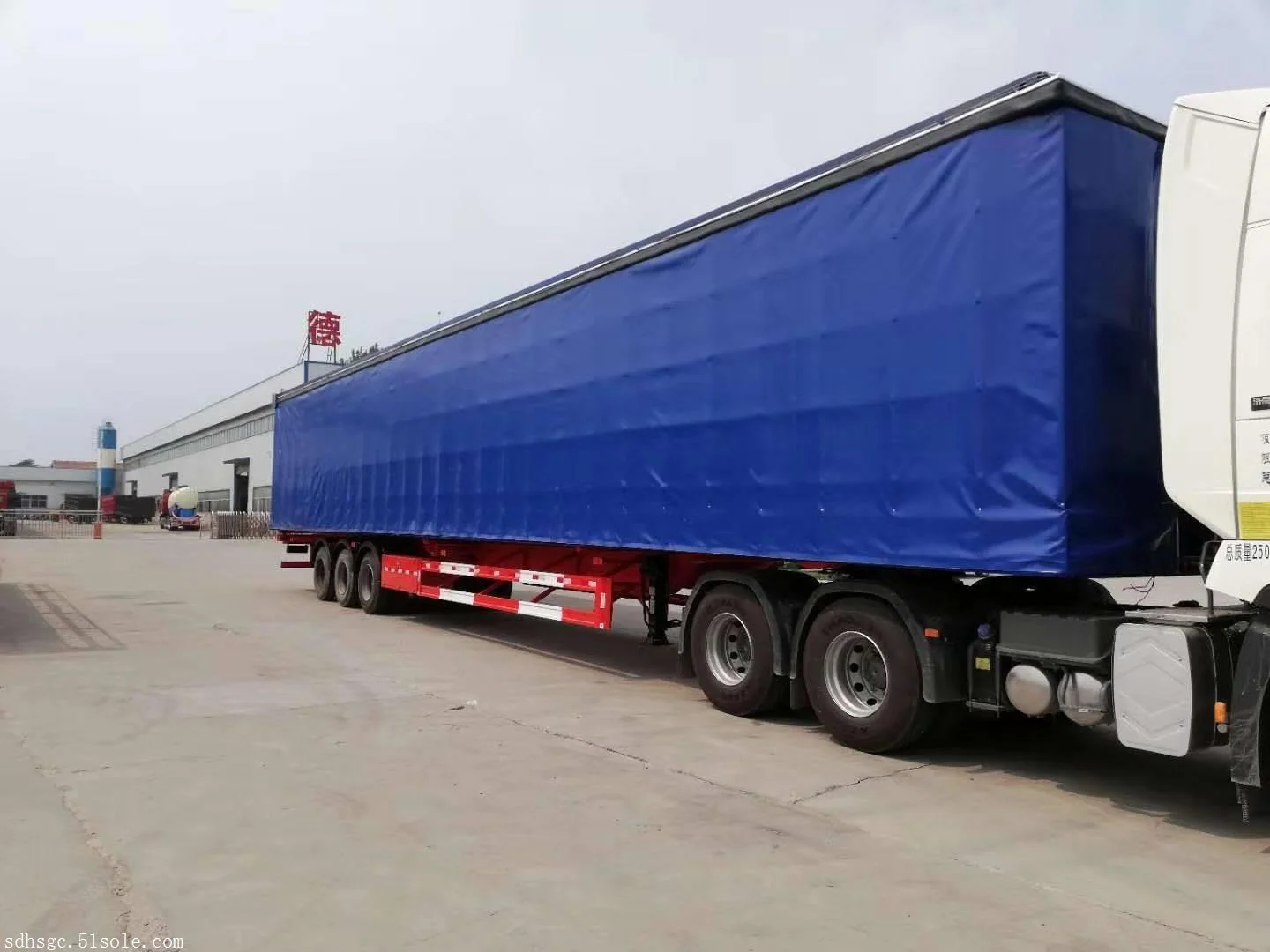
| Transport fleet truck and cargo covers | Road debris impact, tie-down tension at eyelets, weather exposure during transit |
| Home and garden furniture or pool covers | Moisture resistance, mildew exposure, fold-and-store cycle |
Why Colour Shift Between Rolls Costs You More Than You Think
A visible colour mismatch between two rolls in the same order is a rejection waiting to happen.
When you import PE tarpaulin rolls in container loads, you expect every roll to match. In practice, colour drift between production batches can turn a single shipment into a sorting nightmare — your customers see it the moment two panels are hung side by side. Distributors who have dealt with this know the cost is not just the material itself; it is the labour to sort, the credit notes, and the damaged reputation with your downstream buyer. Sourcing PE tarpaulin roll wholesale from a supplier with controlled batch colour matching eliminates this risk at the origin. [NEED_CITE: colour consistency tolerance standards for woven and laminated fabrics]
Weave Density Mapping to GSM Grades
Understanding how mesh count translates to weight is the foundation of ordering PE tarpaulin by the roll. A 6×6 weave typically corresponds to lighter grades suited for temporary agricultural covers, while a 14×14 or 14×16 weave supports heavy-duty industrial use where puncture and tear resistance matter. When you specify by mesh count rather than GSM alone, you gain a more predictable fabric structure — the denier and weave together determine the actual tensile behaviour, not just the coating weight on the surface.
Container Loading by Roll, Bale, or Carton
Maximising payload per container is a direct cost lever for wholesale importers. Rolls packed on hard paper tubes protect the inner fabric layers during ocean transit. Baled packing increases the tonnage you can fit in a 40’HQ, while carton packing suits buyers who need retail-ready bundles for regional distribution. Confirming your preferred packing method before production ensures the PE tarpaulin roll wholesale shipment arrives in the condition your market expects. [NEED_CITE: container loading optimization methods for woven tarpaulin rolls]
How Lamination and Weave Density Work Together
The HDPE woven base fabric provides the structural skeleton, while LDPE lamination on both sides seals the weave and delivers waterproofing. The coating weight and the weave density together determine how the fabric handles stress. A heavier GSM on a loose weave may feel substantial but can delaminate at the intersection points when the fabric flexes under load. Conversely, a tight weave at a lower GSM can outperform a heavier loose weave in tear propagation resistance. The mesh count — from 6×6 up to 14×16 — gives you a second axis of specification beyond weight alone, allowing you to match the fabric structure to the mechanical demands of the end application. Width availability up to 6 m also reduces the number of field seams needed when covering large areas, cutting installation time and potential failure points.
The Hidden Cost of Specifying GSM Without Checking the Weave
A roll that arrives at the quoted weight but with a looser weave than expected will underperform in the field. The coating fills the gaps in a loose weave, inflating the GSM reading without adding structural strength. Once the tarpaulin is tensioned over a truck load or stretched across scaffolding, the stress concentrates at the weave intersections — and that is where tears begin. Wholesale buyers who only check the scale at receiving miss this entirely. The remedy is to confirm both the mesh count and the GSM on the pre-shipment inspection record, not just one or the other. [NEED_CITE: relationship between weave density and tear propagation in laminated PE fabrics]
What Consistent Roll Production Actually Requires
Maintaining colour and weight uniformity across a container load of PE tarpaulin rolls starts at the extrusion stage — the LDPE resin batch must be consistent, and the masterbatch pigment ratio locked before the run begins. Three full production lines running in parallel allow large orders to be completed within a single campaign, reducing the chance of inter-batch variation. The 10-person R&D team handles colour matching against physical references, and in-process QA checks GSM at intervals along the roll length rather than only at the start. Pre-shipment inspection covers every roll before it leaves the facility, not a statistical sample.
Documentation & Verification
- Material specification sheet stating base fabric weave, coating weight, and colour reference for each PE tarpaulin grade ordered
- Pre-shipment inspection record confirming GSM and colour consistency across all rolls in the shipment
- Roll packing list with individual roll count, weight, and CBM for container loading verification
- Certificate of origin and customs documentation prepared for destination-country clearance requirements
- UV or flame-retardant test reports provided where the specified grade includes such treatment
Fabrication, Handling & Storage
- Heat-seal laminated PE fabric at moderate temperatures; excessive heat causes LDPE delamination from the HDPE base
- Position galvanized eyelets within the PP rope hem zone to distribute tie-down load across reinforced edges
- Store rolls upright on tubes in dry conditions to prevent permanent creasing of the LDPE coating surface
- Unroll in temperatures above freezing to avoid cracking the lamination at the fold lines
- Clean with mild detergent; avoid solvents that degrade the LDPE lamination bond on the fabric surface
- Plan cutting layouts to utilise full roll widths and minimise offcuts, especially on wider grades up to 6 m
What We Need From You to Quote Accurately
Provide the end-use application and the environmental conditions the tarpaulin will face — outdoor exposure duration, wind load, chemical or moisture contact. Specify your target GSM range or mesh count, along with roll widths and lengths that match your converting equipment or resale format. If you need finished sheets with eyelets and hems, send the cut sizes and the eyelet spacing interval required. Colour references or Pantone numbers help us match your batch before production begins.
Frequently Asked Questions
Q: How is the GSM verified before shipment and what tolerance applies?
A: Each roll is weighed during the pre-shipment inspection, and the result is recorded on the inspection report you receive. The GSM is measured across the roll width, not just at the edges. Standard manufacturing tolerance applies to the quoted grade — confirm the exact tolerance band for your target GSM when placing the order so both parties agree on the acceptance range.
Q: Can you guarantee colour consistency across all rolls in one order?
A: Production runs are planned to complete full orders within a single campaign using the same resin and masterbatch lot. A colour reference sample is approved before the run begins, and in-process checks compare ongoing output against that reference. The pre-shipment inspection record notes any roll flagged for deviation.
Q: What roll widths and lengths are available, and can I order custom dimensions?
A: Standard roll widths include 6 ft, 8 ft, 10 ft, 12 ft, 2 m, 4 m, and 6 m. Roll lengths are typically 100 yards or 100 meters, with custom lengths available on request. Custom widths outside the standard range can be produced — confirm the minimum order quantity for non-standard dimensions at the inquiry stage.
Q: How many tons of PE tarpaulin fit in a 20’GP or 40’HQ container?
A: Loading capacity depends on packing method. In a 20’GP, roll packing carries approximately 17 tons, bale packing approximately 12 tons, and carton packing approximately 9 tons. A 40’HQ accommodates roughly 28 tons by bale or 20 tons by carton. Your packing choice directly affects the unit landed cost.
Q: Do you supply finished cut-to-size sheets or only roll stock?
A: Both are available. Roll stock suits distributors and converters who cut locally. Finished sheets come with PP rope reinforced hems on all four edges, galvanized eyelets at 3 ft or 1 m intervals, and reinforced plastic corners. Standard cut sizes and custom dimensions can be ordered together in the same container.