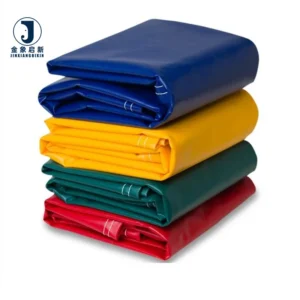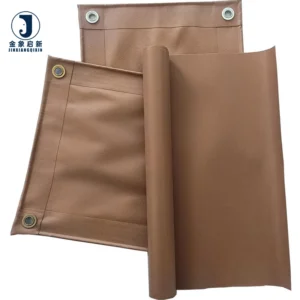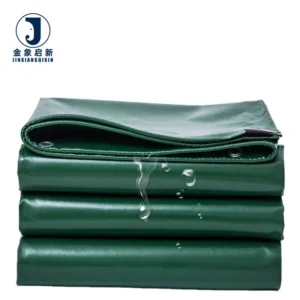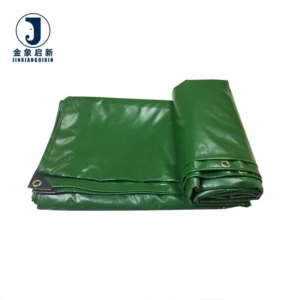
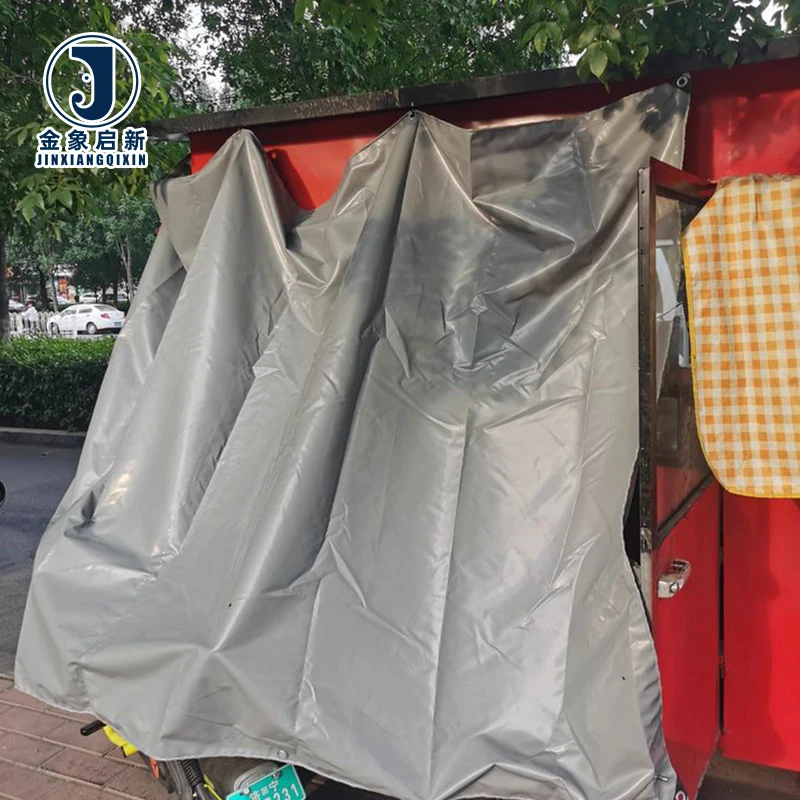
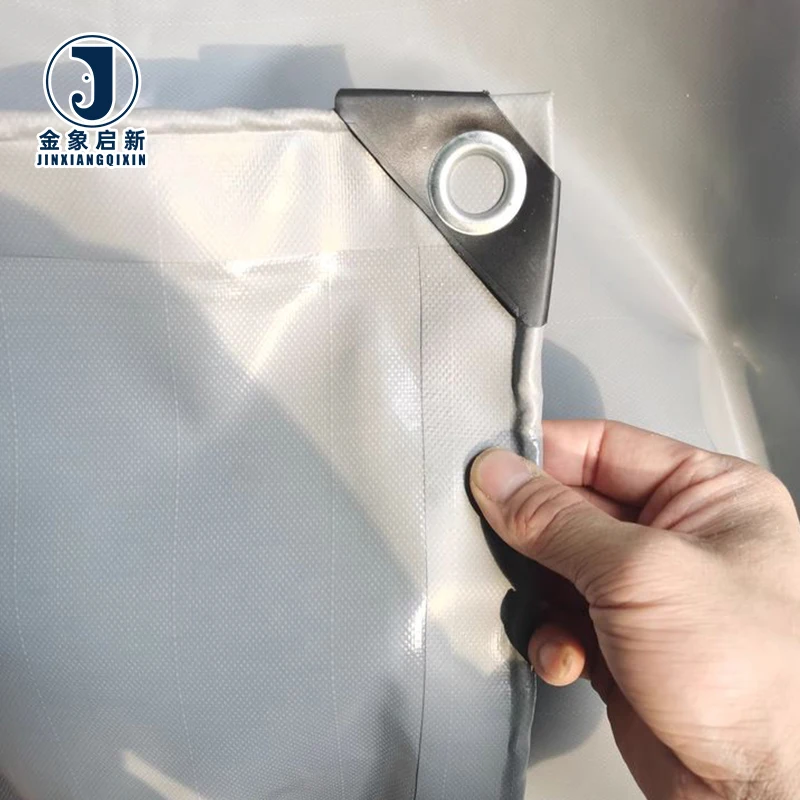
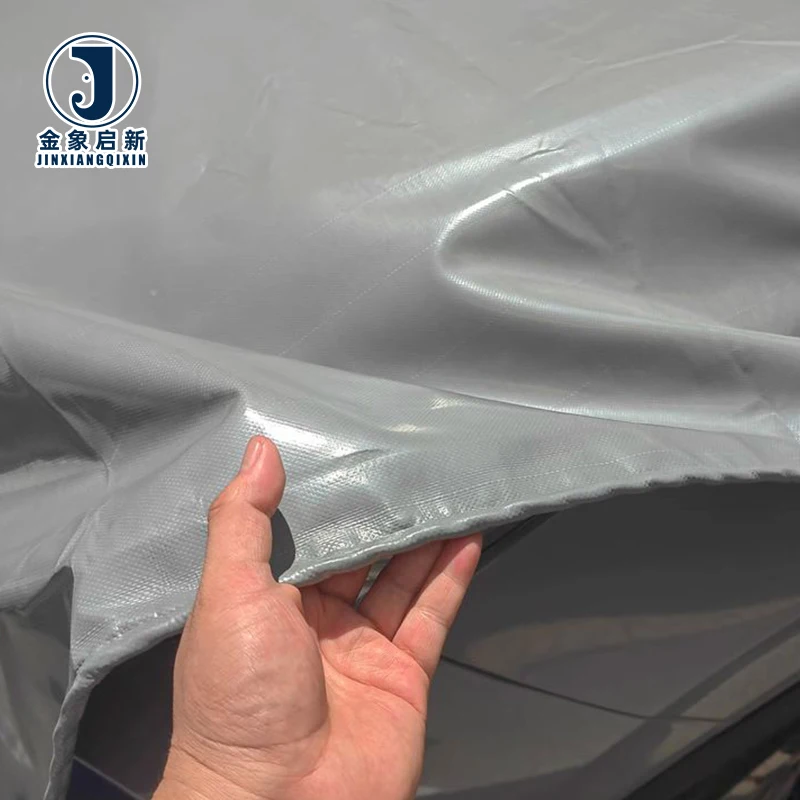
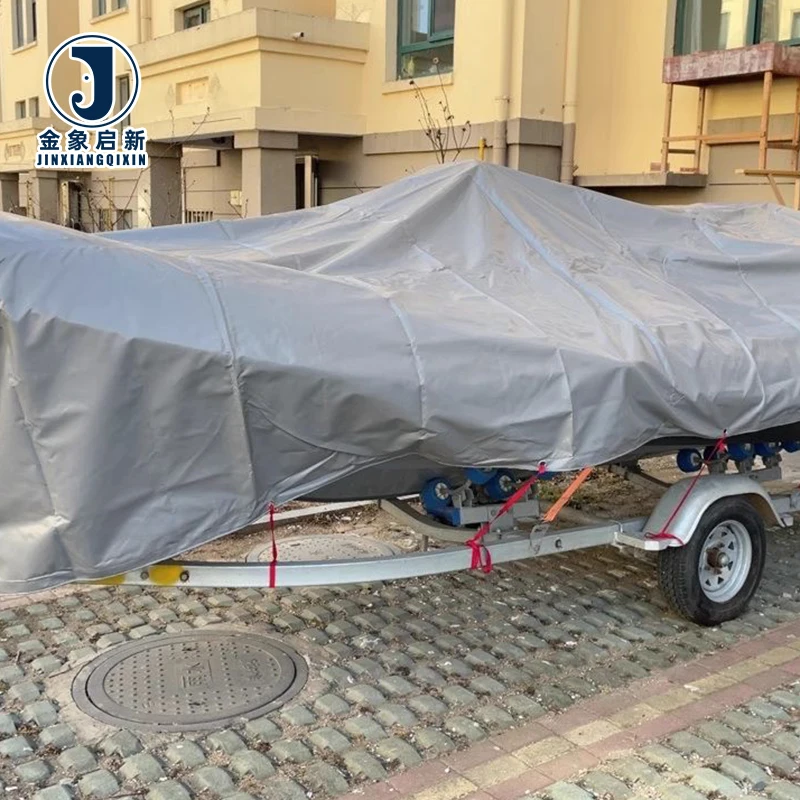
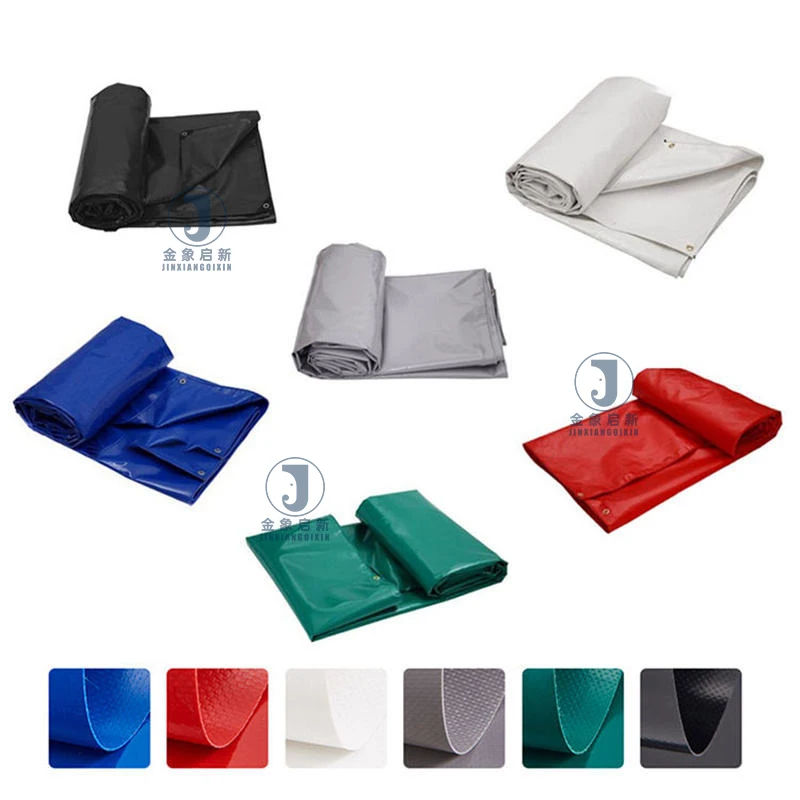
Description
Roll-to-roll consistency — Every PVC Coated Tarpaulin roll leaving the line carries a pre-shipment inspection record confirming the stated 650gsm weight per square meter, eliminating the gap between quotation and arrival.
Technical Specifications
| Parameter | Value |
|---|---|
| Product Type | PVC Coated Tarpaulin |
| Base Fabric | 100% high toughness polyester yarn |
| Coating Material | PVC |
| Coating Method | Lamination technology and hot melt coating technology |
| Weight | 650gsm |
| Waterproof | Fully waterproof coated construction |
| Cold Resistant | Cold resistant cracking formulation |
| Anti-Mildew | Mold proof treatment |
| UV Treatment | Anti-UV treatment available — confirm the UV rating required for your market |
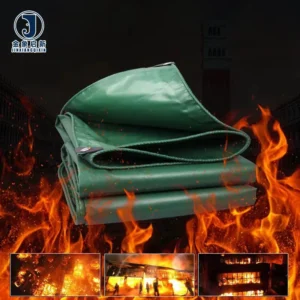
| Flame Retardant | Flame retardant grades available — confirm the grade required for your market |
| Anti-Static | Anti-static treatment available — confirm the standard required for your application |
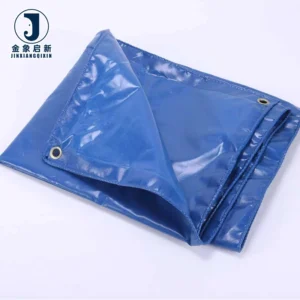
| Edge Treatment | Eyelets and reinforced hems |
| Welding Tear Strength | Excellent — verify test method for your specification |
| Color Fastness | High color fastness — confirm test standard for your market |
| Certifications | ISO, CE |
Application Suitability
| Application | Exposure & Requirement |
|---|---|
| Truck and trailer load covering | Constant road vibration, UV exposure, tie-down abrasion at eyelet points, wind load flexing |
| Construction site equipment protection | Debris impact, rain and standing water, repeated folding and deployment, ground contact |
| Agricultural equipment and stock covers | Moisture and ammonia exposure, mold risk, seasonal UV intensity, handling wear |
| Industrial material yard protection | Long-term weathering, thermal cycling, puncture risk from sharp-edged materials |
| Farm machinery coverage | Chemical spray residue, dust accumulation, high-low temperature cycling |
Why GSM Alone Does Not Determine Roll-to-Roll Reliability
A stated 650gsm means nothing if the coating weight varies roll by roll.
Buyers ordering PVC coated tarpaulin roll stock in volume often face the same frustration: the material specification sheet reads correctly, but the rolls arriving at the warehouse feel lighter, thinner, or behave differently under heat welding. Coating weight inconsistency is one of the most common causes of batch rejection in wholesale tarpaulin procurement [NEED_CITE: common causes of coated fabric batch rejection in bulk procurement]. When coating adhesion varies, weld seams fail before the fabric does, and the failure point is always where the load flexes most.
Coating Adhesion and Hot Melt Process Control
The lamination and hot melt coating technology used for this PVC Coated Tarpaulin ensures the PVC layer bonds directly into the polyester base fabric rather than sitting on the surface. This bond determines how the material behaves during fabrication — specifically when heat-welded seams are placed under tension. Rolls produced with consistent melt temperature and pressure deliver uniform peel strength across the entire batch, which matters when your fabrication shop runs through dozens of rolls in a single production run.
Batch Color Consistency Across Container Loads
When tarpaulin distributors buy by the roll for regional redistribution, color drift between rolls in the same shipment creates visible mismatches once the material is installed side by side. Maintaining pigment dispersion consistency across a full production run requires controlled dosing at the mixing stage [NEED_CITE: pigment dispersion standards for PVC coated fabric production]. This PVC coated tarpaulin is produced with color reference matching documented per batch, so rolls cut from the same order hold the same shade whether they ship in the same container or across multiple dispatches.
Reading the Specification Sheet Beyond the Weight Number
The 650gsm weight tells you the total mass per square meter, but the base fabric denier and knitting density determine how that weight translates into tensile and tear performance. A heavier coating on a lighter base fabric may hit the target GSM while delivering lower tear resistance than a balanced construction. The lamination and hot melt coating method allows the PVC to penetrate the weave, contributing to both the coating weight and the mechanical interlock with the yarn. This is why two rolls at identical GSM can perform very differently once fabricated and tensioned over a load — the ratio of base fabric to coating matters as much as the total weight [NEED_CITE: relationship between base fabric denier and tensile strength in coated fabrics per ISO 1421].
The Hidden Cost of Underspecified Roll Stock
When a roll arrives lighter than the quoted 650gsm, the immediate loss is material — you get fewer square meters per kilogram paid for. The deeper cost shows up later: thinner coating layers crack at fold lines during cold-weather deployment, and weld seams peel under loads the fabric should have handled. Distributors who resell to end users absorb the return claims, while fleet operators discover the failure mid-route. Color inconsistency forces entire batches to be rejected or sold at a discount, because no logistics company will accept a fleet of trailers wrapped in mismatched panels [NEED_CITE: financial impact of batch color variation in wholesale tarpaulin supply].
What Consistent Supply Looks Like in Practice
Three full production lines running dedicated PVC coated tarpaulin grades mean your roll stock order does not get queued behind a one-off custom job. The 10-person R&D team handles color matching and width specification before production starts, not as an afterthought during coating. Pre-shipment inspection covers every roll — weight verification, visual check for coating defects, and color comparison against the approved reference. Bulk pricing tiers are structured around container-load planning, so your per-roll cost reflects actual logistics efficiency rather than arbitrary volume brackets.
Documentation & Verification
- Material specification sheet stating 650gsm, base fabric denier, and PVC coating weight per roll batch
- Pre-shipment inspection record with weight-per-square-meter verification for each roll
- Roll packing list detailing roll count, individual weight, and container loading plan
- Color reference card matched to the approved sample for batch consistency verification
- Certificate of origin and customs documentation prepared for international dispatch
Fabrication, Handling & Storage
- Heat-weld at temperatures suited to 650gsm hot melt PVC coating for full seam adhesion
- Reinforce eyelet zones with additional PVC patches to distribute tie-down point loads
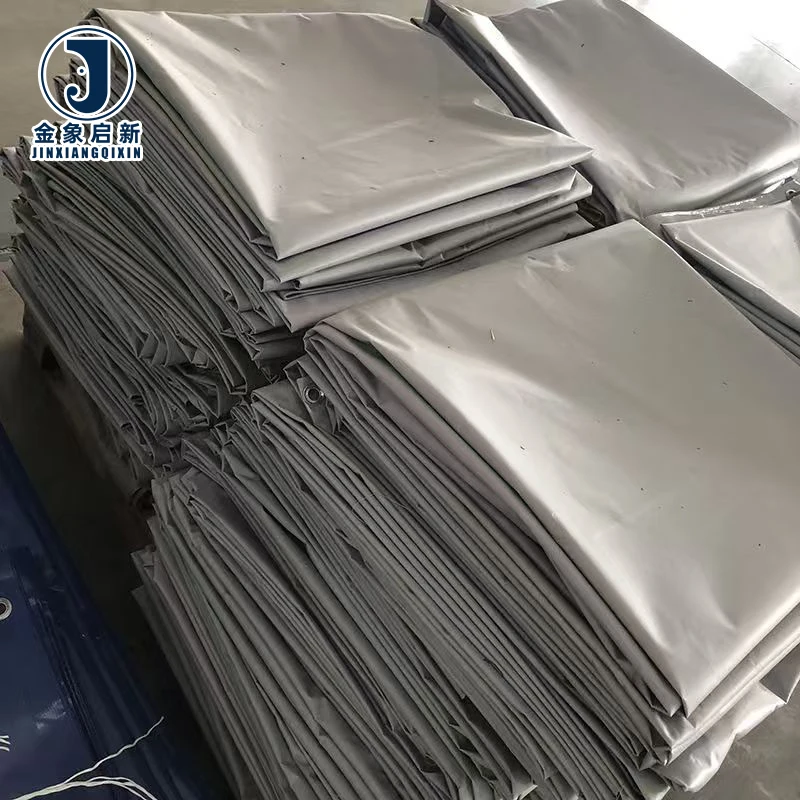
- Store rolls upright on pallets to prevent flat-spot deformation of the coated surface
- Allow cold-stored rolls to reach ambient temperature before unrolling to avoid coating crack
- Use mild detergent for cleaning — avoid solvents that degrade the PVC coating layer
- Plan cut layouts to minimize off-cuts and maximize yield from standard roll widths
What We Need to Prepare Your Quotation
To provide an accurate specification and lead time, share the target roll width and the total square meters or container volume you plan to order. If your market requires a specific flame retardant or anti-static grade, name the standard so we can confirm availability. Let us know whether you need rolls only or finished cut-to-size sheets with eyelets, and whether color matching to a Pantone or RAL reference is required for your order.
Frequently Asked Questions
Q: How is GSM verified before shipment and what documentation is provided?
A: Every roll is weighed and measured during pre-shipment inspection to confirm the 650gsm specification. A signed inspection record accompanies the shipment, listing actual weight per square meter for each roll along with the material specification sheet covering base fabric and coating details.
Q: What are the standard roll widths and can custom widths be ordered in bulk?
A: Standard widths are available for immediate scheduling, and custom widths can be produced across our full production lines. Provide your required width and total meterage so we can confirm the minimum order and lead time for your specification.
Q: How is color consistency maintained across multiple rolls in the same order?
A: Pigment dosing is controlled at the mixing stage and referenced against an approved color card. Each production batch is checked for shade consistency before packing, and the color reference is documented so reorders can be matched to previous shipments.
Q: What are the MOQ and lead time for custom color or custom width roll stock?
A: Minimums depend on the width and color combination requested. Custom colors require a lab dip approval step before production. Share your specification and target quantity so we can provide a confirmed lead time and container loading plan.
Q: How are rolls packed for container loading to prevent transit damage?
A: Rolls are packed upright on pallets with protective wrapping to prevent surface abrasion and edge damage. A detailed roll packing list is provided showing roll count, individual weights, and container loading sequence for efficient unloading at destination.