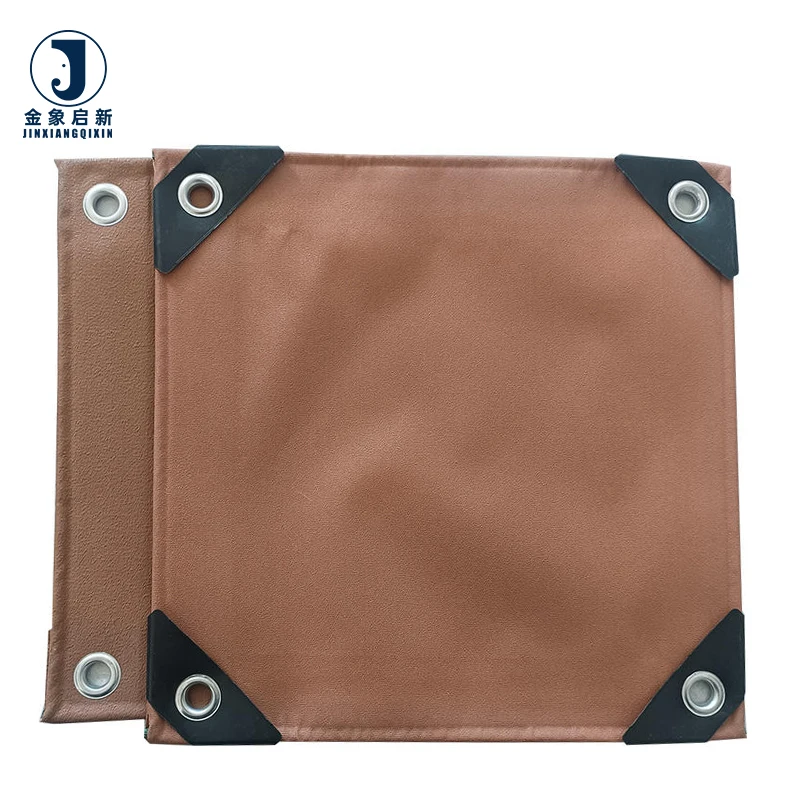
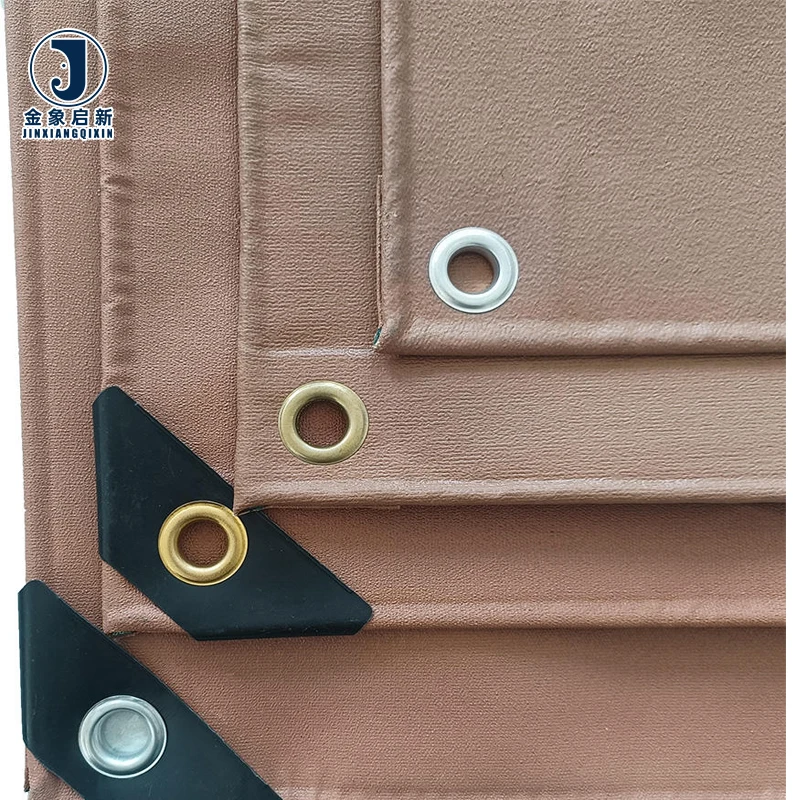
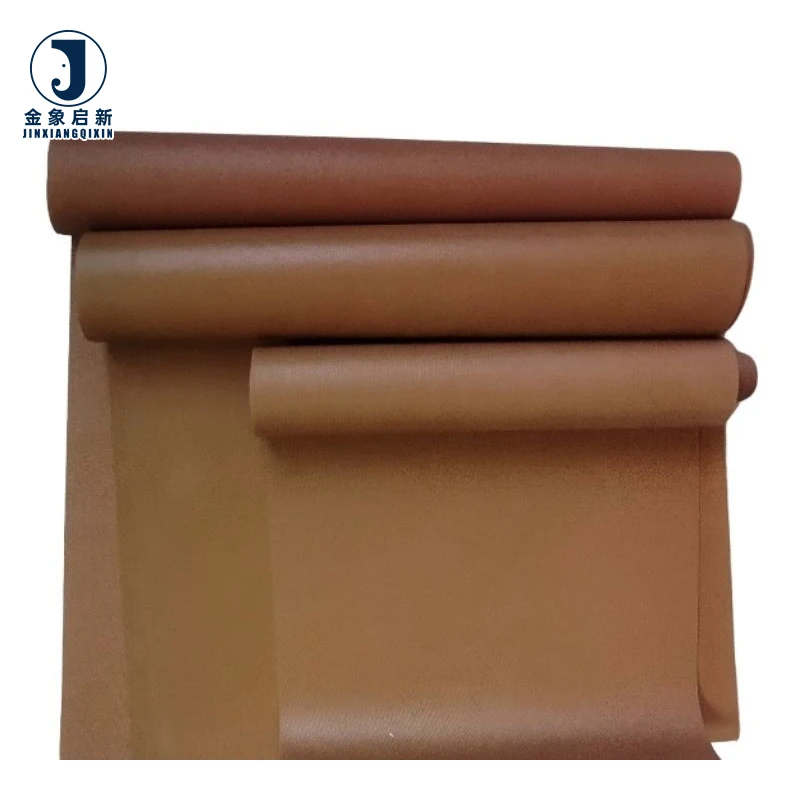
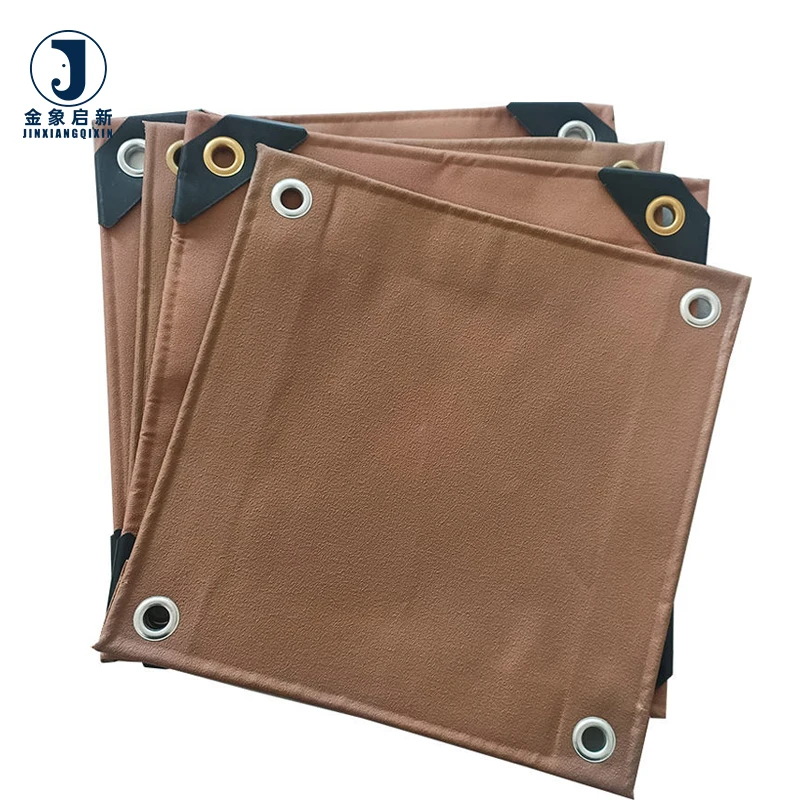
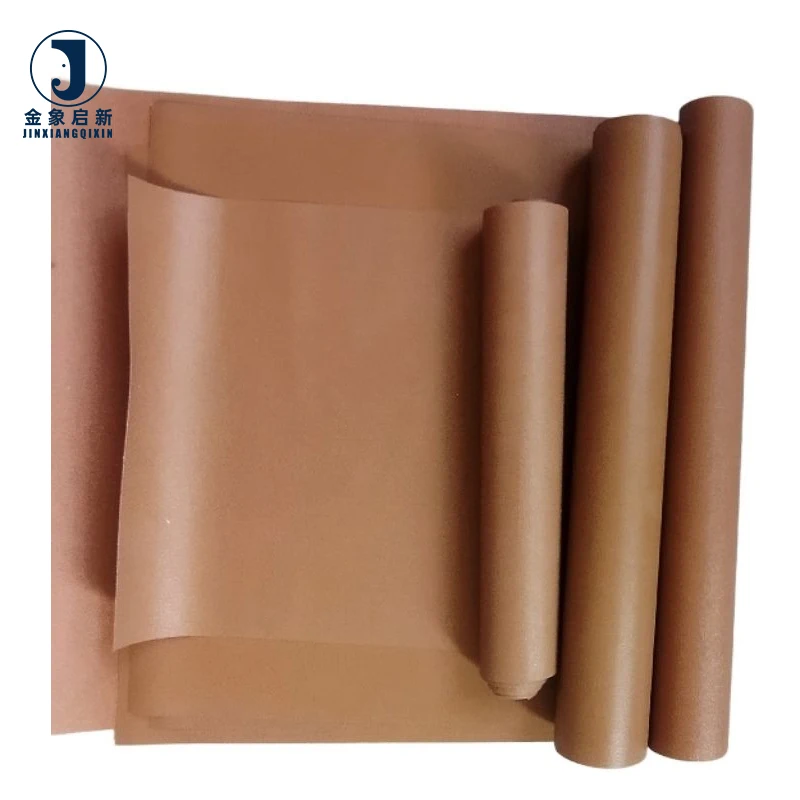
Description
Batch-to-Batch Roll Consistency — verified GSM per roll with documented coating weight and base fabric denier before dispatch, eliminating the lighter-than-quoted material that fails under load within months.
Technical Specifications
| Parameter | Value |
|---|---|
| Product Type | PVC Coated Tarpaulin Roll |
| Base Fabric Denier | 1000D |
| Weight (GSM) | 550GSM / 900GSM |
| Coating Material | PVC |
| Coating Method | Knife Coated |
| Waterproof | Yes |
| Flame Retardant | Available (grade not stated — confirm the grade required for your market) |
| Anti-Static | Available (standard not stated — confirm the standard required for your site) |
| Anti-Mildew | Available |
| UV Treatment | Available (test basis not stated — request test report for your region) |
| Outdoor Life | Suited to extended outdoor exposure |
| Surface Finish | Self Clean |
Application Suitability
| Application | Exposure & Requirement |
|---|---|
| Tarpaulin distributor & importer stock | High-volume roll inventory requiring batch colour consistency across container loads |
| Tent and awning manufacturing | Fabric bought by the roll with clean weld lines and predictable drape behaviour |
| Transport fleet side curtains | Constant flexing at trailer hinges, road spray, UV exposure, abrasion at tie-down points |
| Roof and temporary structure covers | Prolonged sun and rain exposure, wind uplift stress on welded seams |
| Flood barrier and water containment | Continuous water contact, puncture risk from debris, seam integrity under hydrostatic pressure |
Why Stated GSM Does Not Guarantee Roll-to-Roll Consistency
Verified coating weight per roll is the only safeguard against material that arrives lighter than quoted.
Buyers who specify 550GSM or 900GSM on the purchase order sometimes receive rolls that measure lighter when sampled on arrival. The shortfall may be small per square metre, but across a full container of PVC coated tarpaulin roll stock it represents a meaningful reduction in coating thickness and base fabric density. Thinner coating means lower peel strength at welded seams. Lighter base fabric means reduced tear resistance at the exact points where the material flexes under load [NEED_CITE: tensile and tear test methods for coated fabrics per ISO 1421]. The problem rarely shows up during a quick visual check — it surfaces weeks later when seams separate or the fabric tears at eyelet reinforcement points.
Roll Stock Availability and Bulk Ordering Consistency
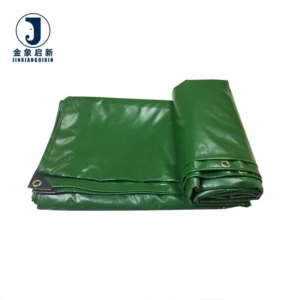
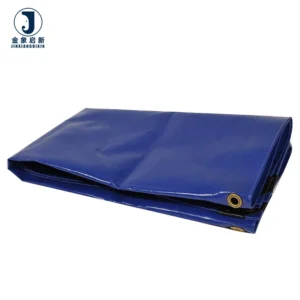
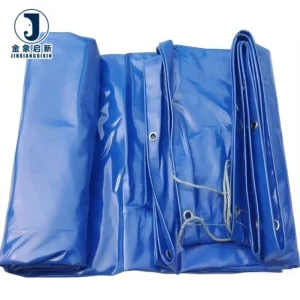
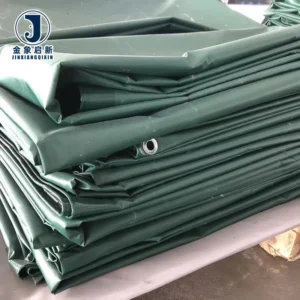
PVC coated tarpaulin roll wholesale buyers need confidence that every roll in a container order matches the specification sheet. This range covers two GSM grades — 550GSM and 900GSM — both built on a 1000D polyester base fabric with knife-coated PVC. The knife coating process forces PVC paste into the weave structure, creating mechanical adhesion between coating and yarn rather than a surface bond. This matters for wholesale buyers whose customers will cut, weld, and fabricate the material into finished covers and structures.
Stock rolls ship with documented GSM verification, so the material on the pallet matches the material on the quotation. Custom widths and roll lengths are available for buyers who need non-standard formats to reduce waste during fabrication.
Colour Matching Across Multi-Roll Orders
Batch colour variation between rolls is a problem that only becomes visible once the fabric is installed side by side — a tent wall panel next to its neighbour, or a truck side curtain next to the rear door panel. Knife-coated PVC allows tight control over pigment dispersion during the coating stage, which reduces the shade drift that can occur between production runs [NEED_CITE: colour fastness and batch consistency standards for coated textiles].
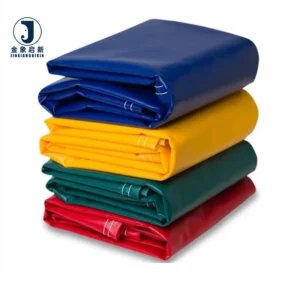
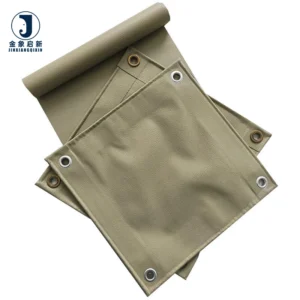
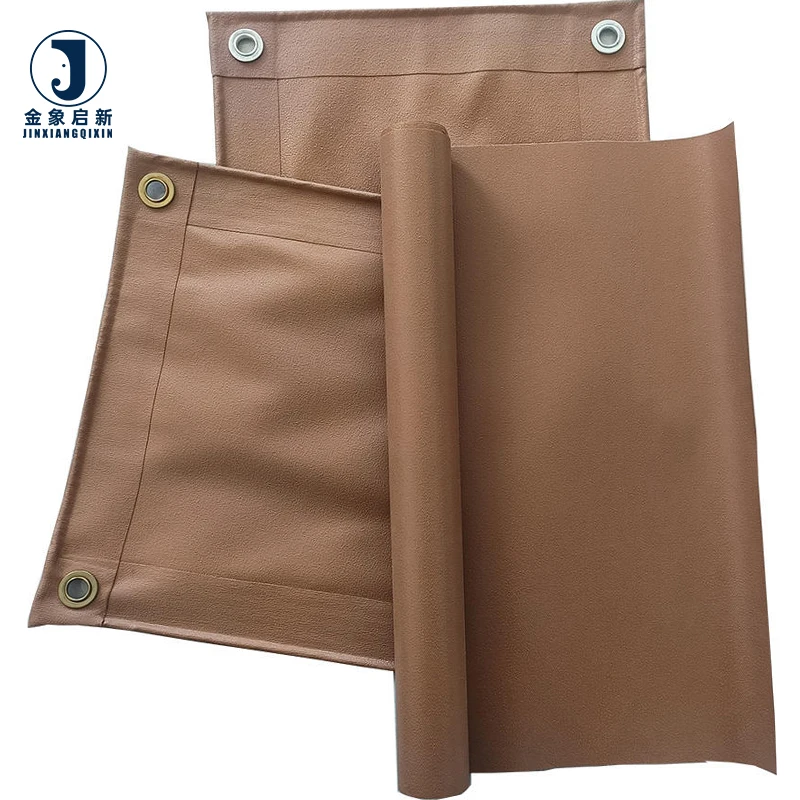
For wholesale buyers placing full-container orders, requesting same-batch production ensures all rolls originate from a single coating run. Reference samples and colour cards can be supplied before production to confirm the target shade, and pre-shipment inspection records document the visual check against those references.
How Base Fabric, Coating Weight, and Surface Finish Interact
GSM alone does not define how a coated fabric performs. The 1000D base fabric provides the tensile and tear backbone — higher denier yarns resist tear propagation across the weave, which is critical when a puncture or cut occurs in the field. The knife coating method deposits PVC on both sides of the scrim and forces paste through the weave gaps, producing a three-layer construction where coating and fabric act as one unit under stress.
The Self Clean surface finish reduces dirt adhesion and allows rain to wash away surface grime, which extends the visual life of installed covers and reduces maintenance frequency for end users. For buyers reselling to fabricators, the self-clean surface also provides a predictable substrate for heat welding, since surface contaminants that interfere with weld temperature are minimised. The two GSM options — 550GSM and 900GSM — serve different duty cycles: the lighter grade suits medium-duty covers and temporary structures, while the heavier grade targets high-stress transport and industrial applications where the fabric faces sustained mechanical load.
The Hidden Cost of Specifying on Price Per Kilogram Alone
When roll stock is sourced primarily on unit cost, the material that arrives often sits at the lower boundary of the GSM tolerance — or below it. A PVC coated tarpaulin roll that measures lighter than specified will still look and feel correct during a quick warehouse inspection. The deficit reveals itself in fabrication: welded seams peel apart at lower force, eyelet pull-out resistance drops, and the fabric becomes more susceptible to tearing at stress concentrations [NEED_CITE: peel strength and seam integrity testing for PVC coated fabrics]. For wholesale buyers whose reputation depends on the performance of the material they supply, the cost of one container of underweight fabric — measured in customer claims, returns, and lost accounts — far exceeds the savings on the initial purchase.
Why Source This PVC Coated Tarpaulin Roll Range Here
Three full production lines and 36 sets of professional coating equipment support bulk roll output with stable lead times for wholesale orders. A dedicated 10-person R&D team handles custom width, colour matching, and surface finish requirements, developing samples within days for buyer approval before production runs begin.
Every production stage includes in-process quality checks, with 100% pre-shipment inspection on finished rolls — GSM is measured and recorded per roll, not assumed from the production setting. The knife coating process is controlled for consistent paste weight on both faces, ensuring adhesion performance matches the stated specification. ISO and CE certified production provides the documentation framework that importers and distributors need for customs clearance and market compliance in destination countries.
Documentation & Verification
- Material specification sheet listing GSM, base fabric denier, coating method, and colour reference per roll
- Weight verification record measured per roll against the stated 550GSM or 900GSM before dispatch
- Test reports for flame retardant, anti-UV, or anti-static treatments supplied where applicable to the order
- Pre-shipment inspection record documenting visual and dimensional checks on every roll
- Roll packing list with roll count, net weight, and container loading plan for freight optimisation
- Certificate of origin and customs documentation supporting international wholesale shipments
Fabrication, Handling & Storage
- Heat weld at temperatures matched to the knife-coated PVC layer — test weld on scrap from the same roll first
- Store rolls upright on pallets to prevent flat-spot deformation of the 1000D base fabric core
- Avoid dragging rolls across concrete floors to protect the Self Clean surface finish from abrasion
- Allow cold-stored rolls to reach ambient temperature before unrolling to prevent coating crack at low flex
- Use sharp blades for cutting to achieve clean edges that weld consistently without fraying at the scrim
- Plan cut layouts to minimise cross-grain seams, since 1000D weave orientation affects tear direction
What to Include in Your Inquiry
Specify the GSM grade you require — 550GSM or 900GSM — along with target roll width and roll length. Confirm whether you need standard stock colour or a custom shade, and whether flame retardant, anti-static, or anti-UV treatment is required for your destination market so the correct test reports can be prepared. Indicate your annual volume and container loading preference so the packing plan can be optimised for your freight costs.
Frequently Asked Questions
Q: How is the actual GSM verified before my rolls ship?
A: Each roll is sampled and weighed per square metre against the ordered specification — 550GSM or 900GSM — during pre-shipment inspection. The measured values are recorded on the inspection report included with your shipment documentation, so you can cross-check on arrival.
Q: How do you control colour consistency across a full container of rolls?
A: Multi-roll orders are scheduled within a single coating production run so all rolls share the same pigment batch. Reference samples are confirmed before production, and visual inspection against those references is documented before packing.
Q: What roll widths and lengths are available for wholesale orders?
A: Standard stock widths and roll lengths are available for immediate planning. Custom widths and extended roll lengths can be produced to reduce your fabrication waste — confirm your required dimensions and target quantity for lead time and minimum order details.
Q: What test reports accompany flame retardant or anti-UV treated rolls?
A: Where treatment is specified on your order, the applicable test report is supplied with the shipment documentation. Confirm the standard required in your market — such as the fire classification or UV exposure protocol — so the correct grade is produced and tested.
Q: How is container loading planned for roll stock orders?
A: A packing list with roll count, individual roll weight, and total net weight is prepared before dispatch. The loading plan matches roll dimensions to container type to maximise utilisation and protect rolls from transit damage.