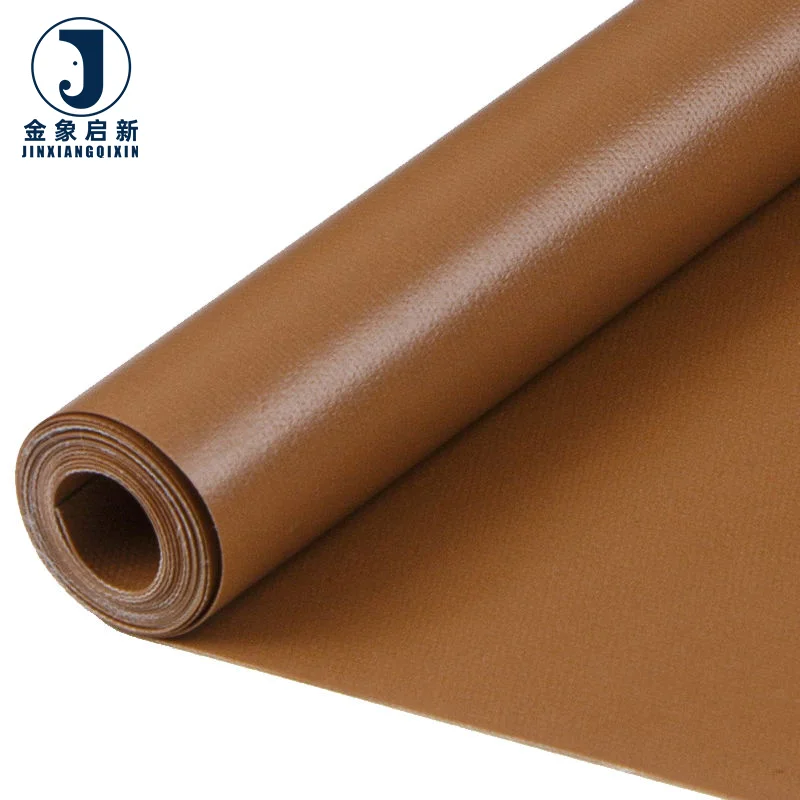
Description
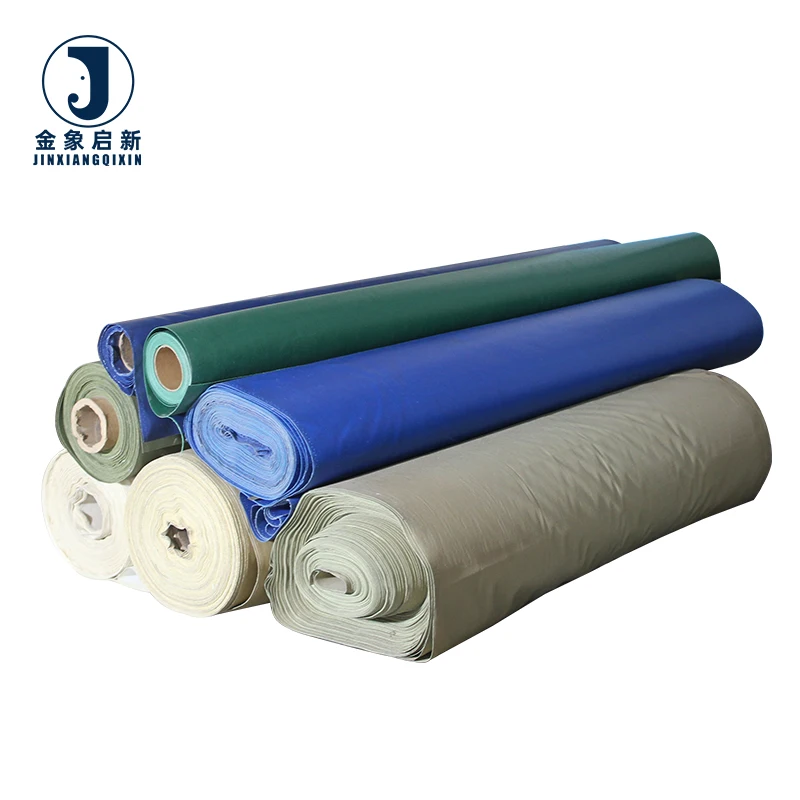
Verified Bulk Roll Consistency — Each roll of PE tarpaulin is weighed and measured individually before loading, ensuring the 50–220 gr/m² range you order matches the material you receive at the port of destination.
Technical Specifications
| Parameter | Value |
|---|---|
| Product Type | PE Tarpaulin Roll |
| Material | HDPE weaving with LDPE lamination on both sides |
| Weight Range | 50 gr/m² to 220 gr/m² (confirm specific grade required) |
| Total Thickness | 0.2 mm to 0.4 mm / 8 mil to 16 mil |
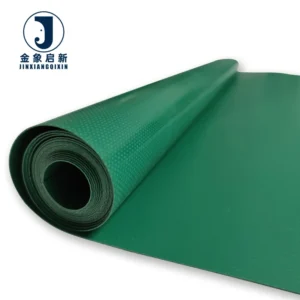
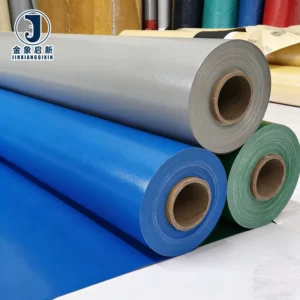
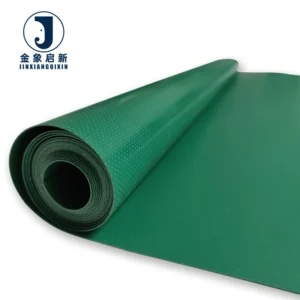
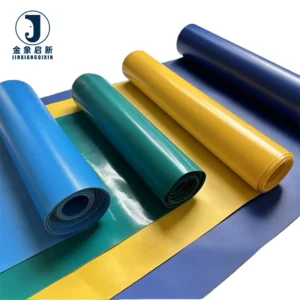
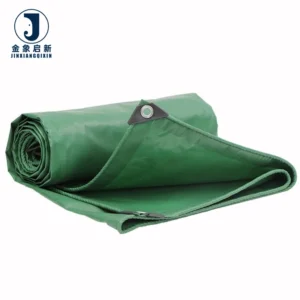
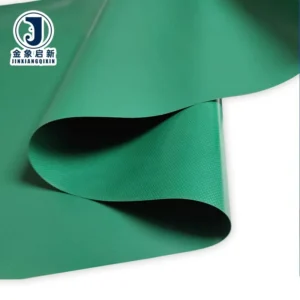
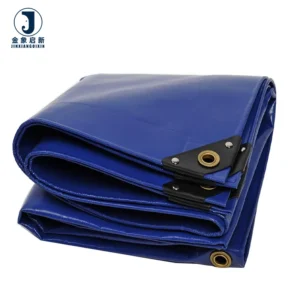
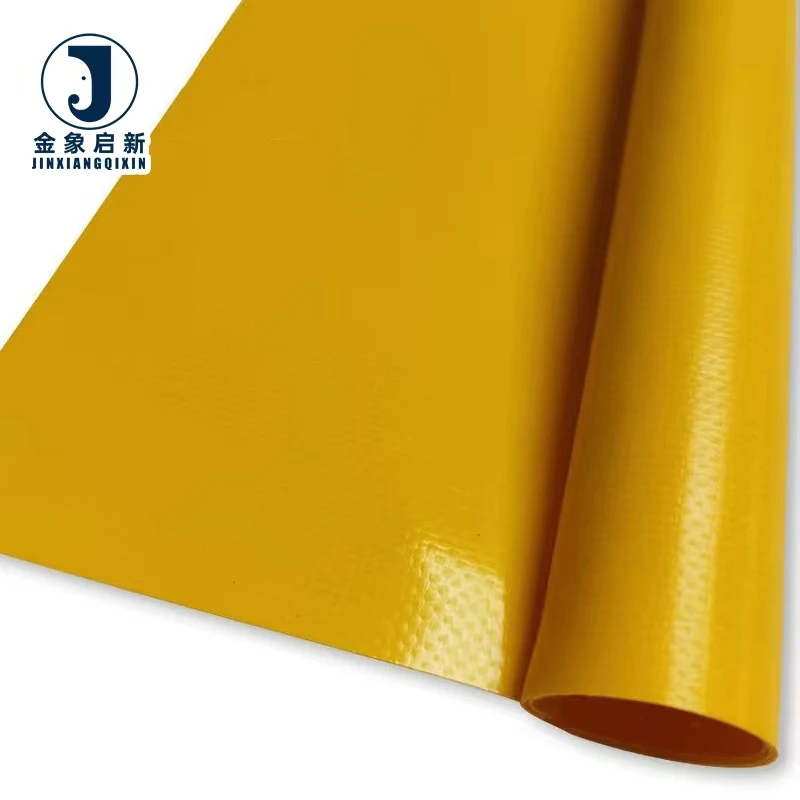
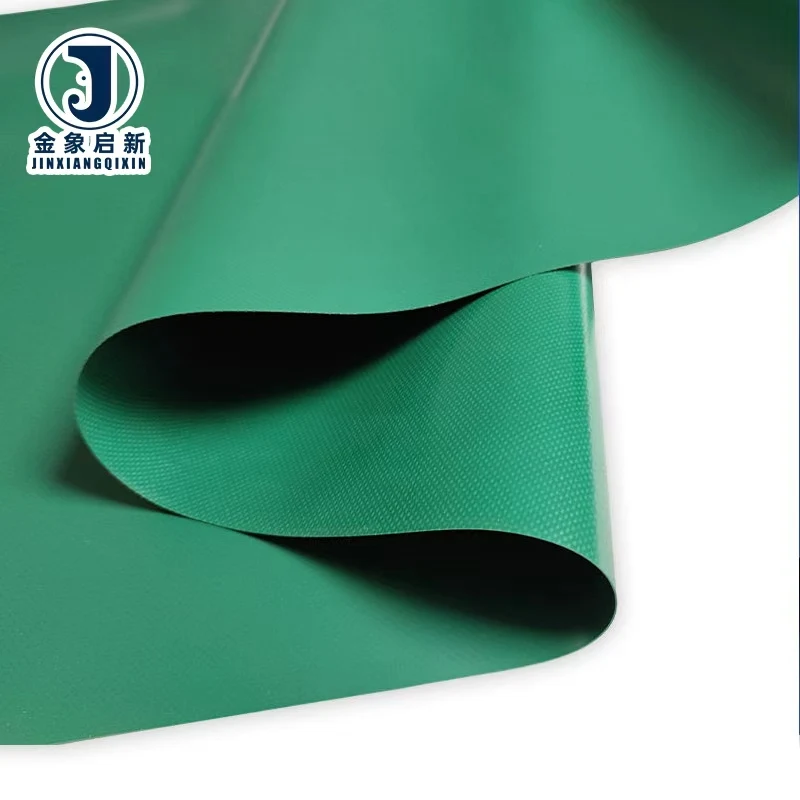
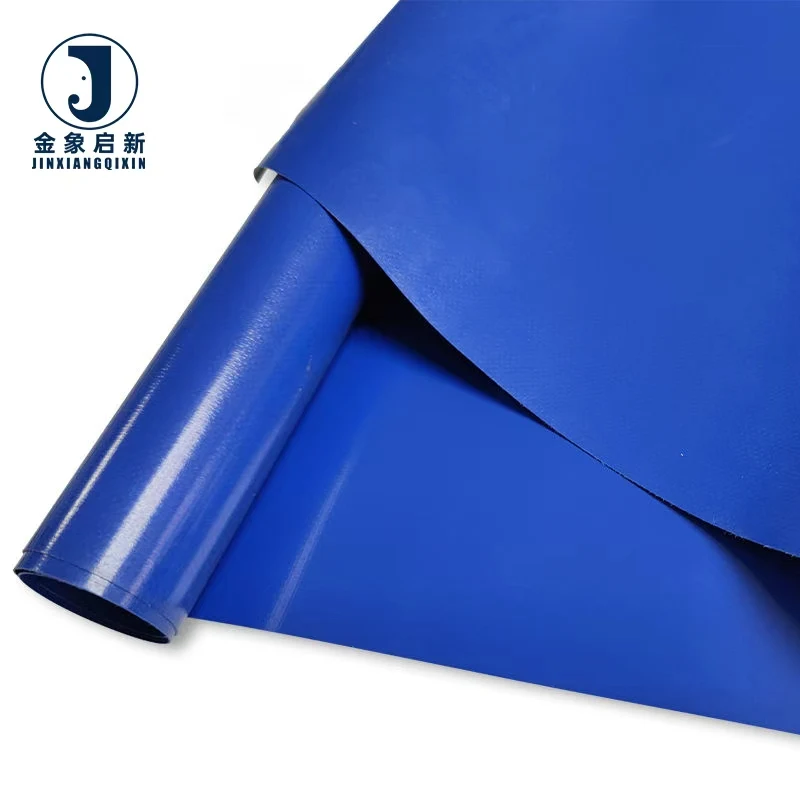
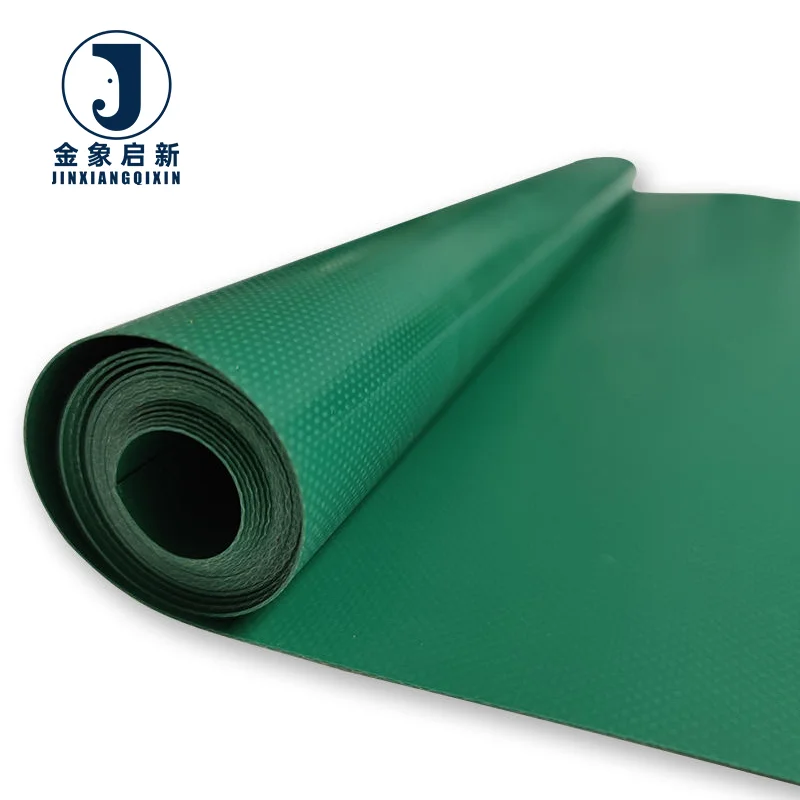
| Color Options | Blue, Blue/Orange, Green, Grey, Black, Clear, Grey/Green, Orange, or custom |
| Waterproof | Yes |
| Mildew Resistance | Yes |
| Anti-aging | Yes |
| UV Treatment | Available (confirm test basis for your market) |
| Printing Option | Custom branding available |
| Certification | ISO, CE |
Application Suitability
| Application | Exposure & Requirement |
|---|---|
| Tarpaulin distribution and resale | Broad SKU range in colors and weights, batch-to-batch colour consistency for retail or trade counter display |
| Agricultural and aquaculture pond lining | Permanent water contact, soil chemistry exposure, puncture resistance during installation |
| Tent and awning cut-and-sew production | Roll-to-roll flatness, consistent thickness for automated cutting, UV stability for outdoor structures |
| General cargo and storage covering | Abrasion from tie-down straps, weather exposure during transit or outdoor stacking |
| Construction site temporary enclosure | Wind load, dust containment, repeated handling and repositioning |
Why Colour Drift Across Rolls Costs More Than the Fabric Itself
Batch colour matching is a production discipline, not a sorting exercise.
When rolls in the same container arrive with visible shade differences, the loss extends far beyond the material cost. Panels already cut and sewn cannot be re-matched, installers on-site face client complaints, and entire shipments may be rejected by distributors who cannot sell mismatched inventory side by side. [NEED_CITE: colour measurement tolerances for coated fabrics per industry standards]. For wholesale PE tarpaulin roll buyers, the risk is amplified because the end customer — whether a market stall operator or a construction contractor — sees the installed result, not the sample swatch.
Stocking a Breadth of Grades Without Sacrificing Uniformity
Distributors importing PE tarpaulin roll wholesale need to offer customers a range of weights and colors from a single container load. The challenge is maintaining the same production batch across that range so that a blue 90 gr/m² roll and a blue 140 gr/m² roll share identical pigment sourcing and lamination temperature profiles. This requires scheduling production runs so that colour-matched orders are coated in sequence, reducing the variation that occurs when LDPE lamination is compounded at different times.
Container-Ready Packing That Survives Ocean Freight
Roll stock travels thousands of kilometers in containers subject to humidity swings and stacking pressure. Rolls packed loosely or without end-cap protection arrive with crushed cores, edge damage, or moisture ingress at the outer wrap. PE tarpaulin rolls in this range are wound on reinforced cores and wrapped to prevent telescoping during handling, with container loading plans calculated by roll count and gross weight to maximize utilization while preventing crush damage at the bottom of the stack. [NEED_CITE: container loading best practices for flexible roll goods].
How GSM, Lamination, and Weave Interact in PE Tarpaulin
The weight of a PE tarpaulin, expressed in grams per square metre, is a combined result of the HDPE woven base fabric density and the LDPE lamination applied to both sides. A higher GSM does not automatically mean higher tear strength if the additional weight comes from thicker lamination rather than a denser weave. The base fabric’s warp and weft yarn count determines how well the material resists tearing once punctured, while the LDPE lamination provides waterproofing and surface durability. Thickness readings between 0.2 mm and 0.4 mm reflect this balance — a 220 gr/m² grade at 0.4 mm will have substantially different handling characteristics than a 50 gr/m² grade at 0.2 mm, not just in weight but in flexibility and fold memory.
The Hidden Cost of Unverified GSM on Arrival
Importers who accept rolls without verifying actual GSM against the quoted specification often discover the shortfall only after the material has been distributed to downstream customers. A roll quoted at 140 gr/m² that arrives at 120 gr/m² is thinner, lighter, and less durable than the end user expects — leading to premature failure, warranty claims, and lost distribution relationships. [NEED_CITE: pre-shipment inspection protocols for coated fabric rolls]. This is not a quality defect visible at the loading dock; it requires systematic weighing and recording of every roll before it enters the container.
Production Controls Built Around Roll-Stock Buyers
Three full production lines and 36 sets of professional equipment allow scheduling flexibility that keeps standard grades in regular production cycles, reducing the wait for container-quantity orders. A 10-person R&D team handles custom color matching and sample development, producing approval samples within days so that bulk production can follow without extended delays. Dedicated QA/QC checkpoints at each production stage — from HDPE weaving through LDPE lamination — catch thickness variation and color drift before rolls reach the packing area. Every roll undergoes inspection before shipment, with results documented rather than sampled. ISO and CE certification frameworks provide the audit structure; the daily discipline is what keeps wholesale PE tarpaulin roll orders consistent across repeat shipments.
Documentation & Verification
- Material specification sheet stating HDPE base, LDPE lamination, color reference, and UV treatment status
- Pre-shipment inspection record with measured GSM and thickness per roll
- Roll packing list showing net weight, roll count, and container loading sequence
- Certificate of origin and customs documentation prepared for destination-country clearance
- UV or anti-aging test reports supplied where applicable to the ordered grade
Fabrication, Handling & Storage
- Cut with standard industrial shears or automated plotters; LDPE lamination on both sides prevents edge fraying during handling.
- Heat-sealable at seams using hot-air or impulse welders; test weld parameters on a scrap piece of the same GSM grade first.
- Store rolls upright on cores in a dry warehouse to prevent flat spots and edge compression that distort the weave.
- Avoid dragging rolls across abrasive surfaces; the LDPE surface can scuff even though the HDPE base remains intact.
- For custom-printed rolls, allow ink to fully cure before rewinding to prevent transfer or blocking between layers.
- When unrolling in cold conditions, allow the PE tarpaulin to acclimate to ambient temperature before tensioning or folding.
What to Include in Your PE Tarpaulin Roll Inquiry
Specify the target GSM, preferred colors, and whether you require standard widths or custom sizing. If your market demands UV or anti-aging treatment, state the test standard your end users expect so the correct grade is produced. Confirm whether you need rolls only or finished panels with eyelets and hemming. For PE tarpaulin roll wholesale orders, provide your annual volume estimate and preferred container loading quantity to receive accurate lead-time and packing plans. Request a pre-production sample if color matching to an existing brand palette is required.
Frequently Asked Questions
Q: How is GSM verified on each roll before shipment?
A: Every roll is cut to a standard sample area, weighed on calibrated scales, and recorded on the pre-shipment inspection sheet. The measured GSM is compared against the quoted specification, and any roll falling outside the agreed tolerance is flagged before container loading. The inspection record travels with your shipping documentation.
Q: How do you control color consistency across rolls in the same container?
A: Rolls destined for the same shipment are scheduled in a single production run using the same LDPE pigment batch. Color is checked against the approved reference at the lamination stage and again at winding. Rolls from different production dates are not mixed within a single order without prior buyer approval.
Q: What roll widths and lengths are stocked versus made to order?
A: Standard widths in common colors and mid-range GSM grades are produced on regular cycles for faster dispatch. Custom widths, specialty colors, or non-standard GSM grades outside the 50–220 gr/m² range require a production run with confirmed minimums. Contact us with your specific width and length requirements for availability.
Q: What is the MOQ for custom color or custom GSM?
A: Minimum order quantities for custom colors depend on the pigment formulation and the roll width ordered. Standard colors in the available palette carry lower minimums because they align with regular production schedules. For a custom GSM outside the 50–220 gr/m² range, a sample development step is required before bulk commitment.
Q: How are rolls packed to prevent damage during ocean freight?
A: Each PE tarpaulin roll is wound on a reinforced core, wrapped in protective outer film, and fitted with end caps to prevent telescoping. The container loading plan accounts for roll diameter, weight distribution, and stacking limits to avoid crush damage. Packing is documented on the roll packing list included with your shipment.