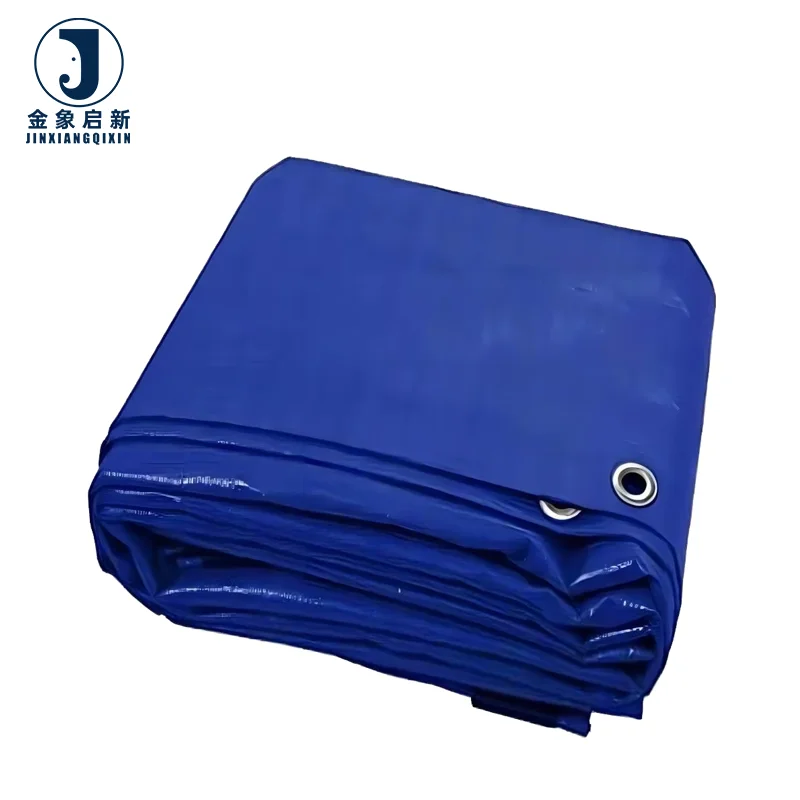
Description
Roll-to-Roll Consistency — Every PE tarpaulin roll undergoes in-process QA and 100% pre-shipment weight verification so the GSM on the spec sheet matches the roll you receive.
Technical Specifications
| Parameter | Value |
|---|---|
| Product Type | PVC Tarpaulin Roll |
| Coating Material | HDPE weaving with LDPE lamination on both sides |
| Weight Range | 50 g/m² ~ 220 g/m² (confirm specific grade for your application) |
| Thickness | 0.2–0.4 mm / 8–16 mil (varies by grade selected) |
| Mesh Count Options | 6×6, 6×7, 7×7, 7×8, 8×8, 9×9, 8×10, 10×10, 12×12, 14×14, 14×16 |
| Roll Width Options | 6 ft, 8 ft, 10 ft, 12 ft / 2 m, 4 m, 6 m |
| Roll Length | 100 yards, 100 meters, or custom length |
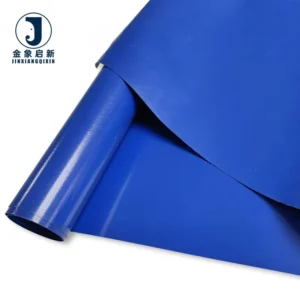
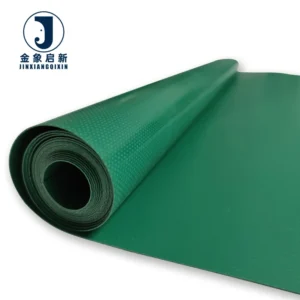
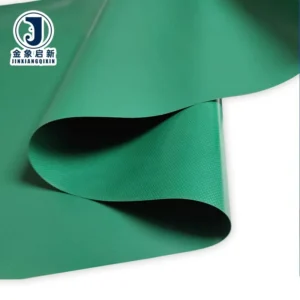
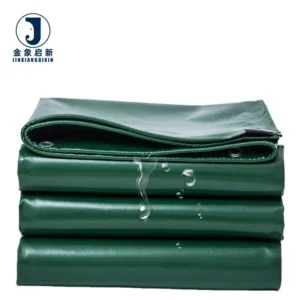
| Colour Options | Blue, Blue/Orange, Green, Grey, Black, Clear, Grey/Green, Orange, or custom |
| UV Treatment | Available (test basis not stated — request report for your market) |
| Waterproof | Yes |
| Anti-Mildew | Yes |
| Anti-Static | Available (surface resistance standard not stated — confirm requirement) |
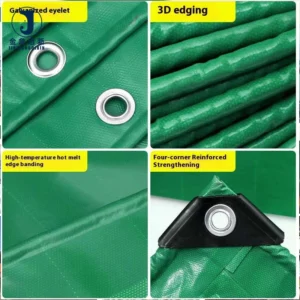
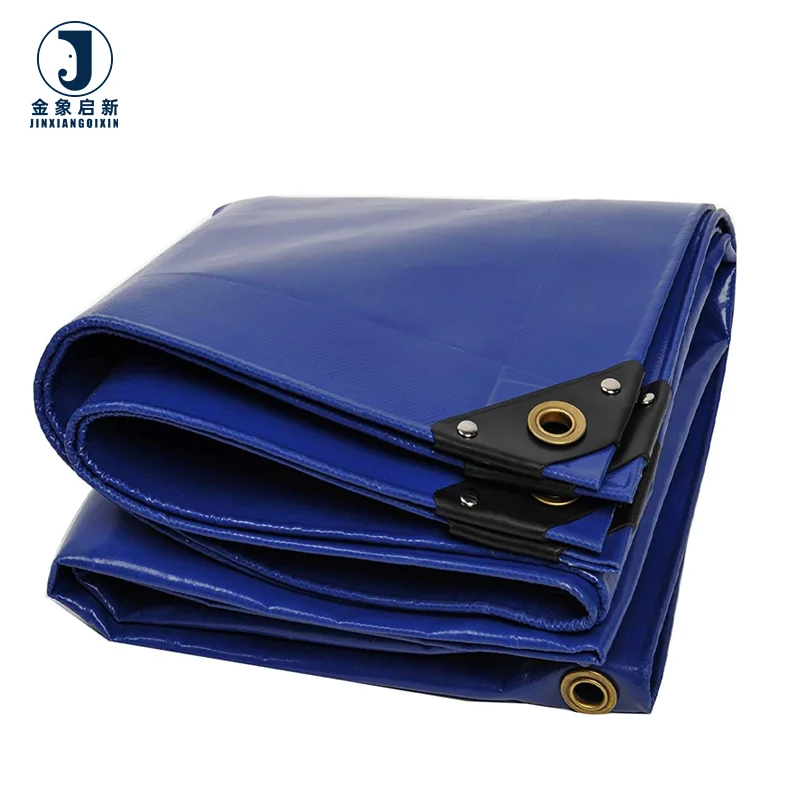
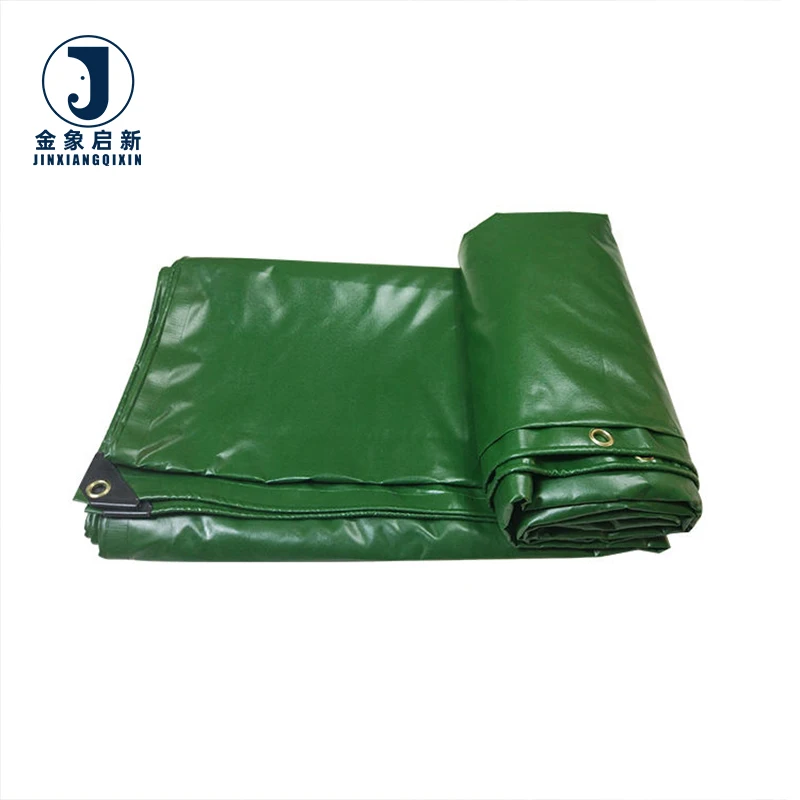
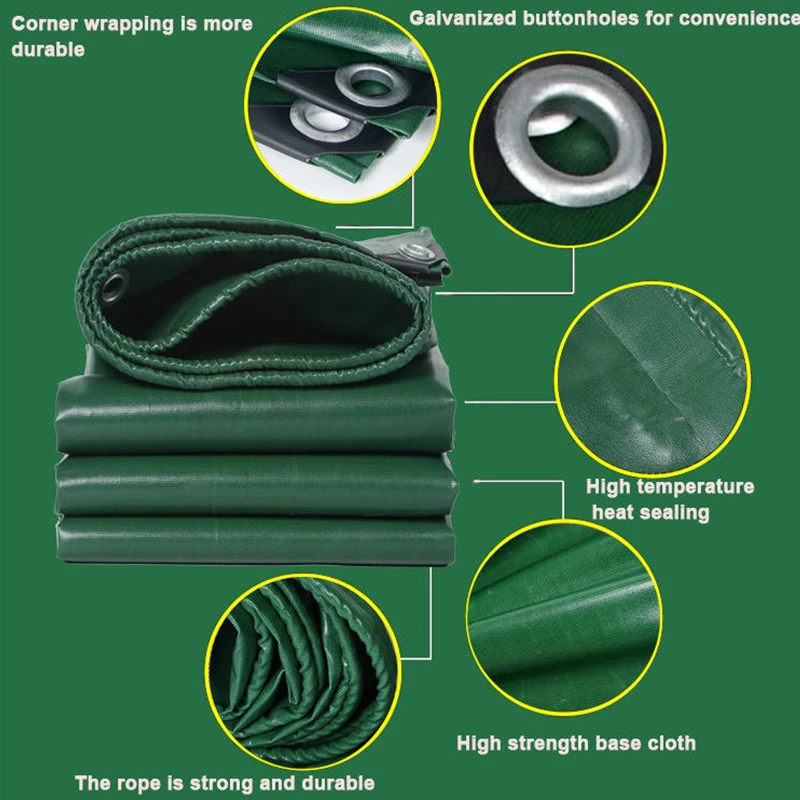
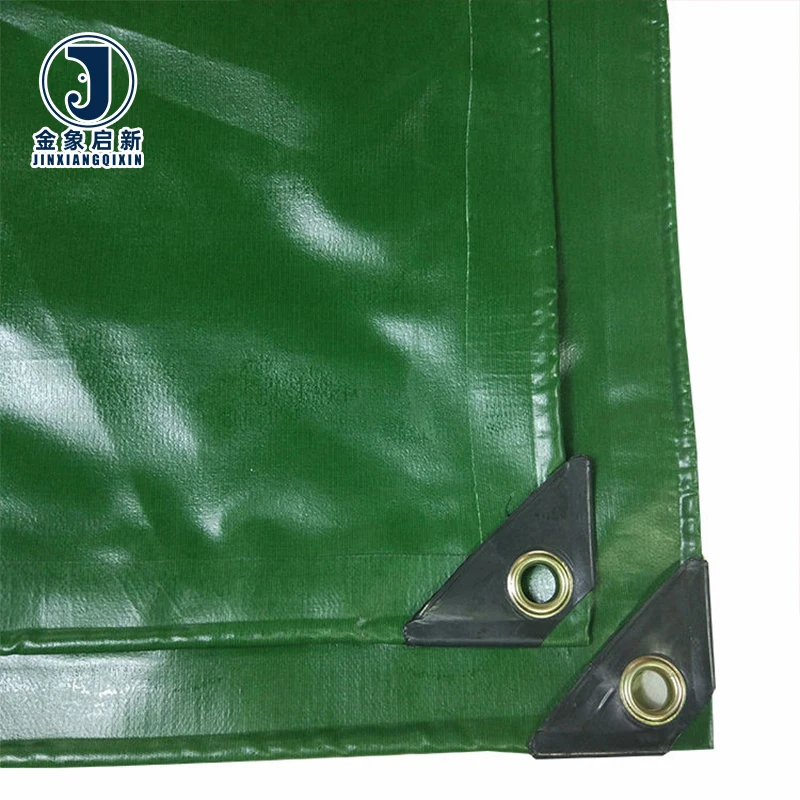
| Edge & Hem Finish | Four edges reinforced with PP rope; galvanized eyelets every 3 ft or 1 m; reinforced plastic corners |
| Standards | ISO, CE |
Application Suitability
| Application | Exposure & Requirement |
|---|---|
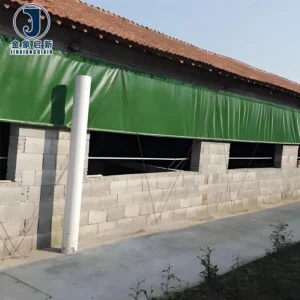
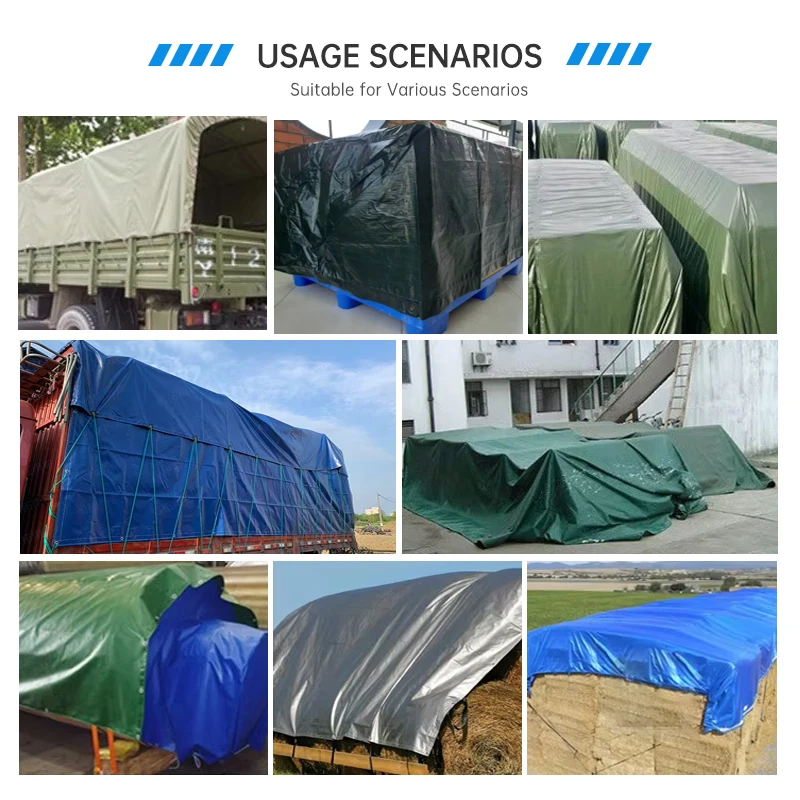
| Poultry curtain systems | Daily mechanical rolling, moisture, ammonia, UV through open-sided housing |
| Hay and crop covers | Rain pooling, ground moisture, UV bleaching, wind uplift at edges |
| Timber and lumber wraps | Sap and resin contact, stacking abrasion, long outdoor yard storage |
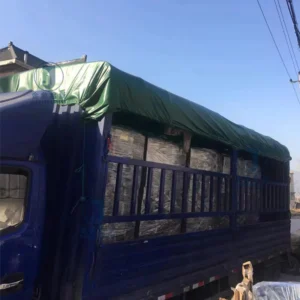
| Truck and container side covers | Road vibration, flexing at tie-down points, highway debris impact |
| Construction scaffolding wraps | Scaffolding tube abrasion, wind load, site dust and chemical splash |
Why GSM Alone Does Not Tell You How Strong a PE Tarpaulin Roll Is
Weave density and lamination adhesion matter as much as weight per square metre.
A PE tarpaulin roll quoted at 150 g/m² can underperform a 130 g/m² roll if the base fabric uses a looser weave and the LDPE lamination bond is weak. [NEED_CITE: tensile and tear test methods for coated fabrics per ISO 1421] Distributors and importers loading full containers often discover weight discrepancies only after customs clearance, when cutting into rolls reveals material lighter than agreed. Batch-to-batch verification at the production stage — not just at final inspection — is what separates consistent wholesale stock from costly rework. When sourcing a PE Tarpaulin Roll wholesale, the specification sheet must state base fabric mesh count alongside GSM so both weight and structure are traceable.
Weave Density Matrix and Grade Selection
The eleven mesh count options from 6×6 to 14×16 create a spectrum that serves different buyer profiles. Lower-density weaves such as 6×6 or 7×7 suit light-duty agricultural covers where cost-per-square-metre drives purchase decisions, while 10×10 and above provide the base fabric structure needed for truck covers and construction wraps that face mechanical stress. Wholesale distributors stocking multiple grades benefit from ordering across the matrix so regional customers can source light-duty and heavy-duty PE tarpaulin roll stock from one shipment. Each weave density pairs with a specific GSM band — requesting the grade-to-weight chart avoids guessing which combination suits your market’s dominant applications.
Roll Packing and Container Load Planning
Rolls ship on hard paper tube cores wrapped in the same tarpaulin material, a packing method designed to protect inner layers from compression damage and moisture ingress during ocean freight. [NEED_CITE: container loading best practices for coated fabric rolls] A 20-foot container accommodates approximately 17 tons by roll, 12 tons by bale, or 9 tons by carton. The 40-foot high-cube raises bale capacity to 28 tons and carton capacity to 20 tons. Publishing container load data by packing method lets wholesale buyers calculate landed cost per tonne accurately before placing the order. Choosing between roll, bale, and carton packing depends on whether the receiving warehouse processes stock by roll or re-bales for regional distribution.
How Base Fabric, Lamination and Edge Finish Work Together
The HDPE woven base fabric provides tensile strength in both warp and weft directions, while LDPE lamination on both sides seals the weave against water penetration and adds abrasion resistance to the surface. Higher mesh counts increase the number of yarn intersections per square inch, distributing point loads across more fibres and slowing tear propagation. The PP rope reinforced hem and galvanized eyelets at regular intervals transfer tie-down tension into the body of the fabric rather than concentrating it at isolated grommet points — a critical detail for truck covers and scaffolding wraps where wind uplift is constant. Selecting the correct eyelet spacing for the expected load cycle prevents edge tearing before the main fabric body reaches its service limit.
The Hidden Cost of Ordering by Weight Without Verifying Structure
A roll that meets the quoted GSM but uses a heavier coating over a lighter base fabric will show acceptable weight on the scale yet fail prematurely at flex points. [NEED_CITE: coating-to-substrate adhesion failure modes in laminated fabrics] In poultry curtain applications where the material rolls and unrolls daily, poor lamination adhesion causes the LDPE layer to delaminate from the HDPE base, exposing the weave to moisture and ammonia. For wholesale buyers, a single underperforming roll in a container-load order damages credibility with downstream customers. Requesting a material specification sheet that separates base fabric weight from coating weight makes it possible to verify that structural strength — not just surface mass — matches the intended application.
Why Wholesale Buyers Source PE Tarpaulin Roll Stock Here
Three full production lines and 36 sets of professional equipment support volume orders with consistent output across the GSM and weave density range. A 10-person R&D team develops custom width, colour, and roll length samples within days, reducing the lead time between enquiry and container loading. Dedicated QA and QC inspection at every production stage — from extrusion through weaving to lamination and final rolling — means each roll is verified before it enters the packing area. Nearly 30 years of focused coated fabric production experience translates into process control that keeps batch-to-batch colour and weight variation within tolerances wholesale distributors require. Pre-shipment inspection records accompany every order, giving importers documented proof of what was loaded into the container.
Documentation & Verification
- Material spec sheet stating GSM, mesh count, and lamination type for every roll grade ordered
- Pre-shipment inspection record with roll-by-roll weight check before container loading
- Roll packing list detailing roll count, net weight, and CBM for customs clearance
- UV and anti-static test reports supplied where applicable to the grade selected
- Certificate of origin and full customs documentation for cross-border wholesale shipments
Fabrication, Handling & Storage
- Heat-seal LDPE-laminated rolls at manufacturer-recommended temperature to avoid delamination at seams
- Cut rolls on flat surfaces to prevent edge distortion across the 2 m to 6 m width range
- Store rolls upright on cores to prevent flat-spot creasing on the outer lamination layers
- Keep rolls wrapped in protective sheeting until installation to shield LDPE surfaces from dust
- Space galvanized eyelets at intervals matching expected wind load for curtain and cover applications
- Use compatible LDPE repair tape for field patches to maintain waterproof continuity
What to Include in Your Enquiry
Provide the target application and exposure conditions so the correct mesh count and GSM grade can be recommended from the available range. Specify required roll width, roll length, and colour, along with estimated annual volume to confirm container-load pricing tiers. If your market requires UV or anti-static certification, state the test standard your customers expect so the appropriate grade and documentation can be prepared before sampling.
Frequently Asked Questions
Q: How is GSM verified on each roll before shipment?
A: Every roll passes through in-process QA during production and a final 100% pre-shipment inspection where weight is measured against the stated specification. The inspection record ships with the order, giving wholesale buyers documented verification that the GSM on the quotation matches the material received in the container.
Q: What is the colour consistency guarantee across rolls in one order?
A: Rolls within a single production run are manufactured from the same LDPE compound batch, minimising shade variation. A reference sample can be produced before full production begins, and pre-shipment inspection includes a visual colour check across rolls so any inconsistency is caught before container loading.
Q: Which weave density and GSM grade is right for my application?
A: Light-duty covers for hay or temporary site use typically suit lower mesh counts in the 6×6 to 8×8 range with corresponding lighter GSM. Truck covers, poultry curtains, and construction wraps that face flexing or abrasion benefit from 10×10 and above. Share your application and the grade recommendation follows.
Q: How are rolls packed and loaded to maximise container utilisation?
A: Rolls are packed on hard paper tube cores and wrapped in the same tarpaulin sheet for protection. A 20-foot container holds approximately 17 tons by roll, 12 tons by bale, or 9 tons by carton, while a 40-foot high-cube increases bale and carton tonnage. The packing method chosen affects total weight per shipment.
Q: What are the minimum order quantities for custom width, colour, or roll length?
A: Custom specifications are feasible with minimums that vary by the grade, colour, and width selected. The R&D team develops samples within days to confirm feasibility before committing to full production. Provide your target width, colour reference, and roll length to receive a quotation with the applicable minimum and lead time.