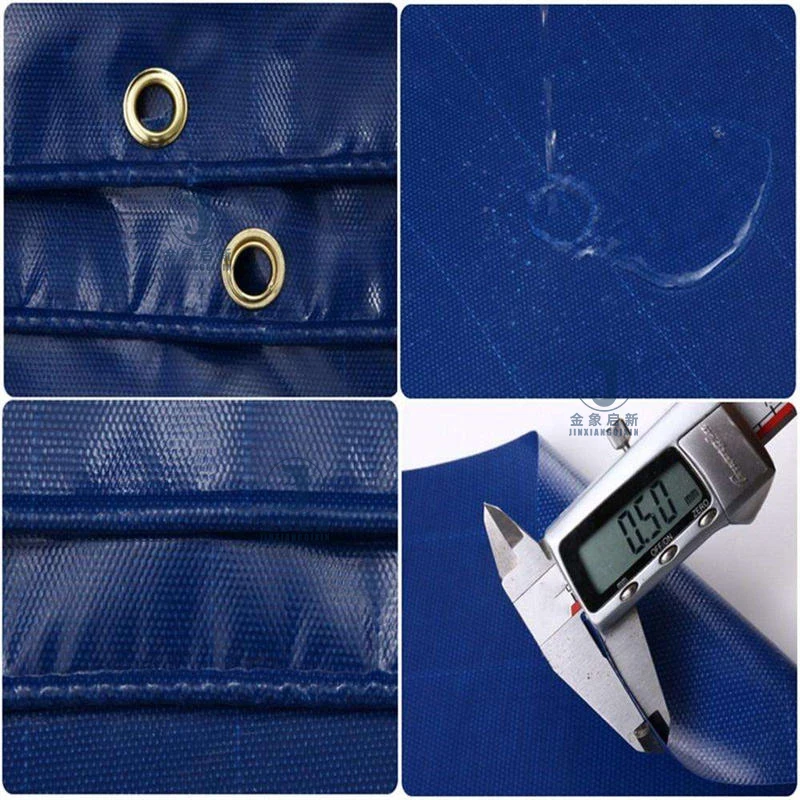
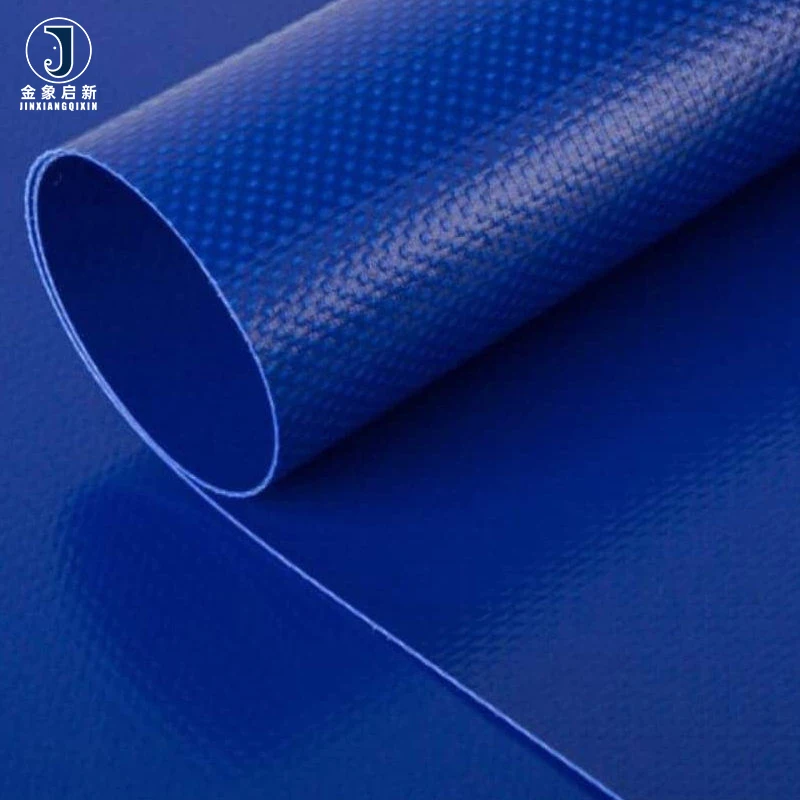
Description
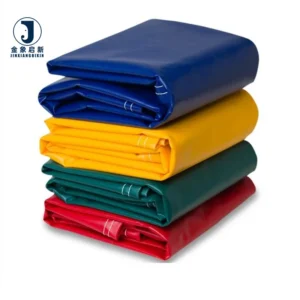
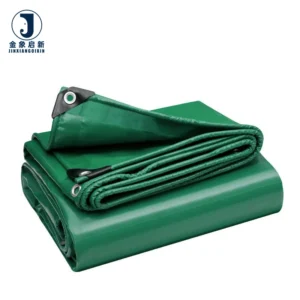
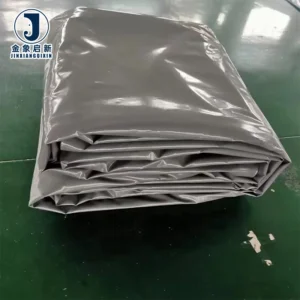
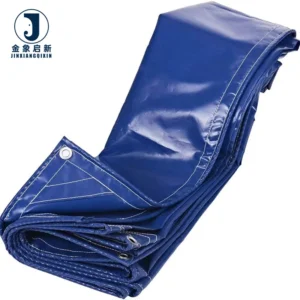
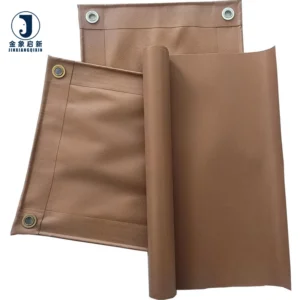
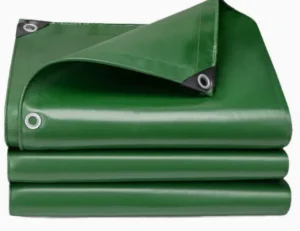
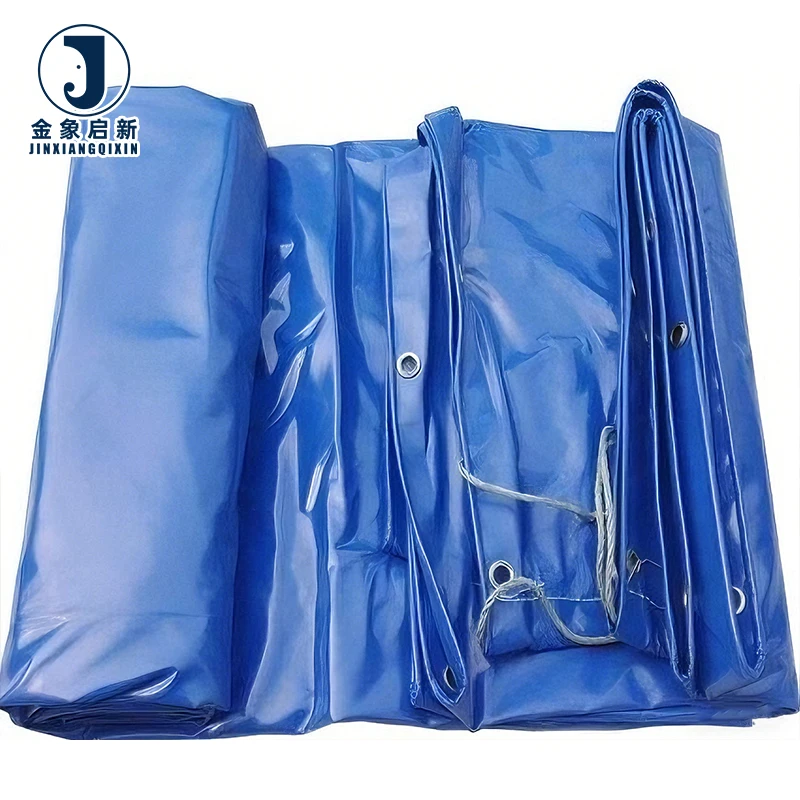
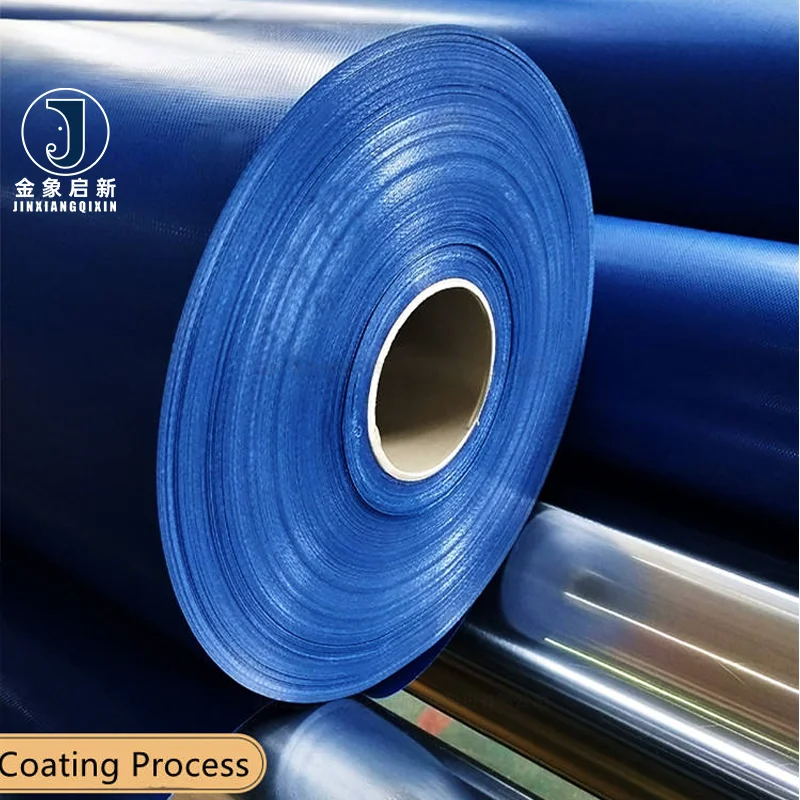
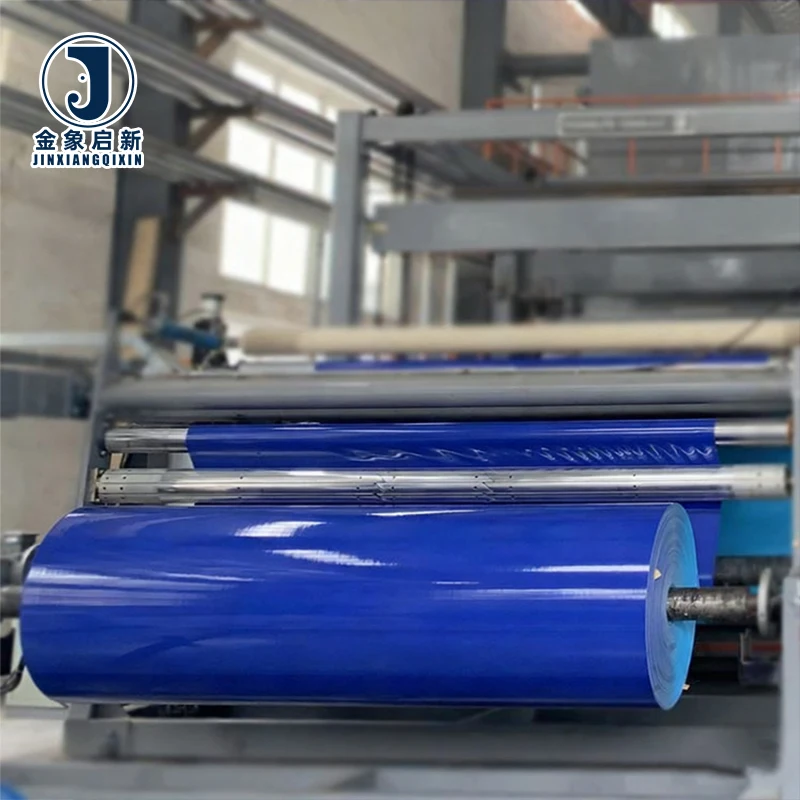
Roll-to-roll consistency — every PVC coated tarpaulin roll leaves our facility with a pre-shipment weight verification record, backed by process control built over three dedicated production lines and 36 sets of coating equipment.
Technical Specifications
| Parameter | Value |
|---|---|
| Product Type | PVC Coated Tarpaulin |
| Weight Range | 250 GSM – 1500 GSM (confirm the grade for your application) |
| Base Fabric Denier | 200D×300D, 500D×500D, 840D×840D, 1000D×1000D |
| Surface Finish | Glossy or matte |
| UV Treatment | Customized (test basis not stated — request report for your market) |
| Flame Retardant | FR treated (grade not stated — confirm the grade required for your market) |
| Anti-Fungal | Anti-fungal treated |
| Temperature Range | -15 °C to 70 °C |
| Waterproof | Yes |
| Standards | ISO, CE (certificate numbers supplied with shipment) |
Application Suitability
| Application | Exposure & Requirement |
|---|---|
| Tarpaulin distributor stock | High-volume container loading, batch-to-batch color and GSM uniformity across rolls |
| Tent and awning fabrication | Roll-fed cutting and welding, consistent surface finish for clean seams |
| Inflatable structure manufacturing | Air-holding membrane integrity, flexible yet dimensionally stable base fabric |
| Truck and trailer side curtains | Continuous road vibration, flex fatigue at mounting points, weather exposure |
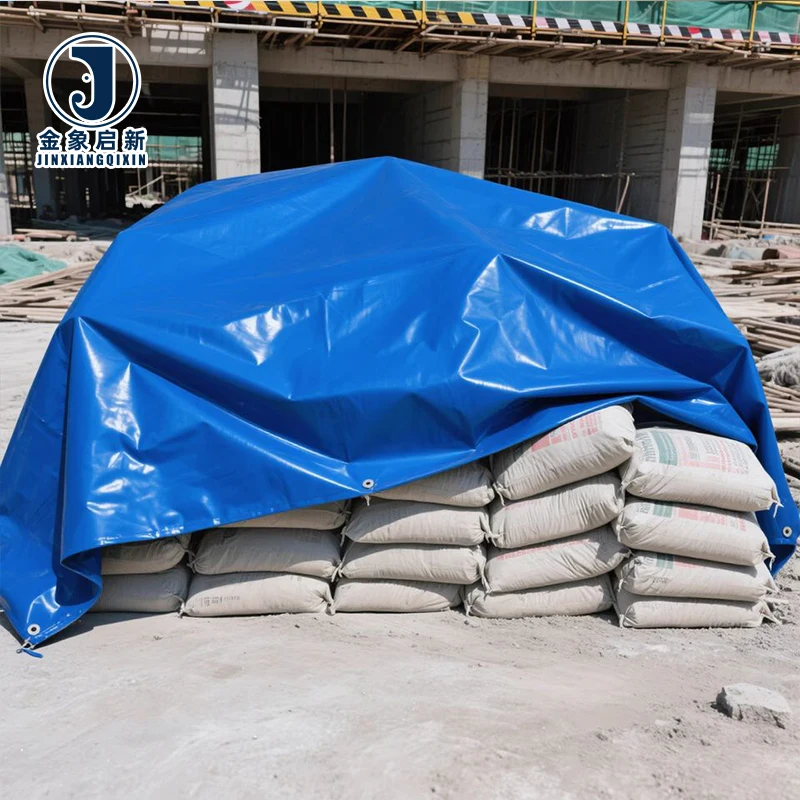
| Construction site equipment covers | Abrasion from handling, UV exposure during long-term outdoor storage |
Why Quoted GSM Does Not Guarantee the Roll You Receive
Weight verification must happen per roll, not per batch average.
Buyers ordering PVC coated tarpaulin roll stock frequently face a gap between the GSM printed on the quotation and the weight measured on arrival. A lighter coating saves production cost but shifts the burden to the end user — the fabric arrives below the tensile and tear thresholds the application demands [NEED_CITE: tensile and tear test methods for coated fabrics per ISO 1421]. When the coating weight drops, weld seams become the first failure point under load flex. We weigh and record every roll individually before dispatch so the inspection report matches the purchase order.
Denier Range Covers Light-Duty Through Heavy-Duty Grades
Our PVC coated tarpaulin fabric is built on woven polyester base fabrics spanning 200D×300D for lighter covering and packaging applications up to 1000D×1000D for high-stress industrial use. The denier selection determines how the fabric behaves under tension during fabrication and in service. Distributors stocking multiple grades from one source reduce lead-time complexity and consolidate container shipments.
Batch Consistency Across Multi-Roll Orders
Color drift between rolls in the same shipment is a common complaint when buyers install tarpaulin panels side by side. Our coating lines run controlled formulations per batch reference code, and each roll carries that code on its label for traceability [NEED_CITE: color fastness evaluation methods for PVC coated textiles]. When your order requires ten or fifty rolls of the same color and finish, the packing list links every roll to a single production batch so installed panels match visually.
Reading GSM and Denier Together, Not in Isolation
A 650 GSM roll on a 500D×500D base will handle differently than a 650 GSM roll on a 1000D×1000D base — the coating-to-fabric ratio changes peel strength, flexibility, and tear propagation behavior. Higher denier yarns resist tear extension once a cut initiates, while heavier coating adds puncture resistance and surface durability. The glossy or matte finish selection further influences how the surface responds to cleaning, printing adhesion, and long-term weathering. Temperature operating range of -15 °C to 70 °C applies across grades, but low-temperature flex performance improves when the coating formulation and plasticizer ratio are matched to the intended climate. Understanding these relationships helps buyers specify the correct roll grade rather than defaulting to GSM alone.
What Happens When Roll Specification Is Wrong
Ordering a lighter base fabric denier than the application requires leads to tear propagation at stress points — truck curtain hems, tent ridge lines, or awning frame attachment zones. Specifying a flame retardant treatment without confirming the grade against local building codes results in failed site inspections and material rejection after installation [NEED_CITE: fire classification standards for flexible membrane structures]. Inconsistent GSM across a container load forces fabricators to adjust weld parameters roll by roll, slowing production and increasing scrap. Color variation between rolls means panels must be sorted and matched before fabrication, adding labor that was never budgeted.
Why Buyers Source Roll Stock From This Facility
Three full coating lines and 36 sets of professional equipment support simultaneous production of multiple GSM grades without cross-contamination between runs. A 10-person R&D team handles custom width slitting, color matching, and sample development within days rather than weeks. Every roll undergoes individual inspection — not sampling — before packing, with weight and visual records attached to the shipment documentation [NEED_CITE: pre-shipment inspection protocols for coated fabric exports]. Custom width and length orders carry reasonable minimums that suit distributors restocking specific grades rather than committing to full-line inventories. ISO and CE documentation ships with every container, reducing customs delays at destination.
Documentation & Verification
- Material specification sheet stating exact GSM, denier, and coating type per roll
- Roll packing list with batch reference code for container-load traceability
- Pre-shipment inspection record confirming weight and color per individual roll
- UV and flame retardant test reports supplied where grade is confirmed at order
- ISO and CE certificates included with every dispatch for customs compliance
- Certificate of origin and customs documentation support for destination country
Fabrication, Handling & Storage
- Hot-air weld temperature must match the coating weight — heavier GSM rolls require adjusted heat and dwell time
- Store rolls upright on pallets to prevent flat-spot deformation on the coating surface
- Unroll and allow fabric to acclimate before cutting in temperatures near -15 °C
- Matte finish rolls accept solvent-based ink printing more readily than glossy surfaces
- Avoid stacking rolls beyond three-high in warehouse to protect lower-roll surface finish
- Cut panels from roll edge inward to maintain consistent selvage alignment during fabrication
What to Include in Your Roll Stock Inquiry
Provide the target GSM grade, base fabric denier preference, and whether the end use demands flame retardant or UV treatment with a specific certification for your market. Confirm required roll width, color reference, and estimated annual volume so we can align production scheduling. Indicate whether you need rolls only or if cut-to-size conversion from roll stock is part of the scope.
Frequently Asked Questions
Q: How is GSM verified on each roll before shipment?
A: Every roll is weighed individually on calibrated scales after coating and cooling. The measured weight is recorded against the roll identification number on the packing list. A pre-shipment inspection report listing actual GSM per roll accompanies the container documentation, so buyers can cross-reference on arrival without relying on batch averages.
Q: What is the minimum order for custom color or custom width rolls?
A: Custom color and width orders carry minimums based on coating line setup requirements rather than arbitrary volume thresholds. Provide the target Pantone or RAL reference and required slit width so the production team can confirm the minimum roll count. Samples are developed within days for approval before full production runs.
Q: How is batch-to-batch color consistency maintained across multiple orders?
A: Each production run is assigned a batch reference code tied to the coating formulation record. Rolls within one container load are drawn from the same batch whenever possible. For repeat orders, the color reference from the original batch is retrieved to match subsequent production, minimizing visible variation when panels from different shipments are installed together.
Q: How are rolls packed and protected for ocean freight?
A: Rolls are packed in woven bags or cartons depending on grade and buyer preference. Each roll is individually wrapped to prevent coating-to-coating contact during transit. Packing lists detail roll count, individual weight, and batch code so container contents can be verified at destination without opening every package.
Q: Can I request a sample roll before placing a bulk order?
A: Sample rolls in the requested GSM, denier, color, and finish are prepared for evaluation before you commit to container quantities. The sample ships with the same specification sheet format used for production orders, so the approved sample becomes the quality benchmark for the bulk shipment that follows.