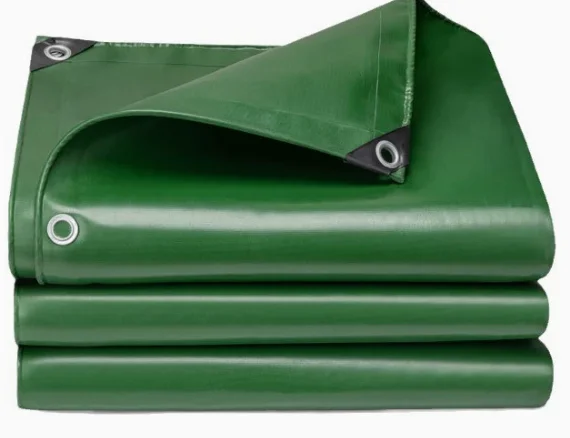
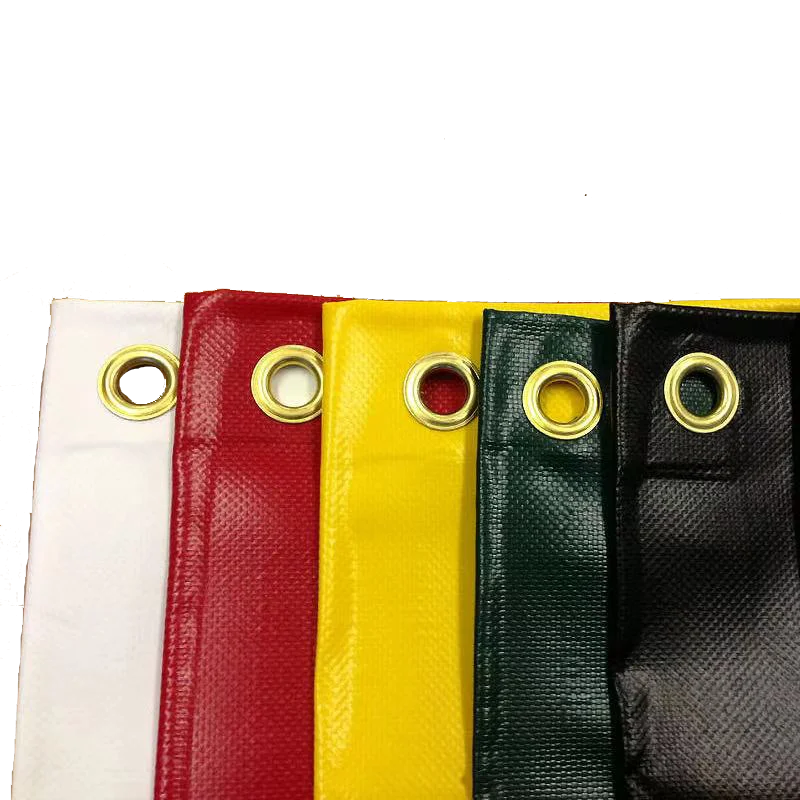
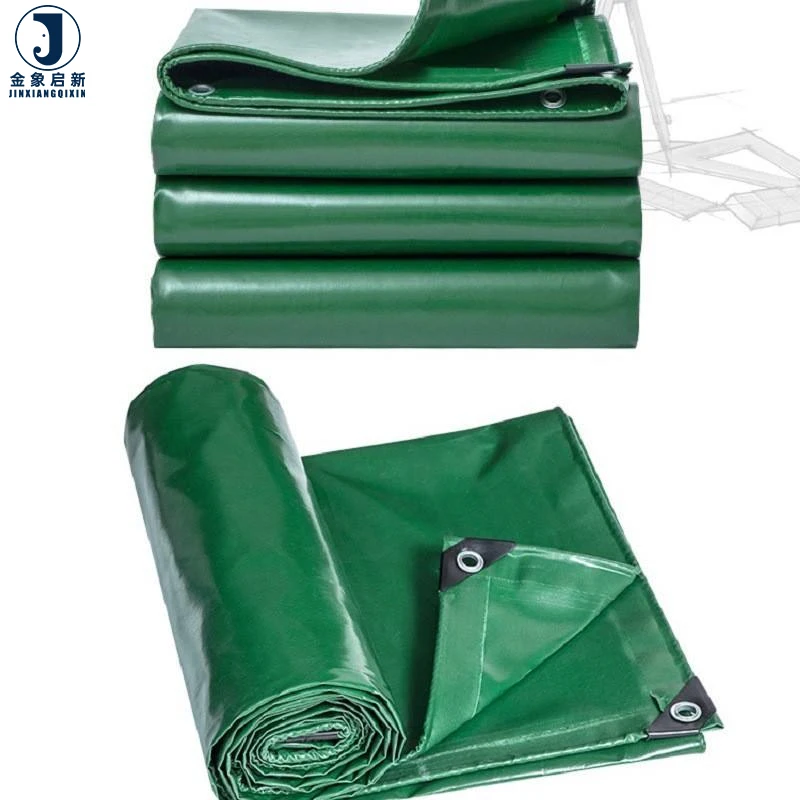
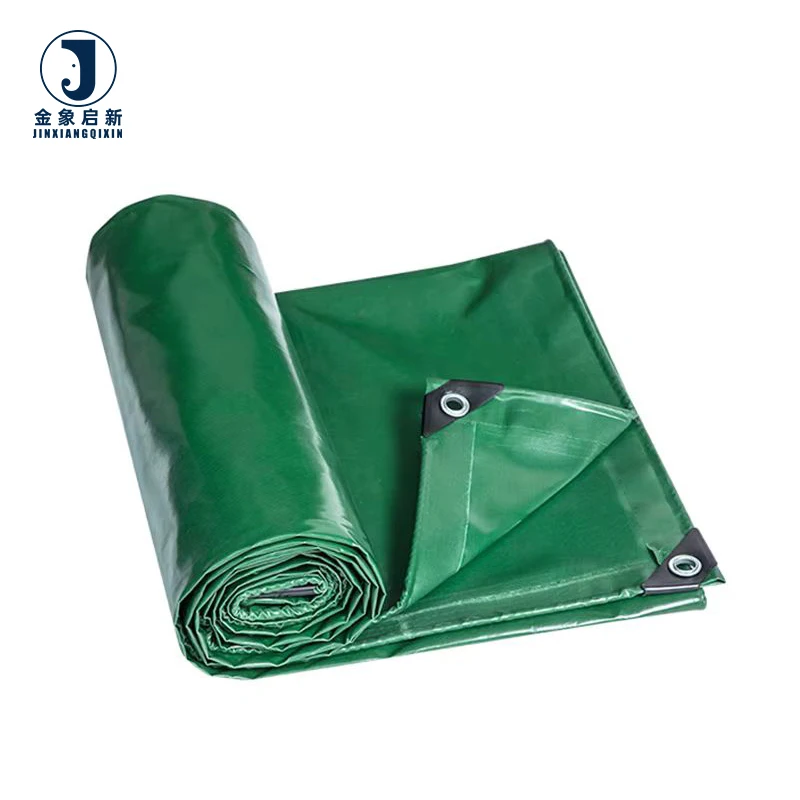
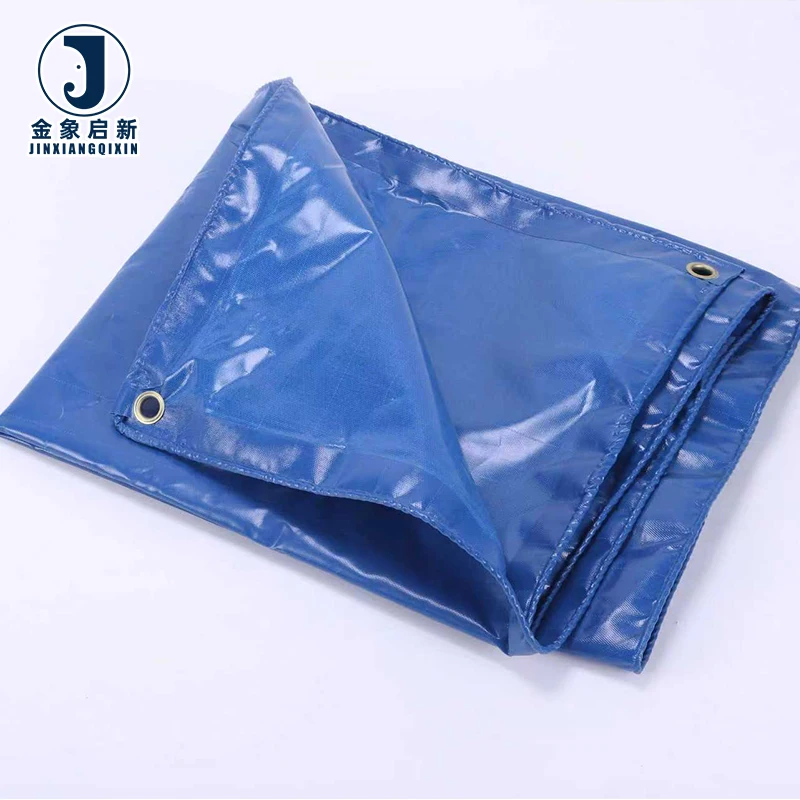
Description
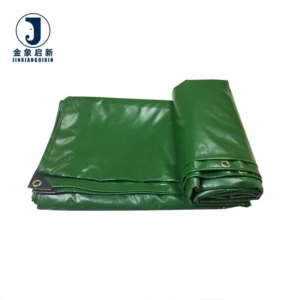
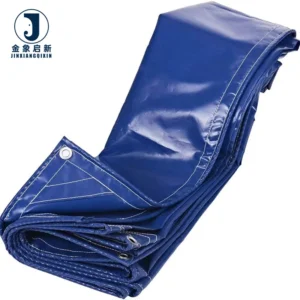
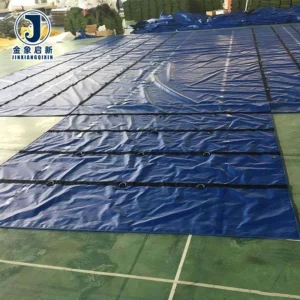
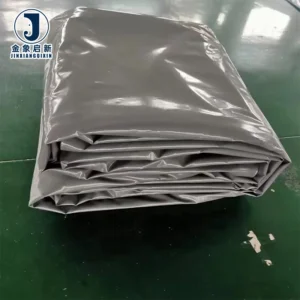
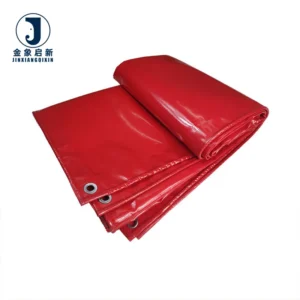
Consistent Coating Weight Across Rolls — every PVC coated tarpaulin roll is verified against the quoted GSM specification before dispatch, eliminating weight discrepancies across container shipments.
Technical Specifications
| Parameter | Value |
|---|---|
| Product Type | PVC Coated Tarpaulin Roll |
| Material | PVC Vinyl |
| Base Fabric Construction | Woven Fabric |
| Weight | At least 450 gsm |
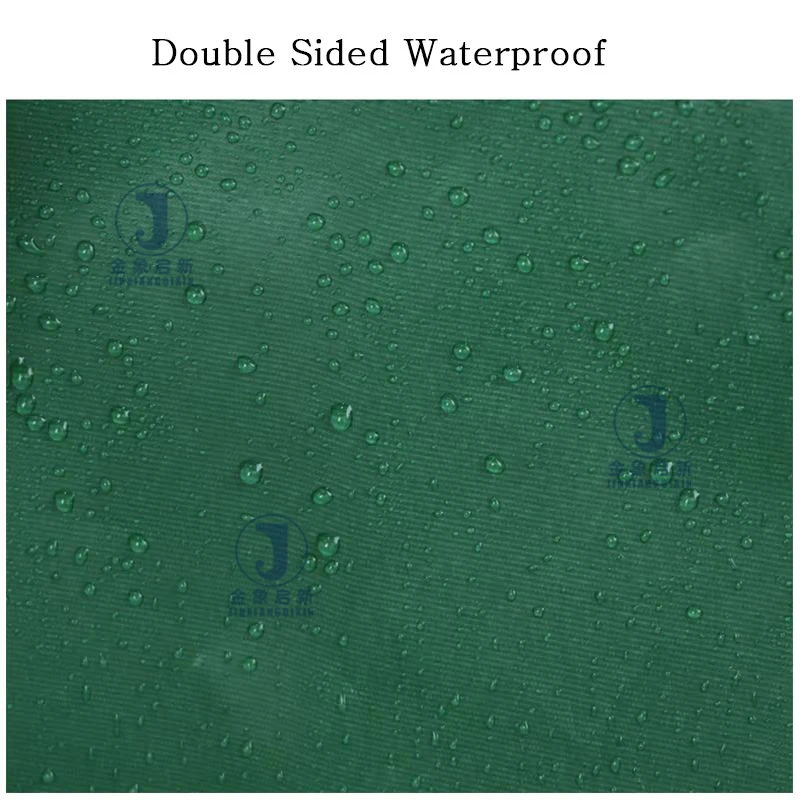
| Waterproof | Yes |
| Tear Resistance | High-strength woven base (test basis not stated) |
| Surface Finish | Available in glossy or matte finish |
| Width Options | Custom widths available for bulk orders |
| Standards | ISO, CE (company certified) |
Application Suitability
| Application | Exposure & Requirement |
|---|---|
| Tarpaulin distribution | Regional resale demand for verified GSM grades with batch-to-batch colour uniformity |
| Fabricator roll stock | Cutting and heat welding into finished covers, requiring stable seam adhesion |
| Truck side curtain manufacturing | Constant flexing, road debris abrasion, weather exposure, dimensional stability |
| Tent and awning production | Long-term outdoor deployment, fold storage, repeated assembly stress |
| Industrial equipment covers | Dust ingress prevention, moisture barrier, handling abrasion at contact points |
| Inflatable structure membrane | Internal air pressure retention, continuous tension load, weld integrity under stress |
Why Roll-to-Roll Consistency Determines Your Fabrication Yield
Consistent PVC coated tarpaulin roll quality means fewer rejected panels, fewer re-welds, and predictable container loading by roll count.
When coating weight drifts between rolls within the same shipment, fabricators face weld parameter mismatches — one roll seals at standard temperature while the next scorches or under-bonds. Distributors importing by the container load face a different problem: colour variation visible only when two rolls are installed side by side at the customer site. Both scenarios trigger returns and erode market credibility. [NEED_CITE: coating weight tolerance standards for industrial coated fabrics]
Batch Matching from Coating Line to Container Door
Maintaining GSM consistency across a multi-roll order starts at the coating head, where paste viscosity and knife gap settings determine the final weight per square metre. For wholesale PVC coated tarpaulin roll sourcing, the critical checkpoint is not the first roll off the line but the last — thermal drift and paste depletion can shift coating weight over long production runs. Orders destined for fabricators require tighter weight bands than those for general-purpose resale, because heat welding response changes measurably with even small GSM variation.
Colour Uniformity Across Large-Volume Shipments
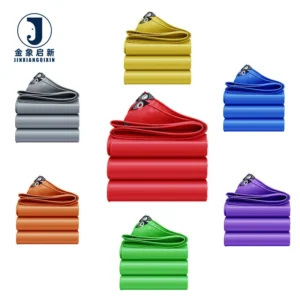
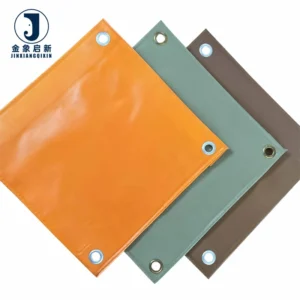
Pigment dispersion in the PVC compound must be held constant from batch to batch, and the base fabric’s brightness and weave density influence the final perceived colour. For distributors stocking multiple widths and grades of PVC coated tarpaulin roll, visible shade differences between orders — or within the same order — generate complaints that no amount of post-delivery sorting can resolve. [NEED_CITE: colour measurement and delta-E tolerances for coated textile batching]
Understanding What 450 GSM Actually Delivers
The stated weight of at least 450 gsm reflects the combined mass of the woven base fabric and the PVC coating applied to it. Base fabric denier and thread count determine the structural skeleton — a high-denier yarn in a tight weave delivers superior tear propagation resistance, meaning a puncture or cut is less likely to run across the panel. The PVC coating contributes waterproofing, abrasion resistance, and the surface characteristics that govern heat weld adhesion. A heavier overall GSM achieved through thick coating on a loosely woven base will behave very differently under tension and flexing than a lighter GSM built on a dense, high-tenacity woven substrate. Width and roll length directly affect fabrication layout efficiency — wider rolls reduce the number of welded seams in a finished cover, and longer rolls minimise end-of-roll waste during cutting.
The Hidden Cost of Specifying on GSM Alone
Buyers who select PVC coated tarpaulin roll solely on quoted weight often discover that tear resistance, weld strength, and long-term flexibility depend on factors GSM alone does not reveal. A roll that meets the stated weight but uses an under-engineered base fabric will show early failure at stress points — flex zones on truck curtains, tie-down attachment areas, and welded seam junctions. Flame retardant claims without a stated grade create compliance risk on sites where fire classification documents are mandatory for inspection. [NEED_CITE: fire classification requirements for temporary structures and industrial covers]
Sourcing Advantages for Volume Buyers
Three full production lines and 36 sets of professional equipment support the capacity needed for container-load PVC coated tarpaulin roll orders with dependable scheduling. A dedicated 10-person R&D team handles custom width development, colour matching, and sample production so that trial orders can be validated before committing to full container volumes. Every production stage includes QA checkpoints, with 100% pre-shipment inspection confirming GSM per roll against the purchase specification. Roll packing lists detail net weight, dimensions, and roll count to align with container loading plans and customs documentation requirements.
Documentation & Verification
- Material specification sheet confirming GSM, base fabric type, PVC coating composition, and colour reference per roll batch
- Pre-shipment inspection record verifying measured coating weight against the quoted minimum 450 gsm for each roll
- Roll packing list itemising net weight, roll dimensions, and quantity per container for logistics planning
- Certificate of origin and customs documentation prepared to support import clearance at destination port
- ISO and CE certificates available to confirm manufacturing system compliance
Fabrication, Handling & Storage
- Heat weld PVC coated tarpaulin roll panels using matched temperature and dwell time settings verified on the specific GSM grade received
- Store rolls upright on cores in a dry environment to prevent edge compression and permanent creasing of the woven base
- Allow cold-stored rolls to reach ambient temperature before unrolling to avoid cracking the PVC coating layer
- Clean surfaces with mild detergent — avoid solvent-based cleaners that may degrade the PVC coating over repeated use
- Plan cutting layouts around the ordered roll width to minimise welded seams and maximise panel yield from each roll
What to Include in Your Enquiry
To receive an accurate specification and lead time, outline your target application, the environmental exposure conditions the finished product will face, and the annual volume you plan to source. Specify preferred roll width and length, required GSM grade, and any colour or surface finish preferences. Confirm whether you need roll stock only or finished cut-to-size panels, and state any fire classification or compliance requirements applicable in your market. Request a sample roll if colour matching or weld parameter validation is needed before placing a bulk order.
Frequently Asked Questions
Q: How is GSM verified on each roll before shipment?
A: Every PVC coated tarpaulin roll is weighed and measured during pre-shipment inspection. The verified GSM is recorded on the inspection report and compared against the specification agreed at order confirmation. Rolls falling outside the tolerance band are rejected before packing. The inspection record accompanies the shipment documentation so you can cross-check on receipt.
Q: What is the container loading plan by roll count and weight?
A: Loading plans are calculated based on roll width, diameter, and net weight to maximise container utilisation. The roll packing list details exact roll count, individual roll dimensions, and total net and gross weight per container. This supports accurate freight costing and customs declaration at the destination port.
Q: How do you control colour consistency across rolls in the same order?
A: Pigment batches are mixed in full-order quantities to eliminate mid-run colour shifts. Coating line parameters including paste viscosity and oven temperature are held constant throughout the production run. Finished rolls are compared under controlled lighting before packing to confirm visual uniformity across the entire order.
Q: What custom widths and roll lengths are available at bulk volumes?
A: Custom widths are produced on the coating line to match your fabrication layout requirements, reducing cutting waste and seam count. Roll lengths are adjusted to your order specification. Sample rolls in custom widths can be produced for approval before the full container order enters production.
Q: What documentation is provided for customs and import clearance?
A: Each shipment includes a certificate of origin, commercial invoice, roll packing list, and material specification sheet. ISO and CE certificates are available on request. For regulated markets, test reports for applicable performance properties can be included to support compliance verification at the border.