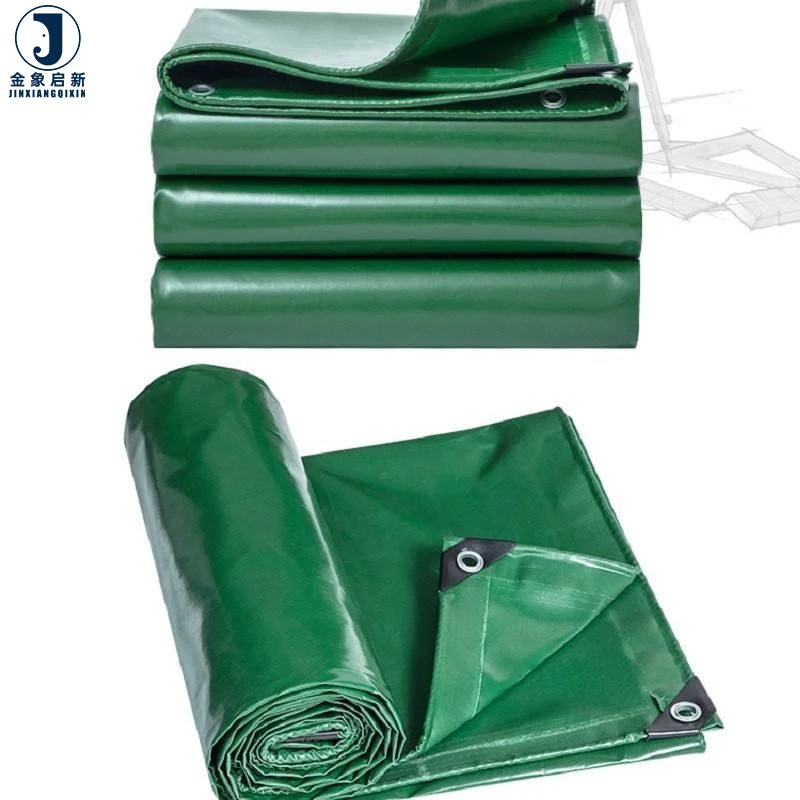

Description
Roll-to-roll consistency — verified through in-process QA and 100% pre-shipment inspection across every roll in your container load, ensuring the PVC coated tarpaulin roll stock you specify is exactly what arrives at your warehouse.
Technical Specifications
| Parameter | Value |
|---|---|
| Product Type | PVC Coated Tarpaulin |
| Base Fabric Denier | 500D × 500D |
| Base Fabric Material | Polyester |
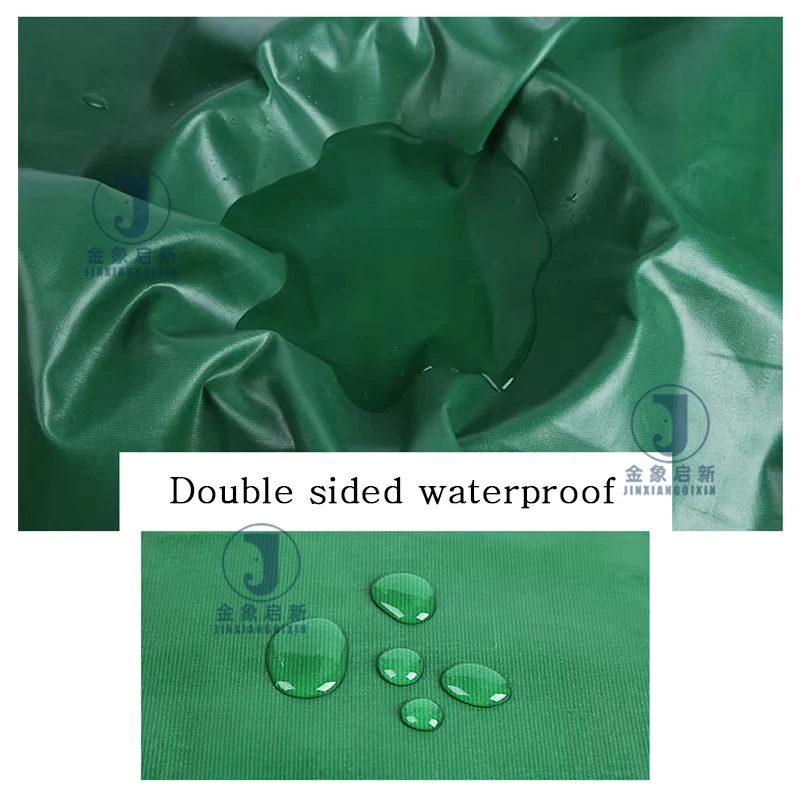
| Coating Material | PVC (double-sided) |
| Thickness Measurement | 450–900 g/m² |
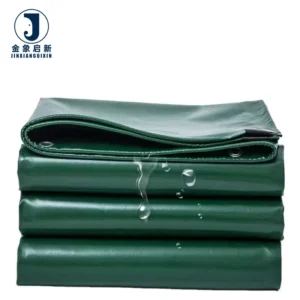
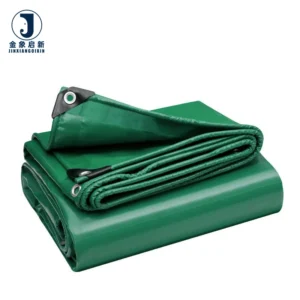
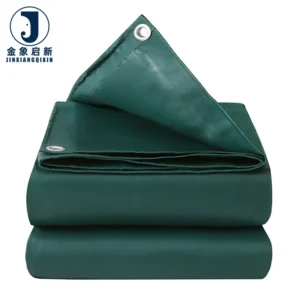
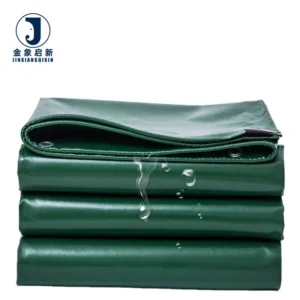
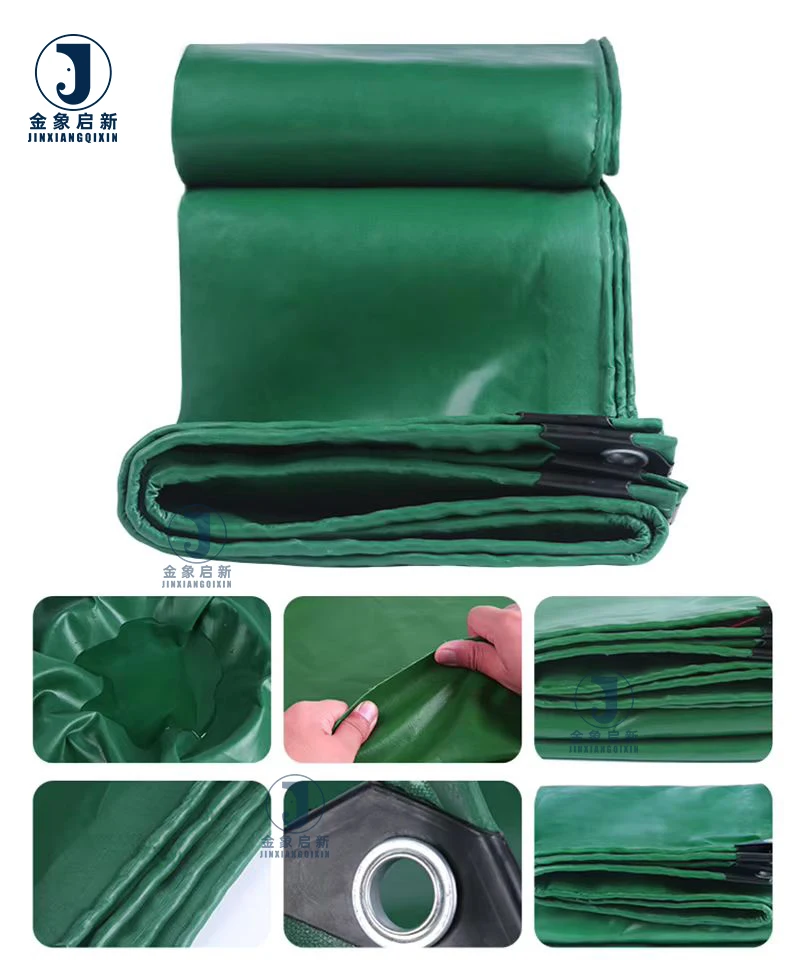
| Surface Characteristics | Smooth and soft surface with a leather-like texture |
| Abrasion Resistance | Very strong |
| UV and Aging Resistance | Excellent |
| Flame Retardancy | Flame-retardant type customizable (confirm grade required for your market) |
| Repairability | Repairable by hot air welding |
| Standards | ISO, CE |
Application Suitability
| Application | Exposure & Requirement |
|---|---|
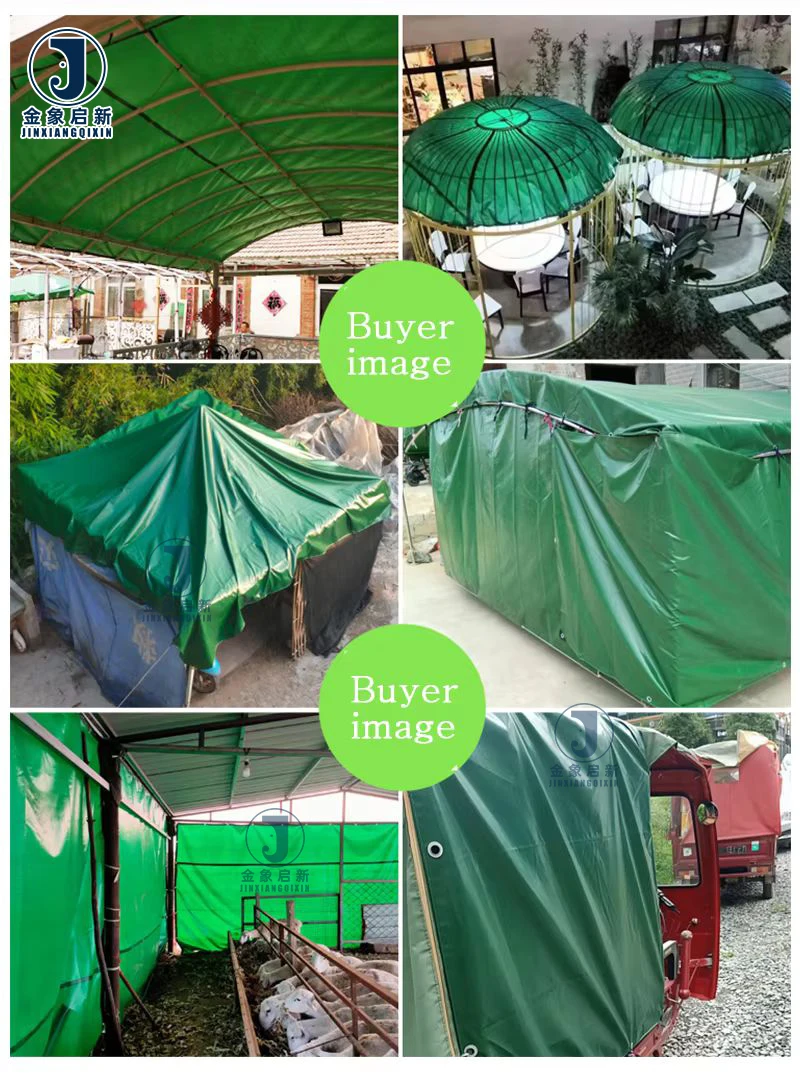
| Tarpaulin distribution and regional resale | Consistent colour and weight across multiple rolls for stock-keeping and cut-to-order fulfilment |
| Tent, awning, and inflatable fabrication | Fabric bought by the roll for production cutting, requiring uniform coating adhesion and weldable seams |
| Truck cover and equipment cover manufacturing | High tensile base fabric that withstands tensioning and flexing without delamination at cut edges |
| Outdoor wood pile and cargo covers | Water-resistant coated surface facing constant weather exposure and stacking abrasion |
Why Roll-to-Roll GSM Verification Changes Your Cost Structure
The GSM stated on your quotation means nothing if the material arriving at your dock is lighter than agreed.
When a distributor receives a container of PVC coated tarpaulin roll stock and the actual weight falls below specification, the downstream consequences compound quickly. Fabricators cutting truck covers from underweight rolls face seam failures under load tension. Resellers stocking material for regional buyers receive customer complaints when the product does not perform as described. Colour variation between rolls in the same order becomes visible the moment two panels are installed side by side, turning a straightforward installation into a rework conversation [NEED_CITE: coating weight and GSM measurement methods for industrial tarpaulin fabrics per ISO 3801].
How Bulk PVC Coated Tarpaulin Roll Stock Maintains Colour and Weight Uniformity
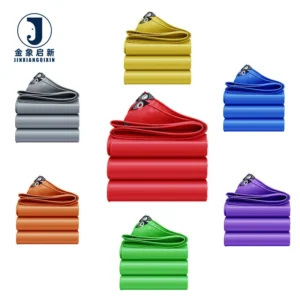
Colour consistency across a multi-roll order depends on coating line calibration and pigment dispersion control during production. When you source PVC coated tarpaulin roll stock in volume, each production run must maintain the same base fabric tension, coating thickness, and curing temperature to prevent visible shade shifts between rolls. Our in-process QA checks colour reference standards at the coating stage rather than only at final packing, catching deviation before the roll is wound and labelled.
What Batch Documentation Tells You Before the Container Ships
Before dispatch, every roll in a bulk PVC coated tarpaulin order is weighed individually and recorded on the roll packing list with dimensions and net weight. This lets you verify container loading plans against actual shipped quantities and calculate yield per roll before the material reaches your cutting table. The pre-shipment inspection record confirms that GSM, base fabric denier, and coating specifications match the material specification sheet issued for your order [NEED_CITE: pre-shipment inspection protocols for coated fabric roll stock in international trade].
Reading the Specification Sheet Beyond the GSM Number
The 500D × 500D polyester base fabric provides the structural skeleton of this material. Yarn denier and weave density together determine how the fabric resists tensile and tear forces — a higher GSM achieved through thicker coating alone, without a corresponding increase in base fabric density, will produce a heavier roll that does not necessarily tear or stretch better. Double-sided PVC coating locks the yarns in place and provides the waterproof barrier, but the coating method directly affects peel strength at the weld line. Hot air welding performance depends on the PVC formulation’s softening point and the coating’s ability to fuse across two layers without delaminating from the base fabric underneath. The leather-like surface texture influences how the material handles during fabrication — smoother surfaces feed more consistently through automated cutting tables and accept heat-transfer printing with greater registration accuracy. Width availability affects cutting layout efficiency; wider rolls reduce the number of longitudinal seams needed when producing large-format covers, directly lowering fabrication labour and potential failure points.
The Hidden Cost of Sourcing PVC Coated Tarpaulin Without Verified Specifications
When roll stock arrives with GSM lighter than quoted, fabricators discover the problem only after cutting and welding — by which point the material is committed and the order is late. Welded seams failing before the fabric itself is often a sign that coating adhesion to the base fabric was insufficient for the welding temperature used, not a problem with the welder’s settings. Colour inconsistency between rolls forces distributors to segregate inventory by batch, reducing the usable stock for any single large order and increasing the chance of partial shipments [NEED_CITE: common failure modes in coated polyester tarpaulin at welded seam junctions]. Flame-retardant grades supplied without a supporting test report leave fabricators unable to certify finished products to their end customer’s building code or transport regulation, blocking entire orders from delivery.
Why Volume Buyers Source PVC Coated Tarpaulin Roll Stock Here
Three full production lines and 36 sets of professional equipment provide the capacity to fill container orders with consistent lead times, even when multiple widths and colours are specified simultaneously. A 10-person R&D team handles custom width, colour matching, and sample development within days, so you can approve material before committing to a full production run. Dedicated QA and QC checkpoints at every production stage — from base fabric inspection through coating, winding, and packing — mean that defects are caught before the roll is finished, not after it ships. Samples are developed for custom requirements including pattern printing and branding, giving distributors and fabricators a physical reference to validate against their cutting and welding processes. Nearly 30 years of focused production in coated fabric has produced deep process control over coating weight, adhesion strength, and roll-to-roll repeatability.
Documentation & Verification
- Material specification sheet stating exact GSM, 500D base fabric denier, and double-sided PVC coating weight per roll
- Pre-shipment inspection record with individual roll GSM verification against quoted values before container loading
- Colour reference and batch consistency documentation linking every roll in the order to a single production run
- Roll packing list with individual roll weight, dimensions, and count for container loading calculation
- Test reports for anti-UV and flame-retardant grades supplied where applicable to the specified treatment level
- ISO and CE certificates covering the production facility and quality management system
Fabrication, Handling & Storage
- Hot air welding parameters should be tested on a sample offcut of the specific GSM before production cutting begins
- Store rolls horizontally on racking to prevent flattening of the leather-like surface texture under their own weight
- Unroll and allow the PVC coated fabric to relax at ambient temperature before cutting to reduce dimensional shift
- When cutting multiple panels from the same roll, label each piece with its roll number for batch traceability
- Clean the smooth coated surface with mild detergent only — solvents may degrade the PVC coating adhesion
- Field repairs to the double-sided PVC coating can be completed with hot air welding and matching patch material
What to Include in Your Roll Stock Inquiry
Provide your target GSM, preferred roll width, and annual volume estimate so we can confirm production scheduling and container loading efficiency. Specify any flame-retardant or anti-UV treatment requirements along with the compliance standard your end market demands. Confirm whether you need plain rolls for your own cutting operation or finished panels with welded hems and eyelets.
Frequently Asked Questions
Q: How is GSM verified on each roll before shipment?
A: Each roll of PVC coated tarpaulin is weighed individually during the pre-shipment inspection process. The recorded weight is compared against the stated GSM on your material specification sheet, and any roll falling outside tolerance is pulled before packing. The inspection record ships with your documentation so you can cross-check on receipt.
Q: How do you control colour consistency across rolls in the same bulk order?
A: Colour is monitored at the coating stage using reference standards, not only at final packing. Rolls within a single order are produced from the same pigment batch under calibrated line conditions. Batch consistency documentation accompanies the shipment, linking each roll to its production run.
Q: What roll widths and lengths are available, and what is the MOQ per colour?
A: Standard widths and lengths are available from stock grades, and custom widths are supported for bulk orders. Minimum order quantities vary by colour and treatment specification. Provide your required dimensions and colour reference, and we will confirm availability, lead time, and minimums for your order.
Q: How is the tarpaulin packed for container loading?
A: Roll packing, bale packing, and carton packing are all available depending on your warehouse handling preference. The roll packing list details individual roll weight and dimensions so you can plan container loading by count and total weight before dispatch.
Q: Can you provide flame retardant and anti-UV test reports with the shipment?
A: Yes — where flame-retardant or anti-UV treatment has been specified, test reports are provided with the shipment documentation. Confirm the grade or standard required for your market at the inquiry stage so the correct treatment is applied and tested before dispatch.