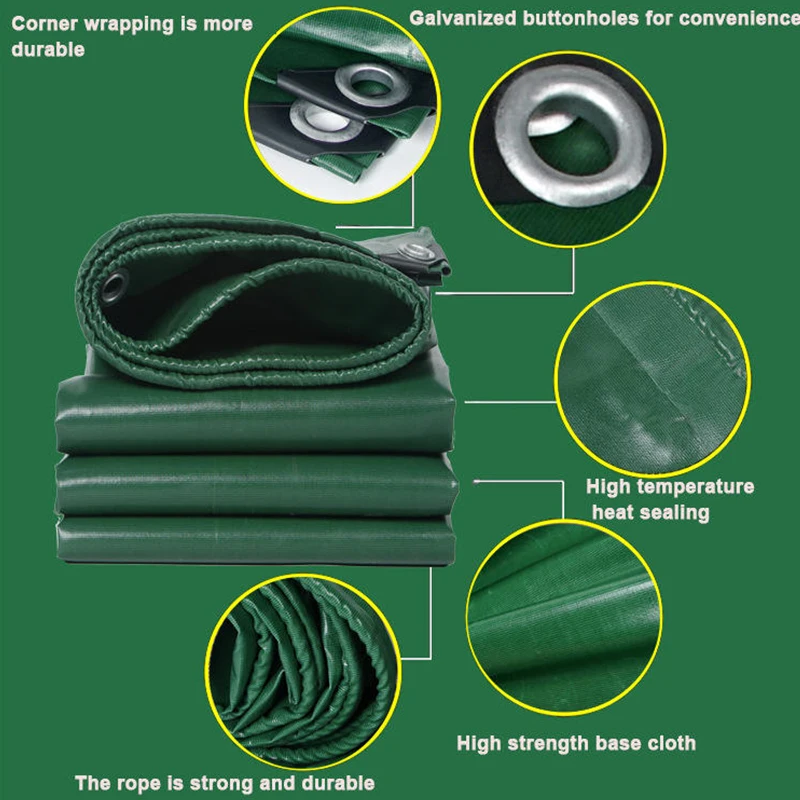
Description
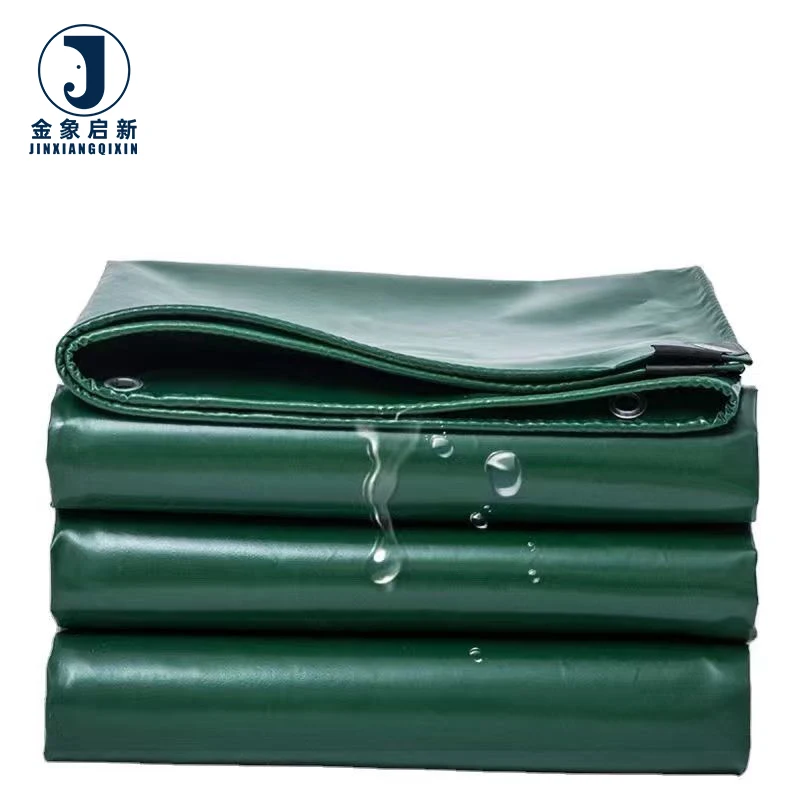
Proven Roll Consistency — batch-to-batch colour and GSM uniformity across the PVC coated tarpaulin roll range, verified at every stage before dispatch.
Technical Specifications
| Parameter | Value |
|---|---|
| Product Type | PVC Coated Tarpaulin |
| Weight (GSM) | 250gsm–1500gsm |
| Base Fabric Denier | 200DX300D, 500DX500D, 840DX840D, 1000DX1000D |
| Coating Material | PVC |
| Surface Finish | Glossy or matte |
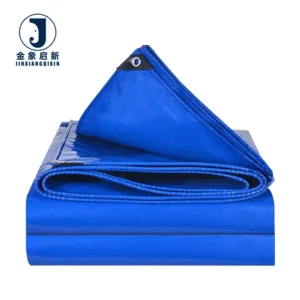
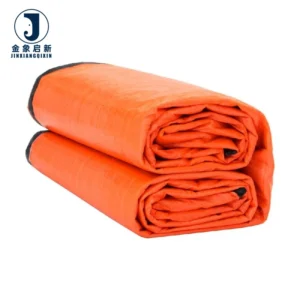
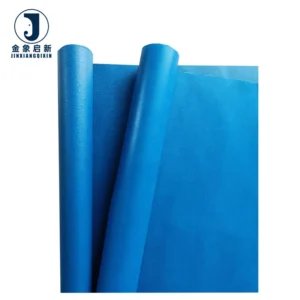
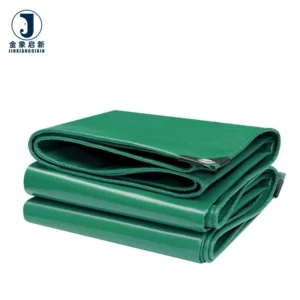
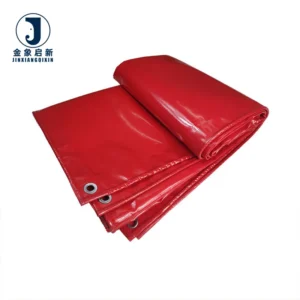
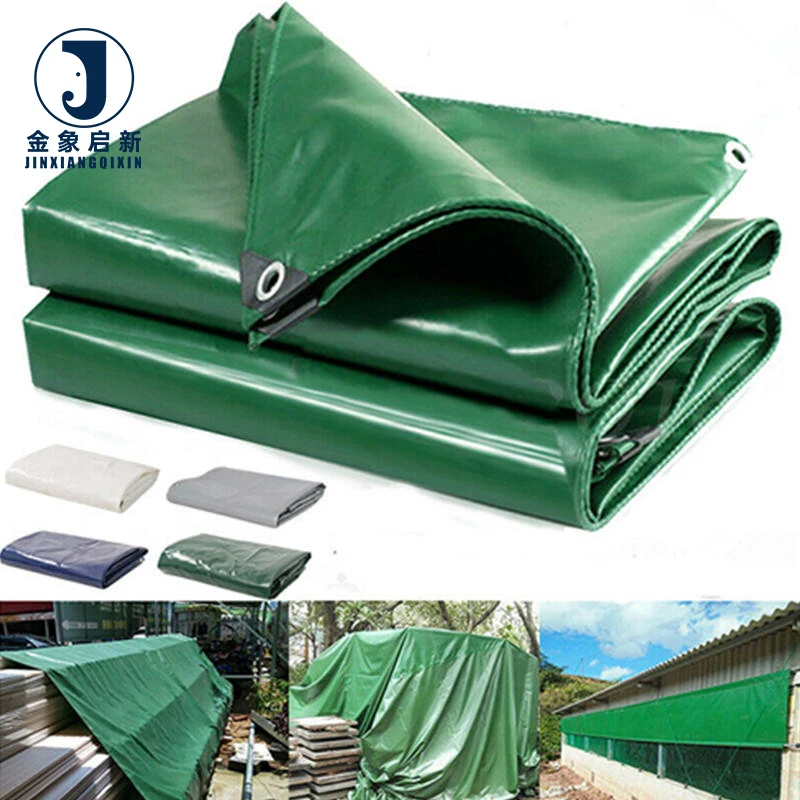
| Colour Options | Blue, yellow, black, green, white, or custom |
| Temperature Range | -15°C to 70°C |
| UV Treatment | Customized (test basis not stated — confirm the grade required for your market) |
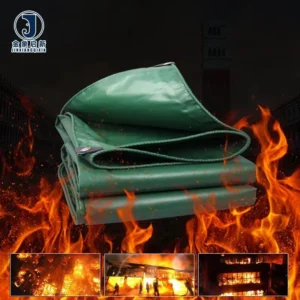
| Flame Retardant | FR treated (grade not stated — available in flame retardant grades, confirm the grade required for your market) |
| Anti-Mildew | Anti-fungal treated |
| Waterproof Rating | Waterproof, rain-resistant |
| Working Life | 3–10 years depending on usage environment (source value — verify against manufacturer catalog) |
| Standards | ISO, CE |
Application Suitability
| Application | Exposure & Requirement |
|---|---|
| Tarpaulin distributor stock | Broad GSM range needed to serve regional retail and industrial buyers, colour consistency across multiple rolls in one shipment |
| Tent and awning fabrication | Fabric bought by the roll for cutting and welding, surface finish must accept heat-sealed seams without delamination |
| Construction stocklot and lumber covering | Outdoor weathering, UV exposure, mechanical abrasion from stacked timber and building materials |
| Inflatable and membrane structure supply | Roll stock cut to pattern, coating adhesion critical for welded panel integrity under air pressure |
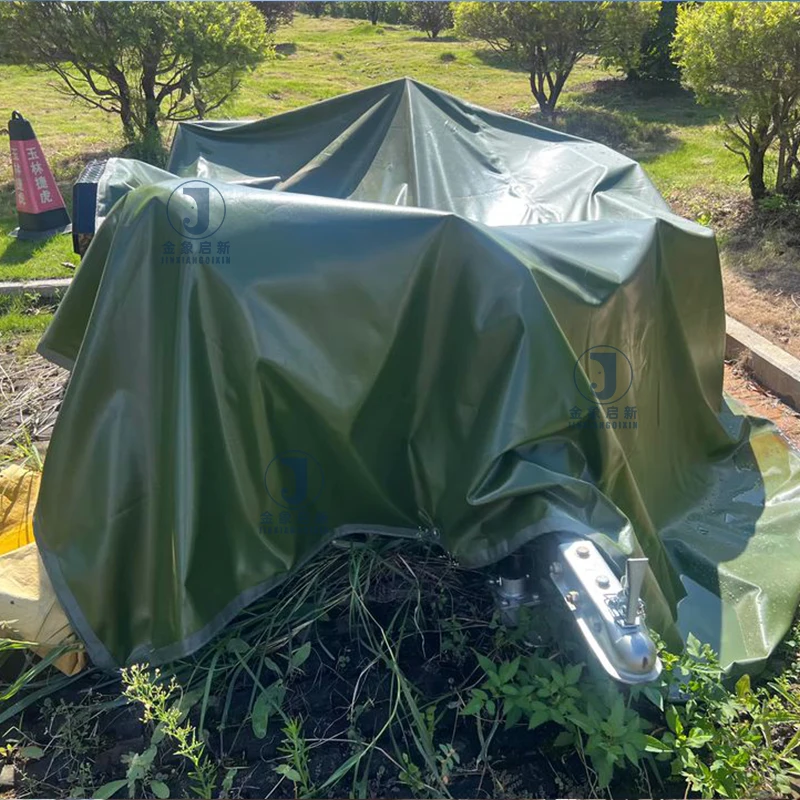
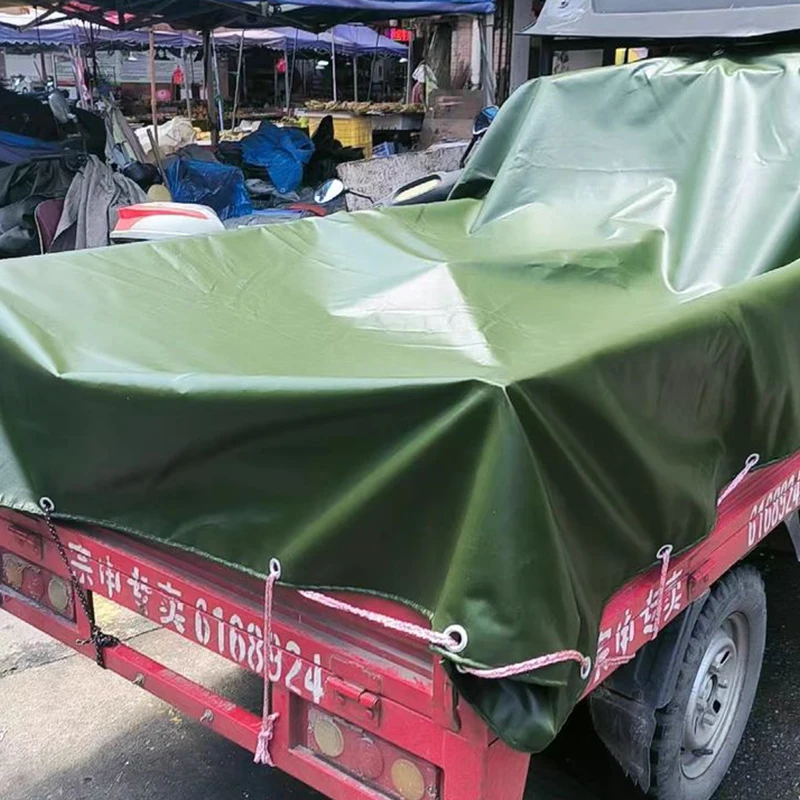
| Equipment and pallet protection in transit | Waterproof barrier against rain and road spray, anti-fungal treatment for humid storage conditions |
Why GSM Variance Between Rolls Wrecks Wholesale Inventory
Uniform roll weight and verified GSM per batch is the foundation of reliable wholesale distribution.
When a distributor orders five hundred rolls of PVC coated tarpaulin roll stock and receives material that tests lighter than the quoted specification, the entire downstream supply chain absorbs the loss. Retail customers compare covers side by side and notice the lighter hand feel. Fabricators set heat-seal parameters for the specified weight, and underweight material burns through at the weld line while overweight stock fails to bond. [NEED_CITE: pre-shipment weight sampling methodology for coated fabric rolls per ISO 3801] Colour shift between rolls in the same container compounds the problem when two adjacent panels are installed and the mismatch becomes visible in daylight. This is not a cosmetic complaint — it triggers returns across an entire container load.
Roll-to-Roll Colour Uniformity Across Bulk Orders
Colour consistency is a measurable production variable, not a subjective judgement. Each PVC coated tarpaulin roll order is matched against a documented colour reference before production begins, and the approved swatch stays on file for the duration of the supply agreement. This means a repeat order six months later draws from the same colour formulation, and two containers shipped to the same port arrive with matching stock. For distributors building regional inventory, this eliminates the situation where a blue roll from batch A sits next to a blue roll from batch B on the warehouse shelf looking like two different products.
Stock Width and Custom Slitting for Fabrication Yield
Buying PVC coated tarpaulin in roll stock is only economical if the roll width matches the cutting pattern. Standard widths cover the majority of tent panel, awning section and cover dimensions, while custom slit widths reduce offcut waste for high-volume fabricators. [NEED_CITE: fabric yield calculation methods for coated textile cutting layouts] When the roll width aligns with the finished panel width plus hem allowance, the fabricator eliminates a longitudinal weld that would otherwise be a potential failure point and an additional labour cost on every unit produced.
How Base Fabric Denier and Coating Weight Interact
The denier of the base fabric — from 200DX300D through 1000DX1000D — determines the tensile and tear skeleton of the material, while the PVC coating weight controls waterproofing, abrasion resistance and surface durability. A higher GSM does not automatically mean a stronger fabric; a 400gsm roll built on 1000DX1000D base fabric will resist tearing far better than a 400gsm roll that achieves its weight through heavy coating on a lighter 200DX300D weave. For roll stock buyers, specifying both denier and GSM together ensures the material matches the mechanical demands of the end use rather than relying on weight alone as a proxy for strength. The glossy or matte surface finish is applied during the final coating pass and affects how the material handles dirt accumulation, how it accepts printed branding, and how it behaves under heat welding at the fabrication stage.
The Hidden Cost of Specifying on Weight Alone
Procurement teams that approve roll stock on GSM without locking the base fabric denier often discover the mismatch when the material enters fabrication. Rolls that meet the weight target but use a lighter weave and heavier coating will delaminate at the heat-weld line because the PVC layer is too thick relative to the fabric substrate. [NEED_CITE: coating adhesion failure mechanisms in PVC-coated polyester fabrics] In distribution, this surfaces as warranty claims where the coating peels from the base cloth after a single season of outdoor use. The correct specification locks denier and GSM together, ensuring the ratio between fabric skeleton and coating mass stays within the range that the welding process can handle.
Sourcing PVC Coated Tarpaulin Roll Stock With Confidence
Three full production lines with 36 sets of professional equipment provide the capacity to fulfil container-volume orders without splitting production across separate runs, which is where batch inconsistency originates. A dedicated 10-person R&D team handles custom width, colour matching and sample development within days, so fabricators can validate the roll stock against their welding equipment before committing to bulk. Every roll passes through QA checkpoints during coating, winding and packing, with 100% inspection before dispatch. Nearly 30 years of focused production on coated fabric means the coating weight, adhesion and surface finish parameters are controlled through accumulated process knowledge rather than trial and error on each new order.
Documentation & Verification
- Material specification sheet stating exact GSM, base fabric denier and coating type per roll
- Colour reference documented against approved swatch to ensure batch consistency
- Roll packing list with roll count, net and gross weight for container loading plans
- Pre-shipment inspection record covering weight sampling and visual colour check
- ISO and CE certificates included with shipping documentation
- Test reports for UV and flame retardant grades where applicable to the order
Fabrication, Handling & Storage
- Set heat-weld temperature to match the PVC coating weight — heavier GSM grades require higher dwell time
- Store rolls upright on pallets to prevent flat-spot deformation on the outer coating layer
- Allow rolls to acclimatise before unrolling in cold weather to avoid cracking below -15°C
- Use matte finish rolls for applications requiring printed branding or adhesive label attachment
- Cut with rotary or hot-knife tools to seal edges and prevent fraying on high-denier base fabrics
- Clean with mild detergent only — solvents degrade the PVC coating and anti-fungal treatment layer
What We Need to Quote Your Roll Stock Order
Tell us the GSM range, base fabric denier and surface finish you need, along with the roll width and length your cutting layout requires. If your end products must meet a specific fire classification in your market, share the standard and grade so we can confirm the correct flame retardant treatment. For custom colours, a Pantone or RAL reference lets us develop a match swatch before production starts.
Frequently Asked Questions
Q: How is GSM verified on each roll before shipment?
A: Every roll is sampled and weighed during the pre-shipment inspection process. The measured GSM is recorded against the order specification, and any roll falling outside the agreed tolerance is pulled from the batch. The inspection record accompanies the shipment so you can verify the data on arrival.
Q: How do you control colour consistency across rolls in a bulk order?
A: A physical colour swatch is approved before production begins and serves as the reference for the entire order. The coating formulation is mixed in a single batch where possible, and every roll is visually checked against the swatch under controlled lighting before it is packed.
Q: What custom widths and roll lengths are available?
A: Roll widths can be slit to match your cutting pattern, reducing offcut waste in fabrication. Roll lengths are produced to your specification based on the GSM and denier chosen. The R&D team develops a sample roll for width and length confirmation before bulk production.
Q: How many rolls fit in a standard container and how are they packed?
A: The roll count depends on the GSM, width and length of each roll. The roll packing list provided with your quotation details the net weight, gross weight and container loading plan so you can calculate freight costs and warehouse space requirements before ordering.
Q: What is the MOQ for custom colour or custom width roll stock?
A: Custom colours and slit widths carry minimum order quantities that vary with the GSM and denier selected. Requesting a sample roll first lets you confirm the specification with your fabrication team before committing to the full production run.