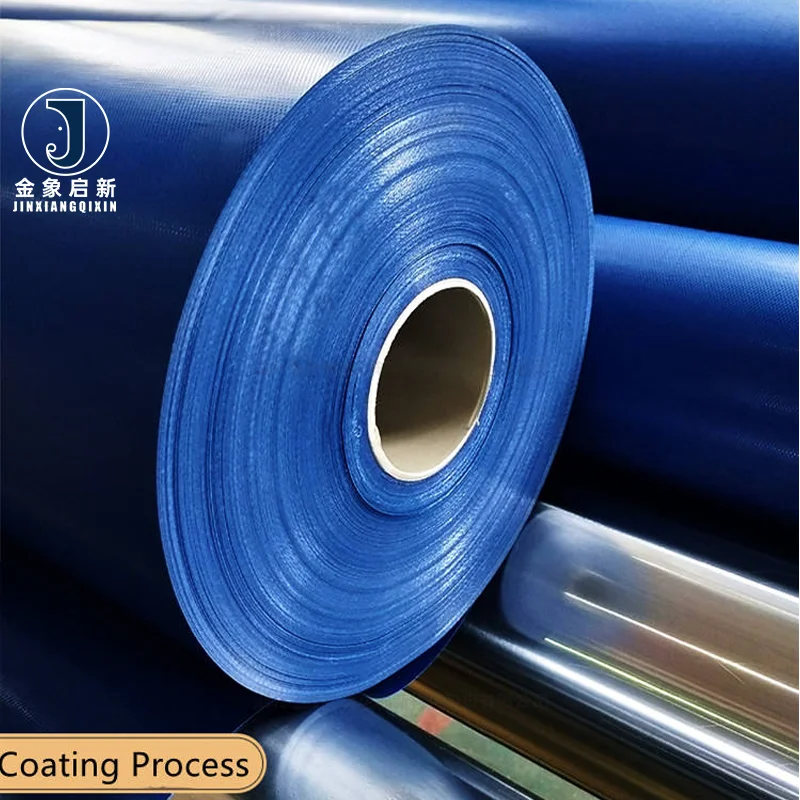
Description
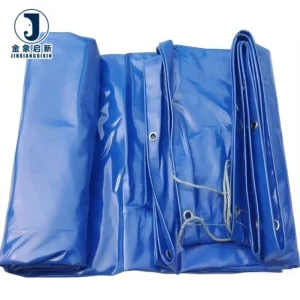
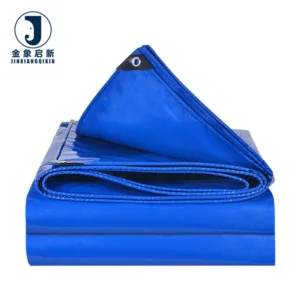
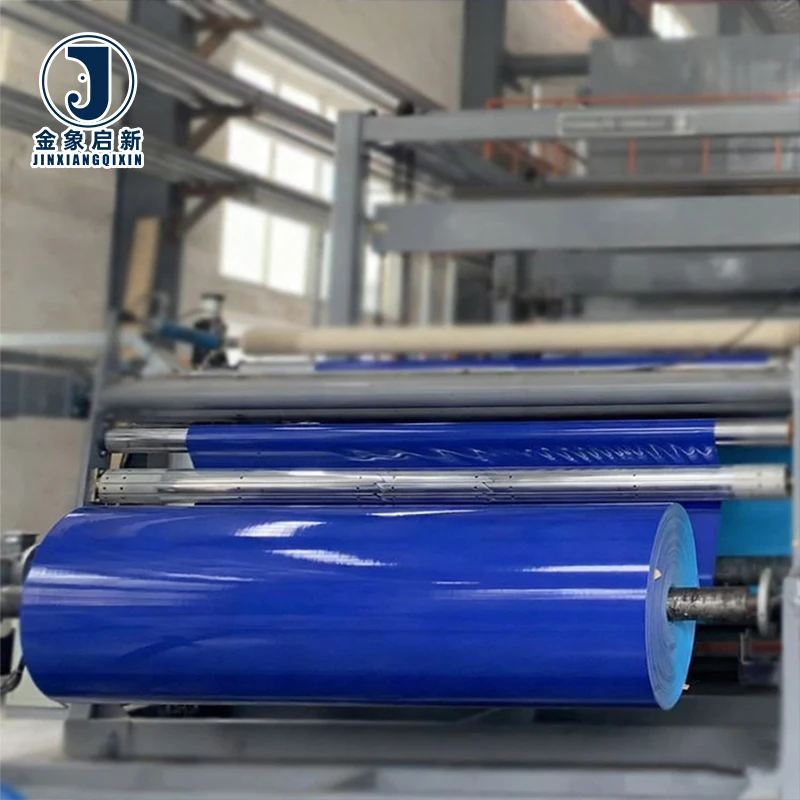
Batch-consistent roll stock — Every roll of PVC coated tarpaulin is weighed, measured and colour-checked against the purchase order before it leaves the factory, so the GSM and shade you specify are the ones that arrive at your warehouse.
Technical Specifications
| Parameter | Value |
|---|---|
| Product Type | PVC Coated Tarpaulin Roll |
| Base Fabric | High-strength polyester mesh fabric |
| Coating Material | PVC |
| Coating Method | Laminated technology & Hot-melt coating technology |
| Weight Options | 350gsm, 420gsm, 500gsm, 550gsm, 600gsm, 750gsm |
| Thickness Options | 0.32mm, 0.35mm, 0.4mm, 0.45mm, 0.5mm, 0.65mm |
| Standard Roll Sizes | 2m × 75m / 2.1m × 50m |
| Finish | Glossy or Matte surface |
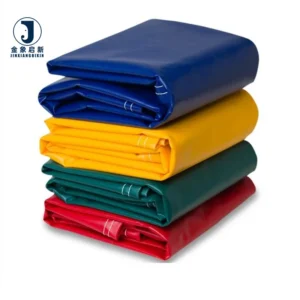
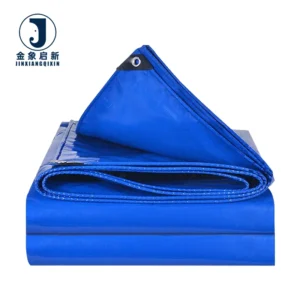
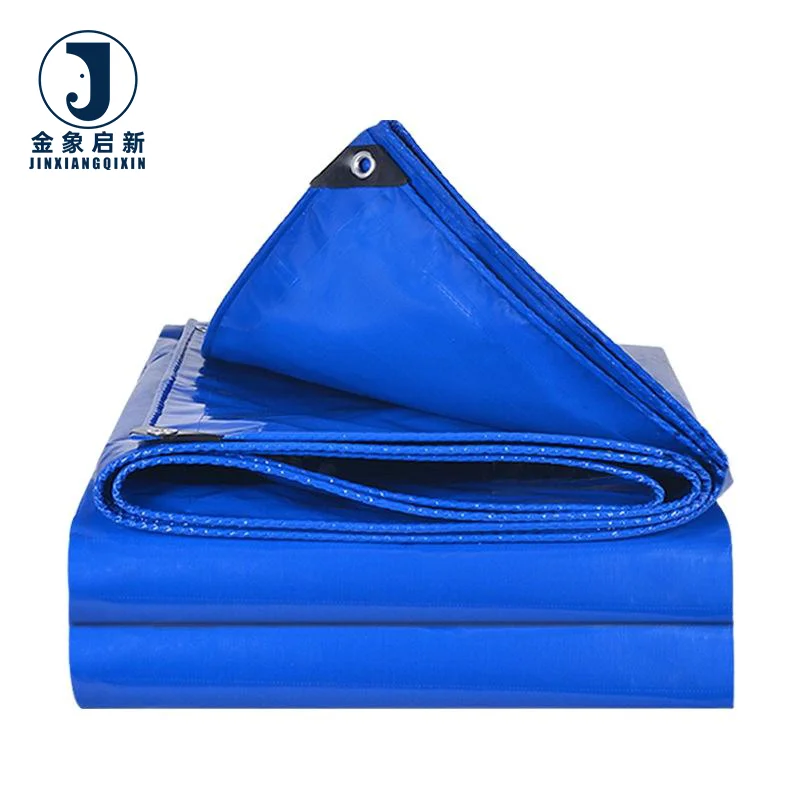
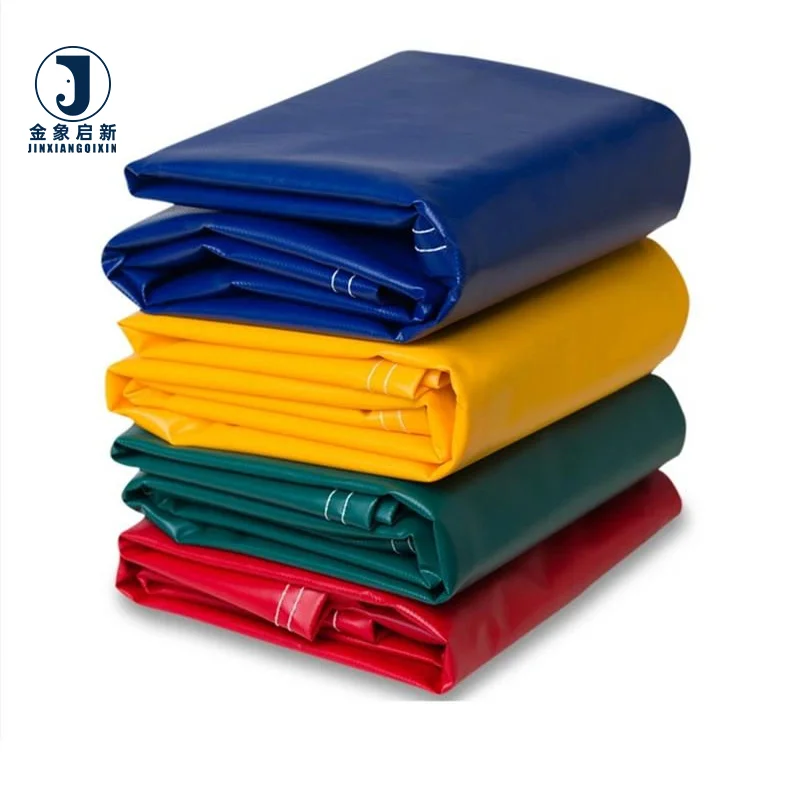
| Colour Options | Blue, Red, Yellow, Light Blue, Grey, or custom |
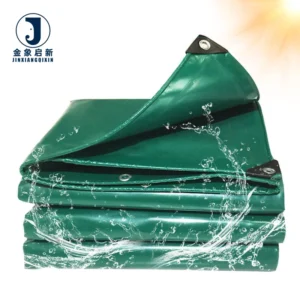
| Waterproof | Double-sided 100% waterproof |
| Key Features | Anti-mildew, cold crack resistance, high tenacity yarns, strong adhesion for welding |
| Certifications | ISO, CE |
Application Suitability
| Application | Exposure & Requirement |
|---|---|
| Poultry curtains (chicken coop) | Continuous moisture, ammonia, frequent washing, need for ventilation control |
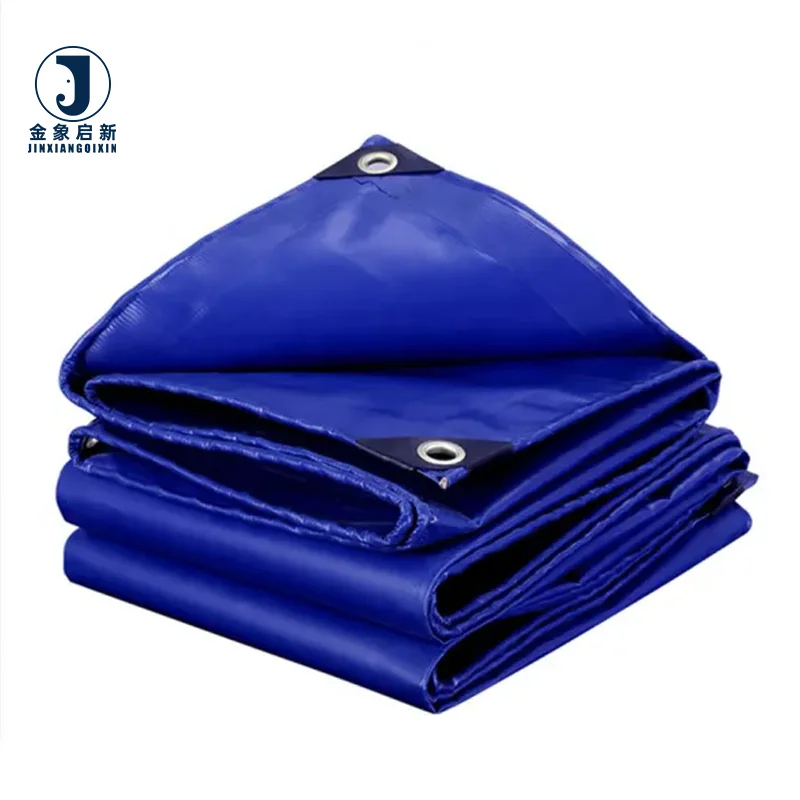
| Tent and awning manufacturing | Roll-fed cutting, high-frequency welding, outdoor UV exposure |
| Fish tank and pool lining | Permanent water immersion, puncture from substrate, chemical exposure |
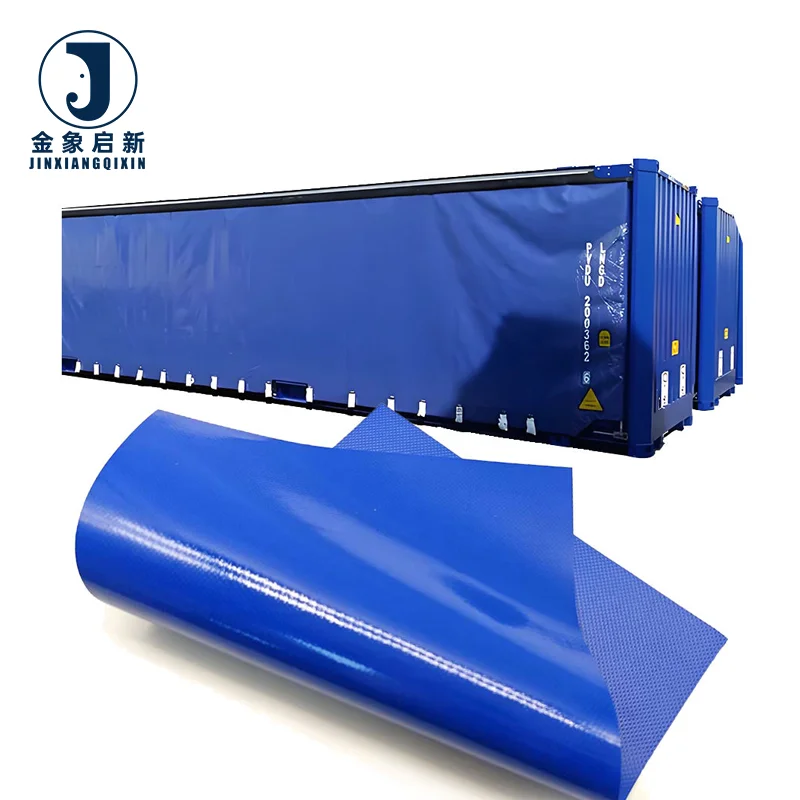
| Truck awning and side curtain | Road abrasion, constant flexing at tie-down points, weather exposure |
| Agricultural and stock covering | Sun, rain, wind load, occasional contact with sharp-edged bales |
| Construction and scaffolding enclosure | Dust, debris impact, wind uplift, temporary installation cycles |
Why Batch Colour Drift Wrecks Wholesale Tarpaulin Orders
Colour that shifts from roll to roll inside the same container is the fastest way to lose a downstream customer.
When a distributor unloads twenty rolls of PVC coated tarpaulin roll stock and the first five are noticeably lighter than the next five, the entire shipment becomes unsellable for projects where panels hang side by side. Tent makers, awning fabricators and truck curtain shops all cut from multiple rolls on a single job, and a visible shade boundary across a finished product is a rejection that no amount of rework can fix [NEED_CITE: colour fastness and batch consistency standards for coated fabrics]. For wholesale buyers holding inventory for regional resale, inconsistent colour also means stranded stock that cannot be matched to reorders months later.
Roll-to-Roll GSM Verification Before Dispatch
GSM is the single most referenced number on any PVC coated tarpaulin roll wholesale quotation, yet it is also the most frequently disputed parameter when goods arrive. The coating weight directly determines how much PVC sits on the polyester base fabric, and a shortfall here reduces both the tear resistance and the welding strength of the finished panel. Our pre-shipment inspection process measures actual GSM per roll and records it against the quoted specification, giving wholesale buyers documented confirmation before the container is sealed.
Container Loading Efficiency Across GSM Grades
Stock roll dimensions of 2m × 75m and 2.1m × 50m are designed around standard container internal lengths, allowing buyers to calculate roll count and total weight before placing an order. Heavier grades such as 750gsm fill a container by weight before volume, while lighter grades like 350gsm fill by volume first. Providing a detailed roll packing list with per-roll weight and total count lets logistics planners optimise container utilisation and avoid demurrage caused by overloading at the port of origin [NEED_CITE: container weight limits for coated fabric shipments].
Coating Method and Its Effect on Fabrication Performance
Laminated and hot-melt coating technologies produce different adhesion profiles between the PVC layer and the polyester mesh. Hot-melt coating drives the PVC compound into the weave under heat and pressure, creating a mechanical bond that supports high-frequency welding without delamination at the seam. Laminated construction bonds pre-formed PVC films to the base fabric, offering a smoother surface finish that suits digital printing and branded panels. Both methods are available across the weight range, and the choice depends on whether your downstream customers prioritise weld strength or print quality.
Thickness, Yarn Denier and Tear Propagation
Thickness alone does not predict how a coated fabric will resist tearing once a cut or puncture starts. The denier of the polyester yarns and the weave density of the base mesh govern tear propagation far more than the PVC coating weight. A 550gsm roll with a high-density mesh can outperform a 600gsm roll with a looser weave in tear tests because the yarns interlock more tightly and distribute stress across a wider area [NEED_CITE: tensile and tear test methods for coated fabrics per ISO 1421]. When specifying roll stock for high-stress applications like truck curtains or scaffolding wraps, request the base fabric denier alongside the GSM to assess real-world durability.
The Hidden Cost of Ordering on Price Per Kilogram Alone
Wholesale buyers who select PVC coated tarpaulin fabric purely on quoted price per kilogram often discover the trade-off downstream. Thinner coating reduces material cost but increases the risk of pinholes and early surface cracking, particularly in cold climates where the PVC layer becomes brittle. Rolls that arrive underweight may pass visual inspection but fail during welding because insufficient coating thickness cannot flow and fuse properly at the seam. Fabricators then absorb the cost of rejected panels, rework labour and expedited replacement shipments — expenses that far exceed the per-kilogram savings originally negotiated [NEED_CITE: common causes of coated fabric weld failures].
Why Distributors Source Roll Stock Here
Three full production lines and 36 sets of professional equipment give us the throughput to fill multi-container wholesale orders on schedule, even when several buyers request overlapping custom colours or widths.
A dedicated 10-person R&D team develops custom samples within days, allowing distributors to confirm colour, weight and finish before committing to bulk volumes.
Every roll passes through QA/QC checkpoints at coating, winding and packing stages, with 100% inspection before shipment rather than statistical sampling.
Standard and custom roll sizes are stocked or produced with documented lead times, so buyers can plan inventory replenishment around reliable dispatch dates.
Full export documentation — from material spec sheets to certificates of origin — accompanies every shipment, removing customs friction at destination ports.
Documentation & Verification
- Material specification sheet listing actual GSM, base fabric denier and coating weight per roll
- Pre-shipment inspection record with measured GSM and colour check for every roll in the order
- Roll packing list with individual roll weight and count for container loading plans
- Certificate of origin and customs documentation for international wholesale shipments
- Test reports for treatments where applicable, referenced to recognised standards
Fabrication, Handling & Storage
- Hot-melt coated rolls respond well to high-frequency welding; adjust power settings to the specific GSM grade to avoid scorching lighter weights
- Store rolls upright on their cores to prevent flat-spotting on the coating surface, which can cause visible creases when unrolled
- Glossy finish rolls require protective interleaving during transport to prevent surface scuffing that affects print adhesion
- Cut panels from 2m or 2.1m widths with nested layouts to minimise off-cuts, especially on heavier grades where waste carries higher material cost
- Allow cold-stored rolls to reach ambient temperature before unrolling to prevent cracking at the coating-to-mesh interface
How to Specify Your Roll Order
To move from enquiry to quotation, share the GSM grade, roll width and total metres you need, along with the colour reference or RAL code for your market. If your downstream customers require anti-UV or flame-retardant treatment, state the grade or standard your region mandates so we can match the formulation. Confirm whether you need rolls shipped as produced or cut to finished panel sizes, and whether sample approval is required before bulk production begins.
Frequently Asked Questions
Q: How is GSM verified on arrival and what documentation accompanies each roll shipment?
A: Each roll is weighed and measured during pre-shipment inspection, and the actual GSM is recorded against the quoted value. You receive a material specification sheet, inspection record, roll packing list and certificate of origin with every container, giving you traceable data to verify on arrival.
Q: How do you control colour consistency across multiple rolls in a single bulk order?
A: All rolls in one order are produced from the same coating batch where possible, and each roll is checked against the confirmed colour reference before packing. If a second batch is required for volume, we flag the batch boundary on the packing list so you can plan downstream cutting accordingly.
Q: What are the container loading options by roll count and weight for different GSM grades?
A: Lighter grades like 350gsm fill a container by volume, while heavier grades such as 750gsm reach the weight limit first. We provide a detailed loading plan showing roll count, per-roll weight and total payload so you can optimise container utilisation before confirming the order.
Q: What is the minimum order for custom width, colour or GSM outside standard stock grades?
A: Custom widths and colours carry a minimum tied to coating line setup and raw material batch sizes, typically several thousand metres. We confirm the exact minimum and lead time during the quotation stage once your target specification is defined.
Q: How are rolls packed and protected for ocean freight to prevent surface damage?
A: Each roll is wrapped in protective film and secured on its core to prevent movement inside the container. Glossy finish rolls receive interleaving to guard against surface contact marks, and the packing list details the wrapping method applied to your shipment.