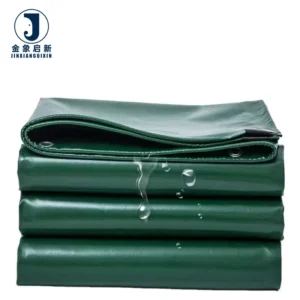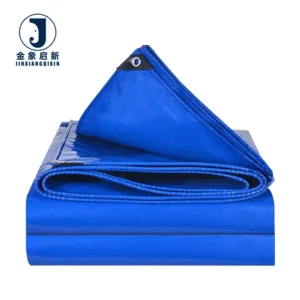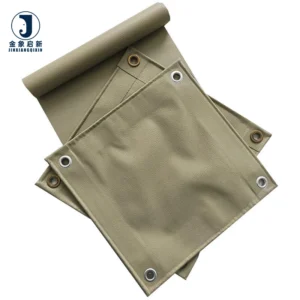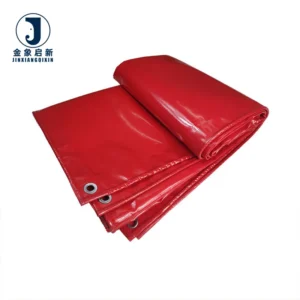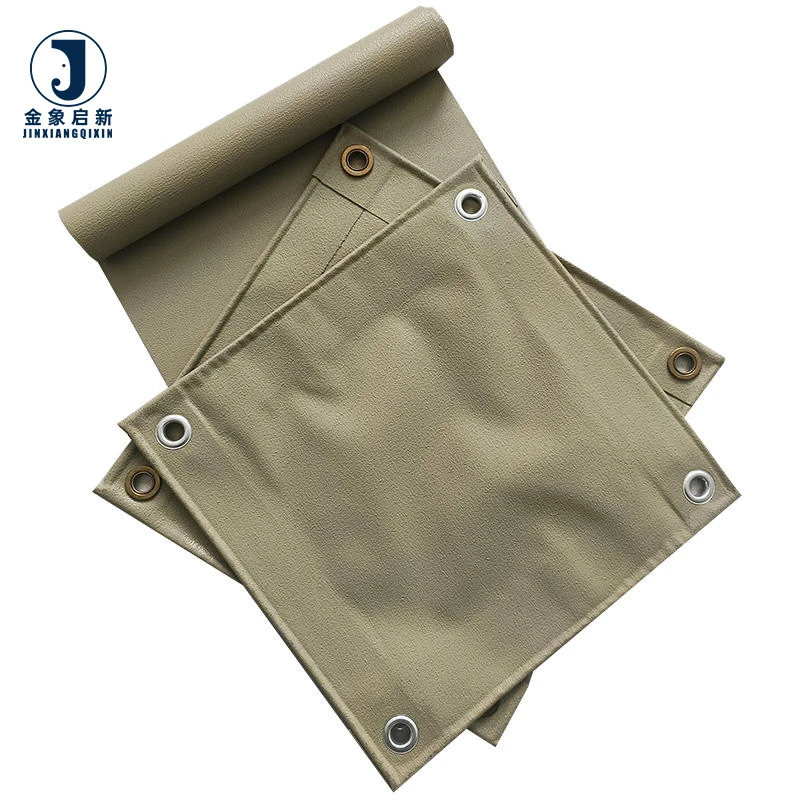
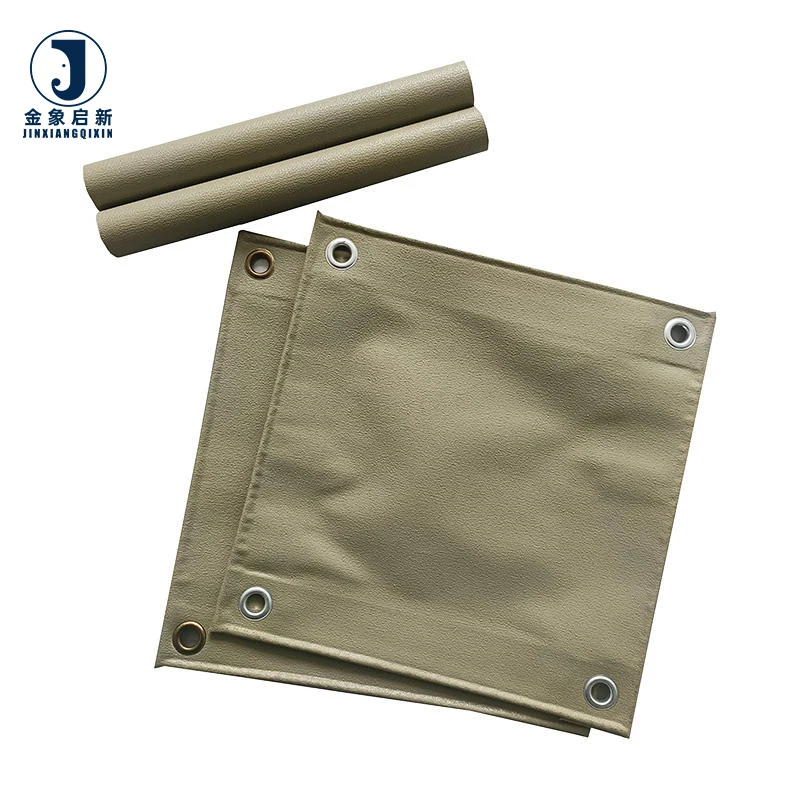
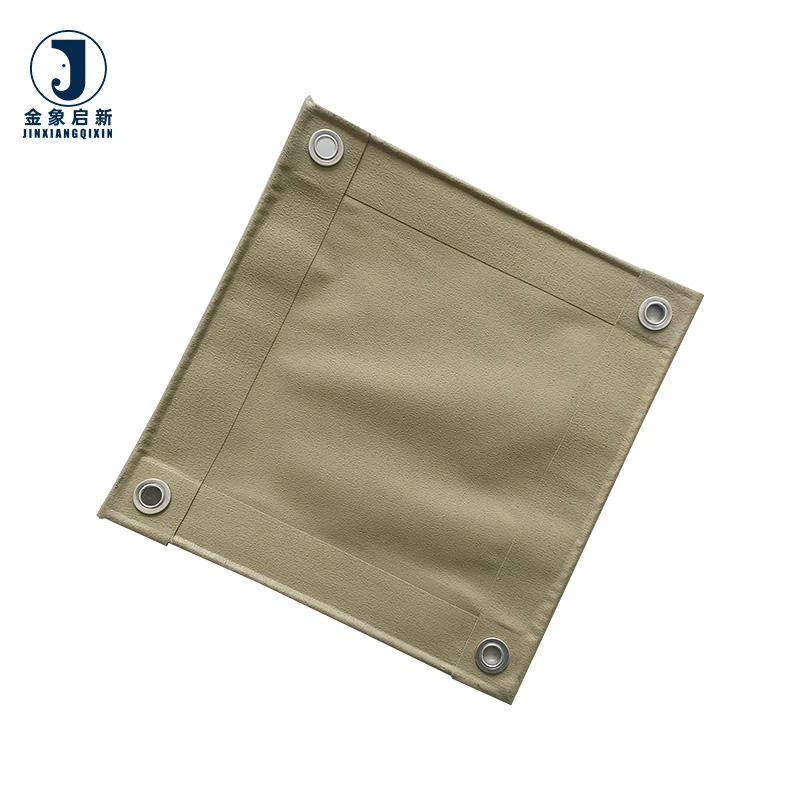
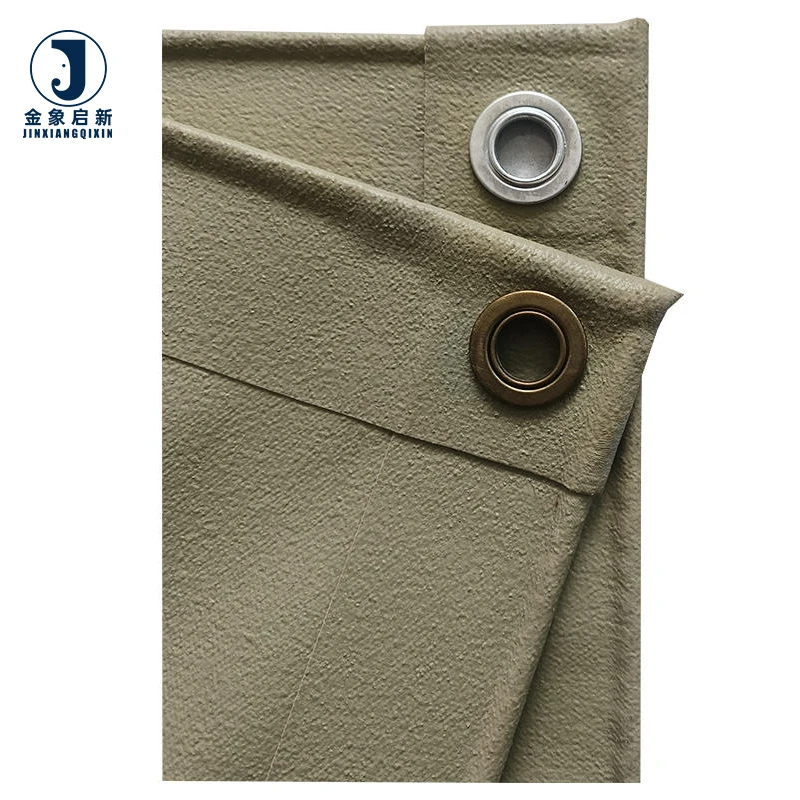
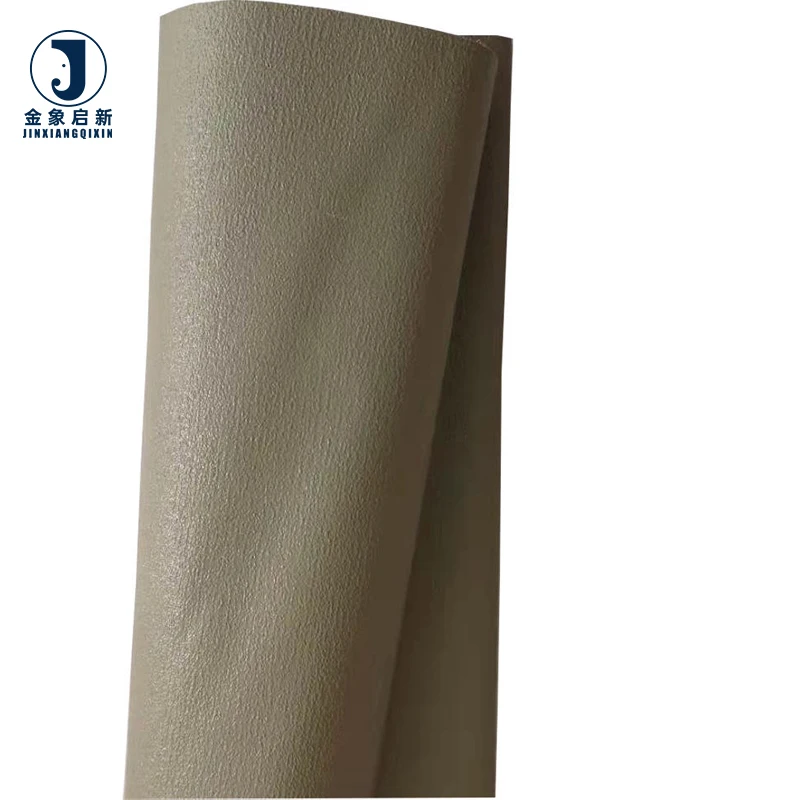
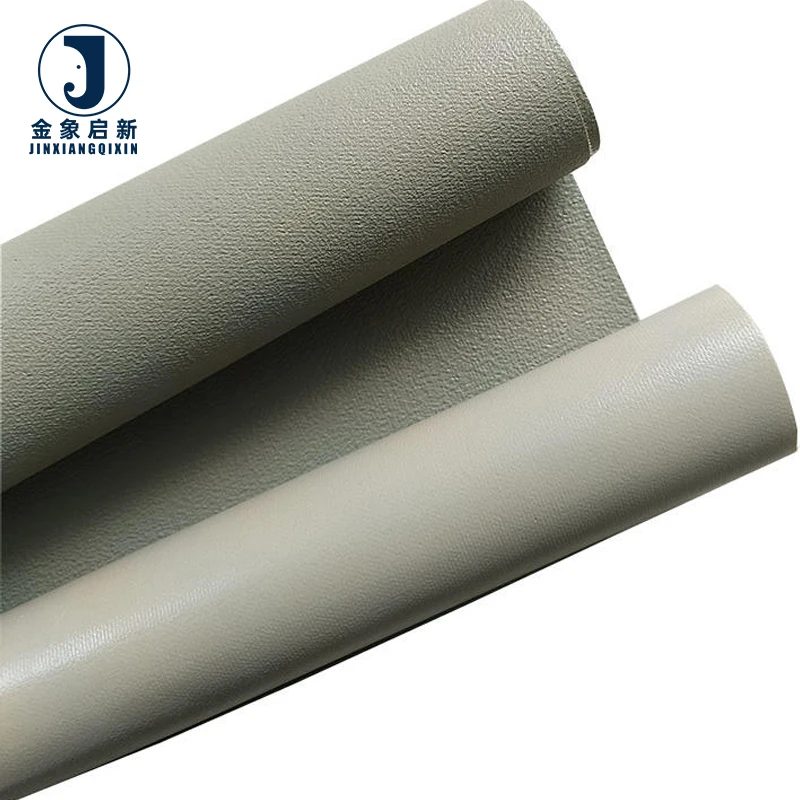
Description
Proven Process Control — Every roll leaves our facility with documented GSM verification, supporting distributors and importers who need batch-to-batch consistency across container volumes.
Technical Specifications
| Parameter | Value |
|---|---|
| Product Type | PVC Coated Tarpaulin |
| Weight (GSM) | At least 450 grams |
| Coating Material | PVC Vinyl |
| Coating Method | Knife Coated |
| Base Fabric Type | Woven Fabric |
| Base Fabric Denier | 1000×1000 (source value — verify against manufacturer catalog) |
| Waterproof | Yes |
| Finish | Banner coated / Black back coated (source value — verify against manufacturer catalog) |
| Anti-UV Treatment | Available — test basis not stated in source |
| Key Features | Waterproof, tear resistant, wear resistant |
Application Suitability
| Application | Exposure & Requirement |
|---|---|
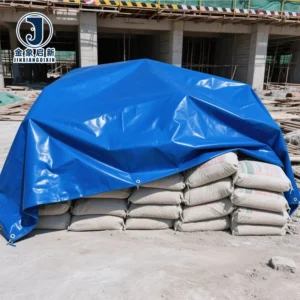
| Truck and Trailer Covers | Road debris impact, constant flexing at load points, prolonged weather exposure, secure tie-down tension |
| Industrial Equipment Protection | Dust ingress, moisture penetration, UV degradation from extended outdoor storage, mechanical abrasion from handling |
| Structure and Site Covers | Wind loading, rain pooling, repeated installation and removal cycles, UV exposure |
| Outdoor Tent Fabric | Tension stress at pole contact points, water shedding, UV stability, transport abrasion during setup |
| Vehicle Fleet Covers | Daily deployment and stowing, exhaust heat proximity, road grime and chemical splash exposure |
Why Roll-to-Roll GSM Consistency Matters More Than Stated Weight for Bulk Buyers
A quotation stating 450 GSM means nothing if the rolls arriving at your warehouse vary by a wide margin in actual weight.
When sourcing PVC coated tarpaulin roll stock by container volume, distributors and fabricators face a recurring problem: the GSM written on the purchase order does not match what the scale shows on arrival. Lighter rolls mean less coating material, which translates directly into reduced tear resistance and a shorter service life once the fabric is converted into truck covers or equipment shrouds. This discrepancy often surfaces only after the rolls have been cut, welded, and installed — making returns or claims costly and disruptive. [NEED_CITE: common discrepancy between quoted GSM and delivered roll weight in coated fabric procurement]
Batch-Verified Roll Stock for Distributors and Converters
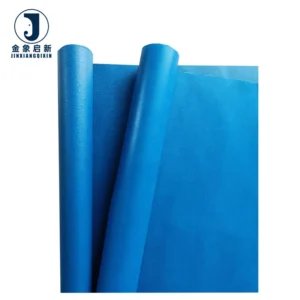
Securing PVC coated tarpaulin roll wholesale supply that holds consistent weight across every roll in a shipment requires production-stage QA, not just a final spot check. Our process involves weighing and recording every roll before it is cleared for dispatch. This means the roll packing list you receive reflects actual measured weights, allowing you to plan container loading and regional resale grades with confidence rather than assumption.
Container-Load Planning with Predictable Yield
When you are loading a 20-foot or 40-foot container, knowing the exact net weight and linear meterage per roll lets you calculate the total square meters of usable fabric before the vessel sails. Rolls with varying diameters or inconsistent linear lengths create dead space or force you to leave stock behind. Our PVC coated tarpaulin roll stock supplier process standardizes roll lengths within each grade, so container utilization stays predictable from one order to the next. [NEED_CITE: container loading optimization for coated fabric rolls by diameter and weight]
Colour and Finish Uniformity Across the Order
Distributors reselling roll stock to fabricators, or fleet operators covering multiple trailers, cannot accept visible colour shifts between adjacent rolls once the fabric is installed side by side. Batch colour matching is controlled at the coating stage, and every roll in a single order is produced within the same coating run wherever volume allows. Banner coated and black back finish options are maintained to the same colour reference throughout the batch, eliminating the visual mismatch that triggers rejection on site.
Understanding How Base Fabric and Coating Weight Interact
The 1000×1000 denier woven base fabric provides the structural skeleton, but it is the knife coating process that determines how well the PVC adheres to the yarn and fills the weave interstices. Knife coated application forces the PVC compound into the fabric under controlled pressure, producing a bond that resists delamination when the material flexes at fold lines or welded seams. The stated weight of at least 450 grams reflects the combined mass of base fabric and coating — a heavier grade would add coating thickness for higher abrasion resistance, while the current grade balances flexibility with durability for medium-duty truck and equipment cover applications. The woven structure also limits tear propagation: if a puncture occurs, the interlaced yarns prevent the tear from running unchecked across the panel.
The Hidden Cost of Specifying Rolls on Price per Kilogram Alone
Buying coated fabric rolls by the cheapest kilogram often means receiving a lighter base fabric with more filler in the coating compound, which compromises tensile strength and heat-weld integrity. Fabricators who convert roll stock into finished covers find that underweight material produces weak weld seams — the seam fails before the fabric body does, precisely where the load flexes most during transit. This failure pattern generates warranty claims that far exceed the initial savings on material cost. Sourcing on verified GSM and documented batch consistency, rather than unit price, protects your conversion yield and end-user reputation. [NEED_CITE: weld seam failure patterns in underweight PVC coated tarpaulin]
What This Supply Chain Brings to Your Roll Stock Programme
Three dedicated production lines and 36 sets of professional equipment allow us to schedule PVC coated tarpaulin roll stock production runs that meet container-volume demand without pushing delivery dates. A 10-person R&D team develops custom width, colour, and GSM samples within days, so you can evaluate a trial roll before committing to a full container order. Every roll passes through QA checkpoints at coating, curing, and winding stages, with a dedicated pre-shipment inspection covering weight, colour, and surface quality. The documentation package — including material specification sheets, pre-shipment inspection records, and roll packing lists — arrives with the shipment, not weeks later by email. [NEED_CITE: ISO 1421 test methods for tensile and tear properties of coated fabrics]
Documentation & Verification
- Material specification sheet confirming GSM, 1000×1000 base fabric denier, and knife coating method
- Pre-shipment inspection record with individual roll weight measurements against stated GSM
- Roll packing list showing net weight, linear meterage, and roll count for container loading
- Batch colour reference documentation ensuring consistency across all rolls in one order
- Certificate of origin and customs documentation included with every export shipment
Fabrication, Handling & Storage
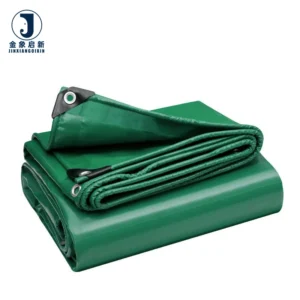
- Heat-weld at temperatures suited to knife coated PVC for full seam adhesion on at least 450 GSM rolls
- Store rolls upright on cores to prevent flat-spot creasing across the woven base fabric
- Allow cold-transported rolls to reach ambient temperature before unrolling to avoid coating crack
- Use compatible PVC adhesive for field repairs on banner coated or black back surfaces
- Plan cutting layouts to minimize offcuts when working with standard roll widths and lengths
Planning Your Roll Stock Order
To specify the right PVC coated tarpaulin roll stock for your market, provide your target GSM grade, required roll width, annual volume estimate, and the end-use application so we can recommend the appropriate finish and base fabric construction. If you are converting into finished covers, let us know whether you need standard stock widths or a custom width to optimize your cutting yield. Colour matching samples can be dispatched for approval before full production begins.
Frequently Asked Questions
Q: How do you verify that the GSM on the quotation matches the rolls I receive?
A: Every roll is individually weighed during the pre-shipment inspection. The recorded weight is logged against the stated GSM on the inspection record, which travels with your shipment. This lets you cross-check arrival weight against documented production data without relying on random sampling.
Q: Can I expect the same colour across all rolls in a bulk order?
A: Yes. Rolls within a single order are produced in the same coating batch wherever possible, and colour is checked against the confirmed reference at multiple production stages. The batch colour documentation included with your shipment confirms the reference used.
Q: What is the minimum order if I need a custom width or colour?
A: Custom widths and colours carry a minimum tied to coating line setup requirements. Provide your required width, colour reference, and estimated annual volume, and we will confirm the minimum roll count and lead time for a trial production run.
Q: How should I plan container loading for roll stock shipments?
A: The roll packing list provides net weight, roll diameter, and linear meterage per roll. Use these figures to calculate total square meters and container weight utilization. We can advise on roll length adjustments to maximize container fill for your chosen grade.
Q: What documentation is included with a bulk roll order?
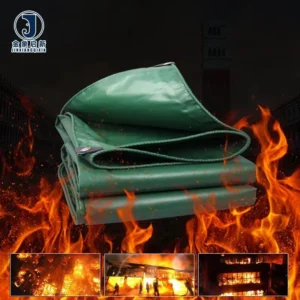
A: Each shipment includes a material specification sheet, pre-shipment inspection record with per-roll GSM verification, roll packing list, certificate of origin, and standard customs documentation. Flame retardant test reports are available for applicable grades upon confirmation of the required standard.