Description
Consistent Weight and Colour Across Rolls — Every PE tarpaulin roll is verified for GSM and batch colour before leaving the factory, ensuring uniform appearance and performance across the full order.
Technical Specifications
| Parameter | Value |
|---|---|
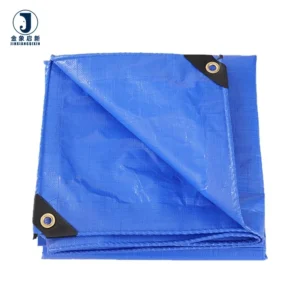
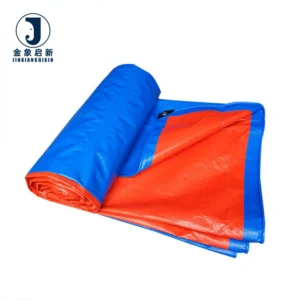
| Product Type | PE Tarpaulin Roll / Finished PE Tarpaulin |
| Material | HDPE weaving with LDPE lamination on both sides |
| Weight Range | 50 gr/m² ~ 220 gr/m² (confirm the grade for your application) |
| Total Thickness | 0.2–0.4 mm / 8 mil–16 mil |
| Roll Width | 6 ft, 8 ft, 10 ft, 12 ft or 2 m, 4 m, 6 m |
| Roll Length | 100 yards, 100 meters, or custom |
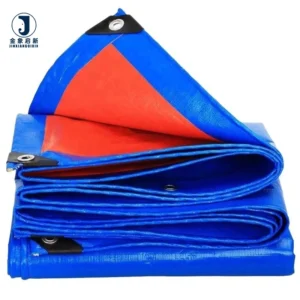
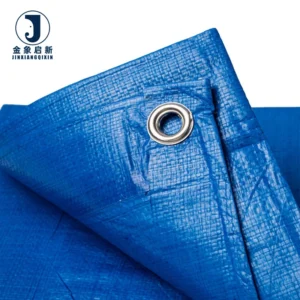
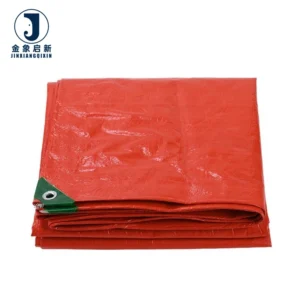
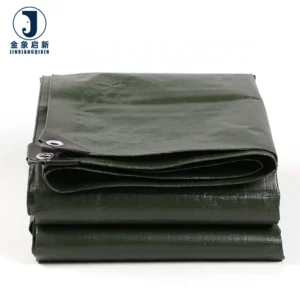
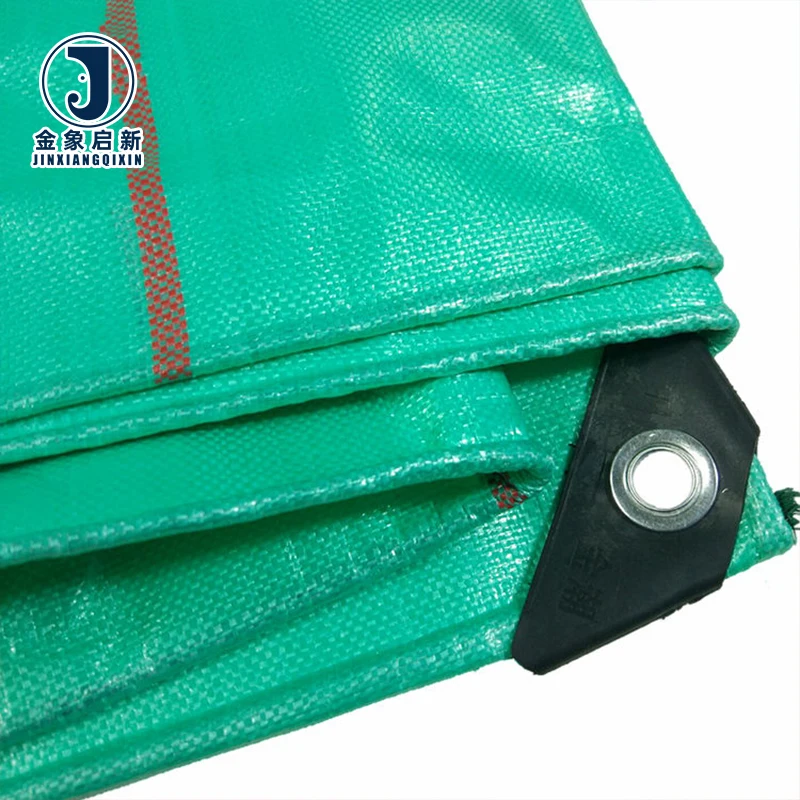
| Colour Options | Blue, Blue/Orange, Green, Grey, Black, Clear, Grey/Green, Orange, or custom |
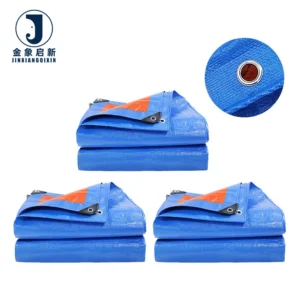
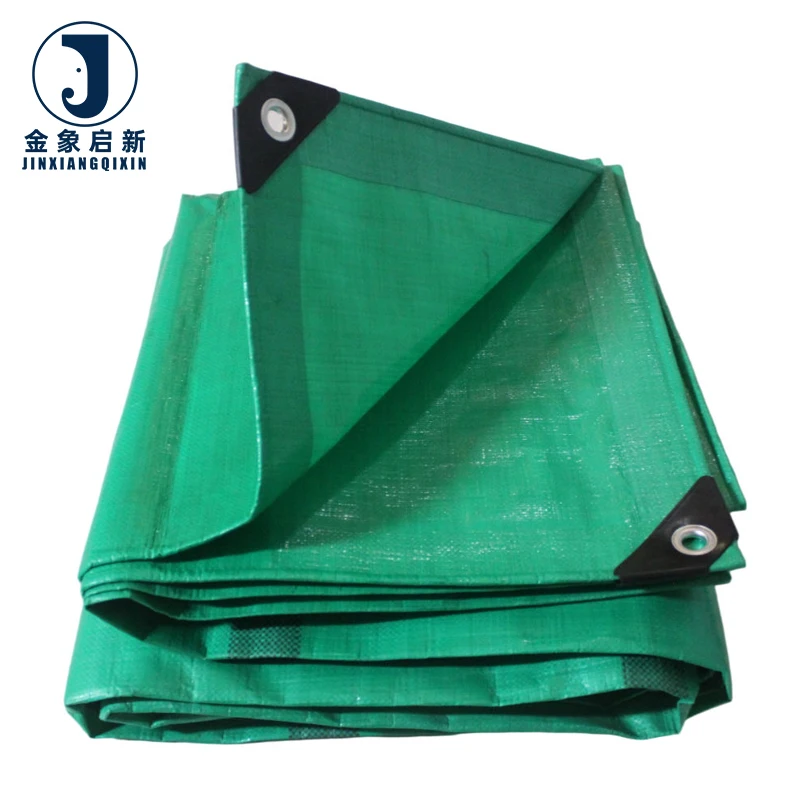
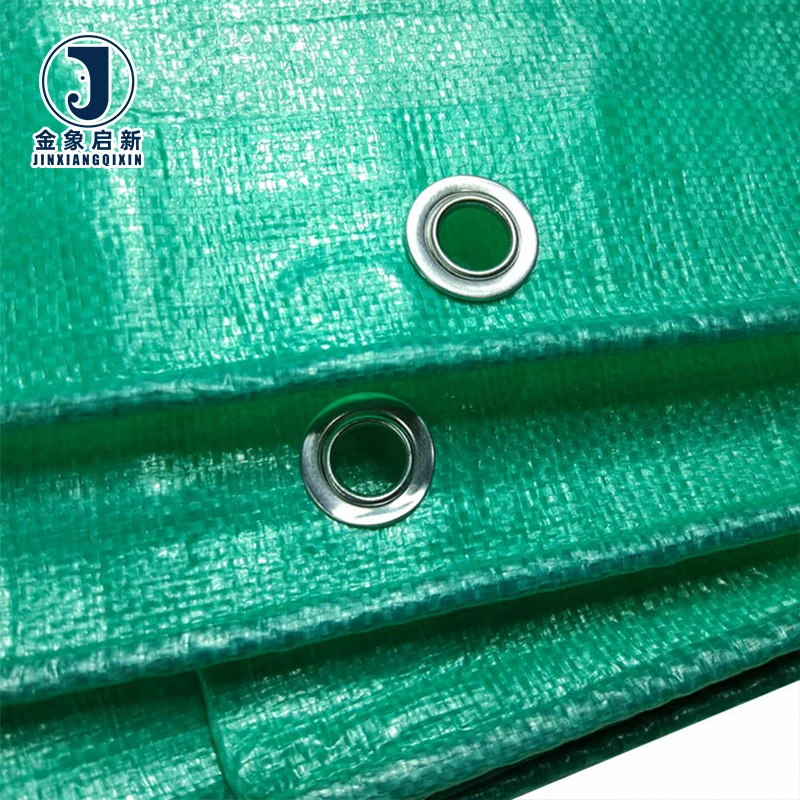
| Eyelet Spacing | Galvanised eyelets every 3 ft or 1 m |
| Hem Reinforcement | PP rope reinforced hem on all four edges |
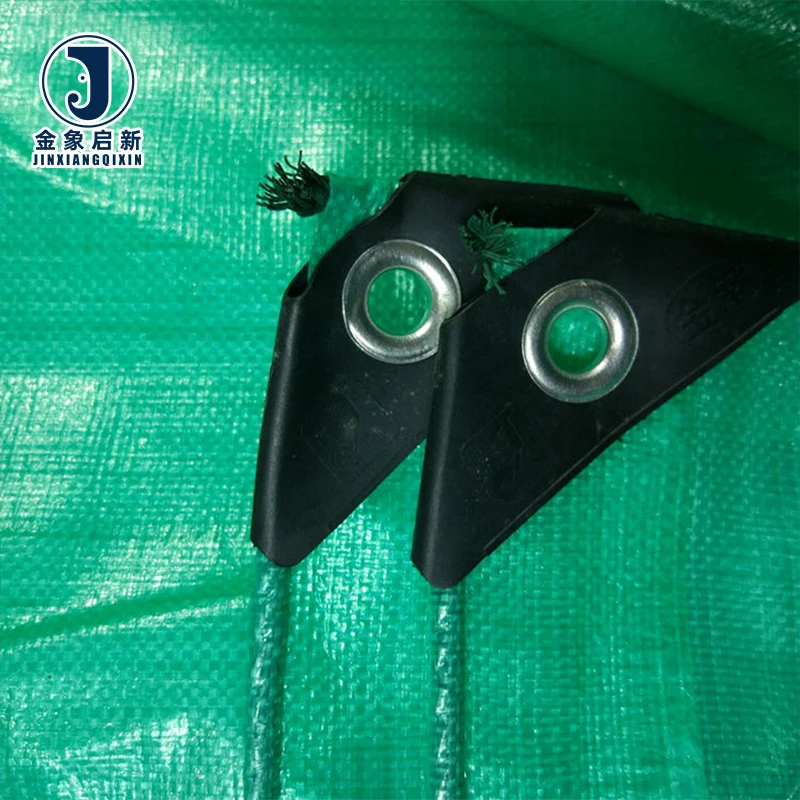
| Corner Reinforcement | Reinforced plastic corners |
| UV Treatment | Available (test basis not stated — confirm requirement) |
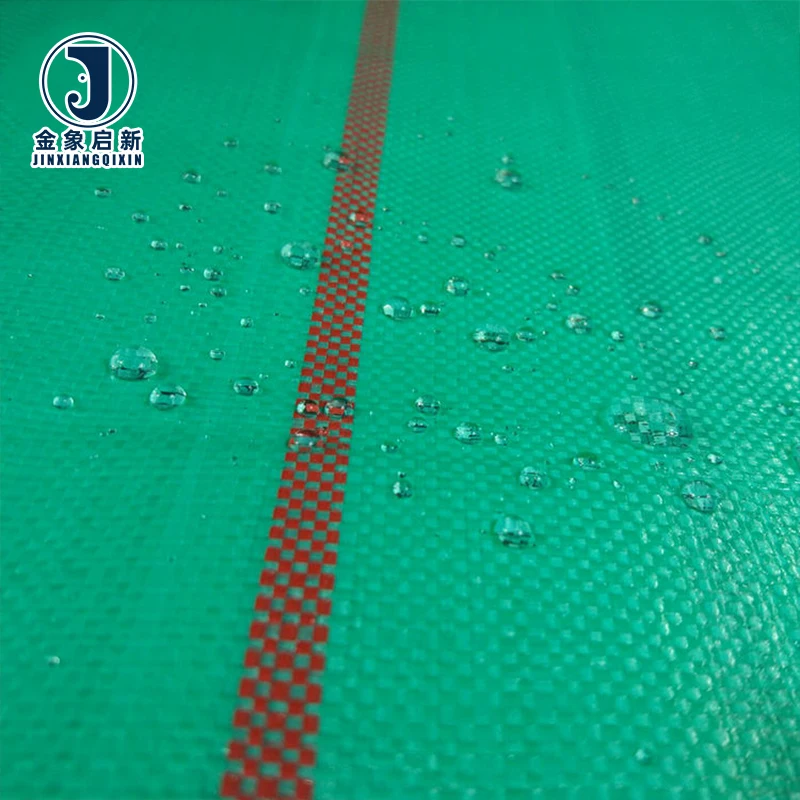
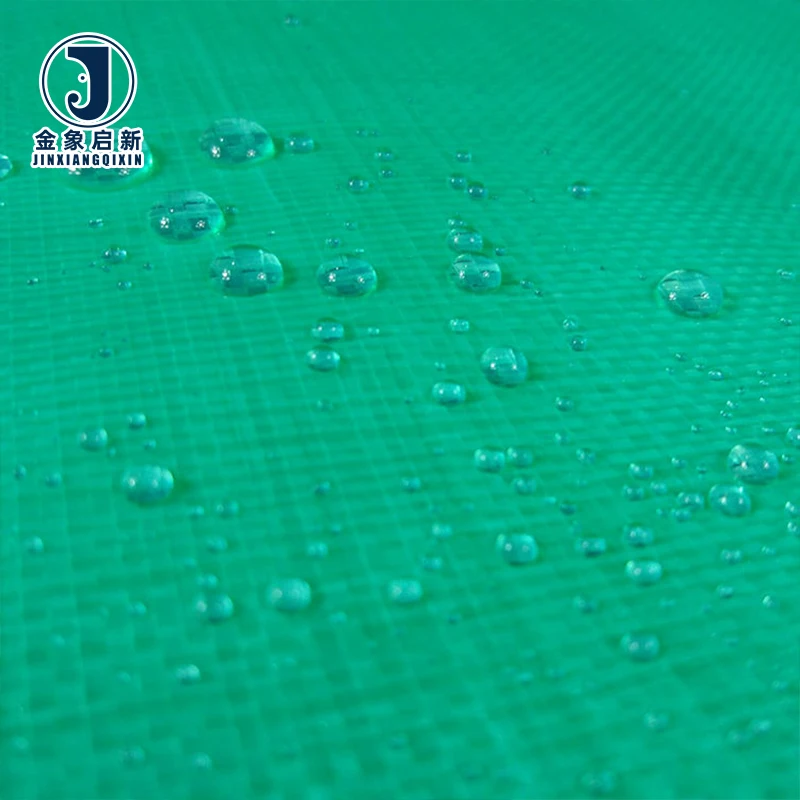
| Key Features | Waterproof, washable, tear resistant, weather proof, sunproof, mildew proof, anti-aging |
Application Suitability
| Application | Exposure & Requirement |
|---|---|
| Tarpaulin distributor warehouse stock | Multiple GSM grades and colour SKUs held in inventory, consistent roll-to-roll weight for reliable resale |
| Transport fleet in-house cut-to-size covers | Abrasion from road debris, wind flex during transit, UV exposure on open trailers |
| Agricultural stockpile and equipment covers | Prolonged sun exposure, rain ingress prevention, repeated deployment and folding |
| Construction site material protection | Dust, moisture, and site traffic contact on short-term outdoor storage |
Why Colour Shifts Between Rolls Can Cost More Than the Fabric Itself
Batch colour matching is a production discipline, not a lucky coincidence.
When a distributor receives a mixed container of blue and green PE tarpaulin, a visible shade difference between two rolls of the same SKU can render an entire batch unsaleable for retail display or contract installation. The buyer is left with dead stock that must be discounted or returned, and the reputational cost extends well beyond the invoice value. [NEED_CITE: colour measurement tolerances for coated polyethylene fabrics]
This problem typically traces back to inconsistent masterbatch dosing during the LDPE lamination stage or to temperature variation across the extrusion line. Buyers who specify a Pantone or RAL reference up front and require a signed-off sample before bulk production significantly reduce this risk.
Roll Width and Length Choices That Affect Container Loading Efficiency
Choosing the right roll width is not just about covering the load — it determines how many linear metres fit inside a 20-foot or 40-foot container and whether the cargo plan maximises floor space. PE tarpaulin roll stock in widths from 2 m to 6 m can be combined in a single shipment to serve different downstream applications, from narrow pallet covers to wide-span construction sheeting.
Buyers who plan the width mix against their cutting patterns reduce offcut waste and improve margin per roll. Longer roll lengths of up to 100 m or 100 yards also cut the number of changeovers on a converting line, reducing downtime for distributors running automated slitting and packaging equipment.
Batch Consistency from Lamination to Dispatch
Maintaining colour and weight uniformity across an order of bulk PE tarpaulin wholesale rolls requires process control at every stage. The HDPE base fabric must be woven to a consistent denier and pick count before it reaches the lamination line, because variation in the weave directly affects how much LDPE resin is absorbed and, consequently, the final GSM.
Our production lines run dedicated QC checks at the weaving, lamination, and winding stages. Pre-shipment inspection records confirm the measured GSM and colour reference for every roll in the batch, giving distributors documented assurance before the container is sealed. [NEED_CITE: ISO 1421 tensile and tear test methods for coated fabrics]
How GSM, Base Weave, and Coating Weight Interact
The stated GSM of a PE tarpaulin is the combined weight of the HDPE woven scrim and both LDPE lamination layers, and it cannot be interpreted in isolation. A 90 gr/m² roll with a tighter 8 × 8 weave may outperform a 110 gr/m² roll with a looser 6 × 6 weave in tear resistance because the yarn density distributes stress more effectively.
Thickness readings of 0.2–0.4 mm correlate with the lamination weight on each side, which in turn influences waterproof integrity and surface abrasion resistance. Heavier LDPE coats provide a thicker barrier against puncture but add stiffness that can complicate folding on finished tarpaulins. Distributors selecting stock should request both the GSM and the base fabric mesh count to make an informed comparison between grades.
The galvanised eyelets spaced at 1 m or 3 ft intervals transfer tie-down loads into the PP rope hem, and the spacing directly affects how much point load each eyelet must withstand. Closer intervals suit heavier covers exposed to high wind loads, while wider spacing is adequate for lightweight temporary sheeting.
The Hidden Cost of Under-Specified Roll Stock
Ordering a lightweight grade to save on per-kilo cost often leads to early failures in the field — pinholes after a season of UV exposure, hems tearing at the eyelet under moderate wind load, or lamination delamination along fold creases. The downstream complaint cost for a distributor far exceeds the raw material savings.
Similarly, accepting rolls without documented GSM verification means you cannot prove compliance to your own customers or to site auditors who request material certificates. [NEED_CITE: field failure analysis of polyethylene tarpaulins under extended UV exposure] Rolls that arrive lighter than quoted also shrink your margin per square metre, a discrepancy that is only discovered once the stock is weighed on arrival.
Why Source PE Tarpaulin Roll Stock from Jinxiang
Nearly three decades of focused production on coated and laminated fabrics gives us process data across thousands of production runs, enabling us to predict and prevent the weight and colour drift issues that affect inconsistent suppliers.
Three full production lines and 36 sets of professional equipment mean we can schedule dedicated runs for individual distributor orders rather than squeezing small batches between unrelated products, which is a common root cause of cross-contamination and colour shift.
Our 10-person R&D team develops custom colour samples within days, allowing you to approve a physical swatch before committing to a full container order and eliminating the guesswork of Pantone-to-plastic translation.
Dedicated QA/QC inspectors check every roll at multiple production stages, generating a pre-shipment inspection record that travels with the shipping documentation — not filed away in a drawer.
Documentation & Verification
- Material specification sheet stating confirmed GSM, HDPE base fabric mesh count, and LDPE coating weight per side
- Pre-shipment inspection record with measured weight and colour check for each roll in the order
- Roll packing list detailing roll count, net weight, and gross weight per container for logistics planning
- Certificate of origin and customs documentation for cross-border PE tarpaulin shipment
- UV treatment test documentation where applicable — confirm the standard required for your market
Fabrication, Handling & Storage
- Slit rolls on a tension-controlled unwinder to avoid stretching the 50–220 GSM LDPE lamination during converting
- Weld hems at temperatures matched to LDPE melt point; excessive heat will thin the coating at the weld line
- Store rolls vertically on pallets to prevent flat spots and permanent creasing on the LDPE surface
- Keep eyelet-reinforced finished tarpaulins away from sharp metal edges that can puncture the reinforced plastic corners
- Allow cold-stored rolls to reach ambient temperature before unrolling to prevent brittle cracking at low GSM grades
- Stack containers with the PE tarpaulin rolls secured to prevent telescoping during transit and unloading
What We Need to Prepare Your Quotation
To move from inquiry to sample approval, provide the target GSM range and the stock colours you need in inventory. Confirm whether you require roll stock only or finished cut-to-size tarpaulins with eyelets and hems, and specify the roll widths and lengths that suit your converting equipment or resale format.
If your end market demands UV treatment or specific labelling requirements, share the relevant standard so we can match the formulation and provide supporting documentation with the bulk PE tarpaulin wholesale order.
Frequently Asked Questions
Q: How do you verify the GSM on every roll before shipment?
A: Each roll is sampled and weighed against the stated GSM during pre-shipment inspection. The measured values are recorded on the inspection report that accompanies the shipping documentation, so you can reconcile arrival weight against the quotation without guesswork.
Q: What is the minimum order for a custom width or colour?
A: Custom widths and colours are produced on dedicated runs. Minimum quantities depend on the selected roll width and the GSM grade. Contact us with your target specification and we will confirm the minimum along with the production lead time.
Q: Can multiple GSM grades and colours be mixed in one container?
A: Yes. A container load can combine different weight grades, colours, and widths, provided each SKU meets its respective minimum. We provide a detailed container loading plan so you can verify the mix before production begins.
Q: How do you control colour consistency across rolls in the same batch?
A: Masterbatch dosing is calibrated at the start of each production run and monitored at intervals during lamination. A signed-off colour sample serves as the production reference, and every roll is visually checked against it before winding.
Q: What documentation ships with a roll order?
A: Every order includes a material specification sheet, pre-shipment inspection record, roll packing list with weight and count, certificate of origin, and customs support documents. UV or other treatment reports are included where applicable and requested.