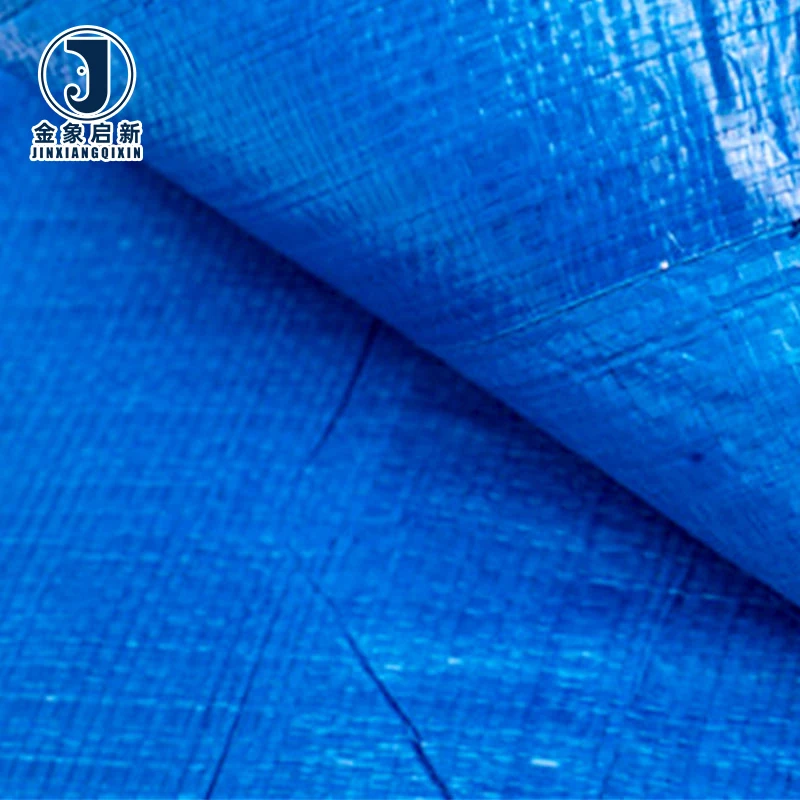
Description
Batch-to-batch consistency — verified through a three-stage QA process across three production lines, ensuring every PE tarpaulin roll ships at the stated GSM and colour reference.
Technical Specifications
| Parameter | Value |
|---|---|
| Product Type | PE Tarpaulin |
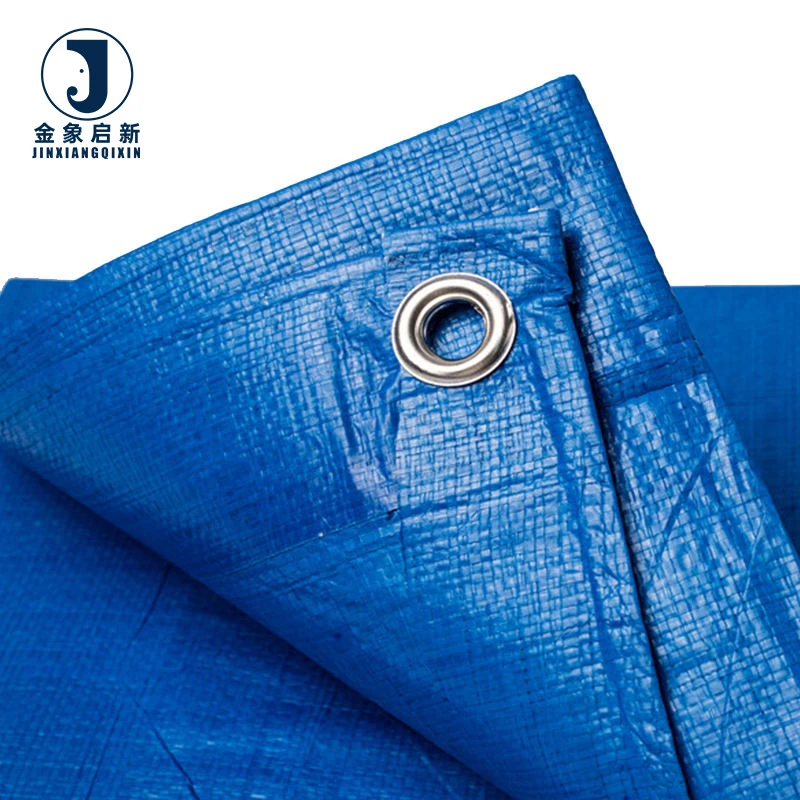
| Material | Polyethylene (high density weaving PE) |
| Weight Range | 40–500 g/m² (confirm the grade for this item) |
| Lightweight Grade | 80–110 g/m², 0.18–0.22 mm |
| Medium Grade | 120–150 g/m², 0.22–0.28 mm |
| Heavy-duty Grade | 160–240 g/m², 0.30–0.35 mm |
| Knitting Density | 5×5 to 20×20 (confirm the grade for this item) |
| Tensile Strength – Lightweight | Meridian 300–500 / Latitude 250–450 N/5cm (test basis not stated) |
| Tensile Strength – Medium | Meridian 500–800 / Latitude 400–700 N/5cm (test basis not stated) |
| Tensile Strength – Heavy-duty | Meridian 900–1200 / Latitude 700–1000 N/5cm (test basis not stated) |
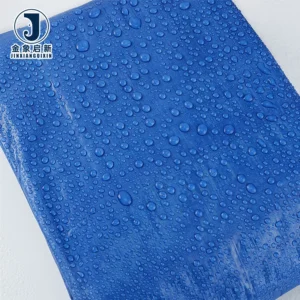
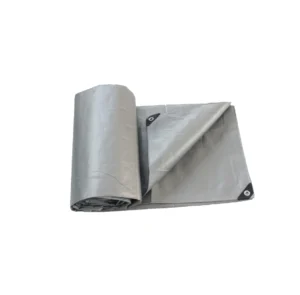
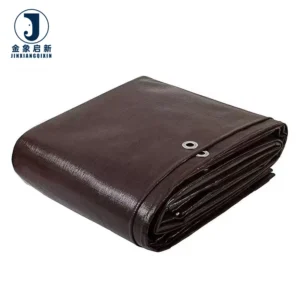
| Surface | Double waterproof coated surfaces |
| UV Treatment | Available — confirm the grade required for your market |
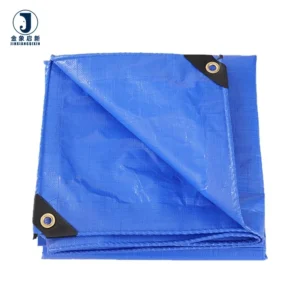
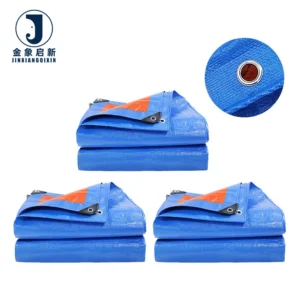
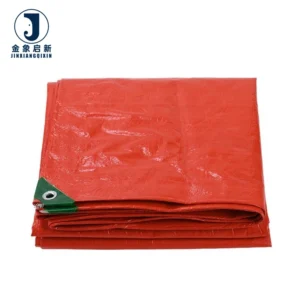
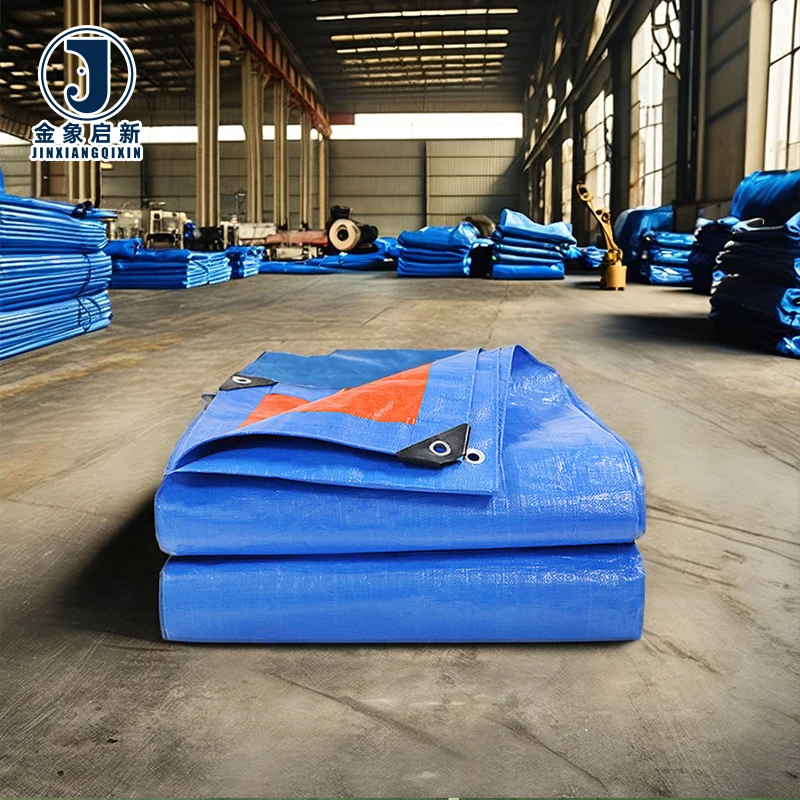
| Reinforcement | Reinforced rustproof grommets, reinforced corners |
| Grommet Spacing | 39.4 inches (center to center) |
| Size | Custom size |
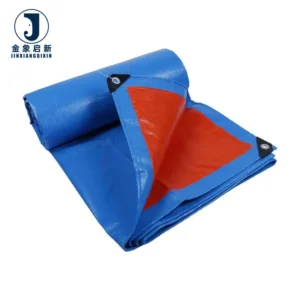
| Color | Custom color |
| Certifications | ISO, CE (company-level) |
Application Suitability
| Application | Exposure & Requirement |
|---|---|
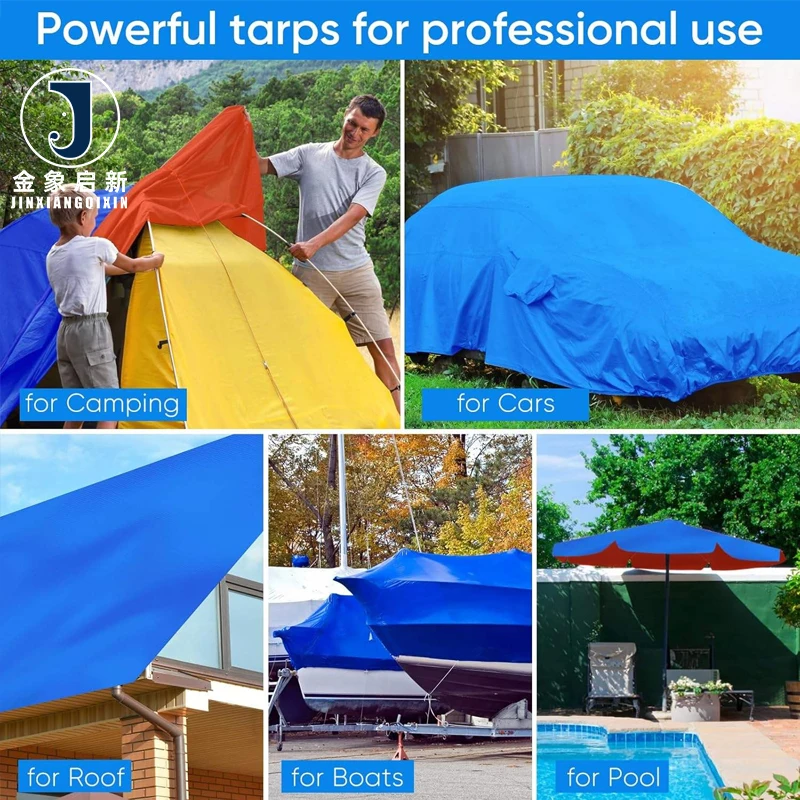
| Greenhouse and nursery covering | Constant UV exposure, condensation drip, seasonal wind load — requires UV-treated lightweight grade with waterproof surface |
| Tent and canopy manufacturing | Roll-fed cutting, heat-welded or stitched seams, colour matching across panels — demands batch-to-batch colour consistency |
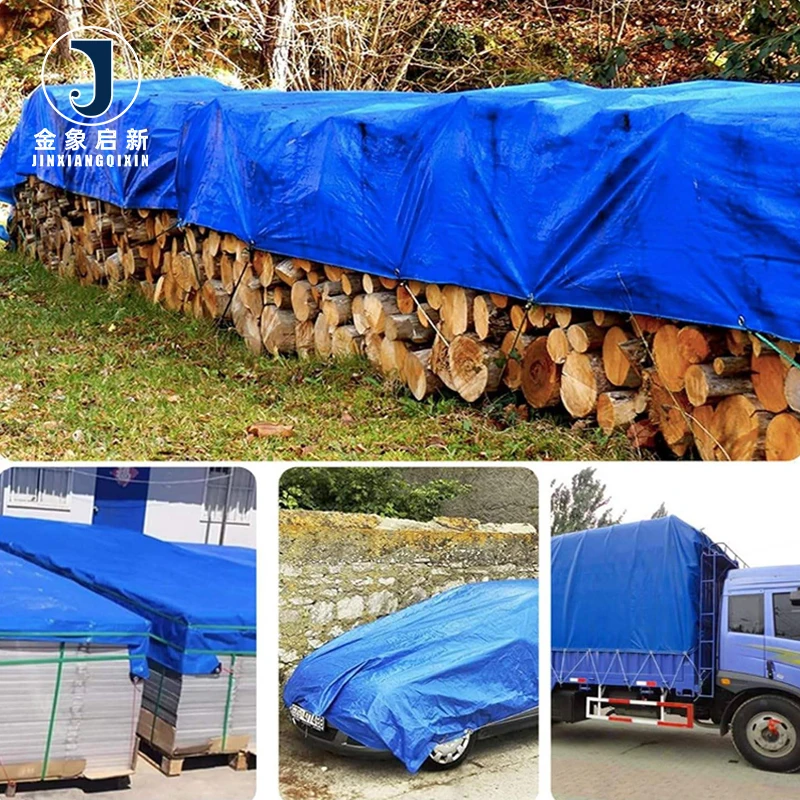
| Warehouse and stockpile coverage | Abrasion from loading equipment, pooling water, repeated handling — needs medium to heavy-duty GSM with reinforced hems |
| Agricultural pond and reservoir lining | Permanent water contact, soil chemistry, puncture risk from substrate — requires heavier gauge with double-coated waterproof surface |
| Truck and trailer load protection | Road vibration, flexing at tie-down points, weather exposure — calls for heavy-duty grade with reinforced grommets |
Why Roll-to-Roll GSM Consistency Matters More Than the Quoted Number
A PE Tarpaulin roll that arrives lighter than the specification sheet creates downstream failures that no amount of post-delivery testing can fix.
Distributors and fabricators routinely face a situation where the quoted GSM passes the paperwork check, yet the physical roll weighs less once unwrapped and measured. This gap is not always deliberate — coating weight can drift across production runs when process controls lapse between batches. For a tarpaulin distributor stocking multiple grades, a single underweight roll can trigger a return from an end customer who installed it and found it tearing under normal load [NEED_CITE: tensile and tear test methods for coated fabrics per ISO 1421]. For a tent manufacturer, the consequence is a panel that does not match the adjacent one in stiffness or drape, visible once the structure is erected.
How Knitting Density and Coating Weight Combine to Define Real Performance
The PE Tarpaulin roll you specify is only as strong as the weakest variable in its construction. Knitting density — expressed as warp and weft count per unit area — determines how the base fabric distributes load. A 10×10 weave spreads tensile force across more yarn intersections than a 5×5 weave of the same denier, reducing the chance of a single broken yarn propagating into a full tear. Coating weight then locks those yarns in place and adds the waterproof barrier. When coating weight drops but knitting density stays the same, the fabric feels right in hand but fails earlier under sustained tension. This is why requesting both the knitting density and the verified coating weight per roll batch is essential before placing a bulk order.
Batch Colour Matching Across Multi-Roll Shipments
Colour variation between rolls is one of the most common rejection reasons in tarpaulin distribution. Two rolls specified in the same Pantone reference can appear different under daylight if the pigment dispersion was not controlled during compounding. For tent and canopy makers installing panels side by side, even a slight shift in hue becomes immediately visible [NEED_CITE: colour fastness and batch consistency standards for coated PE fabrics]. Maintaining consistency requires that each production run references the same master colour standard, and that pre-shipment inspection includes a visual comparison of rolls from different batches within the same order. This process is the difference between a clean installation and a rejected container load.
Reading the Specification Sheet Beyond the GSM Number
GSM tells you how much the fabric weighs per square metre, but it does not tell you where that weight sits. A 150 g/m² PE Tarpaulin roll can achieve its weight through a heavier base fabric with a thin coating, or a lighter base fabric with a thick coating. The first construction delivers higher tensile and tear strength because the woven yarns carry the structural load. The second gives better waterproofing and surface feel but may tear more easily at stress points. Knitting density provides the missing piece — a higher mesh count at the same GSM indicates finer yarns woven more tightly, which improves tear resistance but may reduce puncture resistance compared to a coarser, heavier-denier weave. Understanding this balance lets you select the grade that matches the actual mechanical demands of the application, rather than choosing solely on weight.
What Happens When the Wrong Grade Reaches the Field
Specifying a lightweight 80 g/m² roll for a warehouse cover that will be handled daily leads to grommet pull-through and edge tearing within the first season. Selecting a heavy-duty grade for a greenhouse application that only needs light rain protection adds unnecessary cost and makes the fabric harder to handle and tension over the frame [NEED_CITE: common specification errors in PE tarpaulin procurement for agricultural use]. For distributors, the hidden cost is not the product itself but the logistics of returns, replacements, and damaged relationships with end buyers who expected the quoted grade to perform.
Why Procurement Teams Consolidate PE Tarpaulin Roll Stock Here
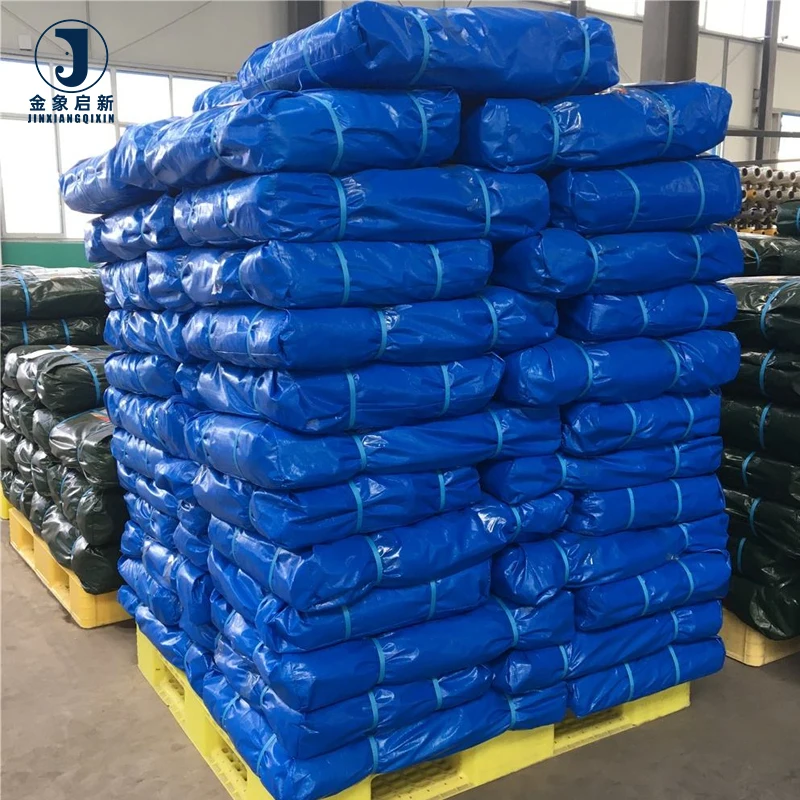
Three full production lines run dedicated PE tarpaulin grades simultaneously, so a container mixing lightweight 80 g/m² and heavy-duty 240 g/m² rolls ships on a single lead time rather than waiting for sequential runs. A 10-person R&D team develops custom width and colour samples within days, letting distributors confirm the exact roll specification before committing to a full order. QA checkpoints at coating, winding, and pre-shipment stages verify GSM and colour against the specification sheet for every roll, not just a sample from the start of the batch. Roll packing uses reinforced cores and protective wrapping to prevent transit damage and edge creasing during container shipping. The documentation package — including material specification sheet, pre-shipment inspection record, and container loading plan — gives importers full traceability from order to port.
Documentation & Verification
- Material specification sheet listing GSM, knitting density, and coating type per roll batch
- Pre-shipment inspection record confirming 100% roll-by-roll check before dispatch
- Colour reference matched to Pantone or RAL with batch comparison notes
- UV and waterproof test reports supplied for treated grades on request
- Roll packing list with container loading plan by roll count and gross weight
- Certificate of origin and customs documentation for destination market
Fabrication, Handling & Storage
- Heat-weld medium and heavy-duty PE rolls at moderate temperature to avoid coating delamination at seam edges
- Reinforce grommet zones with extra fabric patches on lightweight 80–110 g/m² grades to prevent pull-through
- Store rolls upright on reinforced cores to prevent flat spots and permanent creasing of the coated surface
- Unroll and allow PE tarpaulin sheets to relax before cutting to avoid tension-driven measurement drift
- Clean waterproof coated surfaces with mild detergent only — solvents degrade the PE coating layer
- Cut nested panel layouts to minimise offcut waste when working with standard roll widths
Before You Request a Quote
Provide the target GSM grade or end-use application so we can recommend the correct knitting density and coating weight. Specify the roll width and colour reference — Pantone or RAL — along with the estimated annual volume, as this determines the production scheduling and bulk pricing tier. If you require UV-treated or fire-retardant grades, state the certification or standard your market demands so the correct formulation is selected. Sample rolls are available for approval before full container production begins.
Frequently Asked Questions
Q: What GSM grades are available for immediate PE Tarpaulin roll shipment?
A: Lightweight grades from 80–110 g/m², medium grades from 120–150 g/m², and heavy-duty grades from 160–240 g/m² are produced regularly. Stock availability depends on width and colour. Confirm your required grade, width, and colour so we can check current roll inventory or schedule the nearest production run.
Q: How is colour consistency maintained across multiple rolls in one order?
A: Every production batch references the same master Pantone or RAL colour standard. Pre-shipment inspection includes a side-by-side visual comparison of rolls from different positions within the run. Rolls that do not match the approved sample are separated and not shipped with the order.
Q: Can I receive a sample roll before placing a full container order?
A: Sample rolls are developed within days for custom width, colour, or GSM requirements. Approval of the sample roll locks the production specification for the bulk order. This step ensures the rolls you receive match the exact weight, colour, and surface finish you evaluated.
Q: What is the minimum order for custom width or custom colour rolls?
A: Minimum quantities vary by grade and the degree of customisation required. Standard widths and stock colours typically carry lower minimums than fully custom specifications. Provide your target width, colour reference, and GSM grade so we can confirm the applicable minimum and lead time for your roll stock order.
Q: What documentation accompanies each PE Tarpaulin roll shipment?
A: Each shipment includes a material specification sheet per grade, a pre-shipment inspection record, a roll packing list with container loading details, and a certificate of origin. UV and waterproof test reports are included for treated grades. ISO and CE certificates are available at the company level upon request.