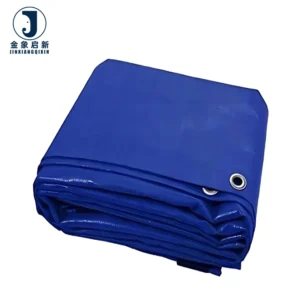
Description
Roll-to-roll consistency — controlled through in-process coating weight checks and batch colour matching, ensuring every PVC tarpaulin roll in a container load meets the quoted specification.
Technical Specifications
| Parameter | Value |
|---|---|
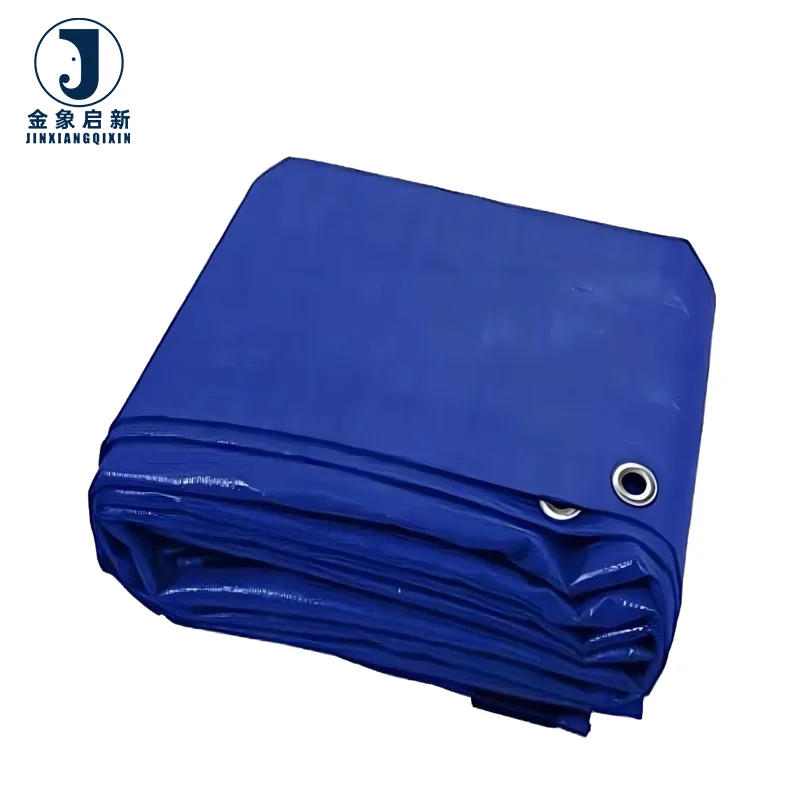
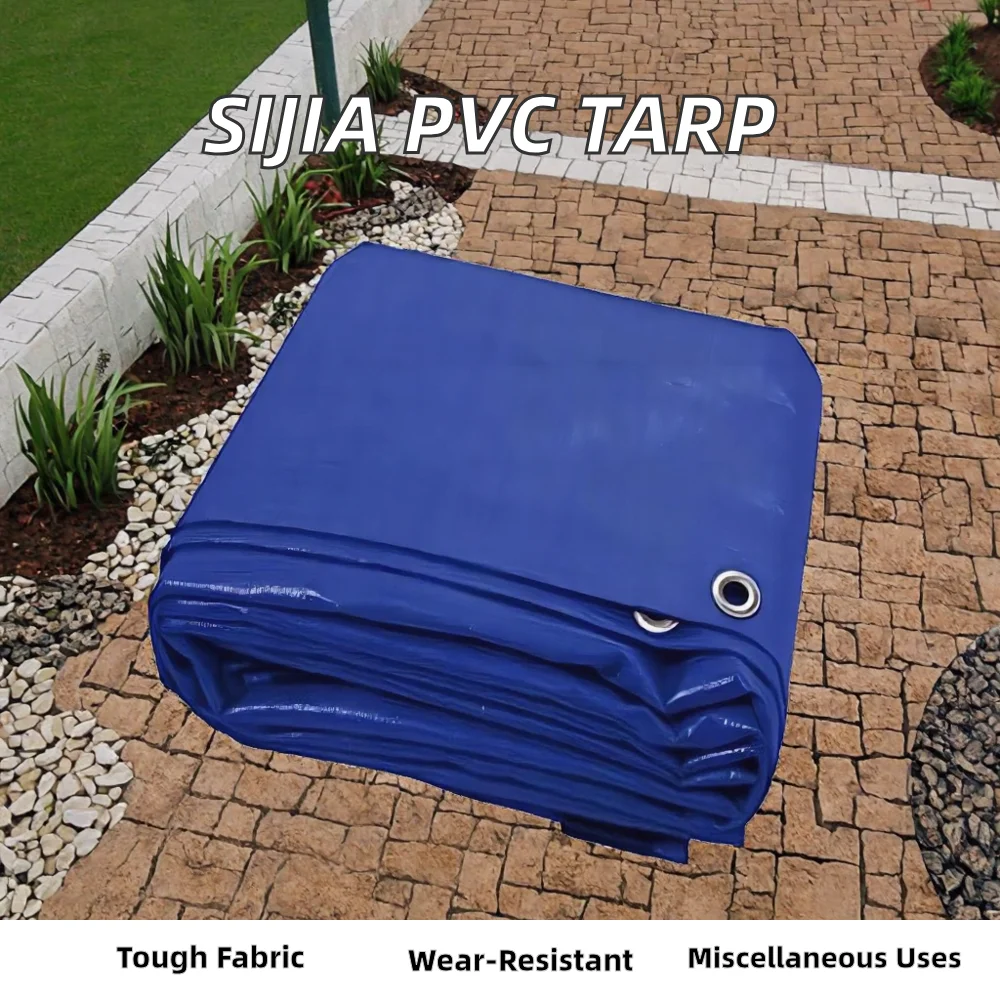
| Product Type | PVC Coated Tarpaulin Roll / Truck Tarpaulin |
| Base Fabric | High-strength polyester mesh fabric |
| Coating Material | PVC |
| Weight (GSM) | 350gsm / 420gsm / 500gsm / 550gsm / 600gsm / 750gsm |
| Total Thickness | 0.32mm / 0.35mm / 0.4mm / 0.45mm / 0.5mm / 0.65mm |
| Coating Method | Laminated technology & Hot-melt Coating technology |
| Roll Width | 2m / 2.1m |
| Roll Length | 75m / 50m |
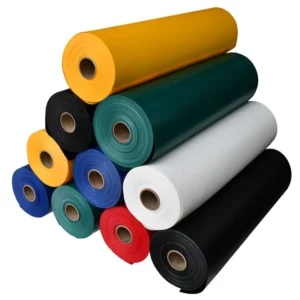
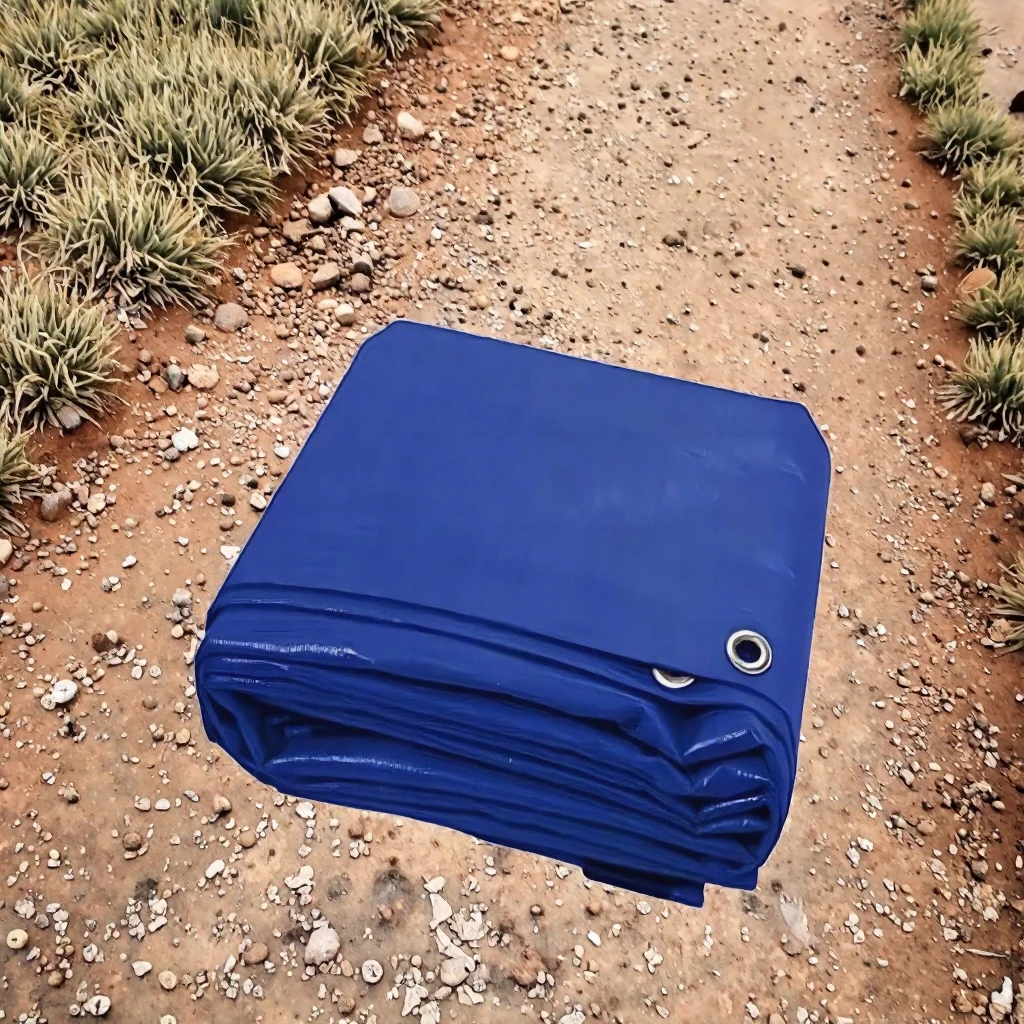
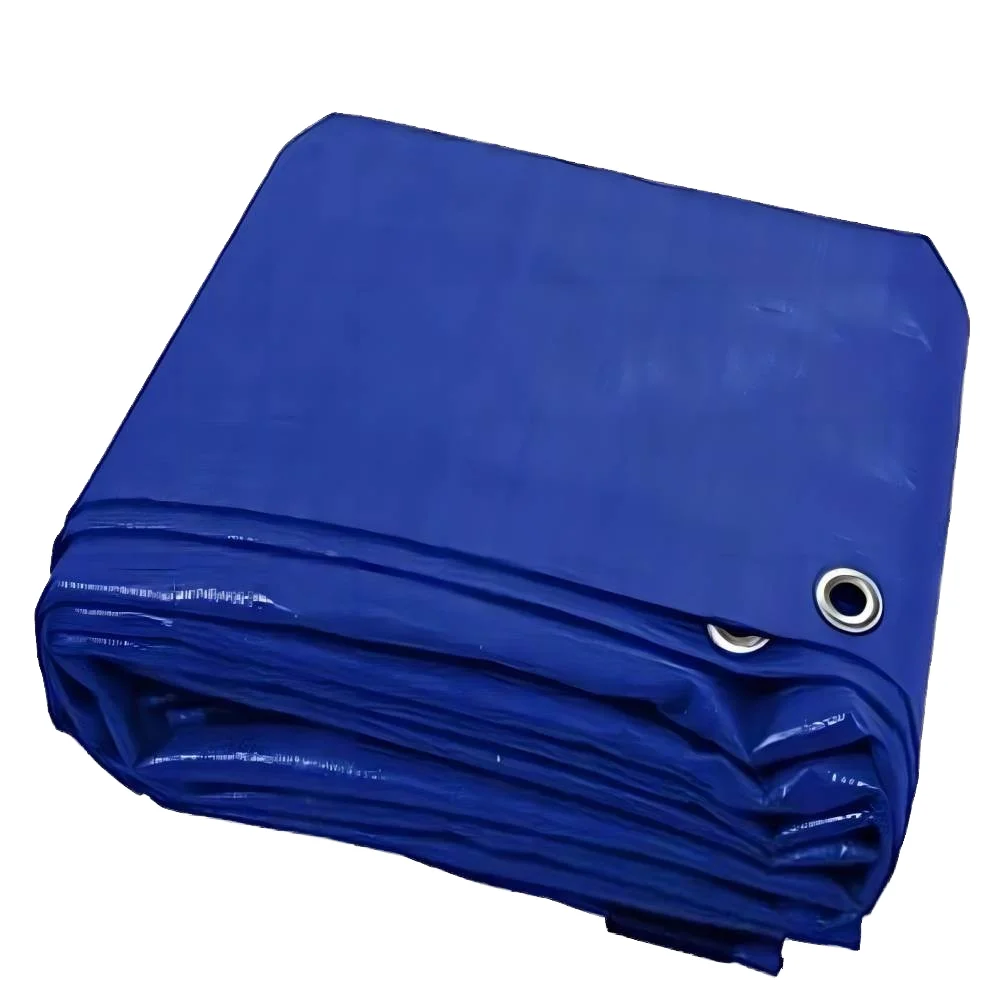
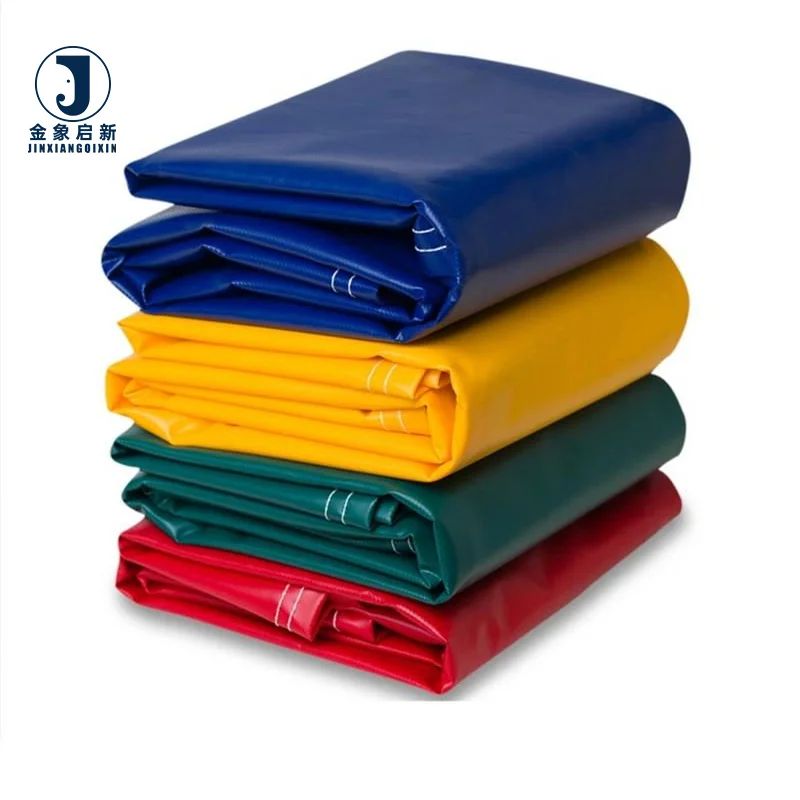
| Color Options | Blue / Red / Yellow / Light blue / Grey (Customized) |
| Waterproof | Stated |
| Cold Crack Resistance | Stated (temperature range not specified) |
| Anti-Static | Available — confirm the grade required for your application |
| Anti-Mildew | Available — confirm the treatment level required for your market |
| UV Treatment | Available in sunproof grades — confirm the test basis required |
| Flame Retardant | Available in flame retardant grades — confirm the grade required for your market |
| Color Fastness | Available in high color fastness grades — confirm the rating required |
| Key Features | High tenacity polyester yarns, strong adhesion, outstanding tearing strength for welding, flexible across temperature ranges |
Application Suitability
| Application | Exposure & Requirement |
|---|---|
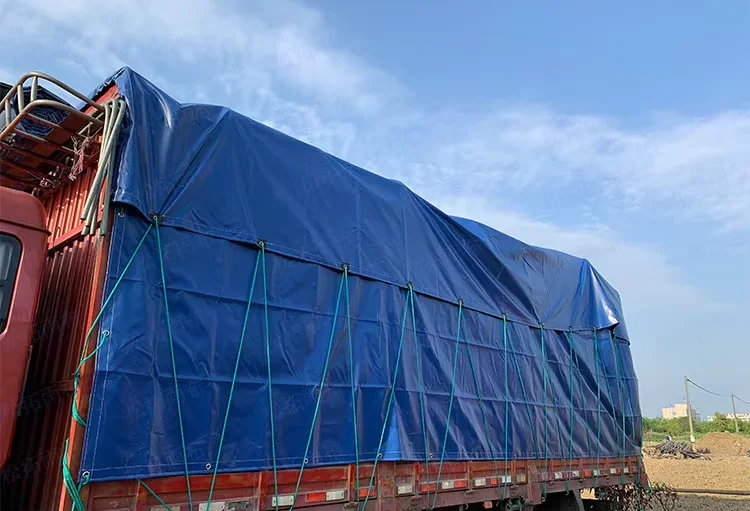
| Truck side curtain and awning | Constant flexing at hinge points, road debris abrasion, prolonged sun and rain exposure, repeated roll-up tension |
| Cargo ship cover | Saltwater spray, wind-load stress on tie-down points, UV degradation over extended voyages |
| Tent and awning structure | Large-span tension, UV and weather exposure, requirement for color consistency across panels |
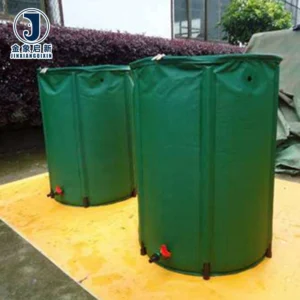
| Fish tank and pool liner | Permanent water immersion, chemical interaction with water treatments, puncture risk from substrate |
| Equipment and machinery cover | Outdoor storage exposure, wind flap fatigue, handling abrasion during removal and replacement |
Why Batch Consistency Matters More Than Quoted GSM for Roll Buyers
GSM on paper means nothing if the roll on the dock is lighter, a different shade, or fails at the weld.
Buyers who source PVC Coated Tarpaulin Roll wholesale regularly face a pattern: the quotation states a specific weight, but the delivered material tests lighter once unrolled and sampled. The gap may seem marginal per square metre, yet across a full container of rolls, it translates into thinner coating, reduced tear resistance, and weld seams that part under load [NEED_CITE: tensile and tear test methods for coated fabrics per ISO 1421]. Colour drift between rolls in the same shipment compounds the problem when fabricators cut and sew panels side by side on a truck body or tent structure — the mismatch becomes visible to the end user and triggers rejection. These are not manufacturing edge cases; they represent the most common reasons wholesale tarpaulin orders generate disputes after delivery.
Roll Dimensions Optimised for Container Planning
Standard stock rolls ship at 2m × 75m or 2.1m × 50m, dimensions chosen to maximise floor and cubic utilisation inside a 20ft or 40ft container. When purchasing PVC Coated Tarpaulin Roll wholesale, fabricators and distributors can calculate exact roll counts per shipment against their cutting yield, reducing dead stock from offcuts. Both width options accommodate the majority of truck side curtain panels and awning frames without requiring a centre weld, which preserves structural continuity and keeps fabrication time predictable.
Coating Adhesion and Weld Integrity Across the Roll
Hot-melt coating technology bonds the PVC layer to the polyester mesh under heat and pressure, creating an adhesion bond that survives the flex cycles a truck curtain endures at its hinge and tie-down points. Laminated technology offers an alternative cost position for applications where flex demands are lower, such as static equipment covers or temporary pond liners. The distinction matters when planning fabrication: hot-melt coated rolls typically tolerate higher heat-weld temperatures and produce stronger seam joints, which is why transport fabricators specify them for curtain-side bodies [NEED_CITE: hot-melt versus laminated coating adhesion performance on polyester mesh].
Reading GSM, Thickness, and Weave Together
A stated GSM figure alone does not determine how the fabric will perform in service. Weight comes from both the polyester base fabric and the PVC coating applied to it. A roll at 550gsm built on a high-denier, dense-weave base with moderate coating may outperform a 550gsm roll built on a lighter base with heavier coating, because the base fabric carries tensile and tear load while the coating provides waterproofing and surface protection. The thickness range from 0.32mm to 0.65mm correlates with the GSM options but should not be treated as a standalone quality indicator. Coating method further influences behaviour: hot-melt coated fabric tends to show higher peel strength at the weld line, while laminated fabric can deliver a smoother surface finish suited to printed branding. Understanding these interactions lets buyers specify by performance requirement rather than by a single number, and it is why our material specification sheet breaks down base fabric, coating weight, and method separately for each grade.
The Hidden Cost of Specifying on Price Per Kilogram Alone
When roll purchasing decisions reduce to cost per kilogram, suppliers under pressure may meet the target by cutting coating weight while maintaining the quoted GSM through a heavier base scrim of lower-quality yarn. The resulting material passes a scale test but fails in the field: weld seams delaminate under flex stress, cold-crack resistance drops in winter transport conditions, and colour consistency degrades because thinner PVC coating cannot mask base fabric variation uniformly. For distributors reselling cut-to-size tarps or fleet operators replacing side curtains, these failures surface as warranty claims and lost contracts rather than as a line item on a purchase order [NEED_CITE: correlation between coating weight reduction and premature weld failure in PVC tarpaulins]. Colour variation between production batches forces fabricators to sort and match rolls manually, adding labour cost and delaying project completion.
What Consistent Roll Supply Looks Like in Practice
Three full production lines running dedicated coating schedules allow stock grades to remain available and custom runs to slot in without displacing scheduled orders. A 10-person R&D team handles colour matching and sample development in-house, producing confirmation samples within days rather than weeks so that bulk production starts from an approved reference. Dedicated QA/QC checks at every production stage — base fabric inspection, coating weight measurement, colour comparison against the approved reference, and final roll audit — mean that the PVC Coated Tarpaulin Roll wholesale order you receive matches what was sampled and quoted. Roll packing lists detail net weight, dimensions, and roll count so that container loading plans can be verified before dispatch rather than corrected at the destination port.
Documentation & Verification
- GSM verification measured per roll and recorded against the quoted specification before dispatch
- Material specification sheet stating base fabric denier, coating weight, and colour reference for each roll grade
- Roll packing list with dimensions, net weight, and quantity for container load reconciliation
- Test report available for anti-static, UV, and flame retardant grades — specify the standard your market requires
- Colour consistency record documenting batch reference across all rolls within a single purchase order
- Certificate of origin and customs documentation prepared per destination country requirements
Fabrication, Handling & Storage
- Hot-weld temperature settings should be adjusted to coating method — hot-melt coated rolls tolerate higher heat input than laminated grades without base fabric damage
- Cut panels from 2m or 2.1m rolls with nesting software to minimise offcut waste, especially on heavier grades above 550gsm where material cost per panel is higher
- Store rolls upright on pallets in covered storage to prevent flat-spot deformation that causes tracking issues during unrolling on automated cut tables
- Allow cold-stored rolls to acclimatise to workshop temperature before unrolling to prevent coating crack at low-flex points, particularly on 0.65mm heavy grades
- Clean welded seams with PVC-compatible solvent only — aggressive cleaners can soften the coating bond on laminated-technology rolls
- Repair minor field damage with PVC patch material matched to the coating method for adhesion compatibility
Planning Your Roll Order — What We Need to Quote Accurately
To provide a precise quotation and lead time, share the application the fabric will serve and the environmental conditions it will face — this determines whether hot-melt or laminated coating is the correct specification. Confirm the roll width, GSM grade, and total linear metres required so that we can calculate container loading and production scheduling. If colour matching to an existing fleet or structure is required, provide a physical sample or Pantone reference for our R&D team to develop a confirmation swatch before bulk production begins.
Frequently Asked Questions
Q: How do you verify GSM on arrival matches the quoted specification?
A: Every roll is weighed and measured before dispatch, and the result is recorded on the pre-shipment inspection report that ships with your order. On arrival, you can cross-check by cutting a measured sample from any roll and comparing the result to the documented figure. Discrepancies are resolved against the inspection record, not against the original quotation alone.
Q: What roll widths and lengths are available for container loading?
A: Standard stock rolls ship at 2m × 75m or 2.1m × 50m, both dimensioned to maximise container floor utilisation. We provide a loading plan showing roll count, stacking orientation, and total weight per container before production, so that your logistics team can book freight with accurate data. Custom widths and lengths are available — confirm the required dimensions and minimum quantity for your order.
Q: How is colour consistency controlled across multiple rolls in one order?
A: All rolls within a single purchase order are produced from the same coating batch using a master colour reference approved during sampling. Each roll is compared against this reference at final inspection, and the batch record documents the match. If your project requires rolls from the same production run to guarantee panel-to-panel colour uniformity, specify this at the order stage so that we can schedule accordingly.
Q: What documentation ships with each roll order?
A: Your shipment includes a material specification sheet for each grade ordered, a roll packing list with dimensions and weights, the pre-shipment inspection record with GSM verification, and a certificate of origin. Test reports for specified treatments such as anti-static or flame retardant are included where applicable — confirm the test standard your market requires at the quotation stage.
Q: Can you supply test reports for UV or anti-static treatment if specified?
A: Yes, test reports are available for grades that carry these treatments. The specific test standard and rating must be confirmed at the quotation stage, as requirements differ by market and application. We will include the relevant report with your shipment documentation and can provide a copy in advance for regulatory submissions or project approvals.