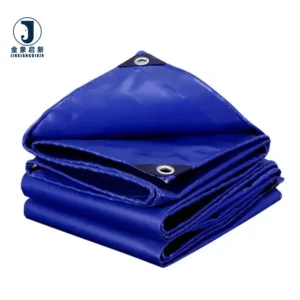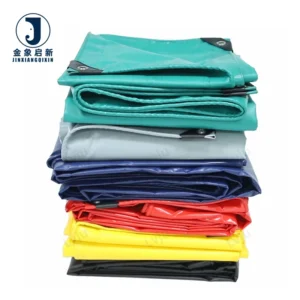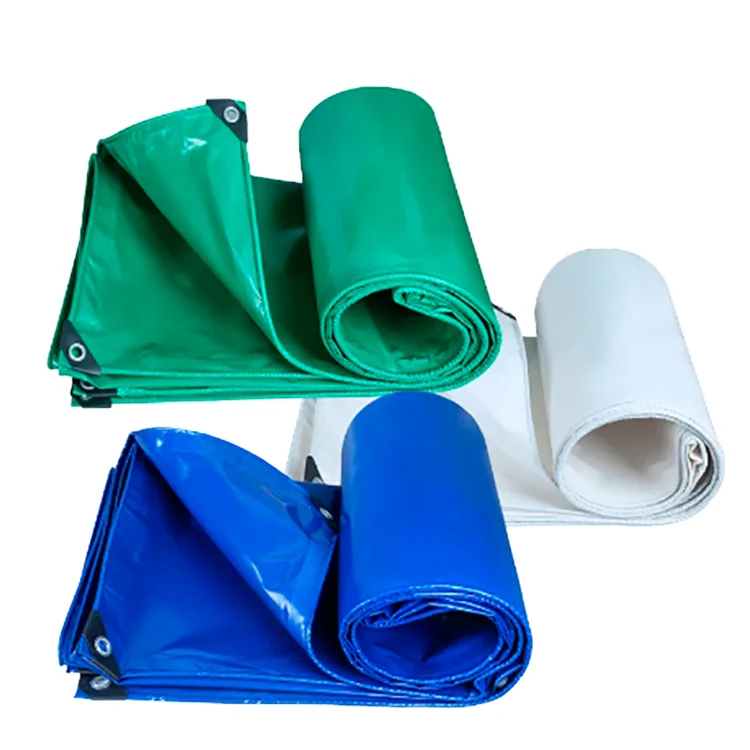
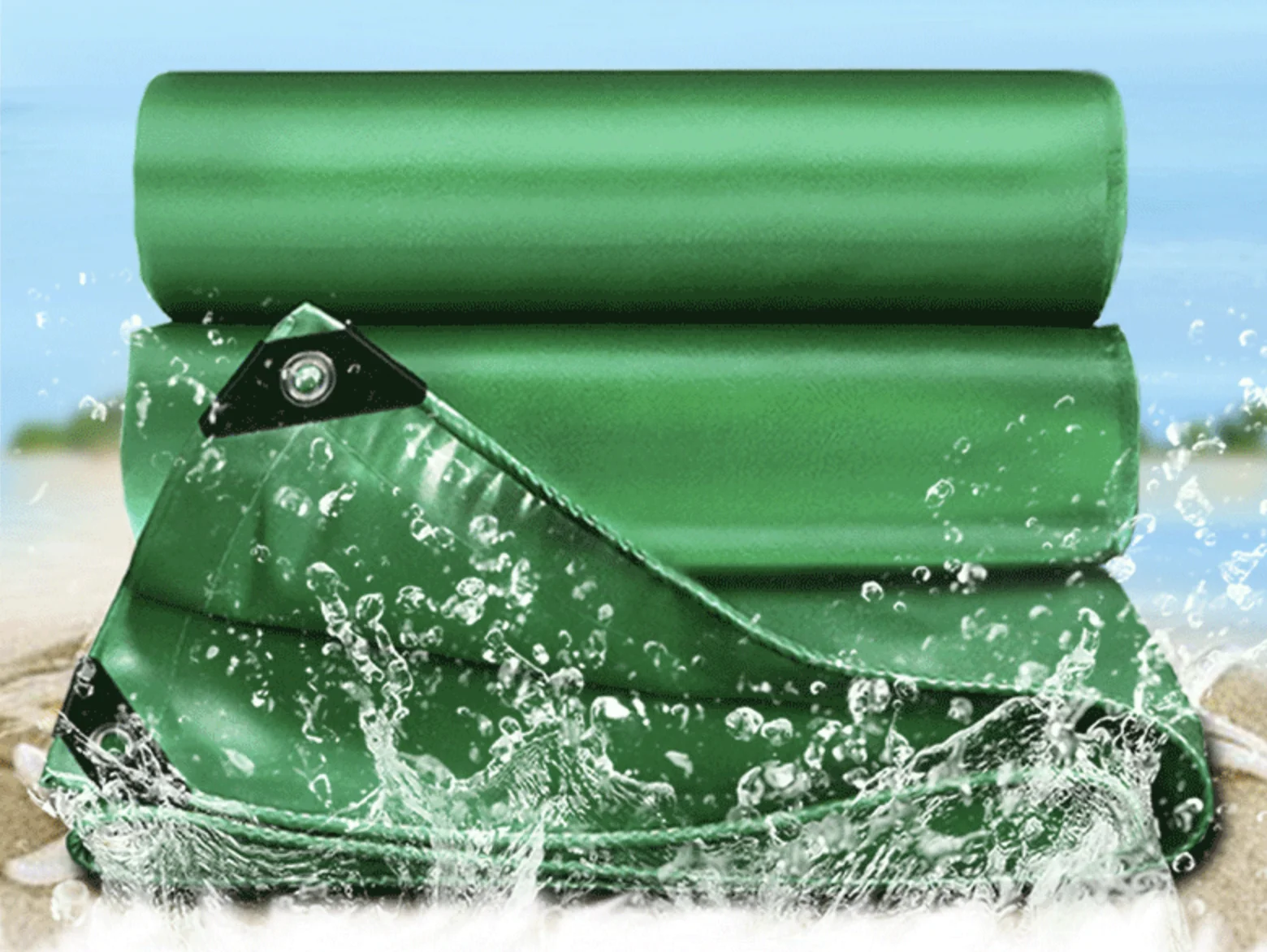
Description
Verified Roll Weight — Every roll is weighed and cross-referenced to the material specification sheet before dispatch, ensuring the 500GSM PVC Knife-Coated Fabric you order is the exact weight you receive in container.
Technical Specifications
| Parameter | Value |
|---|---|
| Product Type | PVC Knife-Coated Fabric |
| Coating Method | Knife coated |
| Coating Material | PVC |
| Base Fabric | Tricot / woven plain |
| Weight | 500GSM |
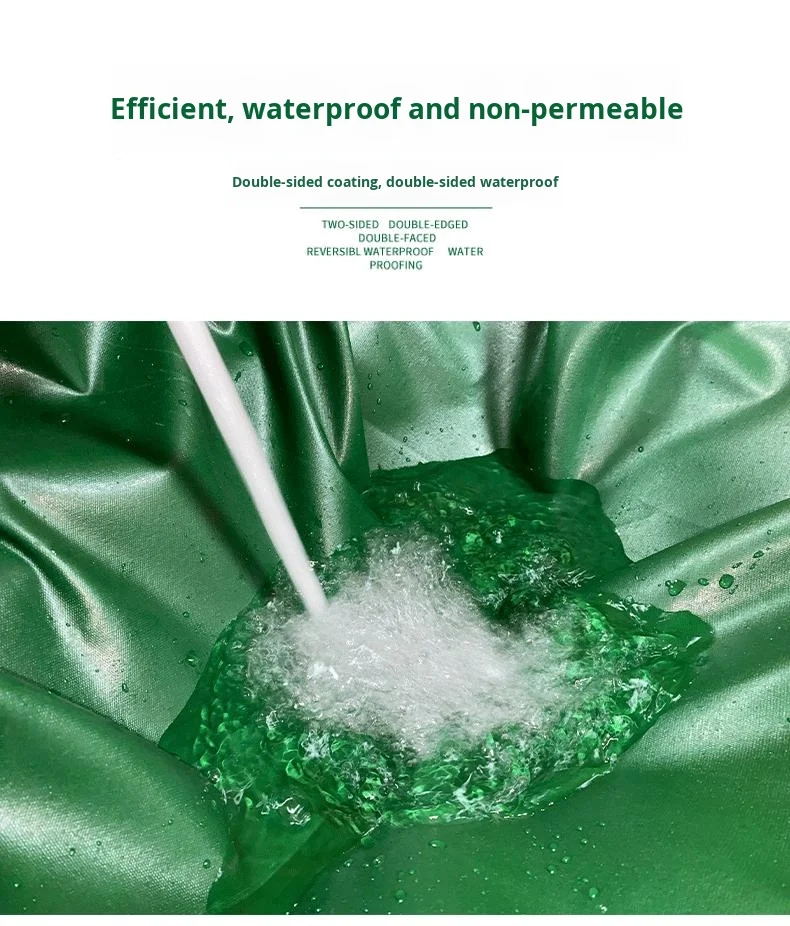
| Waterproof Rating | Anti-permeable ≥ 20KPa |
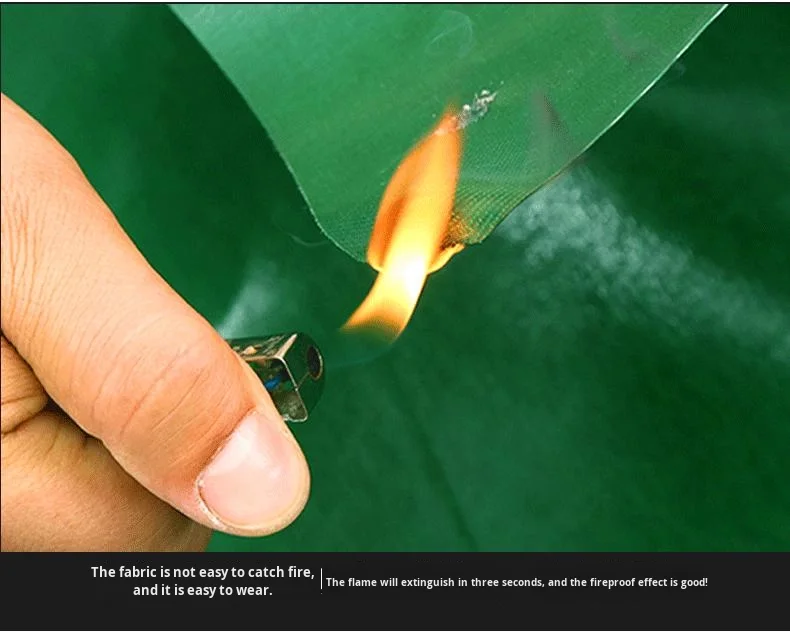
| Flame Retardant Grade | ≤ 10 seconds (grade not stated in source — confirm the classification required for your market) |
| Anti-Mildew | Mildew proofing properties stated |
| Chemical Resistance | Acid, alkali and brine corrosion resistant |
| Low-Temperature Flexibility | Not fractured at -30℃ |
| UV Treatment | Anti-UV (test basis not stated in source — request test report for your application) |
| Abrasion Resistance | Abrasion-resistant surface |
| Certifications | ISO, CE (on file per manufacturer profile) |
Application Suitability
| Application | Exposure & Requirement |
|---|---|
| Tarpaulin distributor stock | Batch-to-batch colour consistency, verified GSM, and standard roll widths for regional resale |
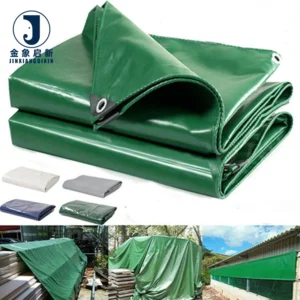
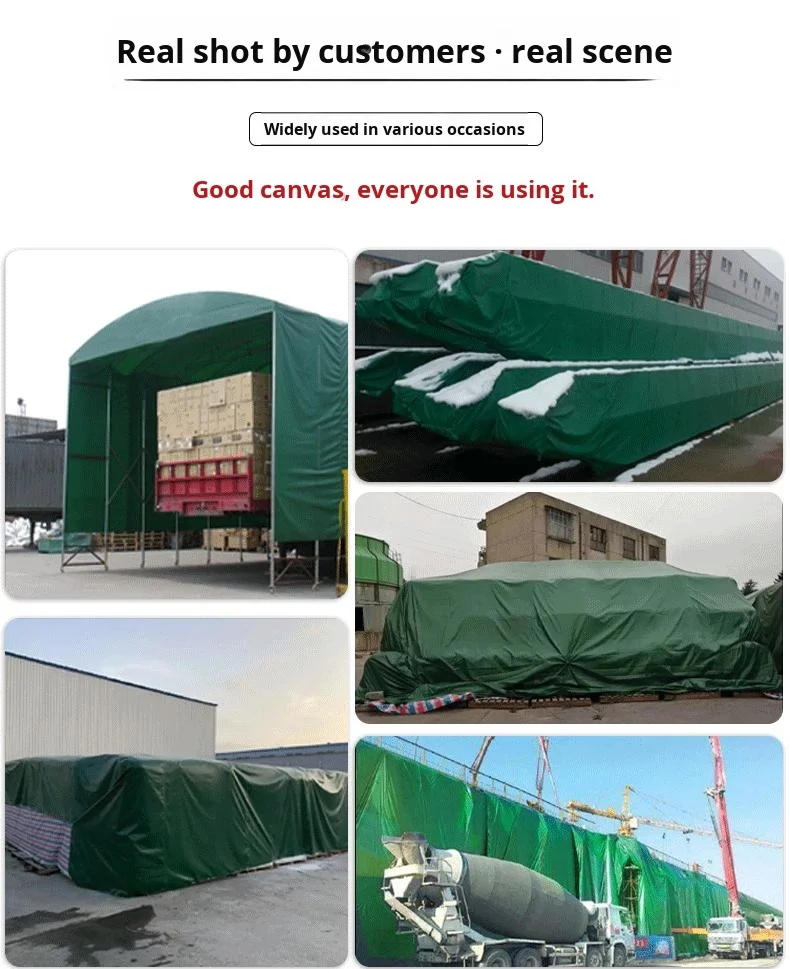
| Tent and awning manufacturing | Dimensional stability under tension, waterproof performance, and UV exposure in outdoor installations |
| Truck and trailer cover fabrication | Abrasion from road debris, flexing at load points, and weather exposure during transit |
| Industrial cover production | Chemical contact, mildew risk in humid storage, and repeated deployment cycles |
Why a Quoted GSM Does Not Guarantee a Consistent Roll
Verified GSM at dispatch, not just at quotation, is the difference between a predictable production run and a load of underweight fabric that fails on the cutting table.
When tarpaulin distributors and importers buy by the container, the most common dispute is not the price — it is the weight of the material on arrival. A quote stating 500GSM PVC Knife-Coated Fabric can arrive with rolls that measure lighter once unwrapped and sampled, because the coating weight drifted during production or the base fabric was substituted without notice. For buyers stocking standard and custom grades, this variation means either rejecting the shipment at the port or cutting corners on downstream products [NEED_CITE: coating weight variance in imported tarpaulin rolls]. The consequence is not a single defective piece; it is an entire batch that cannot be sold to fabricators who weigh their incoming material.
Colour Matching Across Rolls in a Single Container Load
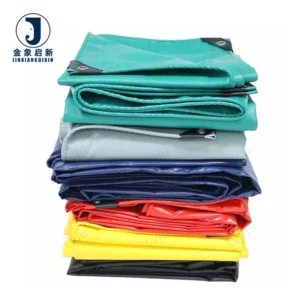
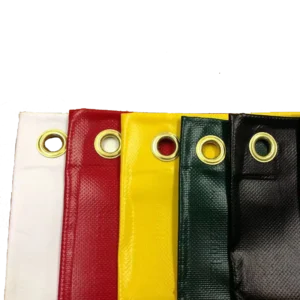
When tent manufacturers or awning fabricators buy multiple rolls of PVC Knife-Coated Fabric for a single project, visible colour variation between rolls is a production-stopping defect. Knife coated tarpaulin roll consistency depends on pigment dosing at the coating head and the curing temperature profile through the oven. If either drifts between batches, the fabric cut from roll A will not match the fabric cut from roll B once they are installed side by side on a canopy or welded into a truck side curtain. Buyers purchasing wholesale need assurance that all rolls in a container were coated in a single production run or matched against a confirmed colour standard before packing.
Width, Length and Container Loading for Distributors
Stock and custom roll widths determine how efficiently a distributor or fabricator can nest patterns and minimize offcuts. PVC Knife-Coated Fabric supplied in standard widths allows tent makers to plan panel layouts, while custom widths reduce waste for high-volume awning production [NEED_CITE: standard tarpaulin roll widths for coated fabric]. Roll length and core diameter then dictate how many rolls fit in a 20-foot or 40-foot container, which directly affects landed cost per square metre. Buyers ordering by the roll need a packing list that states roll count, net weight, gross weight, and dimensions so that the container loading plan can be verified before the ship leaves port.
Coating Weight, Base Fabric and What They Mean for the Finished Product
A 500GSM knife-coated construction combines PVC coating applied by blade over a tricot or woven plain base fabric. Knife coating produces a thicker, more uniform coating layer than calendering, which improves waterproof performance and provides a smoother surface for welding and printing. The tricot base contributes dimensional stability — the fabric resists stretching under tension, which matters when a tent panel is lashed to a frame or a truck cover is tensioned over a load. The waterproof rating of ≥ 20KPa indicates the hydrostatic pressure the coated surface can withstand before water permeates, a relevant measure for awnings and outdoor shelters exposed to sustained rain. Low-temperature flexibility to -30℃ means the PVC does not become brittle and crack when deployed in cold climates or during winter transport.
The Hidden Cost of Accepting an Uninspected Shipment
When a batch of PVC Knife-Coated Fabric arrives without pre-shipment inspection, the buyer absorbs all downstream risk. Rolls that vary in coating weight produce inconsistent weld strength — a seam may hold on one roll and fail on the next because the heat-sealing parameters were set for a different coating thickness [NEED_CITE: heat-seal failure in coated fabric at inconsistent coating weight]. Flame retardant performance claimed without a test report means the fabric may not meet the fire classification required by local building codes for tents and temporary structures, leading to rejected installations. Colour variation discovered after the material has been cut and welded results in scrap that cannot be returned. These are not theoretical risks; they are the disputes that delay projects and consume margins.
Why Fabricators Source Knife Coated Tarpaulin from This Line
Three full production lines and 36 sets of professional equipment support the bulk capacity needed for container-load orders without sacrificing lead time reliability. A dedicated QA/QC process inspects every roll before shipment, checking weight, colour, and coating adhesion against the material specification sheet rather than relying on spot sampling. The 10-person R&D team handles custom width, colour, and sample development, producing samples within days so buyers can confirm suitability before committing to a production run. Full documentation — specification sheets, test reports where applicable, packing lists, and certificates of origin — ships with each order, giving distributors the paperwork their downstream clients require.
Documentation & Verification
- Material specification sheet stating 500GSM, tricot base fabric, and knife-coated PVC for each roll batch
- Pre-shipment inspection record confirming every roll was weighed and checked before dispatch
- Roll packing list with roll count, net weight, gross weight, and dimensions for container loading
- Test reports for UV and flame-retardant grades where applicable, with ISO and CE certificates on file
- Certificate of origin and customs documentation matching the shipment contents
Fabrication, Handling & Storage
- Hot-air welding parameters must match the knife-coated PVC thickness to avoid seam failure at flex points
- Store rolls upright on cores to prevent flat spots and creasing in the 500GSM coated fabric
- Unroll and allow the fabric to relax before cutting to relieve tension from winding
- Mildew-proof treatment supports storage in humid conditions but does not replace dry, ventilated warehousing
- Low-temperature flexibility to -30℃ allows cold-climate deployment without cracking during unfolding
What to Include in Your Inquiry
Specify the roll widths and lengths your production line requires, along with the annual volume you plan to source. State the colour reference or confirm whether standard stock colours are acceptable, and indicate if flame-retardant or anti-UV test reports are needed for your market’s compliance requirements. Confirm whether you need raw roll stock or pre-cut panels, and request a sample roll if this is a first-time order.
Frequently Asked Questions
Q: How is GSM verified on each roll before shipment?
A: Every roll of knife coated tarpaulin is weighed individually during the pre-shipment inspection. The measured weight is cross-referenced against the 500GSM stated on the material specification sheet, and any roll outside the acceptable tolerance is pulled from the shipment. The inspection record accompanies the container so the buyer can verify the check was performed.
Q: How do you control colour consistency across rolls in the same order?
A: Rolls destined for the same container are produced in a single coating run or matched against a confirmed colour standard at the coating head. Pigment dosing and oven temperature are monitored throughout the run, and side-by-side comparison checks are performed before rolls are packed to eliminate visible variation when installed together.
Q: What standard widths and roll lengths are available, and what are the minimums for custom sizes?
A: Standard widths cover the common requirements for tent and awning manufacturers. Custom widths and lengths are available with realistic minimum order quantities that depend on the coating setup. Request a quotation with your required dimensions, and the lead time and minimum will be confirmed based on current production scheduling.
Q: How is roll stock packed and loaded for container shipping?
A: Each roll is wrapped and labelled with its weight, width, and colour reference. A detailed roll packing list states the roll count, net and gross weight, and dimensions so the container loading plan can be verified. Rolls are loaded to maximize container utilization while protecting the coated surface from compression damage.
Q: What documentation ships with each order?
A: Each container ships with a material specification sheet, pre-shipment inspection record, roll packing list, certificate of origin, and customs documentation. Test reports for UV and flame-retardant grades are included where applicable, along with ISO and CE certificates on file.