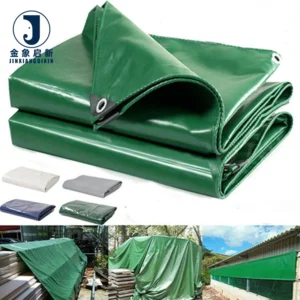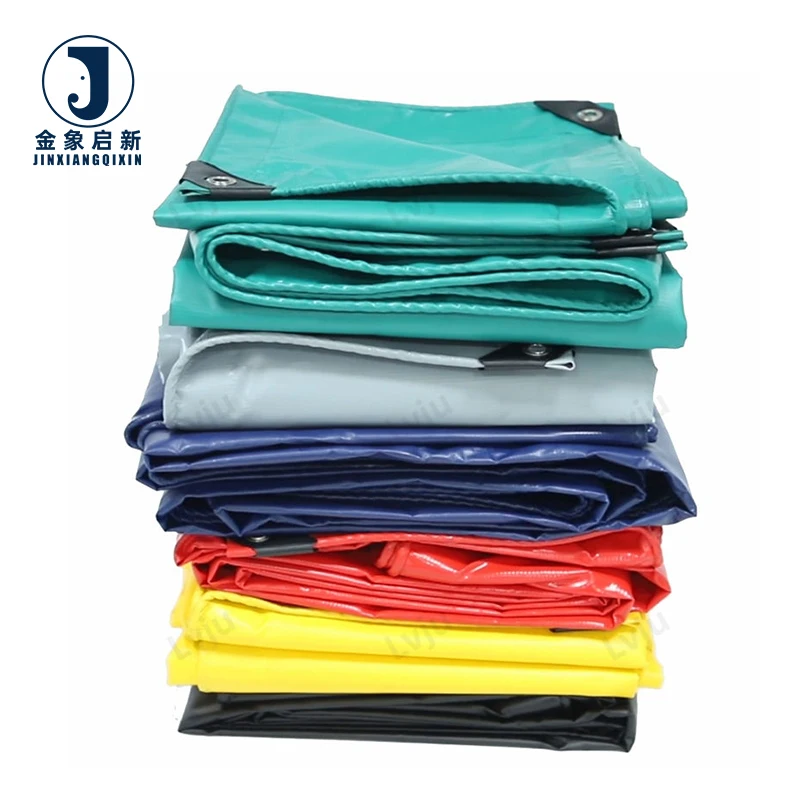
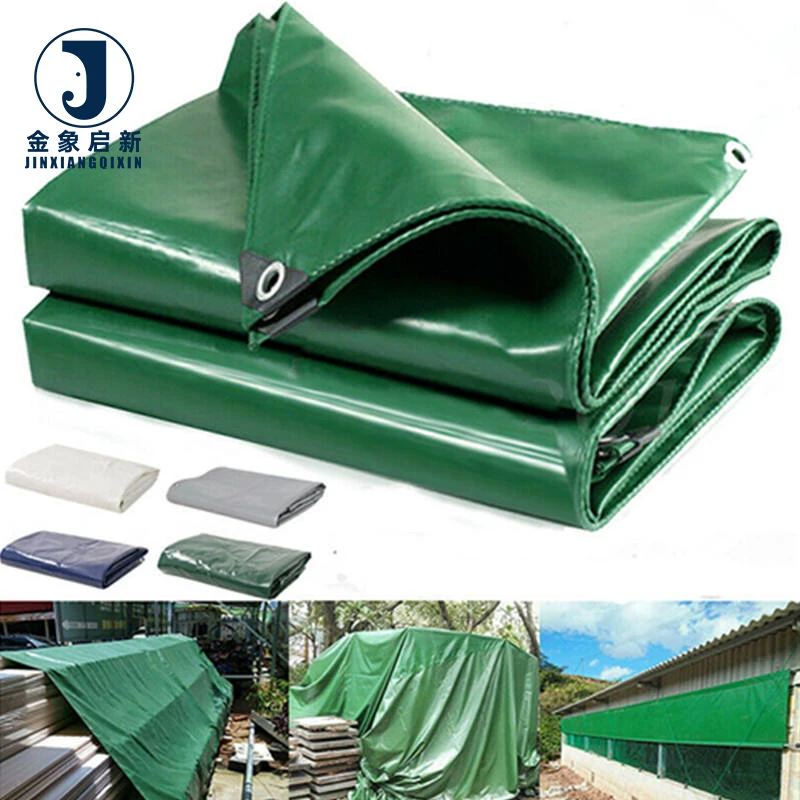
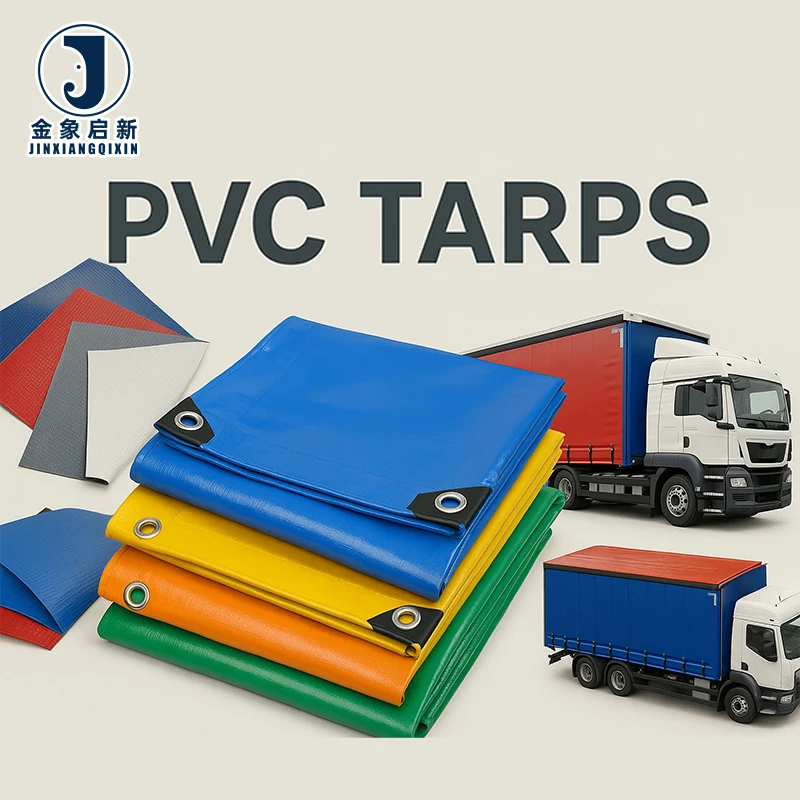
Description
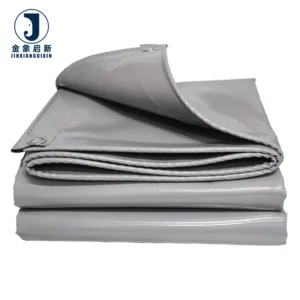
Verified Weight Per Roll — every roll of this 500 GSM PVC Knife-Coated Fabric is weighed and recorded during pre-shipment inspection, ensuring the bulk roll stock you receive matches the specification on your purchase order.
Technical Specifications
| Parameter | Value |
|---|---|
| Product Type | PVC Knife-Coated Fabric |
| Material | High Density Virgin PVC |
| Weight | 500 GSM |
| Coating Method | Knife Coated |
| Waterproofing | Fully Waterproof |
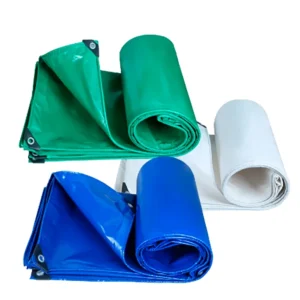
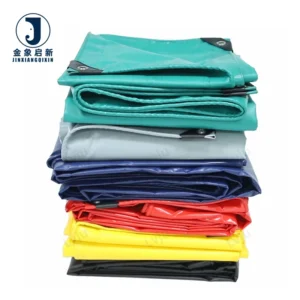
| Colour Options | Multiple colors available |
| Treatment | Rainproof; UV resistant (grade not stated) |
| Format | Roll Stock |
| Certification | ISO, CE |
Application Suitability
| Application | Exposure & Requirement |
|---|---|
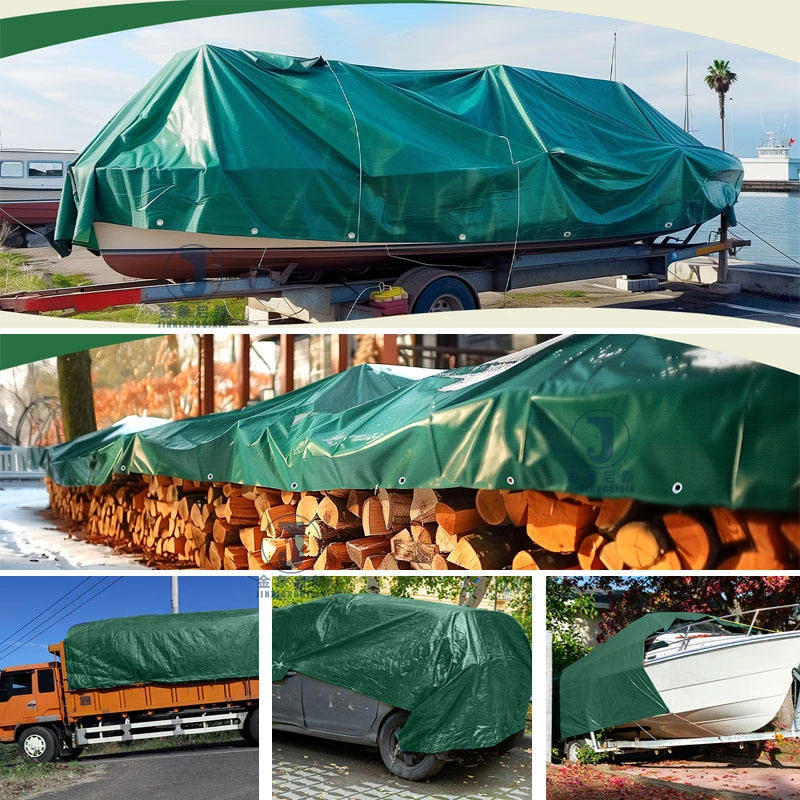
| Truck and ship rainproof covers | Constant weather exposure, road spray, wind load, repeated folding and tie-down stress |
| Tent and canopy fabric | Prolonged sun and rain exposure, frame flex, assembly and teardown handling |
| Awning manufacturing | UV and rain cycling, tension across spans, visible colour consistency on installed panels |
| Balcony wind barrier and rainproof netting | Wind-driven rain, urban pollution, residential aesthetic requirements |
| Home garden sun shade and furniture covers | Seasonal outdoor storage, moisture contact, abrasion from handling |
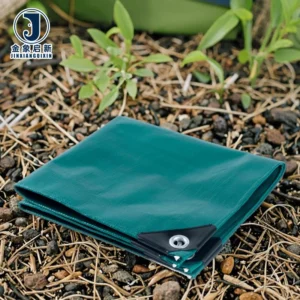
| Courtyard and plant covers | Water pooling, soil contact, temperature fluctuation across seasons |
Why Roll-to-Roll GSM Variance Matters More Than the Number on the Quote
Ordering 500 GSM and receiving less is the most common failure in bulk PVC coated fabric procurement.
When a distributor sources PVC Knife Coated Tarpaulin roll wholesale, the quoted weight sets expectations for tensile behaviour, seam strength and finished product durability. Yet weight variance between rolls in the same container regularly surfaces only after cutting begins. Thinner sections tear at the hem, welds fail at lower temperatures than planned, and awning frames show uneven tension across panels from different rolls [NEED_CITE: tensile and tear test methods for coated fabrics per ISO 1421].
Batch-Matched Production for Consistent Colour Across the Container
Tarpaulin fabricators installing side-by-side panels from two different rolls cannot tolerate visible colour drift. This 500 GSM PVC Knife-Coated Fabric is produced in matched batches so that every roll within a single order carries the same colour reference. Distributors stocking multiple colourways for regional markets receive material that cuts, welds and installs without panel-to-panel shade variation, reducing rejection rates at the fabrication stage.
Knife Coating Process and Adhesion Uniformity
The knife-over-edge coating method applies PVC directly onto the high density virgin base fabric under controlled tension, producing a uniform coating layer across the full roll width. This process delivers reliable adhesion between coating and base yarn, which directly influences how the PVC Knife Coated Tarpaulin roll wholesale material behaves during heat welding and long-term flexing [NEED_CITE: coating adhesion and peel strength testing for PVC coated fabrics]. Roll stock converted into truck covers or awning panels benefits from consistent weld parameters across the entire roll length.
Reading the GSM in Context with Base Fabric and Coating Weight
A 500 GSM figure alone does not define how the fabric will perform under load. The total weight is the sum of the base fabric denier, weave density and the PVC coating mass applied to each side. Knife coating typically allows precise control over coating thickness, meaning the ratio between base fabric strength and coating protection can be balanced for specific end uses. For awning and tent applications, the coating must resist water ingress while remaining flexible enough for repeated folding. In truck cover fabrication, the base fabric carries the tie-down load while the coating protects against abrasion and moisture penetration. Understanding this balance helps buyers select the correct specification rather than relying on GSM as a standalone indicator.
The Hidden Cost of Colour Drift and Underweight Rolls in Bulk Orders
When a container arrives with rolls that vary in weight or shade, the consequences ripple through the fabrication line. Panels cut from lighter rolls may fail at the weld seam under wind load, while colour inconsistency forces fabricators to sort and match rolls manually, adding labour and waste. Distributors who supply tent and awning makers face returns when installed panels show mismatched tones in daylight [NEED_CITE: batch colour consistency challenges in roll-to-roll PVC coated fabric production]. These problems are preventable with documented weight verification and batch-matched dyeing at the production stage.
Why This PVC Coated Fabric Roll Stock Is Sourced Here
Nearly 30 years of focused coated fabric production provides process depth that translates into reliable GSM control on every roll of this 500 GSM material.
Three full production lines and 36 sets of professional equipment support bulk volume output with maintained consistency across long production runs.
A dedicated 10-person R&D team handles custom width, colour matching and sample development, enabling distributors to trial roll stock before committing to container orders.
Quality inspection at every production stage, with 100% pre-shipment checking, catches weight deviation and surface defects before rolls are packed for export.
ISO and CE certification frameworks provide the documentation structure that importers require for customs clearance in North American and European markets.
Documentation & Verification
- Material specification sheet confirming 500 GSM, base fabric type and PVC coating details per roll grade
- Pre-shipment inspection record with individual roll weight verification against stated specification
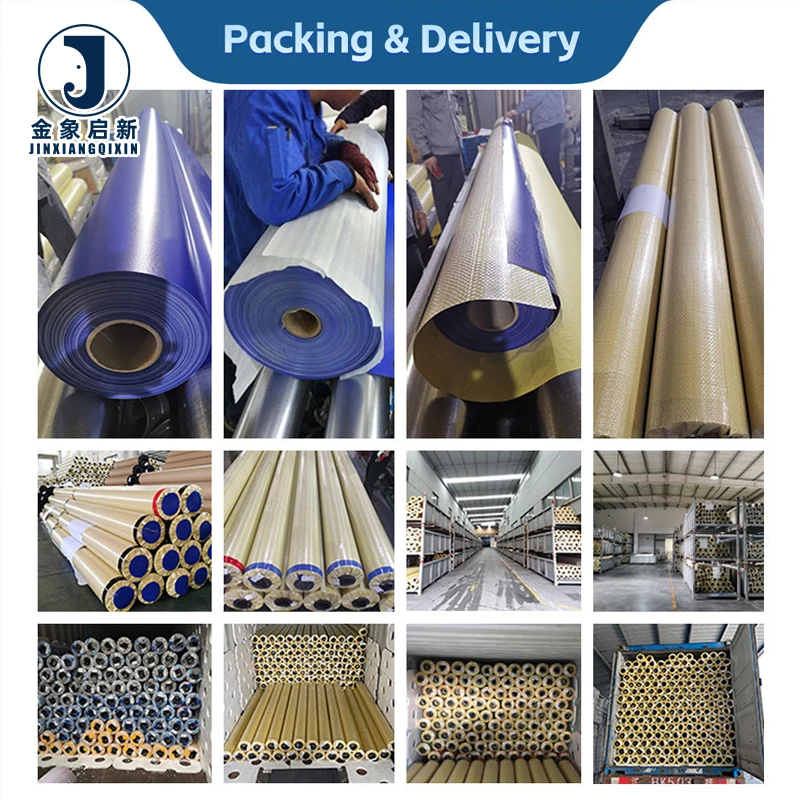
- Roll packing list showing roll count, net weight, colour reference and container loading arrangement
- ISO and CE certificates available to support import compliance in destination markets
- Certificate of origin and customs documentation prepared for each shipment
Fabrication, Handling & Storage
- Heat weld this 500 GSM knife coated fabric using temperature and dwell settings validated on a test offcut from the same roll
- Store rolls upright on pallets to prevent flat-spot deformation across the PVC coating surface
- Allow cold-transported rolls to reach ambient temperature before unrolling to avoid coating crease damage
- Cut panels with allowance for hem folding, as the 500 GSM weight requires adequate seam overlap for weld strength
- Clean finished surfaces with mild detergent only, avoiding solvents that degrade the PVC coating layer
What to Include in Your Roll Stock Enquiry
Specify the end application — whether the rolls will be converted into truck covers, awnings, tent panels or general-purpose tarpaulin — so that the correct width and colour sequence can be planned. Indicate your target market and any compliance requirements such as fire classification or UV treatment grades. Confirm the roll widths needed for your cutting layout to maximise material yield, and state whether you require sample rolls for fabrication trials before placing a full container order.
Frequently Asked Questions
Q: How is GSM verified before rolls are shipped?
A: Each roll is individually weighed during the pre-shipment inspection process. The recorded weight is compared against the 500 GSM specification stated on the order. Any roll falling outside the acceptable tolerance is removed from the shipment. A detailed inspection record accompanies the container so you can reconcile the delivered weight with your purchase order on arrival.
Q: Will colour remain consistent across all rolls in one order?
A: Yes. Rolls within a single order are produced in matched batches using the same dye lot. A colour reference is assigned to each batch and printed on the roll label. This ensures that panels cut from different rolls within the same shipment show no visible shade variation once fabricated and installed side by side.
Q: What roll widths are available and how do I choose?
A: Multiple widths are available to suit different conversion requirements. Wider rolls reduce the number of weld seams needed for large truck covers and tent panels, improving finished product strength. Narrower widths may suit awning fabricators who cut smaller panels. Request available width options along with sample offcuts to test against your cutting layout and welding equipment.
Q: Can I receive sample rolls before ordering a full container?
A: Sample rolls are developed within days for custom colour or width requirements. Evaluating samples on your own welding and cutting equipment allows you to confirm fabrication parameters before scaling to bulk volume. Contact the sales team with your specification to arrange sample dispatch.
Q: What documentation ships with each container?
A: Every shipment includes a material specification sheet, pre-shipment inspection record, roll packing list with weight and colour data, certificate of origin, and ISO and CE certificates. This documentation package supports customs clearance and provides traceability for each roll delivered.