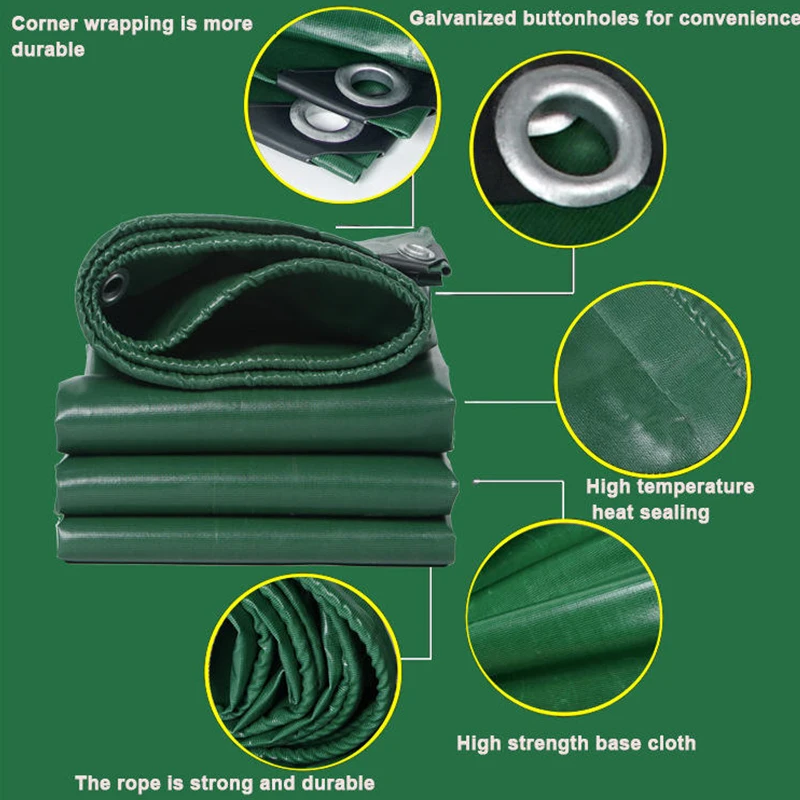
Description
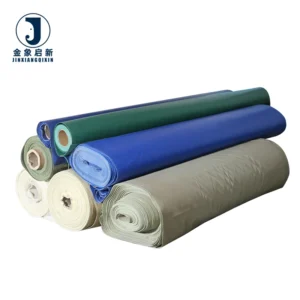
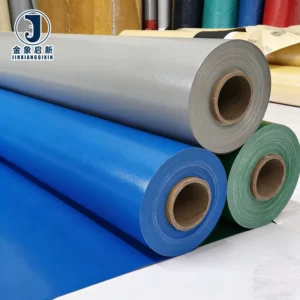
Verified GSM Per Roll — Every roll of PVC coated tarpaulin leaves the line with documented coating weight verification, eliminating the gap between quotation and arrival for wholesale buyers.
Technical Specifications
| Parameter | Value |
|---|---|
| Product Type | PVC Coated Tarpaulin Roll |
| Material | PVC coating on polyester base fabric |
| Yarn Count Options | 500D×500D, 500D×840D, 500D×1000D, 1000D×1000D, 1000D×1300D, 1300D×1300D, 1000D×2000D |
| GSM Range | 350 g/m² – 900 g/m² |
| Thickness Range | 0.29 mm – 0.65 mm |
| Density Options | 20×20, 30×19, 30×15 |
| Tensile Strength (Warp) | 1650 N – 3900 N |
| Tensile Strength (Weft) | 1600 N – 3500 N |
| Key Features | Waterproof, flame retardant grades available, UV treatment available |
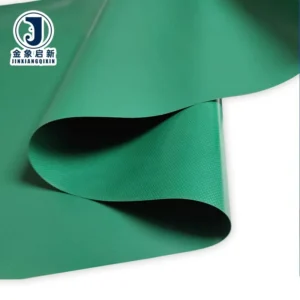
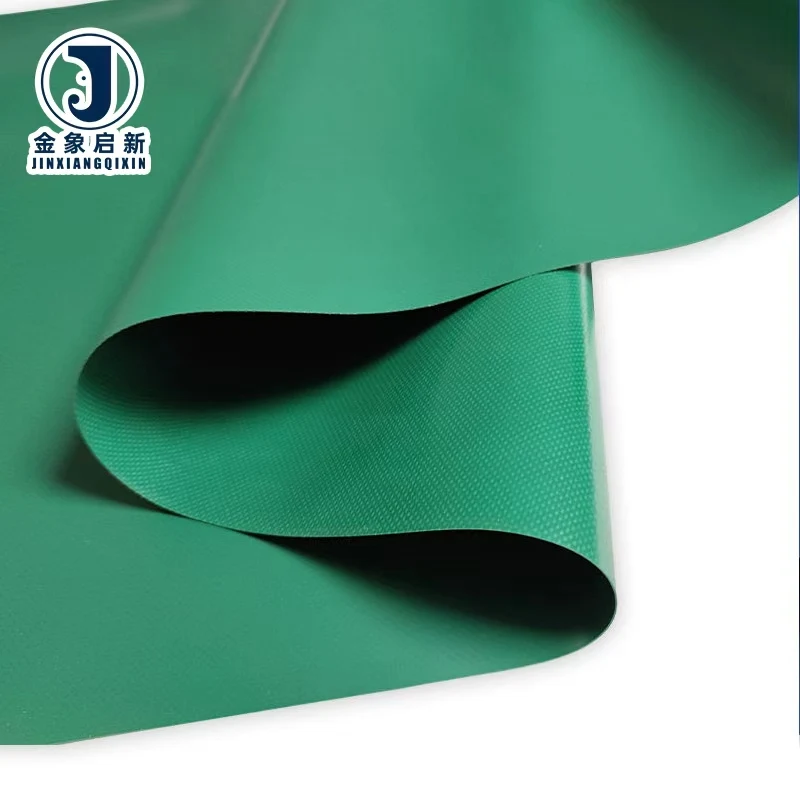
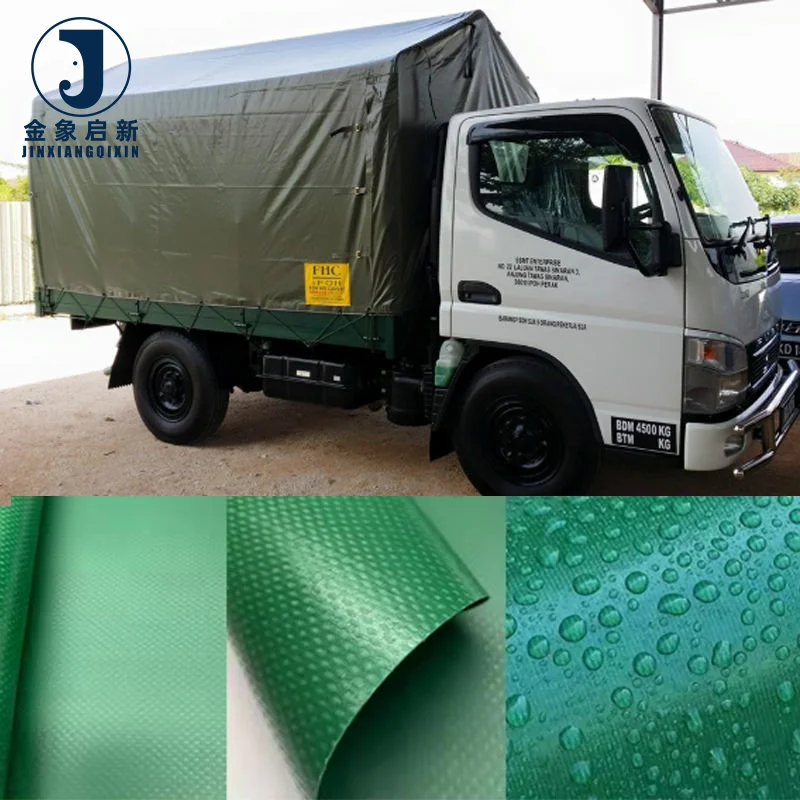
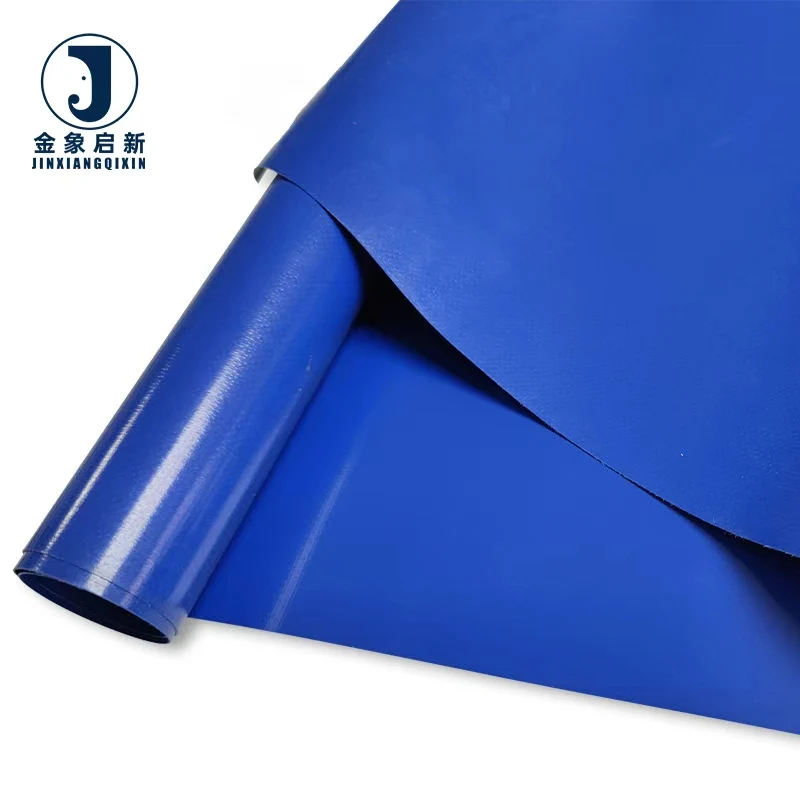
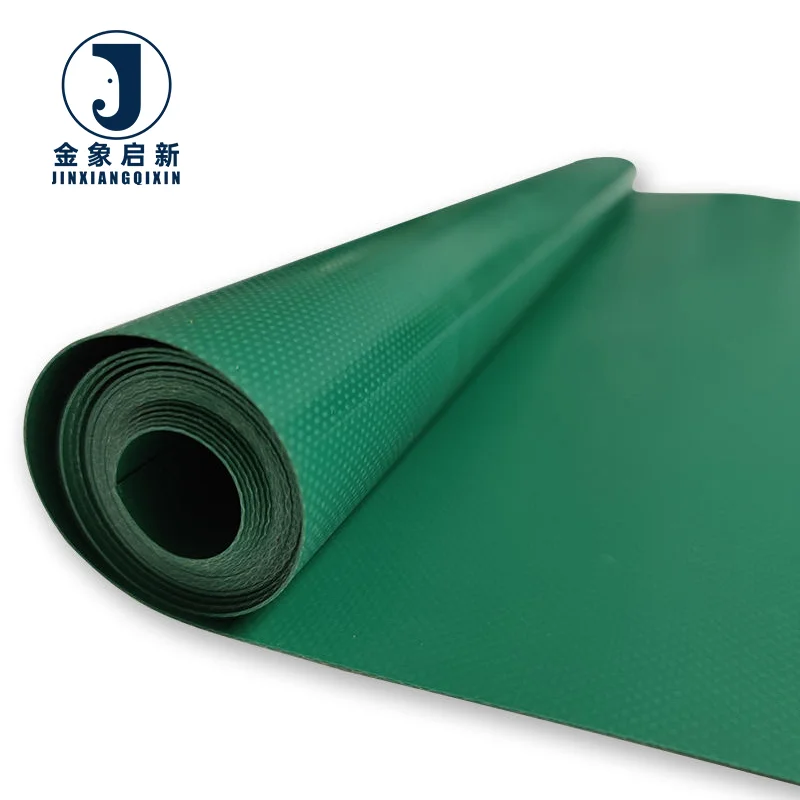
| Surface Finish | Smooth with leather-like texture |
| Customization | Width, length, colour, printing |
Application Suitability
| Application | Exposure & Requirement |
|---|---|
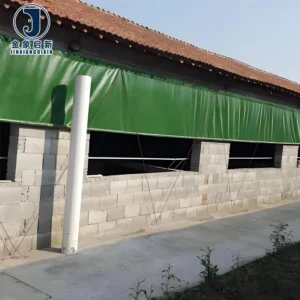
| Truck and trailer side curtains | Constant flexing at load points, road debris abrasion, prolonged UV exposure, wind-driven rain ingress |
| Container roof covers | Tensile stress at tie-down points, thermal expansion in transit, standing water after rainfall |
| Awning and tent panel stock | Repeated folding and unfolding, colour consistency across adjoining panels, UV stability |
| Machine and equipment wrapping | Puncture resistance from sharp edges, waterproofing during outdoor storage, chemical splash contact |
| Construction structure membranes | Wind uplift forces at anchor points, long-term weathering, flame retardant compliance on site |
Why Stated GSM Is Not Enough to Judge Roll Quality
Coating weight and base fabric density together determine how a roll performs after the first cut.
A distributor once received a full container of PVC coated tarpaulin rolls where every label read the agreed GSM, yet side-by-side cutting revealed visible stiffness differences between rolls from the same batch. The root cause was inconsistent coating application — one roll carried more PVC on the surface but a lighter base fabric underneath, while another had the reverse [NEED_CITE: coating weight distribution and tensile performance in PVC tarpaulins per ISO 1421]. For wholesale buyers loading containers with multiple GSM grades, this variance translates directly into customer complaints downstream. PVC Coated Tarpaulin Roll wholesale orders demand documented, roll-level verification rather than reliance on batch averages.
Batch Consistency Across Mixed-GSM Container Orders
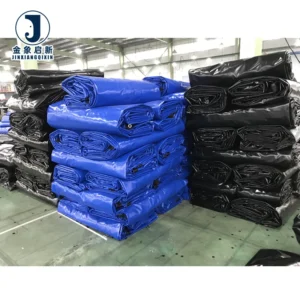
Distributors rarely order a single specification. A typical container might carry light-duty 350 GSM rolls alongside heavy-duty 900 GSM variants, each destined for different downstream fabricators. Maintaining uniform coating adhesion and colour reference across that spread requires line-level process control at every stage. Our production tracks coating weight per roll rather than per batch, so the PVC Coated Tarpaulin Roll wholesale buyer receives documentation matching what was quoted.
Colour Uniformity When Rolls Sit Side by Side
Fabricators cutting awning panels or truck curtains from consecutive rolls will spot even slight hue variation once the finished panels are installed next to each other. This is especially critical for custom-colour orders where the end user expects a uniform appearance across an entire fleet or structure [NEED_CITE: colour consistency measurement methods for coated textile batches]. We match each roll to the confirmed colour reference before it enters the packing stage, preventing costly re-cutting or rejection at the fabrication shop.
Decoding GSM, Denier, and Density for Informed Purchasing
GSM alone tells you how much material is on the roll, but not how that weight is distributed. A 500 GSM roll built on 1000D×1000D yarn with 20×20 mesh density will handle tensile loads differently from a 500 GSM roll on 500D×500D yarn at 30×19 density — the former relies on heavier individual yarns for tear resistance, while the latter spreads load across a tighter weave. Coating method also plays a role: knife-over-roll coating typically produces higher peel strength between the PVC layer and base fabric, which matters when the material is heat-welded at seams. For buyers specifying PVC coated tarpaulin rolls, requesting the denier and density breakdown alongside GSM ensures the roll matches the mechanical demands of the final application. Thickness readings between 0.29 mm and 0.65 mm across the range further indicate how much PVC sits on each face of the polyester scrim.
The Cost of Specifying Rolls on GSM Alone
When a wholesale buyer selects rolls based purely on weight grade, the downstream fabricator may discover that weld seams fail before the fabric body does — a symptom of low peel strength rather than low GSM. Similarly, ordering flame retardant rolls without confirming the specific grade can result in site inspection failures if the local authority requires a classification that the supplied material does not carry [NEED_CITE: fire classification requirements for temporary structures and tarpaulin materials]. Batch colour drift between rolls forces fabricators to sort and segregate before cutting, adding labour hours and generating off-cuts that erode margin. These issues compound when the buyer is reselling to regional customers who hold them accountable for performance.
Why Sourcing PVC Rolls Here Reduces Procurement Risk
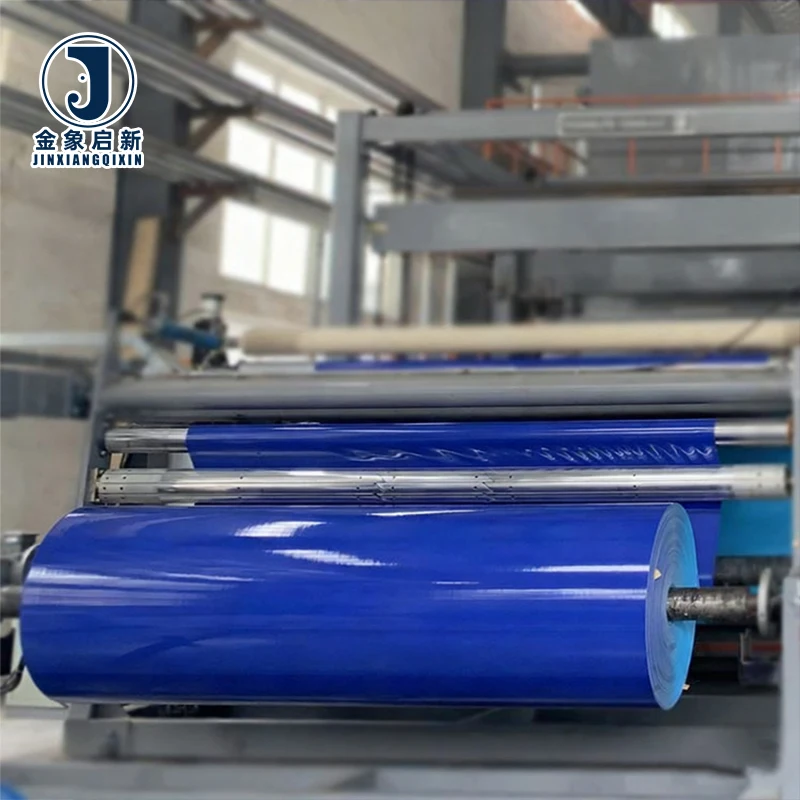
Three full production lines and 36 sets of professional equipment support the volume needed for container-load PVC coated tarpaulin orders without splitting production across external workshops. A 10-person R&D team handles custom colour matching, width adjustments, and sample development in-house, so specification changes do not stall the order. Dedicated QA and QC personnel inspect at every production stage, and a full pre-shipment inspection covers every roll before it is packed. This combination of in-house capacity, technical support, and staged inspection means wholesale buyers receive rolls that match the documentation package provided with the shipment.
Documentation & Verification
- Roll-by-roll GSM verification record included in the shipment documentation package
- Material specification sheet per roll stating GSM, denier, density, and colour reference
- Flame retardant and UV test reports supplied for grades where applicable
- Pre-shipment inspection record covering surface, weight, and dimension checks
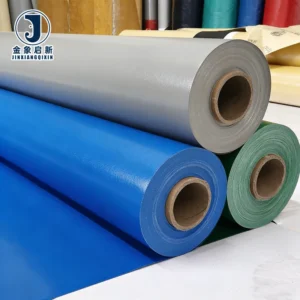
- Roll packing list with net and gross weights for container loading calculation
- Certificate of origin and customs documentation prepared per destination market
Fabrication, Handling & Storage
- Heat-weld seams at temperatures matched to the PVC coating thickness to prevent delamination on heavy-grade rolls
- Allow rolls to acclimatise to workshop temperature before unrolling to avoid creasing on stiffer high-GSM grades
- Store rolls upright on pallets, never stacked flat, to prevent permanent compression marks on the coating surface
- Use UV-stable cleaning agents only; solvent-based products may degrade the smooth leather-like surface finish
- Plan cut layouts to minimise off-cuts, especially on custom-width rolls where reordering adds lead time
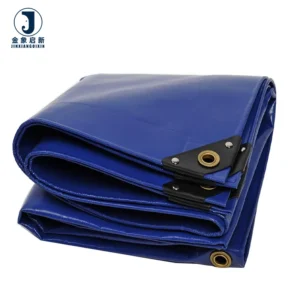
- Reinforce eyelet and tie-down zones with additional PVC patches to distribute load across the base fabric weave
Request a Quotation With Your Exact Requirements
To move from enquiry to sample, share the GSM grade, required roll width and length, and the target application so we can recommend the appropriate denier and density combination. If your market requires specific flame retardant or UV classifications, state the standard name and grade upfront so test reports can be prepared. Confirm whether you need plain rolls or custom colour and printing, and indicate your estimated annual volume so we can structure pricing tiers accordingly.
Frequently Asked Questions
Q: How is GSM verified per roll, and what documentation accompanies shipment?
A: Each roll undergoes weight measurement against the stated GSM before packing. The shipment includes a roll-by-roll verification record, a material specification sheet listing GSM, denier, density, and colour reference, plus any applicable flame retardant or UV test reports. Pre-shipment inspection records are available for buyer review before the container is sealed.
Q: How do you ensure colour consistency across multiple rolls in one order?
A: Every roll is checked against the confirmed colour reference during production and again at the pre-shipment inspection stage. Rolls destined for the same order are produced in sequence where possible, and any roll that falls outside the acceptable colour tolerance is pulled before packing.
Q: What standard roll widths and lengths are stocked, and what are the minimums for custom sizes?
A: Standard widths and lengths vary by GSM grade and current stock position. Custom widths and lengths are available across the full GSM range, with minimum order quantities depending on the colour and specification chosen. Submit your target dimensions and annual requirement for a precise MOQ confirmation.
Q: How are rolls packed for container loading to prevent transit damage?
A: Rolls are packed using roll packing, bale packing, or carton methods depending on the buyer’s preference and the GSM grade. A detailed packing list with per-roll weight and dimensions is provided so buyers can calculate container loading plans and verify counts on arrival.
Q: Can UV and flame retardant test reports be provided with the shipment?
A: Yes. Where the order specifies UV treatment or flame retardant grades, the corresponding test reports are included in the documentation package. Buyers should confirm the required standard and grade at the enquiry stage so the correct treatment is applied and documented.