Description
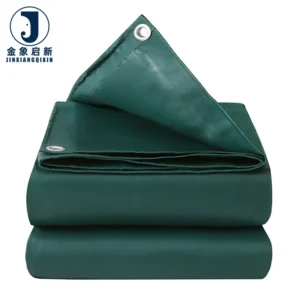
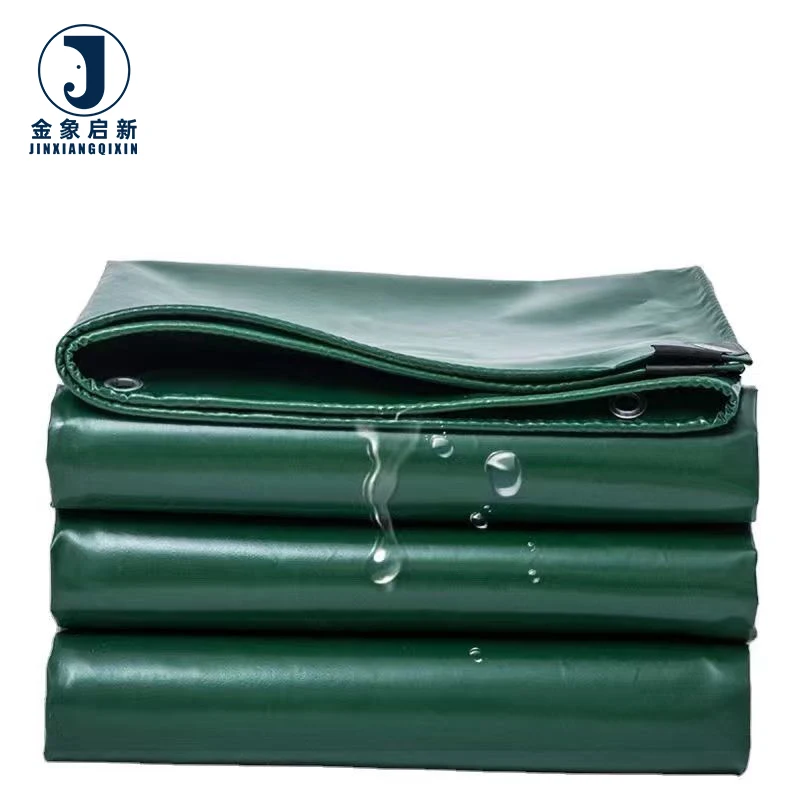
Roll Stock Sourcing — Every PVC Coated Tarpaulin roll we dispatch goes through 100% pre-shipment inspection with weight verification against the quoted GSM, so what arrives at your warehouse matches your purchase order.
Technical Specifications
| Parameter | Value |
|---|---|
| Product Type | PVC Coated Tarpaulin |
| Base Fabric Denier Options | 200D×300D / 500D×500D / 840D×840D / 1000D×1000D |
| Weight Range | 250gsm–1500gsm (confirm the grade for your application) |
| Surface Finish | Glossy or matte |
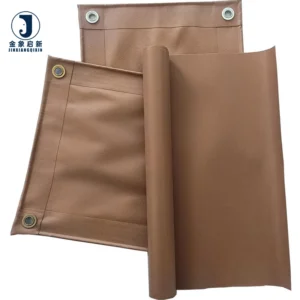
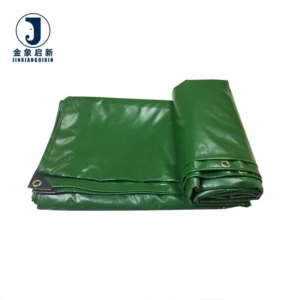
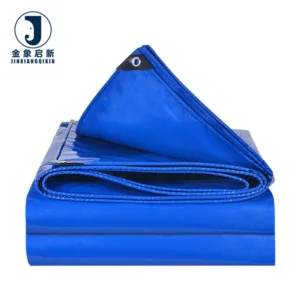
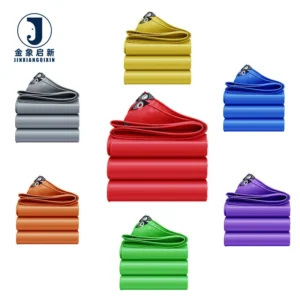
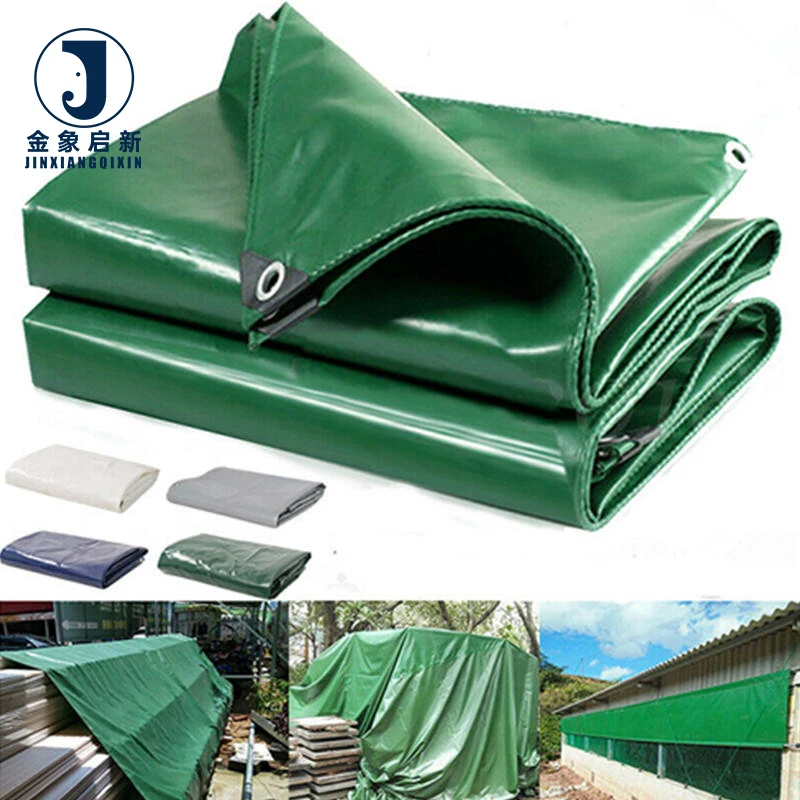
| Colour Options | Blue, Yellow, Black, Green, White, custom colours available |
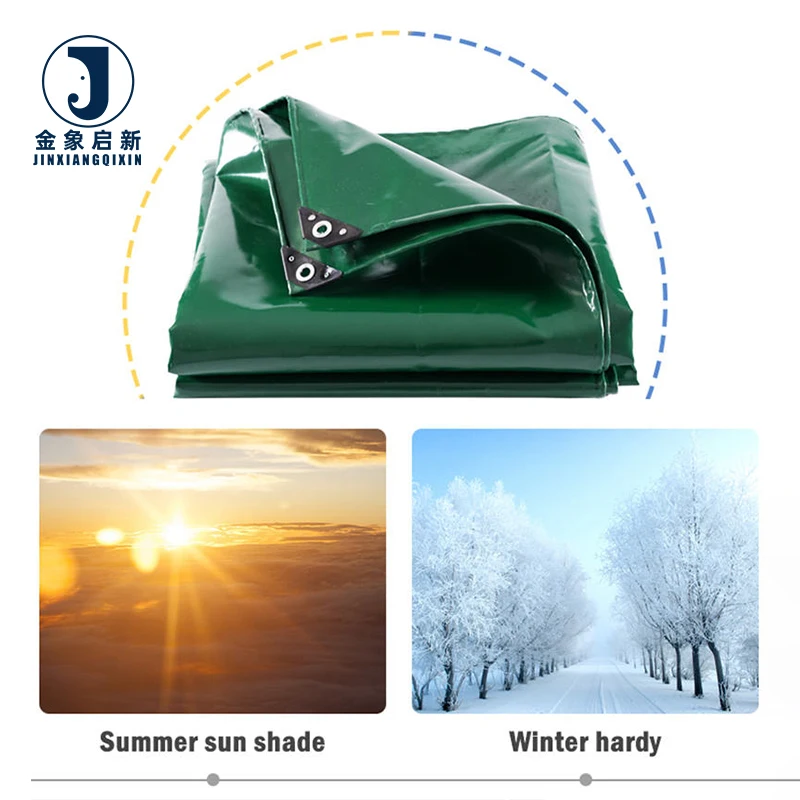
| Temperature Range | -15ºC to 70ºC |
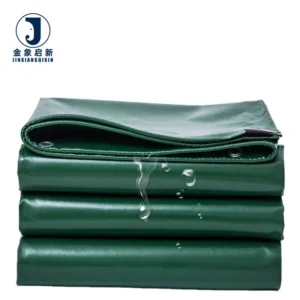
| Waterproof Rating | Fully waterproof coated construction |
| UV Treatment | Customized (test basis not stated in source — confirm the standard required for your market) |
| Flame Retardant Grade | FR treated (grade not stated in source — confirm the classification required for your market) |
| Anti-Mildew | Anti-fungal treated |
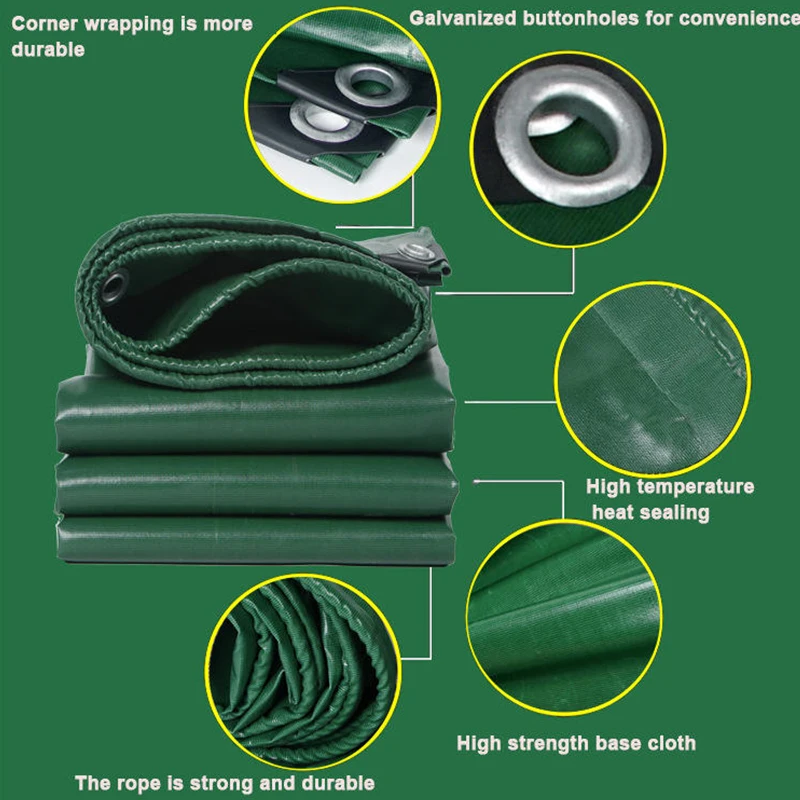
| Key Features | Water-proof, rain-resistant, durable, good flexibility, adhesion strength, abrasion resistance |
Application Suitability
| Application | Exposure & Requirement |
|---|---|
| Tent and awning manufacturing | Roll-fed cutting, heat welding at seams, prolonged UV and rain exposure, colour consistency across production batches |
| Tarpaulin distribution and import | Container-load roll stock, batch-to-batch GSM and colour repeatability, multiple denier grades for resale to varied end-users |
| Inflatable and membrane structure fabrication | Air-holding seam integrity, flexible coating that withstands inflation cycles, consistent coating weight across the roll surface |
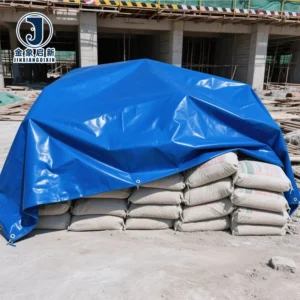
| Lumber and stocklot covering | Outdoor weathering, abrasion from timber edges, puncture resistance under stacked loads |
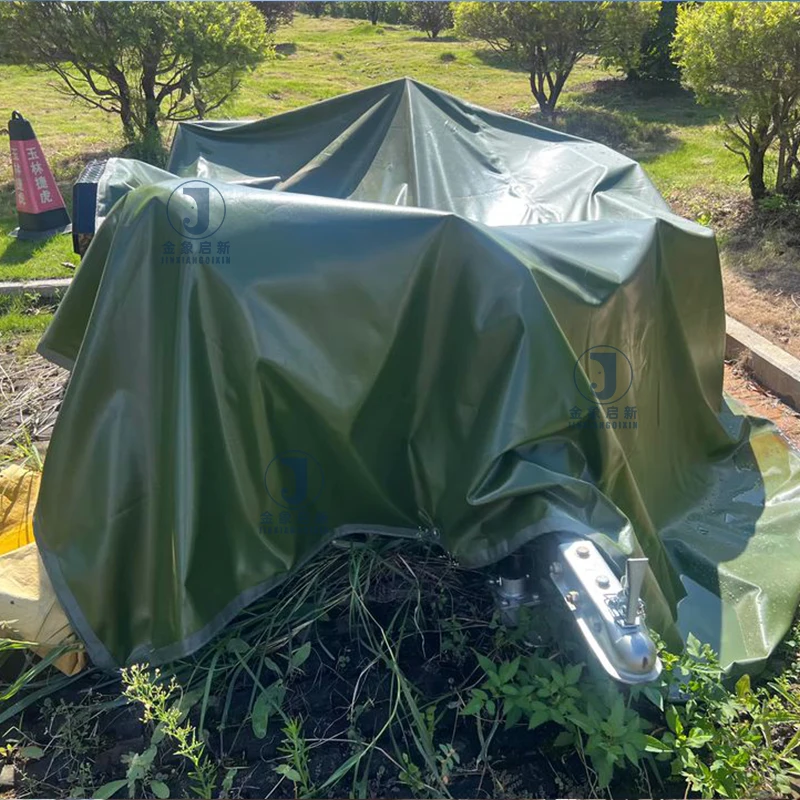
| Construction site protection | Rain and dust containment, material handling abrasion, wind flap fatigue at tied edges |
Why Batch Consistency Matters More Than Quoted GSM When Buying PVC Coated Tarpaulin Rolls
The GSM printed on your invoice means nothing if the rolls you receive vary from one another or fall short of the quoted weight.
Distributors and importers who buy PVC Coated Tarpaulin by the container load face a specific problem: the material spec sheet says one thing, but the rolls arriving at port weigh lighter, show colour drift, or weld differently from the approved sample. These discrepancies compound downstream — your fabricator customers notice the weight difference on their scale, your tent customers see colour mismatch when two rolls are installed side by side. The cost is not just the rejected shipment; it is the lost repeat order from a buyer who no longer trusts your supply chain. [NEED_CITE: ISO 1421 test methods for tensile and tear properties of coated fabrics]
Roll-to-Roll Colour and Weight Control Across the Production Run
Colour shifts between rolls in the same shipment remain one of the most frequent complaints from wholesale tarpaulin buyers. Our coating lines maintain consistent pigment dosing throughout the production run, so the PVC Coated Tarpaulin roll you cut from the first pallet matches the one from the last. Weight verification happens at the roll level before packing, with each roll checked against the target GSM range. This matters most when your end customer is cutting and welding multiple rolls into a single structure — a visible shade difference across a tent roof or awning is a rejection you cannot fix in the field.
Stocking Multiple Denier and Weight Grades for Your Market
A distributor serving both agricultural and construction markets needs different grades on hand — lighter denier for temporary stockpile covers, heavier base fabric for equipment wraps that face abrasion and wind load. Our PVC Coated Tarpaulin roll stock programme covers base fabric options from 200D×300D through 1000D×1000D across the 250gsm to 1500gsm range, so you can consolidate container orders across grades rather than splitting volume across multiple suppliers. Both glossy and matte finish options are available to match the preference of your downstream fabricators. [NEED_CITE: relationship between base fabric denier and tensile performance in PVC coated fabrics]
Reading the Specification Sheet Before You Commit to Volume
Understanding what the numbers actually mean protects you from buying material that fails in service. Base fabric denier — the thread thickness in the woven scrim — determines how well the fabric resists tear propagation once a cut or puncture starts. A 1000D×1000D base will arrest a tear far more effectively than a 200D×300D base, even if both carry the same PVC coating weight. The GSM figure combines base fabric weight and coating weight together, which is why two rolls at the same GSM can perform very differently: one may carry a heavier scrim with a thinner coat, the other a lighter scrim buried under thicker coating. For applications where puncture and tear matter — lumber covers, construction enclosures — prioritise the higher denier option. For applications driven by waterproofing and flexibility — tent roofs, inflatable structures — the coating weight and adhesion quality become the dominant factors. The temperature range of -15ºC to 70ºC sets the operating boundary; below or above these limits, the PVC coating becomes brittle or softens, affecting both handling and welded seam performance.
The Hidden Cost of Specifying Rolls by Price Alone
When a wholesale buyer selects rolls based on the lowest quoted price per kilogram, the savings often disappear in fabrication. Lighter-than-specified coating means the heat welder must run cooler or slower, and the resulting seam may peel before the fabric itself wears out — the load flexes, the weld opens, and your customer files a claim. Colour inconsistency across a batch forces a fabricator to cut around mismatched panels, reducing yield and pushing waste above the planned margin. Rolls that arrive with GSM below the agreed spec may still pass a casual visual check, but your end user discovers the shortfall when the cover tears under a wind load it should have handled. These failures do not show up in the quotation comparison; they show up on your returns ledger. [NEED_CITE: weld seam failure versus fabric body failure in PVC coated tarpaulin applications]
What Sets Our Roll Programme Apart for Wholesale Buyers
Our 10-person R&D team develops samples within days when you need a custom colour, width, or weight combination — you see and approve the actual roll before committing to production volume. Each roll passes dedicated QA/QC at every production stage, with 100% inspection before dispatch rather than statistical sampling, so the packing list you receive reflects verified weight and count. We hold ISO and CE certification across the facility, and our pre-shipment inspection record travels with your documentation package so you can demonstrate provenance to your own customers. The roll packing list details roll count and weight per container, letting your logistics team plan loading and warehousing before the ship leaves port. Custom width, colour, and OEM printing options are available with defined lead times, so you can stock branded or market-specific grades without carrying excess inventory.
Documentation & Verification
- Material specification sheet confirming GSM, base fabric denier and coating type for each roll in your order
- Pre-shipment inspection record with verified weight per roll against the quoted specification before dispatch
- Roll packing list detailing roll count, individual weight and total container load for logistics planning
- Certificate of origin and customs documentation support for your import clearance process
- Test report for UV and flame-retardant grades where applicable to the specification you select
Fabrication, Handling & Storage
- Heat weld temperature and speed must be matched to the specific coating weight and finish — glossy and matte surfaces respond differently to hot wedge and hot air welding
- Store PVC Coated Tarpaulin rolls upright on pallets to prevent flat-spotting and permanent creasing across the coating surface
- Allow rolls to acclimatise to workshop temperature before unrolling and cutting, particularly when ambient conditions fall toward the -15ºC lower limit
- Anti-fungal treatment does not replace proper storage ventilation — keep rolls in dry, covered conditions to prevent mildew growth on cut edges
- Matte finish surfaces accept solvent-based ink printing more readily than glossy; confirm ink adhesion with a test strip before full production runs
- Plan cutting layouts to minimise cross-grain seams in high-stress areas, aligning the warp direction of the base fabric with the primary load path
What to Include in Your Roll Enquiry
To help us recommend the right denier, weight and finish for your market, include your primary application — whether you are reselling cut sizes, feeding rolls into tent fabrication, or supplying construction contractors. Specify the roll width and length that fits your cutting equipment and container loading plan, along with your target annual volume so we can confirm stock availability and production scheduling. If your market requires a specific flame retardant classification or UV standard, name the test method so we can confirm whether our current treatment matches or if a custom formulation is needed.
Frequently Asked Questions
Q: What roll widths and lengths are available for container-load orders?
A: We supply PVC Coated Tarpaulin in standard and custom widths to suit your cutting equipment and container loading efficiency. Roll lengths are configured to maximise pallet and container utilisation. When you share your target roll count per container, we can calculate the optimal roll dimensions to fill the space and reduce your freight cost per kilogram of fabric received.
Q: How is GSM verified before shipment on bulk roll orders?
A: Every roll undergoes individual weight verification during our 100% pre-shipment inspection process. The verified GSM is recorded on the pre-shipment inspection record included in your documentation package. This means you receive documented proof that the material arriving at your warehouse matches the specification you approved, eliminating weight disputes after delivery.
Q: Can I expect the same colour across multiple production runs?
A: We control pigment dosing throughout the coating process to maintain colour consistency within each production batch. For repeat orders, we reference the colour standard from your initial approval sample. If you require guaranteed colour matching across orders placed months apart, we can retain a physical reference swatch and confirm batch shade against it before dispatching your rolls.
Q: Do UV and flame-retardant grades come with supporting test reports?
A: Where UV and flame-retardant treatments are specified, we provide test documentation relevant to the grade produced. The specific classification depends on your market requirements — confirm the standard you need (such as DIN, NFPA, or local building code references) at enquiry stage so we can match the formulation and supply the corresponding test report with your shipment documentation.
Q: What is the MOQ for custom width, colour or OEM printing?
A: Minimum order quantities for custom specifications depend on the width, colour and printing complexity you require. Stock grades in standard widths carry lower minimums and faster turnaround. Share your target specification and annual volume, and we will confirm the MOQ alongside lead time so you can plan your purchasing schedule around your distribution commitments.