Description
Batch Consistency Guarantee — Every PVC Coated Tarpaulin roll undergoes 100% pre-shipment inspection with weight verification against the stated GSM, ensuring color and thickness uniformity across your entire container load.
Technical Specifications
| Parameter | Value |
|---|---|
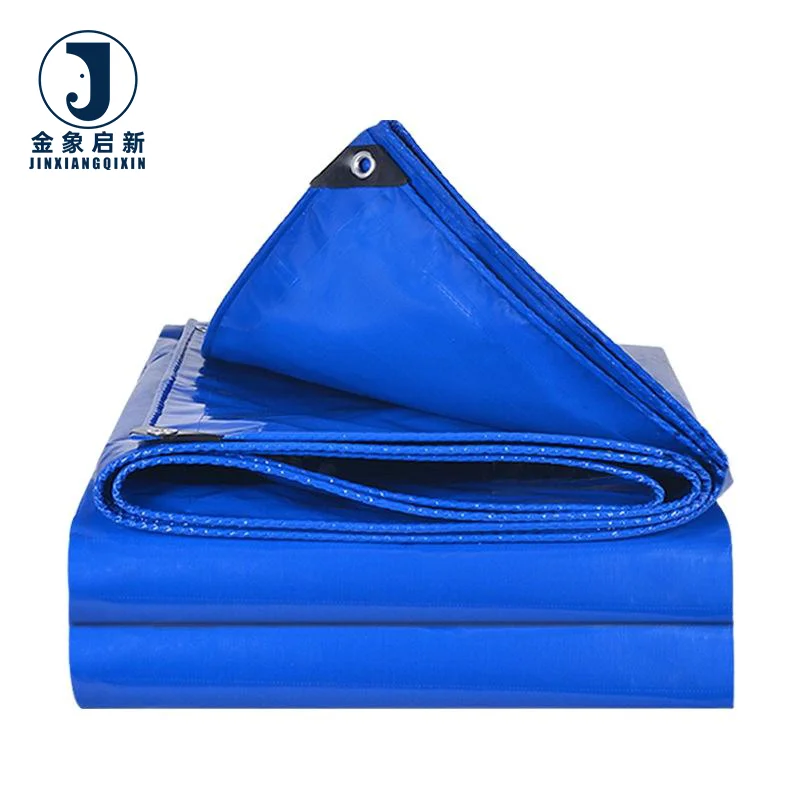
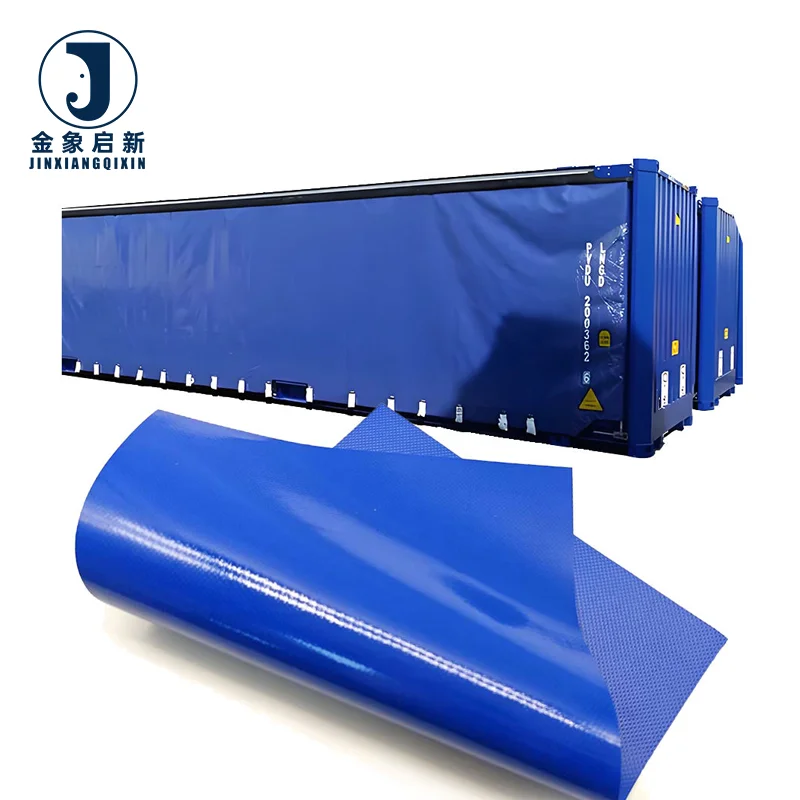
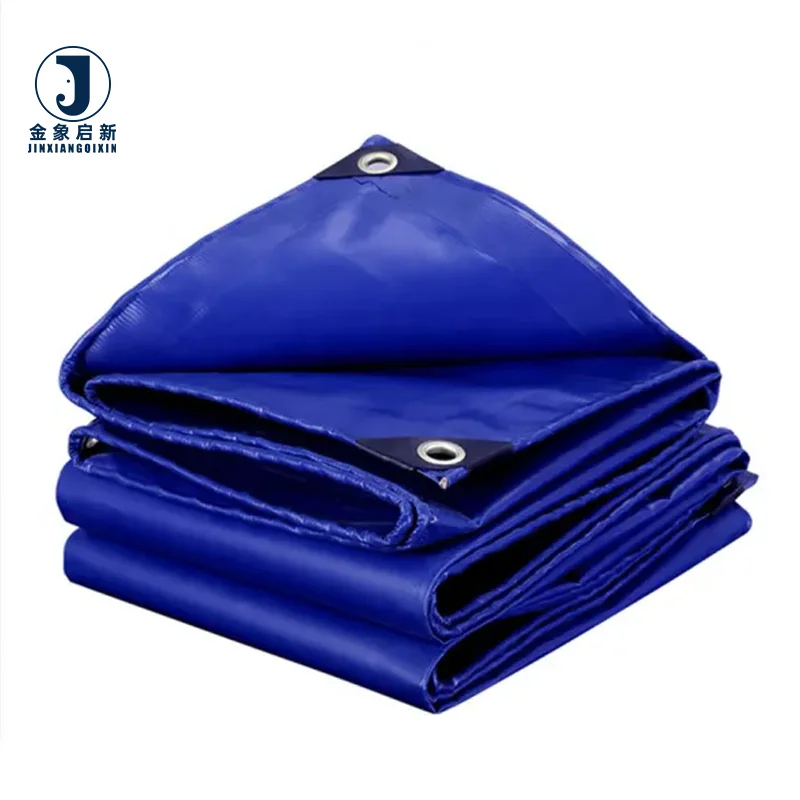
| Product Type | PVC Coated Tarpaulin Roll |
| Material | PVC + High-strength polyester mesh fabric |
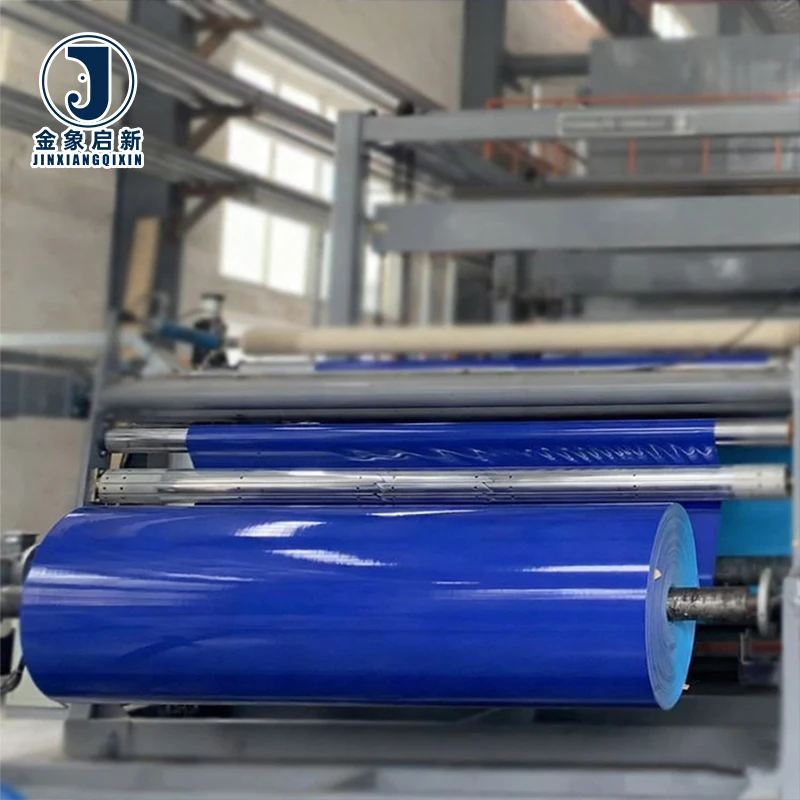
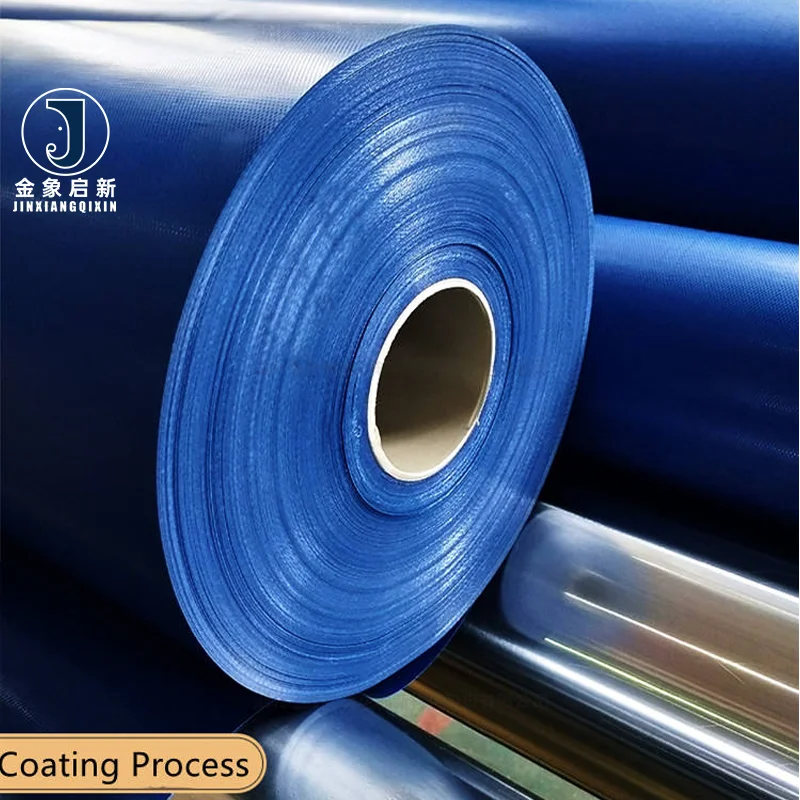
| Coating Technology | Laminated technology & Hot-melt Coating technology |
| Weight Options | 350gsm / 420gsm / 500gsm / 550gsm / 600gsm / 750gsm |
| Total Thickness | 0.32mm / 0.35mm / 0.4mm / 0.45mm / 0.5mm / 0.65mm |
| Standard Roll Size | 2m width × 75m length / 2.1m width × 50m length |
| Surface Finish | Glossy Surface or Matt Surface |
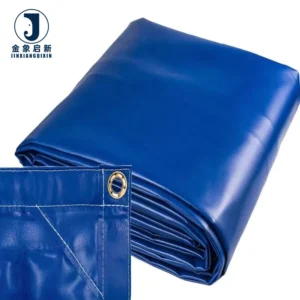
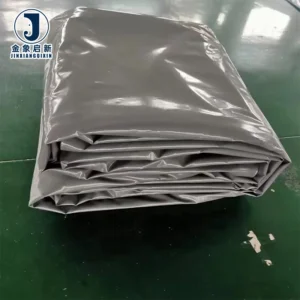
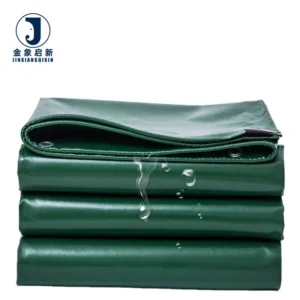
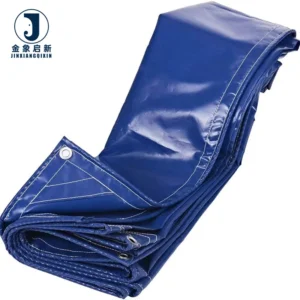
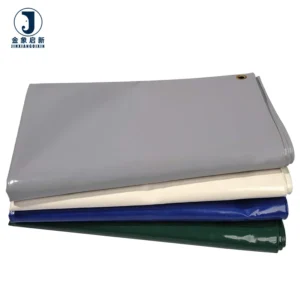
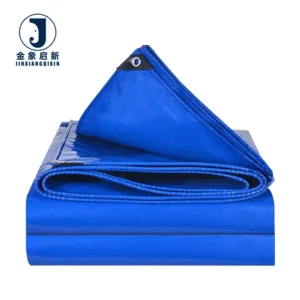
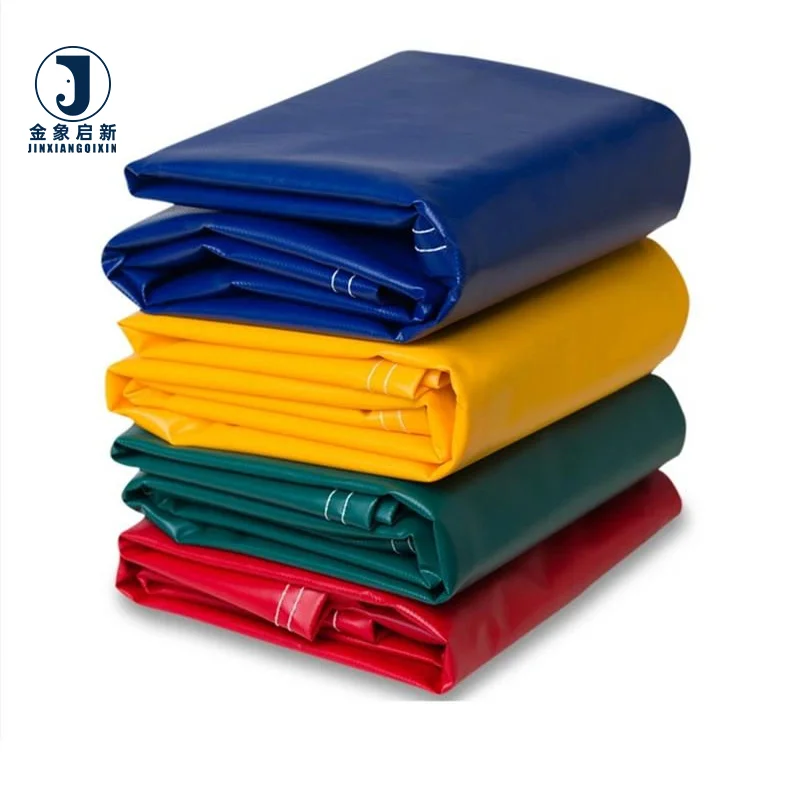
| Color Options | Blue / Red / Yellow / Light blue / Grey (Customized) |
| Anti-Static Treatment | Available (grade not stated — confirm requirement) |
| UV Treatment | Sunproof claimed (test basis not stated — verify for your market) |
| Flame Retardant | Available in flame retardant grades — confirm the grade required for your market |
| Key Features | High tenacity polyester yarns, cold crack resistance, anti-mildew, waterproof, color fastness, outstanding tearing strength for welding |
Application Suitability
| Application | Exposure & Requirement |
|---|---|
| Tarpaulin distribution and import | Multiple GSM grades needed for regional resale, consistent batch color across containers |
| Tent and awning manufacturing | Roll-to-roll uniformity for production cutting, reliable heat welding at seams |
| Inflatable structure fabrication | Air-holding integrity, consistent coating adhesion across the full roll length |
| Agricultural pond and reservoir lining | Permanent water contact, puncture resistance from substrate, anti-mildew performance |
| Construction site enclosure | Wind loading, scaffold abrasion, UV exposure over project duration |
| Temporary industrial equipment covers | Dust and moisture protection, repeated handling and folding |
Why Roll-to-Roll Color Consistency Matters More Than Price Per Square Meter
Color variation between rolls in the same order is one of the most common reasons wholesale tarpaulin shipments get rejected at destination.
When you order PVC coated tarpaulin rolls for redistribution or manufacturing, the assumption is that every roll in the container will look identical once unrolled side by side. In practice, coating weight fluctuations and pigment batching differences can produce visible shade shifts between rolls produced on different days or even different shifts. For distributors selling to end users who install panels adjacent to each other, this inconsistency damages credibility far beyond the material cost of a single roll [NEED_CITE: color fastness and batch consistency standards for coated fabrics].
Stock Widths Optimized for Container Loading Efficiency
Standard roll configurations of 2m × 75m and 2.1m × 50m are dimensioned to maximize roll count per 20-foot or 40-foot container while keeping individual roll weight within manual handling limits. The 2.1m width accommodates common panel cutting patterns with minimal offcut waste, particularly for buyers fabricating covers or enclosures from PVC coated tarpaulin wholesale stock.
Laminated and Hot-Melt Coating Technologies Explained
Hot-melt coating forces PVC compound into the polyester mesh under heat and pressure, producing higher adhesion strength between coating and base fabric compared to simple lamination. This matters directly at welded seams, where the coating must remain bonded to the mesh under the thermal stress of heat joining. Laminated construction remains suitable for applications where seam welding is not required or where mechanical fastening is specified instead [NEED_CITE: coating adhesion test methods per ISO 2411].
How GSM, Base Fabric, and Coating Weight Interact
GSM alone does not determine tensile or tear performance — the denier of the polyester yarns and the warp-weft density of the base mesh contribute equally. A 550gsm roll with a high-denier, open-weave base may outperform a 600gsm roll built on a lighter mesh with heavier coating. The hot-melt coating process used here ensures the PVC compound penetrates the mesh structure rather than sitting on the surface, which improves both peel strength and resistance to delamination at fold lines. Thickness grades from 0.32mm to 0.65mm correspond to the GSM range, giving buyers a predictable relationship between roll weight and handling characteristics. Surface finish — glossy or matte — affects cleaning behavior and print adhesion; glossy sheds dirt more readily while matte provides better ink grip for branded panels.
The Hidden Cost of Specifying the Wrong Roll Grade
Ordering a lighter GSM than the application demands shows up first at stress points — corners, tie-down attachment zones, and welded seams. A poultry curtain or poultry house side panel flexes continuously under wind load, and the coating-to-mesh bond at the weld line bears the highest cyclic stress. When the coating weight is insufficient for the mechanical demand, the PVC layer separates from the base fabric at the weld before the fabric itself shows any sign of failure. Buyers who specify based on price per roll rather than application-matched GSM absorb the cost of warranty claims and replacement shipments that far exceed the initial savings [NEED_CITE: weld failure analysis methodology for PVC coated fabrics].
Why Wholesale Buyers Consolidate Their Roll Orders Here
Three full production lines running concurrently allow multiple GSM grades and colors to be scheduled within a single container shipment, reducing the freight cost per roll for distributors building mixed inventory. A 10-person R&D team develops custom color samples within days rather than weeks, which matters when a regional buyer needs to match an existing installed panel. Dedicated QA checkpoints at every coating stage catch GSM drift before the roll reaches the winding station, not after. Roll packing lists detail net weight, dimensions, and roll count per pallet so container loading plans can be finalized before production completes. Custom widths beyond the standard 2m and 2.1m are available with lead times confirmed at quotation stage.
Documentation & Verification
- Material specification sheet stating exact GSM, base fabric denier, and coating weight for each roll grade
- Roll packing list with individual roll net weight and dimensions for container loading calculations
- Pre-shipment inspection record confirming 100% QC check on color, weight, and surface condition
- Certificate of origin and customs documentation support for international roll shipments
- Test report for UV and flame-retardant grades where applicable to the specified order
Fabrication, Handling & Storage
- Heat weld temperature and dwell time must be adjusted to match the specific GSM and coating thickness of each roll grade
- Store rolls horizontally on pallets in shaded, ventilated areas to prevent flat-spot deformation on the coating surface
- Unroll at ambient temperature above 5°C to avoid cold crack damage on the PVC coating layer
- Clean glossy surface rolls with mild detergent only — solvent-based cleaners degrade the plasticizer in the PVC compound
- Plan cutting layout across the 2m or 2.1m roll width to minimize offcut waste on panel-based fabrication jobs
- Mark roll direction and batch number before cutting to maintain traceability across multi-roll production runs
Request a Quotation with Your Specification
Provide the GSM grade, roll width, surface finish, and color you need along with your target container volume so we can confirm roll count and loading plan. If your end application requires flame-retardant or anti-static certification for a specific market standard, include that requirement at inquiry stage so the correct grade is sourced. Samples are available for color and finish approval before bulk production is scheduled.
Frequently Asked Questions
Q: How is GSM verified on each roll before shipment?
A: Every roll is sampled and weighed against the material specification sheet at the QA checkpoint before winding is completed. Rolls that fall outside the stated tolerance are rejected from the shipment. The pre-shipment inspection record documents the measured weight per roll grade in your order.
Q: How is color consistency controlled across multiple rolls in one order?
A: All rolls in a single order are produced from the same pigment batch under controlled coating conditions. A QA operator compares each finished roll against the approved color standard under consistent lighting. Any roll showing visible shade deviation is segregated before packing.
Q: What roll widths are stocked versus made to order?
A: Standard widths of 2m and 2.1m are available across all six GSM grades for prompt scheduling. Custom widths require confirmation of minimum order quantity and lead time at quotation stage. Container loading plans are provided for both standard and custom configurations.
Q: What is the minimum order for custom color per roll order?
A: Custom color requires a minimum roll quantity confirmed at inquiry stage based on the pigment batch size needed for consistent production. A sample is produced for approval before the full order is scheduled, ensuring the color matches your specification.
Q: What documentation ships with each roll consignment?
A: Each shipment includes a material specification sheet, roll packing list with weights and dimensions, pre-shipment inspection record, certificate of origin, and ISO and CE certificates. Test reports for UV or flame-retardant grades are included where applicable to the grades ordered.