Description
Verified Roll-Stock Consistency — Every PVC coated tarpaulin roll is weighed and recorded against the quoted GSM before dispatch, ensuring the specification you order is the specification you receive.
Technical Specifications
| Parameter | Value |
|---|---|
| Product Type | PVC Coated Fabric |
| Base Fabric Yarn Count | 500D x 500D Polyester |
| Coating Material | Double-Sided PVC on Polyester Base |
| Weight Range | 450–900 g/m² (specific grade to be confirmed per order) |
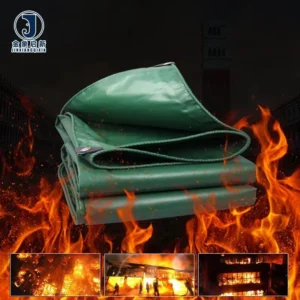
| Flame Retardancy | Flame-retardant grades available — confirm the grade required for your market |
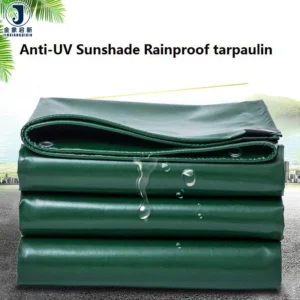
| UV Resistance | Anti-UV treatment available — confirm test basis for your application |
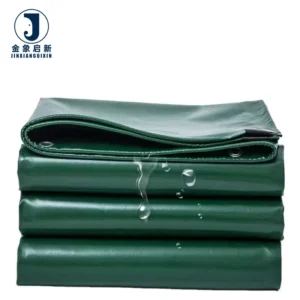
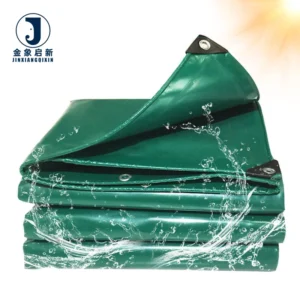
| Waterproof Performance | Fully sealed coating construction |
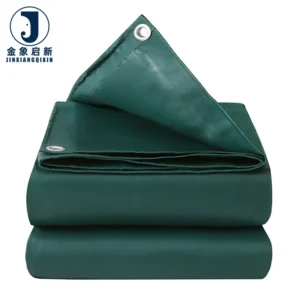
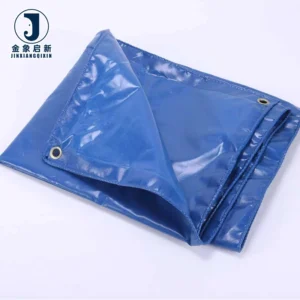
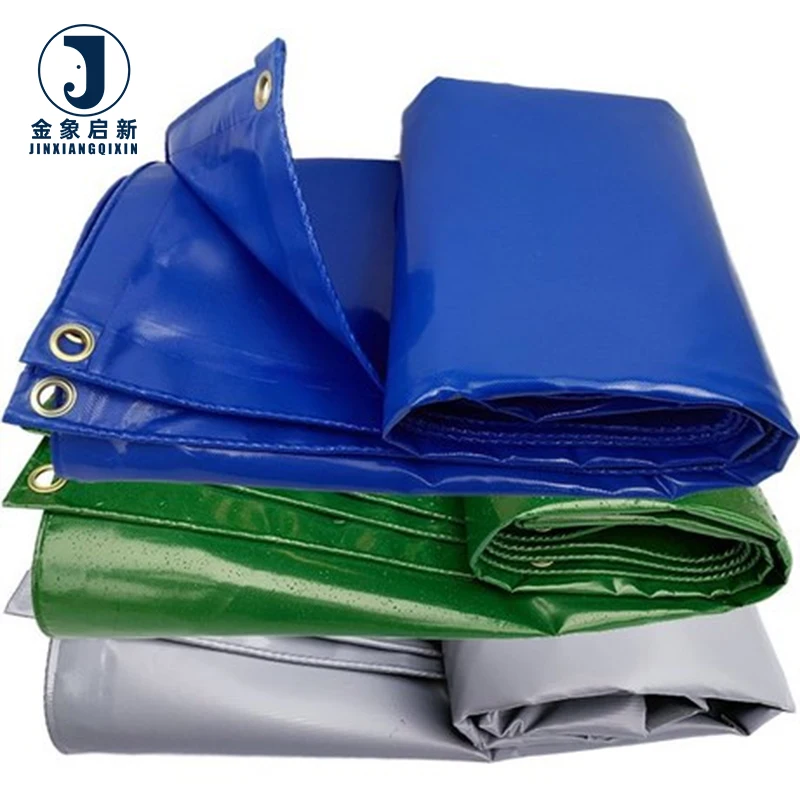
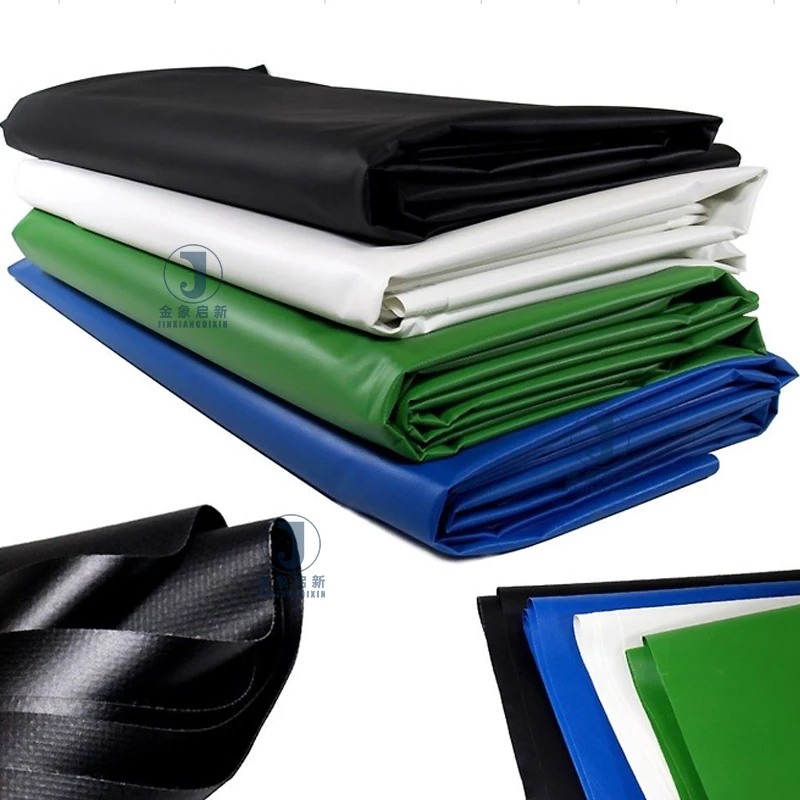
| Surface Texture | Smooth, leather-like finish |
| Repair Method | Hot air welding |
| Packing Format | Roll packing, bale packing, or carton |
Application Suitability
| Application | Exposure & Requirement |
|---|---|
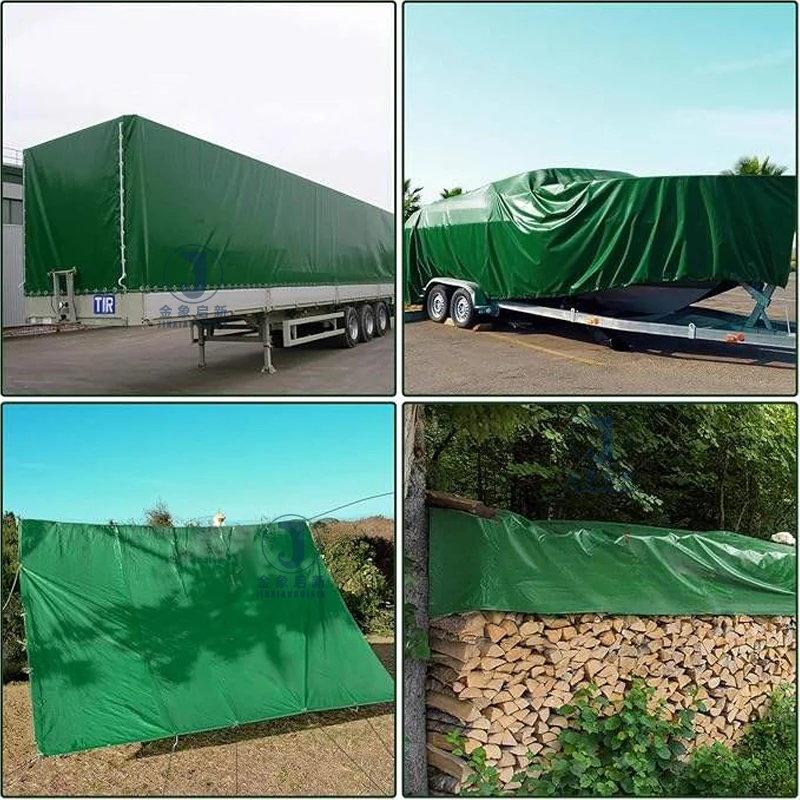
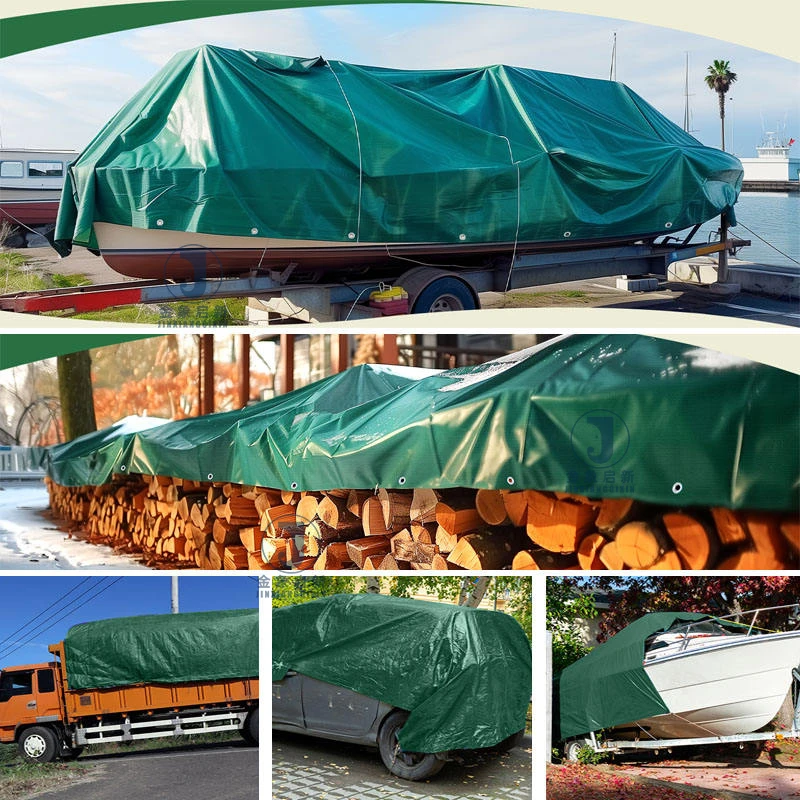
| Truck and trailer side curtains | Constant flexing at load points, road spray, UV exposure during transit |
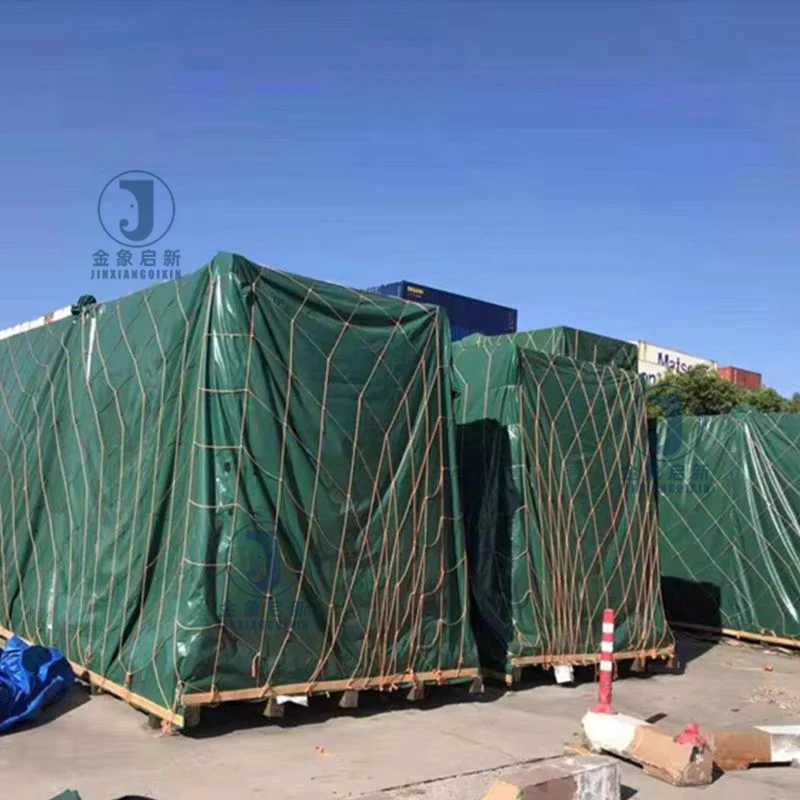
| Container and flatbed covers | Abrasion from tie-down straps, wind lift, prolonged weather exposure |
| Industrial machine covers | Dust ingress prevention, moisture protection during outdoor storage |
| Awning and tent fabrication | Repeated folding and unfolding, solar heat load, colour consistency across panels |
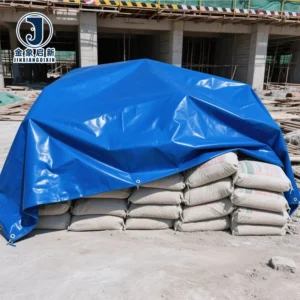
| Construction site equipment covers | Puncture risk from scaffolding edges, UV degradation over extended site use |
Why Colour Consistency Across Rolls Defines Wholesale Reputation
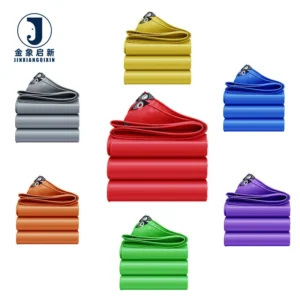
Batch colour variation between rolls becomes immediately visible when a fabricator installs panels side by side from the same shipment.
Importers and distributors who stock PVC coated tarpaulin roll face a recurring complaint: rolls from one container arrive in slightly different shades, forcing fabricators to reject installed covers or discount finished goods. The issue rarely shows on a sample card. It appears only when two rolls are unrolled next to each other on the cutting table. Coating pigment dispersion, oven temperature drift, and base fabric lot changes all contribute. [NEED_CITE: factors affecting colour consistency in PVC coated fabric production] Without a controlled batching protocol, a wholesale order can fragment into sub-lots that no longer match, eroding buyer confidence downstream.
Roll-to-Roll GSM and Weight Verification Protocol
When buying PVC coated tarpaulin roll stock in volume, the GSM printed on the label must correspond to what is actually on the core. Each roll in a batch is sampled for weight per square metre before packing. Rolls that fall outside the tolerance band for their grade are pulled and re-assigned or re-coated. This verification matters most for wholesale traders consolidating multiple widths and colours into a single container, where one under-weight roll can trigger a claim against the entire shipment. The pre-shipment inspection record captures roll-by-roll weight data, giving the buyer a transparent reference before the container is sealed.
Container Loading Plans and Batch Integrity
Shipping PVC coated tarpaulin roll by the container requires a loading plan that accounts for roll diameter, core length, and stacking weight limits. Rolls packed horizontally on pallets must not exceed the crush threshold of the bottom layer. Colour-grouped rolls are loaded together so that a fabricator receiving one pallet can begin cutting without searching through mixed batches. [NEED_CITE: container loading best practices for coated fabric rolls] Bale packing reduces volume for lighter grades, while heavy-grade rolls ship in individual corrugated sleeves to prevent surface scuffing during ocean transit.
Reading the Specification Sheet Beyond GSM
A 500D × 500D polyester base provides balanced tensile behaviour in both warp and weft directions, which is essential when the fabric is cut into large panels for truck covers or awnings. However, denier alone does not determine tear resistance; the weave density — the number of yarns per centimetre — governs how far a tear propagates once initiated. Coating weight contributes to puncture resistance and seam adhesion but adds stiffness, which can complicate folding for tent applications. Flame-retardant treatment affects the hand feel and welding temperature window, so fabricators should request a weld test strip before committing to production parameters. Surface finish — smooth versus textured — influences both dirt retention and the adhesion of printed graphics if branding is applied later. [NEED_CITE: relationship between base fabric weave density and tear propagation in coated textiles]
The Hidden Cost of Specifying on Price per Kilogram Alone
When purchasing PVC coated tarpaulin roll at the lowest cost per kilogram, buyers often receive thinner coating on the same base fabric, which reduces abrasion life without changing the stated GSM significantly. A cover that should withstand years of road exposure fails at the first season’s flex points because the coating-to-fabric bond was never tested for peel strength. Flame-retardant grades quoted without a certified test report can fail site inspections, leaving the entire shipment stranded at a construction or mining project. Colour drift across a large order forces fabricators to sort rolls manually, adding labour cost and delaying delivery to their own clients. [NEED_CITE: common causes of premature failure in PVC coated tarpaulin covers]
Why Sourcing Roll Stock Here Reduces Procurement Risk
Nearly 30 years of focused coated-fabric production has established process control over coating weight, adhesion, and pigment consistency across long production runs. Three full production lines and 36 sets of professional equipment allow large container orders to be completed within predictable lead times without splitting batches across different machines. A 10-person R&D team develops custom width and colour samples within days, so buyers can verify appearance and weld behaviour before authorising full production. Dedicated QA/QC at every stage — base fabric inspection, coating weight check, colour matching, and final roll weighing — produces the pre-shipment documentation that wholesale importers need for customs and downstream buyer assurance.
Documentation & Verification
- Material specification sheet stating confirmed GSM, base fabric denier, and coating composition per roll batch
- UV and flame-retardant test reports provided where specific grades are ordered and confirmed
- Pre-shipment inspection record with individual roll weight entries against the stated specification
- Roll packing list detailing roll count, net weight, gross weight, and dimensions for container planning
- Certificate of origin and customs documentation aligned with destination-country import requirements
Fabrication, Handling & Storage
- Hot air welding at temperatures matched to the PVC coating grade; test a scrap strip before full production to confirm peel strength
- Store rolls upright on cores in a shaded, ventilated area to prevent flat-spotting and surface adhesion between layers
- When cutting panels from 500D base fabric rolls, allow for bias stretch by orienting patterns along the warp direction
- Clean smooth-finish PVC surfaces with mild detergent; avoid solvent-based cleaners that can soften the coating layer
- For long-term outdoor storage of finished covers, ensure the anti-UV treated side faces outward to extend service life
Requesting a Roll-Stock Quotation
To receive an accurate quotation for PVC coated tarpaulin roll, specify the target GSM or weight range, required roll width, and the number of rolls or container volume you intend to order. If your market requires a particular flame-retardant or UV-resistance grade, state the test standard so the correct treatment can be applied and documented. Indicate whether you need rolls in standard packing or if bale packing is preferred for your container loading plan.
Frequently Asked Questions
Q: How is GSM verified on each roll before shipment?
A: Every roll is cut for a sample swatch, weighed on a calibrated scale, and recorded on the pre-shipment inspection sheet. Rolls outside the tolerance band for the ordered grade are removed from the batch. The inspection record travels with the shipping documentation so you can cross-reference weight data against your purchase order before the container leaves the factory.
Q: How do you control colour consistency across rolls in the same order?
A: All rolls for a single order are coated from the same pigment batch in a continuous production run. Colour is checked against the approved reference under standardised lighting at multiple points during the run. Rolls are grouped by dye lot on the packing list, so fabricators receive matched panels from the same production sequence.
Q: What roll widths and lengths are available for container loading?
A: Standard stock widths are produced on existing lines, with custom widths available for full-container orders. Roll length is set to your cutting requirements or to optimise container space. A loading plan is provided before dispatch showing roll orientation, pallet configuration, and container utilisation for your logistics team.
Q: What is the MOQ for custom width or colour on roll stock?
A: Custom widths and colours require a minimum run that fills a defined production batch to ensure pigment and coating consistency. The exact MOQ depends on the width and grade selected. Contact the sales team with your target specification and container volume to receive a confirmed minimum and lead time.
Q: How are rolls packed and protected during ocean freight?
A: Rolls are wrapped in protective film to prevent surface scuffing and moisture ingress, then packed in corrugated sleeves or bale wrapping depending on the grade. Pallets are configured to distribute weight evenly and avoid crushing the bottom layer. A container loading diagram is shared before sealing so you can verify the packing arrangement.