Description
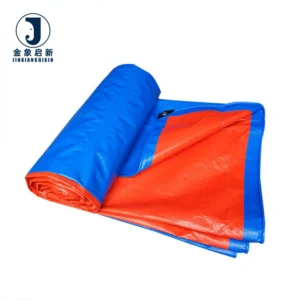
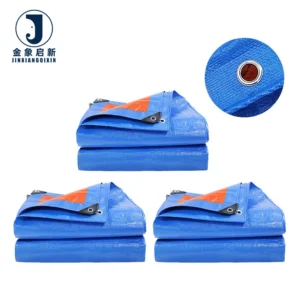
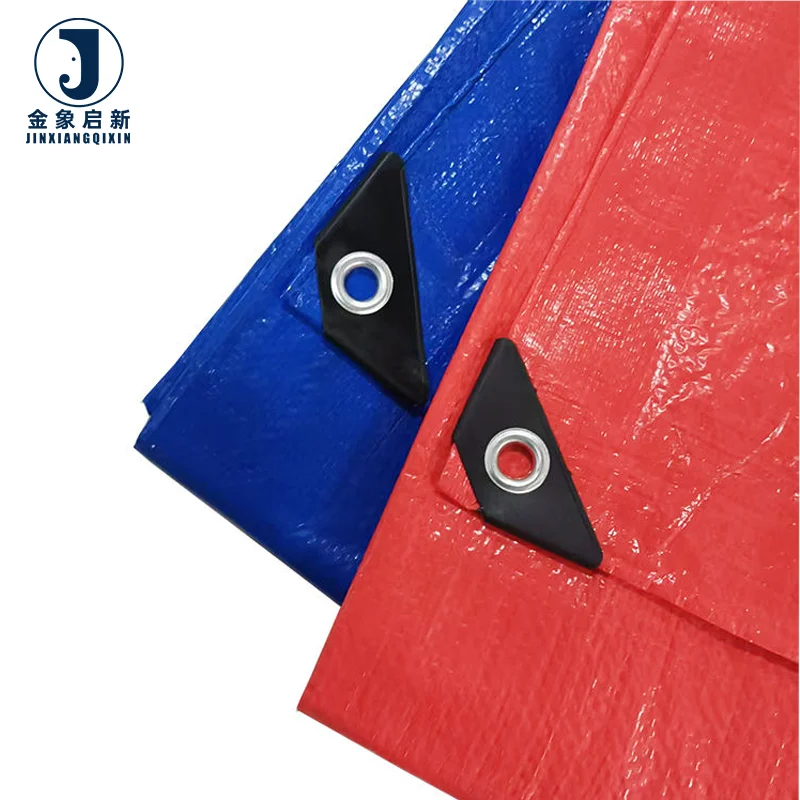
Bulk Roll Consistency — every roll of PE tarpaulin weighed and color-checked against the buyer’s specification before it leaves the factory floor.
Technical Specifications
| Parameter | Value |
|---|---|
| Product Type | PE Tarpaulin |
| Coating Material | PE |
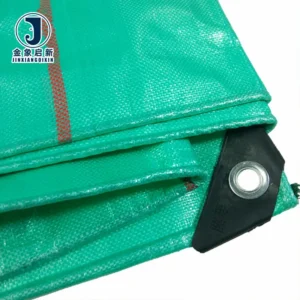
| Weave Style | Plain |
| Construction | Heavyweight (GSM not stated in source) |
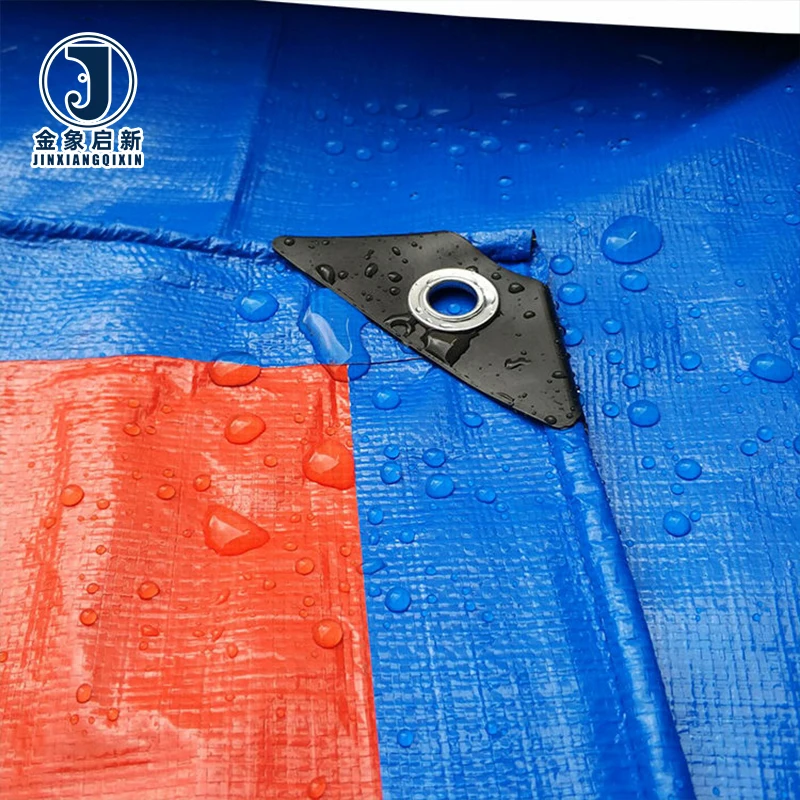
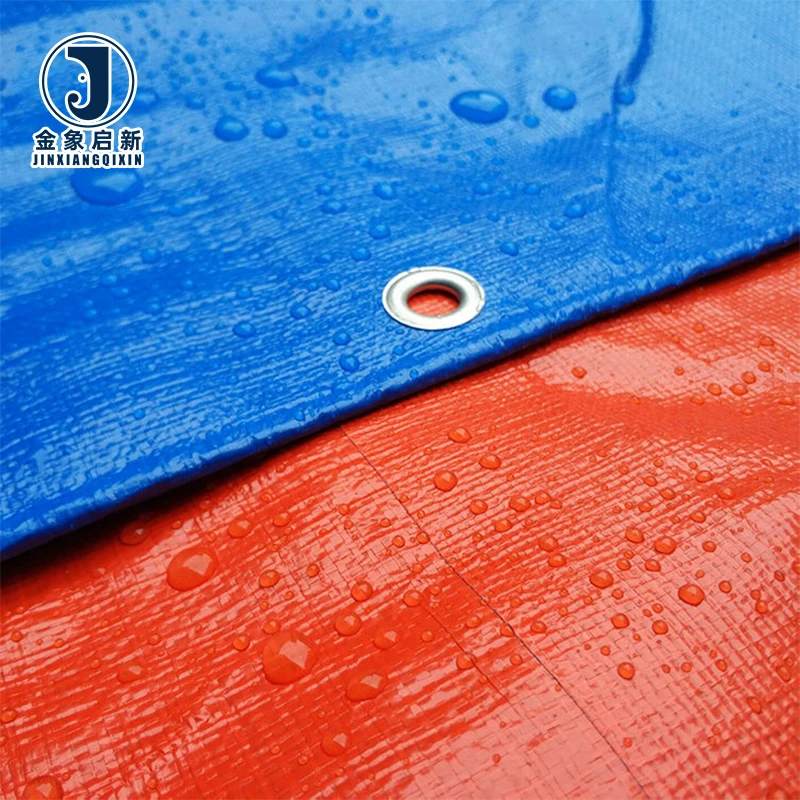
| Waterproof | Yes |
| Mildew-Proof | Yes |
| UV Resistant | Yes (test basis not stated in source) |
| Customizable Sizes | Available |
| Customizable Colors | Available |
Application Suitability
| Application | Exposure & Requirement |
|---|---|
| Tarpaulin distributor roll stock | Warehouse stacking, transit compression, consistent batch weight and color across container loads |
| Tent and awning fabrication | Cutting table yield, seam heat-welding, uniform tensile behavior across the roll width |
| Pond lining and aquaculture | Permanent water contact, soil chemistry exposure, puncture resistance during installation |
| Trailer and transport covers | Road abrasion, wind flutter, UV exposure, flex fatigue at tie-down points |
| Outdoor event and ceremony covers | Short-term weather protection, quick deployment, mildew resistance during humid storage |
| Roof covering and construction | Direct sunlight, rainfall pooling, debris impact, thermal expansion and contraction |
Why PE Tarpaulin Roll Weight Matters More Than the Label Says
A quoted GSM means nothing if the roll arriving at your warehouse weighs less than the sample you approved.
Buyers who purchase PE tarpaulin wholesale by the container have encountered rolls that come in lighter than agreed, with coating thickness varying from one end of the roll to the other. The material looks correct on the outside but fails mid-season because the base fabric density or coating weight was reduced somewhere in production. Color drift between rolls in the same shipment becomes visible the moment two panels hang side by side on a tent frame or trailer [NEED_CITE: batch color consistency standards for woven PE fabrics]. These are not rare defects — they are the direct result of skipped in-process checks and absent pre-shipment verification.
Roll-to-Roll Consistency for Wholesale Buyers
When you order PE tarpaulin roll stock in volume, every roll needs to match the one before it. Width tolerance, coating weight, and color reference must hold across the entire container load. Distributors and importers who resell to fabricators or end users absorb the complaints when batch variation shows up on a job site. Consistent roll weight also determines cutting yield — a roll that is lighter in the middle means thinner material that tears during fabrication or under field stress.
Container Loading and Batch Traceability
Volume orders of PE tarpaulin wholesale demand a packing list that tells you exactly which batch each roll came from, the net weight per roll, and how many rolls fit in your chosen container configuration. Without traceable batch references, identifying the source of a defective roll after arrival becomes impossible. A structured roll packing list with batch numbers lets you isolate problems to a single production run rather than rejecting an entire shipment [NEED_CITE: pre-shipment inspection protocols for coated fabric rolls].
Reading Between the Specs: What GSM, Weave, and Coating Actually Mean
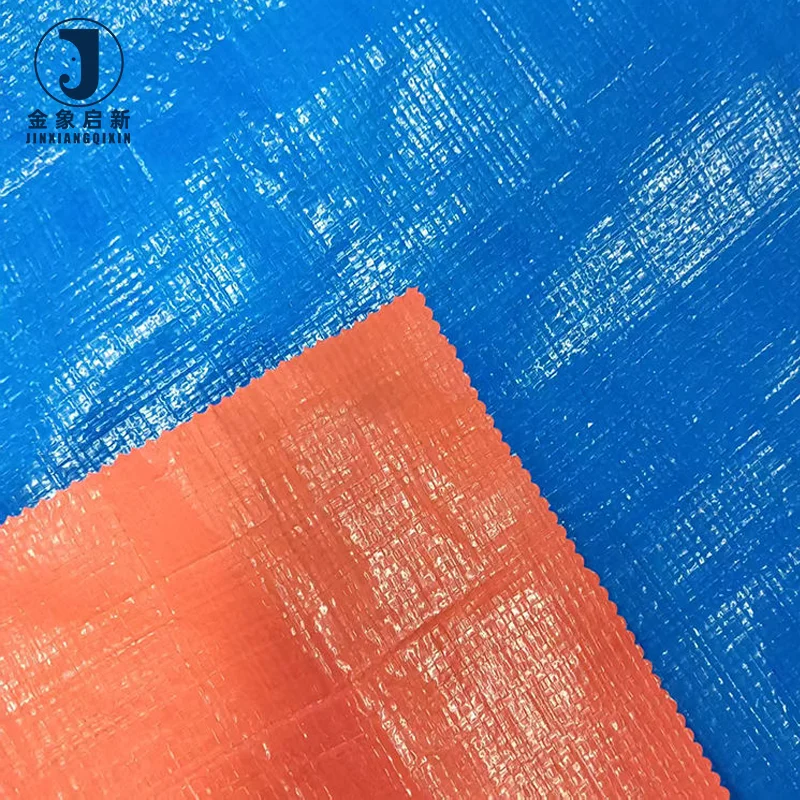
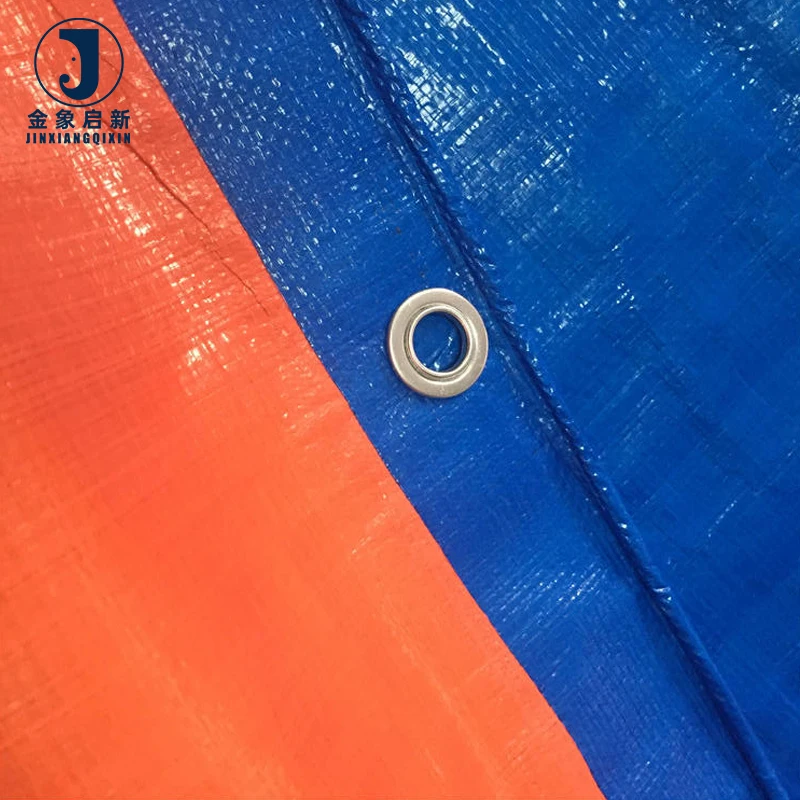
The plain weave construction in this PE tarpaulin balances warp and weft yarns to deliver uniform tensile behavior in both directions — important when fabricators cut panels at angles or when installed covers experience multidirectional wind load. The PE coating applied over the woven base provides the waterproof and mildew-proof barrier, but coating weight and base fabric denier together determine how the material performs under stress. A heavier base fabric with thin coating may tear at the yarn level before the coating fails, while a thick coating over a loose weave may crack when folded in cold temperatures. The heavyweight construction noted in the specification signals suitability for demanding outdoor applications, but buyers should request the actual GSM value per roll to match it against their specific end-use requirements. UV resistance is offered, though the test basis should be confirmed with a report stating duration and method before specifying for long-term sun exposure.
The Hidden Cost of Skipping Pre-Shipment Roll Checks
A PE tarpaulin order that looks correct on paper can still fail in the field when the factory does not verify each roll before dispatch. Lightweight rolls mean your fabricator gets less material per roll than expected, cutting margins shrink, and per-square-meter cost rises without warning. Rolls with uneven coating develop weak spots that split under tension during installation. Color variation across an order forces your customer to reject an entire tent or truck cover because two adjacent panels do not match. These costs multiply through the supply chain — from distributor to fabricator to end user — and the root cause is almost always a missing inspection step [NEED_CITE: failure analysis of woven PE tarpaulin in field applications].
Why Source PE Tarpaulin Roll Stock Through This Supply Chain
Three full production lines and 36 sets of professional equipment support the volume and scheduling reliability that wholesale buyers need for repeat container orders. The 10-person R&D team handles custom width, length, and color matching, developing samples within days so bulk production starts from an approved reference. Dedicated QA/QC at every production stage means coating weight and color are checked during manufacturing, not just at the end. A 100% pre-shipment inspection checks every roll against the agreed specification before it is packed. Nearly 30 years of coated fabric production experience informs process control over coating adhesion and weave consistency across long production runs.
Documentation & Verification
- Material specification sheet stating GSM, base fabric type, and PE coating weight per roll batch
- Pre-shipment inspection record with roll-by-roll weight and color verification before dispatch
- Roll packing list detailing batch reference, roll count, net weight, and container loading plan
- ISO and CE certificates available on request for buyer compliance documentation
- UV resistance test report provided when applicable, stating test method and exposure duration
Fabrication, Handling & Storage
- Heat-weld PE tarpaulin panels using temperature settings matched to the heavyweight PE coating to avoid delamination at seams
- Store rolls horizontally on pallets in a dry, shaded warehouse to prevent compression marks on the PE coating surface
- Allow cold-stored rolls to reach ambient temperature before unrolling to prevent coating cracking during fabrication
- Use a sharp blade and flat cutting table to maximize yield per roll and avoid fraying the plain weave base fabric
- Clean finished PE tarpaulin covers with mild detergent and water; avoid solvent-based cleaners that degrade the PE coating
- Plan panel layout across the roll width to minimize offcuts and reduce the number of welded seams in the final product
What to Include in Your PE Tarpaulin Inquiry
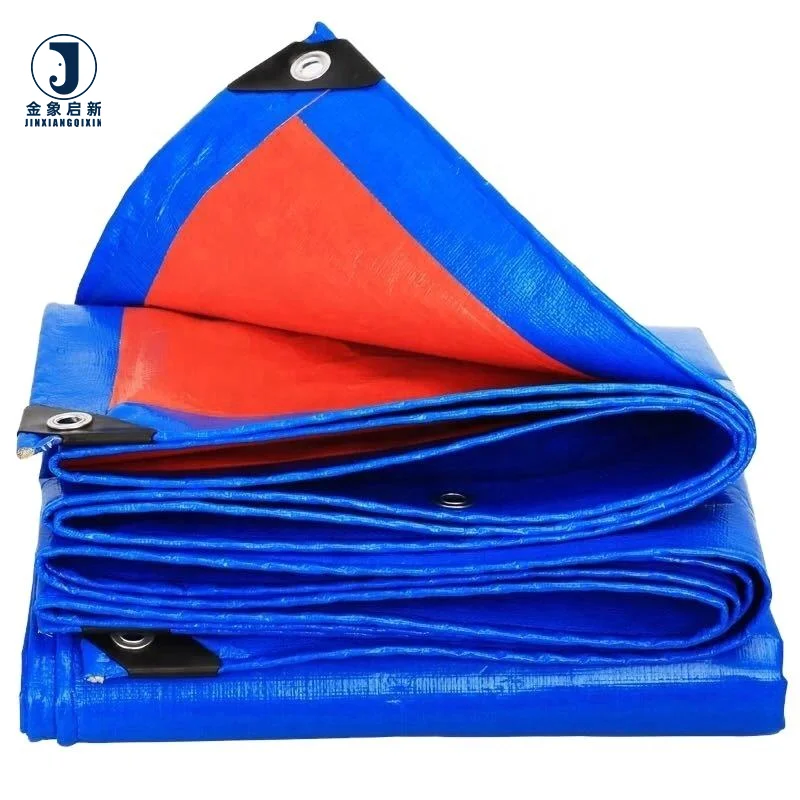
Specify the application and exposure conditions so the correct grade and treatment can be recommended. Confirm the target width, roll length, and annual volume to determine pricing tiers and container loading. Provide a color reference or Pantone number if batch consistency across multiple orders is critical. State whether you need raw roll stock for your own cutting operation or finished panels with eyelets and reinforced hems. Request a sample roll for your approval before committing to full container production.
Frequently Asked Questions
Q: How is GSM verified on arrival and what is the tolerance per roll?
A: Each roll is weighed and measured during pre-shipment inspection, and the recorded GSM is compared against the specification sheet agreed at order confirmation. The inspection record ships with the container so you can verify independently. Tolerance depends on the agreed specification — request the tolerance band during inquiry so it is documented before production begins.
Q: How do you control color consistency across rolls in the same order?
A: Color is matched against a confirmed reference sample during production, and rolls from the same batch are grouped together during packing. A visual check under controlled lighting is part of the pre-shipment inspection. For multi-container orders placed over time, we retain the color standard on file to maintain consistency across shipments.
Q: What custom widths and roll lengths are available, and what are the minimums?
A: Custom widths and roll lengths are produced to your cutting table or fabrication requirements. Minimum order quantities depend on the specific width and color requested. Samples are developed within days for your approval before bulk production starts, so you can verify dimensions and color before the full order runs.
Q: How are rolls packed for container shipment to prevent transit damage?
A: Rolls are packed horizontally on pallets with protective wrapping to prevent abrasion and moisture ingress during ocean freight. The roll packing list included with the shipment details roll count, net weight per roll, and the container loading configuration. Edge protectors are applied where needed to prevent crushing of roll ends during handling.
Q: Can you provide a test report for UV resistance with stated test duration?
A: UV-resistant treatment is available for PE tarpaulin roll stock, and a test report can be supplied upon request. The report states the test method and exposure duration used. Confirm the UV performance level required for your market and end-use application during the inquiry stage so the correct grade is specified for your order.